침술이 만성적인 통증에 시달리는 암 생존자들의 도움이 될까?
2021.04.30 · amschool
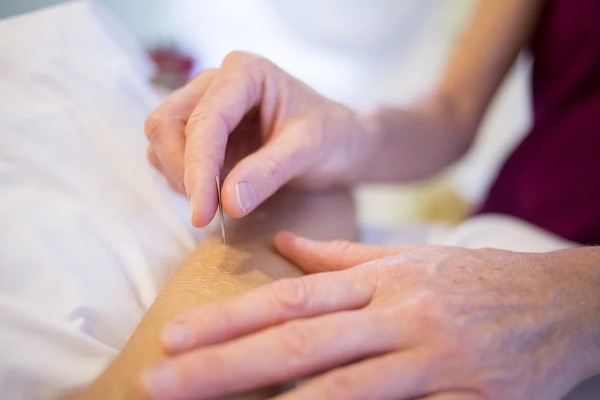
두 가지 종류의 침술이 암 생존자들의 만성적인 고통을 줄이는데 도움이 될 수 있다고 대규모 임상 실험의 결과는 시사한다. 연구에 참여한 암 생존자들은 표준 통증 치료를 받은 사람들에 비해 침을 맞은 후 통증이 다소 호전되었다고 보고했다.
비록 몇몇 연구에서 침술이 암이 없는 사람들의 고통을 줄여주는 것으로 나타났지만, 이 실험은 이 침술이 여러 종류의 다른 암의 생존자들에게 암과 관련된 고통을 완화시켜줄 수 있는지를 테스트하기 위해 고안된 최초의 대규모 무작위 임상 연구 중 하나다.
이 새로운 실험을 이끈 연구원들은 플라시보 버전의 침술을 받은 참가자들의 그룹이 없다는 것을 포함하여, 그 결과에 영향을 줄 수 있는 몇 가지 요소들이 있음을 인정했다. 연구에 참여하지 않은 다른 연구자들 역시 플라시보 '부문'이 없어서 침을 맞은 사람들이 보고한 통증 개선이 '플라시보 효과'의 결과일 가능성을 배제하기 어렵다고 지적했다.
이번 시험은 유방암과 전립선암, 림프종 등 다양한 유형의 암 생존자들을 대상으로 한 뒤 두 가지 종류의 침을 실험했는데, 이 침술은 실험에 참여하지 않은 전문가들이 이번 연구의 강점이라고 밝혔다.
연구진은 보훈처 건강제도부가 개발한 귀침의 일종인 '전장 침'의 효과를 면허 침술사들이 흔히 사용하는 전기침과 암 관련 통증을 줄이는 평상시 치료법과 비교하고 싶었다.
연구 지도자들은 귀침의 장점은 전문 의료진에게 시술법을 훈련시키는 것이 쉽다는 것이라고 말했다.
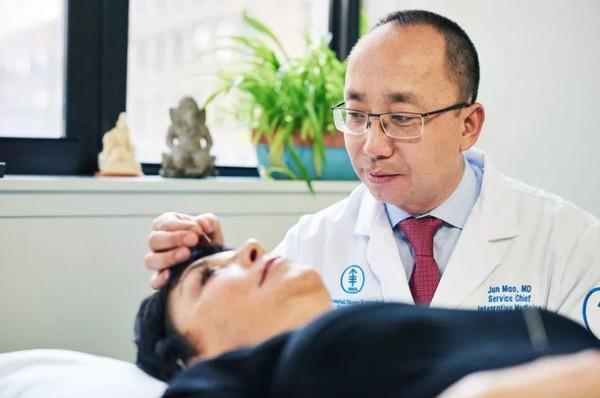
메모리얼 슬론 케터링 암센터의 전 마오 통합의학국장이 주도한 이번 시험에서 전기침 시술을 받은 참가자들은 귀침으로 치료받은 사람들보다 통증 조절 능력이 다소 뛰어나다고 보고했다. 두 종류의 침술은 보통 치료보다 우수했다. 전반적으로 통증의 감소는 지난 치료 기간(최대 4개월)을 훨씬 넘어섰다고 연구자들은 JAMA Oncology에서 3월 18일 보고했다.
"침술의 효과가 시간이 지나도 지속된다는 것은 매우 주목할 만한 일"이라고 이 유방암 치료를 받는 여성들의 통증을 줄이기 위한 초기 침술 실험의 연구원이었던 프레드 허친슨 암 연구 센터의 통합의학 프로그램의 책임자인 헤더 그린리 박사는 말했다.
"우리는 우리의 실험에서 유사한 결과를 관찰했다. 꽤 짧은 동안의 침술 시술이 통증 감소에 지속적인 임상적 영향을 증명했다"고 말을 이어 갔다.
전기침을 시술받은 생존자와 비교했을 때, 주로 귀의 통증, 그리고 부작용 때문에 치료를 중단하는 등 귀침 시술을 받은 참가자의 부작용 보고가 더 많았다.
비 약학적 통증 관리의 필요성
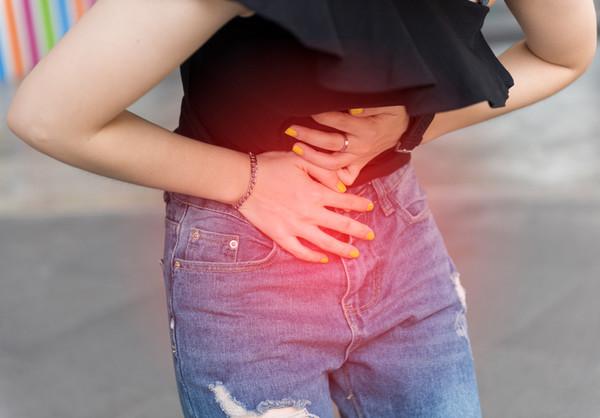
연구에 따르면 암 생존자의 30%에서 40%가 자신의 암이나 치료와 관련된 만성적인 통증을 경험한다고 한다. 연구원들은 통증 치료와 요가와 침술과 같은 보완적인 치료법을 포함하여 통증을 관리하는 새로운 방법을 계속해서 시험하고 있다.
마오 박사는 "암 생존자들은 고통을 감수해야 할지, 고통을 개선해야 할지는 몰라도 신장 부상과 위장 출혈의 위험을 높이는 소염제(염증 치료제) 같은 약을 써야 할지 고민한다"고 말했다.
오피오이드(아편 비슷한 작용을 하는 합성 진통·마취제) 남용 유행병 때문에, 암 생존자들은 이러한 약물들에 대해 더 많은 장벽을 마주하고 있고 중독에 대해 더 많이 걱정하고 있다고 보고했다.
메모리얼 슬론 케터링 암센터의 통합의학 서비스의 매튜 바이츠만 침술사는 "진통제를 복용하고 있는 대부분의 환자들은 진통제를 끊고 싶어 한다" 고 말했다.
이어 그는 "일부 환자들은 마취제를 복용하고 있지만, 특히 장기간 사용을 위해 마취제의 위험성에 대한 인식이 분명히 존재한다. 만성적인 통증을 겪고 있는 이 환자들이 그 고통을 해결할 다른 방법을 찾을 수 있다면, 그들은 그 고통에 상당히 열광할 것이다. 비 약학적 치료는 또 다른 잠재적 이점을 가지고 있다"고 그린리 박사는 말했다. "우리는 침술이 환자들이 받고 있는 종양 치료를 방해한다는 것에 대해 걱정할 필요가 없다"고 말했다.
비 약학적 치료의 매력에도 불구하고, 침술과 같은 접근 방식은 일부 연구자들로부터 강한 비판을 받았다. 회의론자들은 침술이 통증과 다른 문제들을 완화시키는 데 작용하는 생물학적 메커니즘을 밝혀내지 못했다는 사실을 지적한다. 다른 비판은 침술의 연구가 행해지는 방법, 즉 침을 몸에 놓는 방법에서부터 위약이나 가짜 시술이 행해지는 방법에 대한 가변성을 포함한다.
통증을 치료하기 위한 인간의 침술에 대한 연구는 혼합된 결과를 가지고 있는데, 이것이 통증과 메스꺼움 같은 문제를 정말로 도울 수 있다는 보고가 있는 반면, 다른 것들은 거의 또는 전혀 개선되지 않는다는 것을 보여주었다.
2017년 국립암연구소가 후원하는 컨퍼런스의 전문가 보고서에 따르면 침 시술과 조작은 동물과 인간의 실험에서 중앙과 주변 모두에서 다양한 생리학적 효과를 발생시킨다고 한다.
그러나 보고서는 "임상시험에서 이러한 메커니즘과 침술에 대한 관찰된 반응 간의 관계에 대한 우리의 이해에는 상당한 과학적 차이가 남아 있다"고 결론지었다.
임상시험 결과의 이해
마오 박사가 주도한 실험에는 참가자 360명이 등록했는데, 이들은 모두 이미 암 진단을 받았지만 현재 암에 대한 증거가 없으며 최소 3개월 동안 자신의 암과 관련된 근골격계 통증을 보고한 바 있다. 대부분의 참가자들은 나이가 많았으며 70%는 여성이었다.
참가자들은 무작위로 두 가지 종류의 침술 또는 일반적인 통증 관리 중 하나를 배정받았고, 여기에는 진통제와 물리치료, 스테로이드제 등이 포함된다. 치료는 10주간의 주 단위 세션으로 이루어졌고, 참가자들을 16주 동안 추적하였다.
주요 결과는 0(통증 없음)에서 10(상상 가능한 최악의 통증)까지의 통증을 측정하는 간단한 통증 설문지(BPI)라는 도구를 기반으로 자체 보고된 통증의 강도였다. 연구를 시작할 때, 참가자들은 평균 5년 동안 지속된 중간급 통증(BPI의 평균 5.2점)을 보고했습니다. 약 60%는 정기적으로 진통제를 사용했다.
경험이 풍부한 침술사들은 두 종류의 침술을 모두 시술하였다. 귀침은 보훈처 보건 시스템이 개발한 귀침의 일종인 전장 침술을 이용했는데, 이 침술은 각 귀에 최대 5개의 살균 처리된 단추모양의 바늘을 꽂고 참가자들에게 1분 동안 돌아다닌 다음 통증 정도를 평가하도록 하는 것이다.
다수는 아니지만 모든 경우에, 참가자들은 즉각적인 안도감을 경험했다. 참가자들은 삽입된 단추 모양의 침을 귀에 꽂은 채 4일 후 제거하라는 지시를 받았다. 혈(침 점)에 대한 지속적인 자극이 치료 효과를 높여준다는 것이 아이디어였다.
같은 침술사는 통증 부위 인근 침술 지점에 삽입된 4개의 바늘을 통해 저전압 전류를 흘려보내는 장치를 이용해 전기침을 시술했다. 또 다른 네 개의 바늘이 더 먼 곳에 삽입되었다.
유사한 장치들이 물리치료에 쓰이고 있는데, 물리치료사들은 바늘을 사용하는 대신 근육에 진동의 느낌을 불어넣어 긴장을 풀어주는 패치를 사용한다.
전기침은 12주간의 연구 기간 동안 BPI에서 통증의 강도를 1.9 포인트 감소시켰고, 귀침은 통증의 강도를 1.6 포인트 감소시켰다.
통증의 개선은 일반적으로 환자에게 임상적으로 의미가 있다고 간주되는 2점 문턱에 약간 못 미쳤다고 스웜 박사는 설명했다. 그러나 "비록 약간의 이익이 있고 불리한 사건의 위험이 적다고 해도, 그것은 합리적인 시술"이라고 그는 말했다.
귀침을 시술 받는 환자의 약 11%가 부작용 때문에 치료를 중단한 반면, 전기침을 받는 환자는 1% 미만이었다. 귀침 그룹에서 가장 흔한 불평은 귀의 통증이었고, 전기침 그룹에서는 멍이었다.
비록 귀침이 통증을 줄여주는 능력을 보여주긴 했지만, 어떤 환자들은 귀침뿐 아니라 다른 형태의 침술도 참지 못할 수도 있다고 그린리 박사는 말했다. "침술의 개입을 늘리는 것에 대해 생각할 때 환자들이 받아들일 수 있는 것이 어디까지인지 이해하는 것이 중요하다"고 그는 강조했다.
실험 지도자들 또한 참가자들이 플라시보 효과를 제한하는 중요한 방법으로 여겨지는 그들이 받은 치료에 완전히 모르는 것이 아니라는 것을 인정했다.
스웜 박사는 "이번 사례는 대부분 불가피하였다. 이러한 유형의 치료 방법을 연구하는 것에 수반되는 흔한 문제이다"라고 말했다.
암 통증 관리에 더 폭넓게 사용할 준비가 되었나?
이 연구를 설계할 때 침술 시술을 늘리는 것이 마오 박사의 마음에 걸렸다. 2016년부터, 미국 보훈처는 공식 침술 배경이 없는 2,700명 이상의 임상의들을 훈련시켜 그들의 건강 시스템 전체에 ‘전장’을 시술해왔다.
이런 침술은 하루 만에 의사에게 가르칠 수 있다. 나는 우리가 전국의 암 생존자들을 위해 비슷한 모델을 채택할 수 있을 것이라고 생각한다고 마오 박사는 말했다. 침술은 또한 합성 진통제 위기로 인해 특히 심한 타격을 받은 부위의 통증 관리를 위한 추가적인 도구를 제공할 수 있다고 그는 말했다.
Can Acupuncture Help Cancer Survivors with Chronic Pain?
April 22, 2021, by NCI Staff
Two types of acupuncture may help reduce chronic pain in cancer survivors, results from a large clinical trial suggest. Cancer survivors who participated in the study reported modest improvements in pain after receiving acupuncture compared with those who received standard pain treatments.
Although several studies have found that acupuncture appears to reduce pain in people without cancer, the trial is one of the first large randomized clinical studies designed to test whether the therapy might offer relief for cancer-related pain in survivors of a host of different cancers.
The researchers who led this new trial acknowledged several factors that could have affected its results, including that there was no group of participants who received a placebo version of acupuncture. Other researchers not involved in the study also pointed out that the lack of a placebo “arm” of the trial makes it difficult to rule out the possibility that the pain improvements reported by those who received acupuncture were the result of a “placebo effect.”
The trial enrolled a broad group of cancer survivors with a history of breast, prostate, lymphoma, and other types of cancers and tested two types of acupuncture, which experts not involved in the trial said are strengths of the study.
“If I look specifically at cancer pain management for cancer survivors, this does add something new,” said Robert Swarm, M.D., chief of the Division of Pain Management at Washington University School of Medicine. “I think this study will be of interest to oncologists and others involved in the care of cancer survivors.”
The researchers wanted to compare the effectiveness of “battlefield acupuncture,” a type of auricular (ear) acupuncture developed by the Department of Veterans Affairs (VA) healthy system, with electroacupuncture, which is commonly used by licensed acupuncturists, and usual care for reducing cancer-related pain.
The advantage of auricular acupuncture, study leaders said, is that it’s easy to train health care professionals to administer.
In the trial, led by Jun Mao, M.D., chief of the Integrative Medicine Service at Memorial Sloan Kettering Cancer Center, participants who received electroacupuncture reported modestly better pain control than those treated with auricular acupuncture. Both types of acupuncture were superior to usual care. Overall, the decrease in pain lasted well beyond the last treatment session—up to 4 months, the researchers reported March 18 in JAMA Oncology.
“It’s very notable that effects of the acupuncture persisted over time,” said Heather Greenlee, N.D., Ph.D., director of Integrative Medicine Program of the Fred Hutchinson Cancer Research Center, who was not involved in the study but was an investigator on an earlier trial of acupuncture to reduce pain in women being treated for breast cancer.
“We observed a similar result in our trial: a fairly short course of acupuncture demonstrated sustained clinical effects on pain reduction,” Dr. Greenlee continued.
Compared with survivors who received electroacupuncture, participants who received auricular acupuncture were more likely to report side effects, primarily ear pain, and stop treatment because of side effects.
A Need for Nonpharmaceutical Pain Management
Studies suggest that 30% to 40% of cancer survivors experience chronic pain related to their cancer or its treatment. Researchers continue to test new ways of managing that pain, including pain medications and complementary medicine approaches like yoga and acupuncture.
“Cancer survivors grapple with whether to live with the pain or use medications such as anti-inflammatory drugs that may improve their pain but increase their risk of kidney injury and gastrointestinal bleeding,” said Dr. Mao.
Because of the opioid abuse epidemic, cancer survivors have reported encountering more barriers to these medications and are more concerned about addiction.
“Most of our patients who are on pain medications are trying to get off them,” said Matthew Weitzman, lead acupuncturist of the Integrative Medicine Service at Memorial Sloan Kettering Cancer Center.
“Some patients are on opiates, but there is definitely an awareness of the dangers of opiates, especially for long-term use. If these patients with chronic pain can find a different way to address that pain, they are pretty enthusiastic about that.”
Nonpharmaceutical treatments have another potential advantage, said Dr. Greenlee. “We don’t have to worry about acupuncture interfering with oncology treatments patients are receiving.”
Despite the appeal of nonpharmaceutical treatments, approaches like acupuncture have come under intense criticism from some researchers. Skeptics point to the fact that studies have failed to identify the biological mechanisms by which acupuncture works to alleviate pain and other problems. Other criticisms include the variability in how studies of acupuncture are conducted, from where needles are placed on the body to how placebo or sham procedures are performed.
Studies of acupuncture in humans to treat pain have had mixed results, with a number reporting that it can indeed help with problems like pain and nausea, while others have shown that it offers little to no improvement.
A 2017 expert report from an NCI-sponsored conferenceExit Disclaimer on the topic found that “acupuncture needling and manipulation produce a variety of physiological effects both centrally and peripherally in animal and human experiments.”
However, the report concluded that “significant scientific gaps remain in our understanding of the relationships between these mechanisms and the observed responses to acupuncture in clinical trials.”
Understanding the Trial Results
The trial led by Dr. Mao enrolled 360 participants, all of whom had a prior cancer diagnosis but no current evidence of cancer and had reported musculoskeletal pain related to their cancer for at least 3 months. Most participants were older and 70% were women.
Participants were randomly assigned to one of the two types of acupuncture or usual care for pain, which included pain medications, physical therapy, and steroids. Treatment involved 10 weekly sessions, and participants were then followed for an additional 16 weeks.
The primary outcome was self-reported pain intensity, based on a tool called the Brief Pain Inventory (BPI), which measures pain ranging from 0 (no pain) to 10 (worst pain imaginable). At the outset of the study, participants reported moderate pain (average of 5.2 points on the BPI) that had lasted an average of 5 years. About 60% used pain medication regularly.
Experienced licensed acupuncturists delivered both types of acupuncture. For the auricular acupuncture, they used the battlefield protocol developed by the VA health system, which involves placing up to five sterile stud-like needles in each ear and asking participants to walk around for a minute and then rate their pain severity.
“In many but not all cases, participants experienced immediate relief,” said Weitzman. Participants were told to keep the inserted studs in their ear(s) for 4 days and then remove them. “The idea is the continued stimulation on the points enhances the treatment effect,” Weitzman said.
The same acupuncturists delivered electroacupuncture by using a device that sends low-voltage electric currents through four needles inserted into acupuncture points near the areas of pain. Another four needles were inserted into more distant sites, Weitzman explained.
“Similar devices are used in physical therapy, where instead of using needles, the therapists use patches on the skin that sends a pulsing sensation into the muscles to help them relax,” he said.
Electroacupuncture reduced the pain severity by 1.9 points on the BPI and auricular acupuncture reduced the pain severity by 1.6 points during the 12-week study period.
The improvements in pain fell just short of the 2-point threshold typically thought to be clinically meaningful for patients, Dr. Swarm explained. But “even if there’s a slight benefit and the risk of adverse events is small, then it’s a reasonable undertaking,” he said.
About 11% of patients receiving auricular acupuncture stopped treatment because of side effects, compared with less than 1% of patients receiving electroacupuncture. The most common complaint in the auricular acupuncture group was ear pain, while in the electroacupuncture group it was bruising.
Although auricular acupuncture has shown some ability to reduce pain, “some patients may not tolerate it as well as other forms of acupuncture,” said Dr. Greenlee. “It’s important for us to understand what is acceptable to patients when we think about scaling up acupuncture interventions.”
The trial leaders also acknowledged that participants were not “blinded” to the treatment they received, which is considered an important way of limiting a possible placebo effect.
In this particular case, that’s largely unavoidable, Dr. Swarm noted. “It’s a common problem of studying this type of treatment modality.”
Ready for Broader Use in Managing Cancer Pain?
Scaling up acupuncture delivery was on Dr. Mao’s mind when he designed this study. Since 2016, the VA has trained more than 2,700 clinicians without formal acupuncture backgrounds to deliver battlefield acupuncture throughout its health system.
“This type [of acupuncture] can be taught to a physician in one day. I think we could adopt a similar model for cancer survivors across the country,” Dr. Mao said. Acupuncture could also provide an additional tool for pain management in areas that have been particularly hard hit by the opioid crisis, he said.
암스쿨에 게재된 기사는 미국국립암연구소(NCI), 미국암협회(ACS), 국립암센터(NCC), 일본국립암연구소(NCCJ), 엠디앤더슨암센터(MD Anderson Cancer Center) 등 검증된 기관의 검증된 자료를 토대로 작성되었습니다.
이 글은 2021년 4월 작성 시점의 정보입니다. 치료 기준·급여 정보는 바뀌었을 수 있으니, 진료와 치료 결정은 반드시 담당 의료진과 상의하세요.