암의 예후에 대한 공부
2021.03.12 · amschool

암에 걸리면 암이 얼마나 심각한지, 생존 가능성은 얼마인지에 대한 의문이 생길 수 있다. 자신의 질병이 어떻게 진행될지 예측하는 것을 예후라고 한다. 예후의 의미를 이해하기 어려울 수 있고, 때로는 의사들도 말하기 쉽지 않다.
1. 예후에 영향을 줄 수 있는 여러 가지 요인
예후에 영향을 미치는 몇 가지 요인은 다음과 같다.
• 암의 종류 및 발병 부위
• 암의 크기 및 암의 다른 부위로 전이 여부를 의미하는 암의 병기
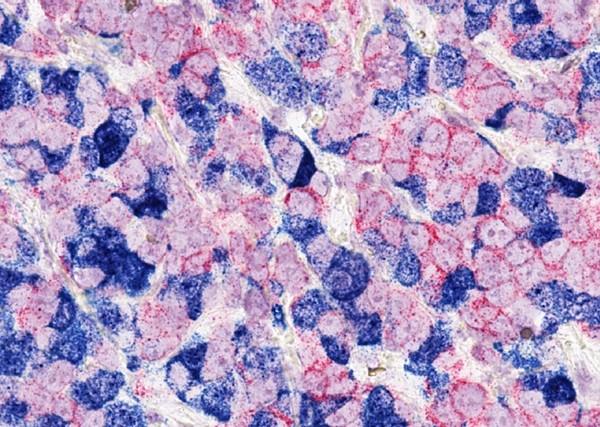
• 현미경으로 볼 때 암세포가 얼마나 비정상적으로 보이는지를 나타내는 암의 등급. 등급은 암이 얼마나 빨리 자라고 퍼질 수 있는지에 대한 단서를 제공한다.
• 암세포의 특정 특성
• 연령 및 암 진단 전의 건강 상태
• 치료에 대한 반응
2. 자신의 예후에 대한 정보를 찾는 것은 개인적인 결정이다
당신이 암에 걸렸을 때, 자신과 사랑하는 사람들은 많은 미지의 것들에 직면한다. 자신의 암을 이해하고 무엇이 예상되는지 알 수 있다면 당신과 사랑하는 사람들이 결정을 내리는데 도움을 줄 수 있다. 다음과 같은 몇 가지 결정을 내릴 수 있다.
• 자기에게 가장 적합한 치료 방법
• 치료를 원하는지 여부
• 최상의 자기관리 및 치료 부작용 관리 방법
• 재무 및 법률상의 문제 처리 방법
많은 사람들은 자신의 예후를 알고 싶어 한다. 그들은 암에 대해 더 많이 알게 되면 대처하기가 더 쉽다는 것을 알게 된다. 여러분은 의사에게 생존 통계에 대해 물어보거나 혼자서 이 정보를 검색할 수 있다. 또는, 통계가 혼란스럽고 두려운 것을 알게 될 것이고, 통계가 너무 비인간적이어서 자신에게 가치가 없다고 생각할 수도 있다. 얼마나 많은 정보를 원하는지 결정하는 것은 당신에게 달려 있다.
만약 여러분이 더 알고 싶다고 결정한다면, 여러분의 상황에 대해 가장 많이 알고 있는 의사는 여러분의 예후를 토론하고 통계가 무엇을 의미하는지 설명하기에 가장 좋은 위치에 있다.
만약 당신이 당신의 예후를 극복하는 데 도움이 필요하다면, 당신은 암에 대처하는데 대한 우리의 정보가 도움이 된다는 것을 알게 될 것이다.
3. 생존에 대한 통계의 이해
의사들은 연구원들이 같은 종류의 암에 걸린 사람들에 대해 수년 동안 수집한 통계를 이용하여 예후를 추정한다. 예후를 추정하기 위해 몇 가지 유형의 통계가 사용될 수 있다. 가장 일반적으로 사용되는 통계는 다음과 같다. :
• 암 특이적 생존(율)
이는 특정 암의 종류와 병기를 가진 환자가 진단 후 일정 기간 동안 암으로 사망하지 않은 비율이다. 기간은 1년, 2년, 5년 등으로 하되, 가장 많이 사용하는 기간은 5년으로 한다. 암 특유의 생존은 질병 특유의 생존이라고도 불린다. 대부분의 경우 암 특이적 생존은 의료 기록에 나열된 사망 원인에 의거한다.
• 상대적 생존(율)
이 통계는 사망 원인에 대한 정보를 사용하지 않는 암별 생존을 추정하는 데 사용되는 또 다른 방법이다. 암에 걸리지 않은 사람에 비해 진단 후 일정 기간 생존한 암 환자의 비율이다.
• 전반적인(전체) 생존(율)
이는 특정 암의 종류와 병기를 가진 사람이 진단 후 일정 기간 동안 어떠한 원인으로도 사망하지 않은 비율이다.
• 무 질병 생존(율)
이 통계는 치료 후 일정 기간 동안 암의 징후가 없는 환자의 비율이다. 이 통계량의 다른 이름은 무 재발 혹은 무 진행 생존이다.
통계는 큰 그룹의 사람들에 의거하기 때문에 당신에게 어떤 일이 일어날지 정확히 예측하는 데 사용될 수 없다. 사람마다 다 다르기 마련이다. 치료법과 사람들이 치료에 반응하는 방식은 크게 다를 수 있다. 또한, 새로운 치료법의 이점과 암을 발견하는 방법을 보는 데는 몇 년이 걸린다. 그래서 여러분의 의사가 예후를 만들기 위해 사용하는 통계는 오늘날 사용되는 치료에 기초하지 않을 수도 있다.
하지만, 만약 여러분의 암이 치료에 잘 반응할 가능성이 있다는 통계가 나온다면, 여러분의 의사는 여러분에게 좋은 예후를 가지고 있다고 말할지도 모른다. 아니면, 암을 통제하기가 더 어렵다면, 그는 여러분에게 나쁜 예후를 가지고 있다고 말할지도 모른다. 주치의가 여러분에게 무엇을 말하든, 예후는 경험에서 우러난 추측이라는 것을 명심하라. 당신의 주치의라도 그것이 당신에게 어떤 영향을 미칠지 알 수 없다.
4. 치료를 받지 않기로 결정한 경우
만약 당신이 치료를 받지 않기로 결정한다면, 당신의 상황을 가장 잘 아는 의사는 당신의 예후를 논하기에 가장 좋은 위치에 있다. 생존 통계는 무 치료의 치료보다는 치료법을 서로 비교하는 연구에서 나오는 경우가 가장 많다. 그래서 담당 의사가 여러분에게 정확한 예후를 제공하는 것은 쉽지 않을 수도 있다.
5. 치유(완치)와 관해의 차이 이해
치유는 치료 후에도 암의 흔적이 없고 암이 재발하지 않는다는 것을 의미한다. 관해는 암의 징후와 증상이 줄어든다는 것을 의미한다. 관해는 부분적일 수도 있고 완전할 수도 있다. 완전 관해에서는, 암의 모든 징후와 증상이 사라졌다.
만약 여러분이 5년 이상 완전 관해 상태를 유지한다면, 어떤 의사들은 여러분이 완치되었다고 말할지도 모른다. 여전히, 어떤 암세포들은 치료 후에 몇 년 동안 여러분의 몸에 남아있을 수 있다. 이 세포들은 언젠가 암이 재발하게 할 수도 있다. 암이 재발하는 경우 대부분 치료 후 처음 5년 이내에 재발한다. 하지만 나중에 암이 재발할 가능성이 있다. 이런 이유로, 의사들은 여러분이 치료되었다고 확실히 말할 수 없다. 그들이 말할 수 있는 가장 많은 것은 현재 암의 징후는 없다는 것이다.
암이 재발할 수 있는 가능성 때문에, 담당 의사는 수년 동안 여러분을 감시하고 암이 재발할 징후를 찾기 위한 검사를 할 것이다. 그들은 또한 당신이 받은 암 치료로 인한 부작용의 징후를 찾을 것이다.
Understanding Cancer Prognosis
Reviewed: June 17, 2019
If you have cancer, you may have questions about how serious your cancer is and your chances of survival. The estimate of how the disease will go for you is called prognosis. It can be hard to understand what prognosis means and also hard to talk about, even for doctors.
ON THIS PAGE
• Many Factors Can Affect Your Prognosis
• Seeking Information About Your Prognosis Is a Personal Decision
• Understanding Statistics About Survival
• Where to Find Cancer Statistics
• If You Decide Not to Have Treatment
• Understanding the Difference Between Cure and Remission
• Video Series
1. Many Factors Can Affect Your Prognosis
Some of the factors that affect prognosis include:
• The type of cancer and where it is in your body
• The stage of the cancer, which refers to the size of the cancer and if it has spread to other parts of your body
• The cancer’s grade, which refers to how abnormal the cancer cells look under a microscope. Grade provides clues about how quickly the cancer is likely to grow and spread.
• Certain traits of the cancer cells
• Your age and how healthy you were before cancer
• How you respond to treatment
Learn more about Cancer Staging and Tumor Grade.
2. Seeking Information About Your Prognosis Is a Personal Decision
When you have cancer, you and your loved ones face many unknowns. Understanding your cancer and knowing what to expect can help you and your loved ones make decisions. Some of the decisions you may face include:
• Which treatment is best for you
• you want treatment
• How to best take care of yourself and manage treatment side effects
• How to deal with financial and legal matters
Many people want to know their prognosis. They find it easier to cope when they know more about their cancer. You may ask your doctor about survival statistics or search for this information on your own. Or, you may find statistics confusing and frightening, and think they are too impersonal to be of value to you. It is up to you to decide how much information you want.
If you do decide you want to know more, the doctor who knows the most about your situation is in the best position to discuss your prognosis and explain what the statistics may mean.
If you need help coping with your prognosis, you may find our information on Coping With Cancer helpful.
3. Understanding Statistics About Survival
Doctors estimate prognosis by using statistics that researchers have collected over many years about people with the same type of cancer. Several types of statistics may be used to estimate prognosis. The most commonly used statistics include:
• Cancer-specific survival
This is the percentage of patients with a specific type and stage of cancer who have not died from their cancer during a certain period of time after diagnosis. The period of time may be 1 year, 2 years, 5 years, etc., with 5 years being the time period most often used. Cancer-specific survival is also called disease-specific survival. In most cases, cancer-specific survival is based on causes of death listed in medical records.
• Relative survival
This statistic is another method used to estimate cancer-specific survival that does not use information about the cause of death. It is the percentage of cancer patients who have survived for a certain period of time after diagnosis compared to people who do not have cancer.
• Overall survival
This is the percentage of people with a specific type and stage of cancer who have not died from any cause during a certain period of time after diagnosis.
• Disease-free survival
This statistic is the percentage of patients who have no signs of cancer during a certain period of time after treatment. Other names for this statistic are recurrence-free or progression-free survival.
Because statistics are based on large groups of people, they cannot be used to predict exactly what will happen to you. Everyone is different. Treatments and how people respond to treatment can differ greatly. Also, it takes years to see the benefit of new treatments and ways of finding cancer. So, the statistics your doctor uses to make a prognosis may not be based on treatments being used today.
Still, your doctor may tell you that you have a good prognosis if statistics suggest that your cancer is likely to respond well to treatment. Or, he may tell you that you have a poor prognosis if the cancer is harder to control. Whatever your doctor tells you, keep in mind that a prognosis is an educated guess. Your doctor cannot be certain how it will go for you.
4. Where to Find Cancer Statistics
NCI collects and reports on cancer statistics through its SEER Program, which stands for Surveillance, Epidemiology, and End Results. From the Cancer Stat Facts page on the SEER web site, you can find answers to the most commonly asked questions about cancer statistics for many cancer types. You can also browse the latest SEER Cancer Statistics Review.
5. If You Decide Not to Have Treatment
If you decide not to have treatment, the doctor who knows your situation best is in the best position to discuss your prognosis.
Survival statistics most often come from studies that compare treatments with each other, rather than treatment with no treatment. So, it may not be easy for your doctor to give you an accurate prognosis.
6. Understanding the Difference Between Cure and Remission
Cure means that there are no traces of your cancer after treatment and the cancer will never come back.
Remission means that the signs and symptoms of your cancer are reduced. Remission can be partial or complete. In a complete remission, all signs and symptoms of cancer have disappeared.
If you remain in complete remission for 5 years or more, some doctors may say that you are cured. Still, some cancer cells can remain in your body for many years after treatment. These cells may cause the cancer to come back one day. For cancers that return, most do so within the first 5 years after treatment. But, there is a chance that cancer will come back later. For this reason, doctors cannot say for sure that you are cured. The most they can say is that there are no signs of cancer at this time.
Because of the chance that cancer can come back, your doctor will monitor you for many years and do tests to look for signs of cancer’s return. They will also look for signs of late side effects from the cancer treatments you received.
암스쿨에 게재된 기사는 미국국립암연구소(NCI), 미국암협회(ACS), 국립암센터(NCC), 일본국립암연구소(NCCJ), 엠디앤더슨암센터(MD Anderson Cancer Center) 등 검증된 기관의 검증된 자료를 토대로 작성되었습니다.
이 글은 2021년 3월 작성 시점의 정보입니다. 치료 기준·급여 정보는 바뀌었을 수 있으니, 진료와 치료 결정은 반드시 담당 의료진과 상의하세요.