젊은 암환자들을 위한 정서적 지원
2021.03.11 · amschool

암 진단을 받고 치료를 받는 것은 여러분이 마치 감정적인 롤러코스터를 타는 것처럼 느끼게 할 수 있다. 이것은 특히 젊은 성인들에게 해당된다. 치료를 시작할 때 여러분은 충격과 두려움, 분노, 슬프고 당황스럽고 외로움을 느낄 수 있다. 병을 앓는 동안 다른 많은 젊은이들처럼 당신도 희망적이고, 단호하며, 낙관적일 수 있다. 이것들은 종종 암 치료의 정신사회적 효과로 언급된다. 암 치료의 육체적 부작용에 대해 치료 팀과 이야기를 나누듯이, 정서적으로 어떤 감정을 느끼고 있는지 이야기하는 것도 중요하다.
연령과 암 유형에 따라 소아암 전문의가 어린이 병원에서 치료를 받거나, 대학병원이나 의료센터에서 성인 암환자를 치료하는 의료 종양학자에게 치료를 받을 수 있다. 많은 NCI 지정 암 센터를 포함하여 점점 더 많은 수의 병원들이 암에 걸린 젊은이들을 위해 고안된 정신사회적인 지원 프로그램을 제공하고 있다. 이 프로그램들은 예술 치료, 음악 치료, 모험에 기반을 둔 프로그램, 출산능력 보존 프로그램, 그리고 젊은 성인 지원 단체들을 포함할 수 있다.
암 진단 후 다음 대책
젊었을 때, 여러분은 아마 보건의료제도를 처음 접했을 것이고 아직 중요한 건강상의 결정을 내릴 필요가 없었을 것이다. 치료를 시작할 때 통제감을 얻으려면 아래 나열된 전략을 사용해 보라.
자신의 암 종류와 치료 선택지에 대해 배우라. 여러분이 가지고 있는 암의 종류와 치료 옵션에 대해 아는 것은 여러분이 치료에 적극적인 역할을 하도록 도울 수 있다. 온라인에는 많은 정보가 있다. 모든 정보가 당신의 특정 암 진단이나 젊은 성인의 암과 관련이 있는 것은 아니다. 당신의 나이와 암 종류에 따라 당신은 소아암 치료 계획서나 성인암 치료 계획서에 따라 치료를 받을 수 있다는 것을 명심하라.
많은 젊은이들은 자신의 암 종류와 치료 옵션에 대해 그들이 할 수 있는 모든 것을 읽는 것을 좋아하는 반면, 다른 사람들은 그들의 의사로부터 직접 정보를 얻는 것을 선호한다. 자신이 어떤 종류의 정보 검색자 및 학습자인지에 대해 생각하고 의사와 자신의 선호 사항을 공유하는 것이 도움이 될 수 있다.
자신을 옹호하라. 여러분은 자신에게 중요한 것을 명확히 밝히는 방법을 배우면서 이 여행에서 자신의 목소리를 찾을 것이다. 자신에게 중요한 것들에 대해 말함으로써 그 요구를 충족시킬 수 있게 해줄 것이다. 특히 초기에는 힘들 수 있지만, 자신을 옹호하는 것은 여러분이 더 책임을 느끼도록 도와줄 것이다.
질문을 하라. 치료 팀의 사람들을 교수와 코치로 생각하라. 가능한 한 최고의 관리 및 조언을 제공하는 유식하고 도움이 되는 전문가라고 생각하라. 이러한 전문가들로부터 최대한 많은 것을 얻기 위해, 사전에 질문지를 만들고 중요도에 따라 문제를 나열해 보라. 약속한 면담시간 동안 주요 정보를 되짚어 보고 정보를 이해했는지 확인하기 위한 명확한 질문을 하라. 젊은 사람으로서 당신은 당신의 출산능력을 보존하고 피로와 탈모에 대처하는 것에 대해 의문을 가질 수 있다. 여기 이것들과 다른 암 치료 부작용들을 관리하기 위한 조언들이 있다. 여러분은 사회 복지사나 간호사에게 암 치료의 요구와 학교 다니기, 일, 그리고 어린 아이들을 돌보는 것의 균형을 맞추기 위한 전략에 대해 물어볼 수도 있다.
암 치료 중 젊은 층에 대한 지원
자신에 닥친 사회생활의 변화는 어려울 수 있다. 치료 중 필요한 지원을 받을 수 있는 방법은 다음과 같다.
관계를 돈독하게 유지하라. 여러분이 친구들과 함께 모험과 성취를 나누는 것에 익숙할 때, 암 진단과 치료의 혹독함은 무엇을 공유하고 어떻게 관계를 유지할 것인가에 대해 혼란에 빠뜨릴 수 있다. 관계가 어색하고 긴장될 수 있다. 친구들은 여러분이 무엇을 말해야 할지 무엇을 필요로 하는지 모르기 때문에 침묵할지도 모른다. 특히 대학을 휴학하거나 직장을 그만두거나 치료를 받기 위해 집으로 돌아간 경우, 여러분의 삶이 거꾸로 가는 것처럼 느껴질 수 있다. 비록 여러분이 가족과 친구들을 보호하기 위해 용감한 전선을 펼 수 있지만, 여러분이 겪고 있는 일에 대해 개방적인 것은 자신이 가까운 사람들로부터 시작하기 좋은 장소이다.
친구들은 보통 도움을 주고 싶어 하지만 어떻게 손을 뻗어야 할지 모를 수도 있다. 첫 번째 단계를 밟아야 할 수도 있다. 치료 과정에서 자신의 요구가 아마도 바뀔 것이라는 것을 명심하면서, 자신이 공유하고 요구하는 것에 대해 생각해 보라.
당신에게 기쁨을 가져다 줄 것들을 계속 찾으라. 삶이 변화와 불확실성으로 가득 차 있을 때, 여러분에게 가장 중요한 사람들과 활동에 대해 생각하는 것이 도움이 될 수 있다. 누가 무엇이 가장 중요한지 곰곰이 생각해 보면 새로운 정상(new normal)을 알아내는 데 도움이 될 수 있다. 그렇게 함으로써 현실에 입각하여 굳게 설 수 있게 도와준다. 시간이 지남에 따라, 암에 걸린 다른 많은 젊은이들처럼, 당신도 새로운 관심사를 탐색하고 새로운 기술을 개발하는 것을 선택할 수 있다.
여정을 글로 쓰라. 연구를 통해 글쓰기가 스트레스를 낮출 수 있다는 것을 알아냈다. 하루에 몇 분씩 적게 시작해서 거기서부터 쌓아올려라. 다양한 일기쓰기 전략이 있다. 어떤 사람들은 많은 생각과 경험을 적는다. 다른 사람들은 한 가지 생각을 적거나 그들이 매일 감사하는 몇 가지 것들을 나열한다. 젊은 암 생존자들은 '방해 받은 인생' 시리즈와 같은 블로그를 썼고, ‘라쿠나 로프트’와 같은 창의적인 쓰기 워크샵을 제공하는 조직을 시작했다. 많은 병원들은 또한 글쓰기 프로그램을 제공한다.
젊은 성인의 옹호자 및 환자들과도 연락하라. 암 진단을 받고 여러분의 경험과 관련될 수 있는 다른 젊은이들과 연결하기로 선택할 수 있다.
신체 활동을 고려하라. 치료를 받는 동안 신체 활동을 유지하는 것은 여러분의 기분이 나아지도록 도울 수 있다. 운동을 하면 치료 중에 약해질 수 있는 근육을 강화시킬 수 있다. 그것은 또한 피로를 예방하고 기운을 북돋우는데 도움을 줄 수 있다. 여러분이 신체적으로 할 수 있는 것은 움직이기 운동에서부터 격렬한 운동에 이르기까지 치료 과정에 따라 다양할 것이다.
물리치료사와의 만남은 여러분에게 가장 좋은 운동을 선택하는데 도움을 줄 수 있다. 매일의 일과를 관리하는 것이 당신이 할 수 있는 전부일 때 당신은 작업요법사로부터 조언을 들을 수도 있다.
암 여정을 위한 정신 건강관리 계획 수립
정신 건강은 육체적인 건강만큼이나 중요하다. 치료를 받아가는 동안 정서적 행복은 바뀔 것이다. 희망과 낙관뿐 아니라 불안과 적응이 어려운 시기를 경험하는 것은 흔한 일이다. 다음은 도움이 될 수 있는 제안이다.
자신의 감정을 인정하라. 우울증을 느끼는 것이 보통이지만 우울증의 징후는 더 심각하고 여러분이 좋아하는 활동을 더 이상 즐기지 않으며, 수면 습관의 변화, 다 슬데 없다는 기분, 그리고 자살에 대해 생각하는 것을 포함하기도 한다. 만약 자신이 이런 감정을 몇 주 동안 매일 가지고 있다면, 그것들은 우울증의 징후일 수 있다. 걱정과 괴로움을 포함하여 암에 적응하는 것에 대해 더 배워라. ‘국가 자살 방지 생명줄’같은 사이트에는 여러분이나 여러분이 아는 누군가에게 도움이 될 수 있는 정보도 들어 있다.
정신 건강 전문가와 만나보라. 친구나 가족과 대화하는 것이 도움이 될 수 있다. 그러나 치료, 고통에 대처, 인간관계 문제 등과 관련된 두려움은 이야기하기 어려울 수 있다. 젊은 층을 전문적으로 돌보는 정신건강 전문가들이 조언해 줄 수 있을 뿐만 아니라 자신에게 맞는 전략과 휴식기법을 제공할 수 있다. 당신의 치료 팀 전문가에는 심리학자와 사회복지사, 정신건강 상담사, 정신과 의사가 포함될 수 있다.
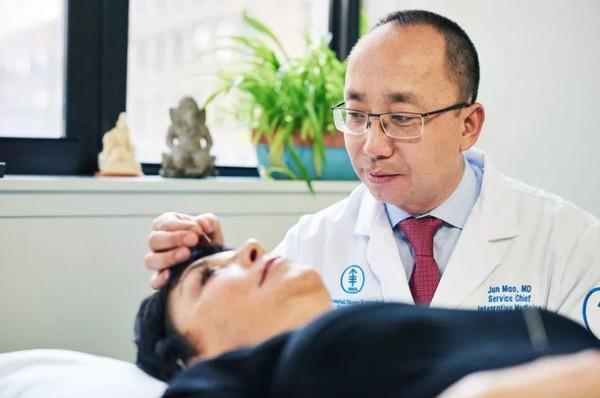
긴장을 풀기 위한 심신 수련을 고려하라. 생체 피드백, 호흡 운동, 이미지 훈련, 최면, 명상, 요가와 같은 통합적인 의학적 시술은 종종 암에 걸린 젊은이들에게 특별한 관심사이다.
자신의 믿음이나 신념체계에 의지하라. 여러분의 영적인 여행에 집중하는 것은 여러분이 힘든 시간을 극복하는데 도움을 줄 수 있다. 탈모, 병원 체재, 절단, 흉터, 체중 변화에 대처하는 것은 특히 암을 가진 몇몇 젊은이들이 경험하는 어려운 문제이다. 모든 사람이 특정한 믿음으로 동일시하는 것은 아니지만, 어떤 젊은이들은 기도와 명상, 그리고/또는 영적인 지도자와 대화하는 것이 도움이 된다고 생각한다. 암 치료에서 영성에 대해 더 배워라.
젊은 암환자에 대한 심리사회적 지원 증진
암에 걸린 젊은이들과 그들의 치료 팀 사람들이 협업하면 암에 걸린 젊은이들의 요구에 맞는 프로그램을 설계하는 데 도움이 될 수 있다. 당신과 치료 팀은 암에 걸린 청소년과 청소년들이 어떻게 협력하고 청소년 프로그램의 조언자로서 역할을 했는지에 대해 논하는 이 기사에서 함께 일하는 것에 대해 더 많이 배울 수 있다.
Emotional Support for Young People with Cancer
Posted: September 22, 2020
Psychosocial support and counseling can help young people with cancer develop skills to manage the emotional side effects of cancer.
Receiving a cancer diagnosis and going through treatment can make you feel as if you’re on an emotional rollercoaster. This is especially true for young adults. You may feel shocked, afraid, angry, sad, embarrassed, and lonely as you start treatment. Over the course of your illness you, like many other young people, may also feel hopeful, determined, and optimistic. These are often referred to as the psychosocial effects of cancer treatment. Just as you talk with your treatment team about the physical side effects of cancer treatment, it’s also important to talk about how you are feeling emotionally.
Depending upon your age and cancer type you may be treated at a children’s hospital by a pediatric oncologist, or at a university hospital or medical center by a medical oncologist who treats adults with cancer. A growing number of hospitals, including many NCI-Designated Cancer Centers, offer psychosocial support programs designed for young people with cancer. These programs may include art therapy, music therapy, adventure-based programs, fertility preservation programs, and young adult support groups.
ON THIS PAGE
• Next Steps after a Cancer Diagnosis
• Support for Young People during Cancer Treatment
• Making a Mental Health Care Plan to Navigate Your Cancer Journey
• Advancing Psychosocial Support for Young People with Cancer
Next Steps after a Cancer Diagnosis
As a young person, you’re probably new to the health care system and haven’t yet had to make major health decisions. Use the strategies listed below to gain a sense of control as you begin treatment.
Learn about your cancer type and treatment options. Being knowledgeable about the type of cancer you have and your treatment options can help you play an active role in your care. There’s a lot of information online and not all of it is relevant to your specific cancer diagnosis or to cancer in young adults. Keep in mind that based on your age and cancer type you may be treated according to a pediatric cancer treatment protocol or an adult cancer treatment protocol.
Many young people like to read everything they can about their cancer type and treatment options, whereas others prefer to get information directly from their doctor. It may help to think about the type of information-seeker and learner you are and to share your preferences with your doctor.
Advocate for yourself. You will find your voice on this journey as you learn how to articulate what is important to you. Speaking up about things that are important to you will enable you to get your needs met. While it may be challenging, especially in the beginning, advocating for yourself will help you to feel more in charge. You may want to ask your treatment team to recommend mobile apps to help you track key information such as appointments, medications, and side effects. There are also apps to help you manage pain and stay fit.
Ask questions. Think of the people on your treatment team as professors and coaches—knowledgeable and supportive experts who are giving you the best possible care and advice. To get the most from these experts, jot down your questions ahead of time and list your concerns in order of importance. During your appointment, repeat back key information and ask clarifying questions to make sure you’ve understood the information. As a young person you may have questions about preserving your fertility and coping with fatigue and hair loss. Here are tips to manage these and other cancer treatment side effects. You may want to ask your social worker or nurse about strategies to balance the demands of cancer treatment with attending school, working, and/or caring for young children.
Support for Young People during Cancer Treatment
Changes to your social life can be challenging. Here are ways to get the support you need during treatment:
Keep relationships strong. When you’re used to sharing your adventures and accomplishments with your friends, a cancer diagnosis, and the rigors of treatment, can put you at a loss as to what to share and how to stay connected. Relationships may feel awkward and strained. Friends may be silent because they don’t know what to say or what you need. It can sometimes feel like your life is moving backwards, especially if you’ve taken a break from college, quit a job, or moved home to receive treatment. Although you may put up a brave front to protect family and friends, being open about what you are going through is a good place to start with people you are close to.
Friends usually want to help but might not know how to reach out. You may need to take the first step. Think about what you feel comfortable sharing and asking for, keeping in mind that your needs will probably change over the course of treatment. Sites such as CaringBridgeExit Disclaimer, My Cancer CircleExit Disclaimer, MyLifeLine,Exit Disclaimer or Lotsa Helping HandsExit Disclaimer can help you manage the challenge of sharing updates and asking for support.
Keep finding things that bring you joy. When life is filled with change and uncertainty, it can help to think about the people and activities that are most important to you. Reflecting on who and what are most important to you can help you figure out your new normal. Doing so can help you stay grounded. Over time, you, like many other young people with cancer, may also choose to explore new interests and develop new skills.
Journal your journey. Research has found that journaling can lower stress. Start small, a few minutes a day, and build up from there. There are different journaling strategies. Some people write down many thoughts and experiences. Others jot down a single thought or list a few things they are grateful for each day. Young cancer survivors have written blogs such as the Life InterruptedExit Disclaimer series and started organizations such as Lacuna Loft Exit Disclaimerthat offer creative writing workshops. Many hospitals also offer journaling programs.
Reach out to young adult advocates and patients. You may choose to connect with other young people who have been diagnosed with cancer and can relate to your experiences. Many organizations listed in the young adult cancer resources section were started by young adult cancer survivors. Books written by young adults with cancer, such as Planet CancerExit Disclaimer and Everything Changes: The Insider's Guide to Cancer in Your 20s and 30s Exit Disclaimermay also be helpful. There’s also an annual conference called CancerConExit Disclaimer that connects young people who have been affected by cancer.
Consider physical activities. Staying physically active during treatment may help you feel better. Exercising can strengthen muscles that may otherwise become weak during treatment. It can also help to prevent fatigue and lift your spirits. What you’ll be able to do physically will vary over the course of treatment—ranging from movement exercises to strenuous workouts.
Meeting with a physical therapist can help you to choose exercises that are best for you. At times when it’s all you can do to manage your daily routine you’ll want to get advice from an occupational therapist. And when you’re up for it, you may want to look at the outdoor therapy programs listed in the young adult cancer resources section.
Making a Mental Health Care Plan to Navigate Your Cancer Journey
It is as important to take care of your mental health as it is your physical health. Your emotional well-being will shift as you go through treatment. It’s common to experience periods of anxiety and difficulty adjusting, as well as hope and optimism. Here are suggestions that can help:
Acknowledge your emotions. Although it’s normal to feel down at times, signs of depression are more serious and often include no longer enjoying your favorite activities, changes to sleeping habits, feeling worthless, and/or having thoughts about suicide. If you have these feelings every day for several weeks, they may be signs of depression. Learn more about adjusting to cancer, including feelings of anxiety and distress. The National Suicide Prevention Lifeline Exit Disclaimeralso has information that may help you or someone you know.
Meet with a mental health expert. Talking with friends and family may help. However, fears related to treatment, coping with distress, and issues with relationships can be difficult to talk about. Mental health experts who specialize in caring for young people can counsel you, as well as provide strategies and relaxation techniques that are tailored to you. Experts on your treatment team may include psychologists, social workers, mental health counselors, and psychiatrists.
Ask about age-specific support groups and programs. While most hospitals offer cancer support groups, a growing number of hospitals also have teen- and young adult-specific groups and programs. Online and in-person coping and support programs are offered by groups listed in NCI’s young adult cancer resources section.
Consider mind-body practices to relax. Integrative medicine practices such as biofeedback, breathing exercises, guided imagery, hypnosis, meditation, and yoga are often of special interest to young people with cancer. You can learn about these and other integrative medicine practices on this A to Z list of health topics from the NIH’s National Center for Complementary and Integrative Health.
Rely on your faith or belief system. Focusing on your spiritual journey can help you to deal with hard times. Coping with hair loss, hospital stays, amputation, scars, and weight changes are particularly difficult issues that some young people with cancer experience. While not everyone identifies with a specific faith, some young people find that praying, meditating, and/or talking with a spiritual leader is helpful. Learn more about spirituality in cancer care.
Advancing Psychosocial Support for Young People with Cancer
Collaboration between young people with cancer and the people on their treatment team can help to design programs that are relevant to the needs of young people with cancer. You and your treatment team may learn more about working together in this article that discusses how adolescents and young adults with cancer collaborated and served as advisors for young adult programs.
There are a growing number of coping and support clinical trials for young people listed in the NCI Clinical Trials database and the NIH Clinical Trials database such as the Promoting Resilience in Stress Management (PRISM) Intervention. This PRISM clinical trial is working to reduce anxiety and depression in adolescents and young adults with cancer who are undergoing a stem cell transplant.
암스쿨에 게재된 기사는 미국국립암연구소(NCI), 미국암협회(ACS), 국립암센터(NCC), 일본국립암연구소(NCCJ), 엠디앤더슨암센터(MD Anderson Cancer Center) 등 검증된 기관의 검증된 자료를 토대로 작성되었습니다.
이 글은 2021년 3월 작성 시점의 정보입니다. 치료 기준·급여 정보는 바뀌었을 수 있으니, 진료와 치료 결정은 반드시 담당 의료진과 상의하세요.