레루골릭스의 승인으로 진행성 전립선암 치료의 변화를 기대한다
2021.03.09 · amschool

전립선암에 대한 레루골릭스 효과
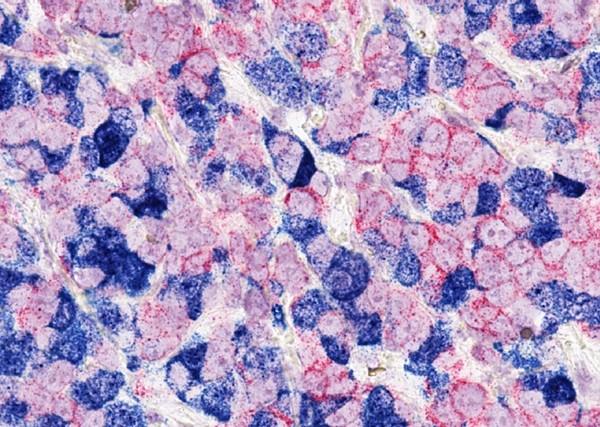
레루골릭스는 뇌하수체에서 호르몬 GnRH에 대한 수용체와 결합하며 뇌하수체에 의한 다른 호르몬의 생성을 감소시키고 결과적으로 고환에서 만들어지는 테스토스테론(고환에서 생산되는 남성 호르몬)을 감소시킨다.
미국 식품의약국(FDA)의 승인을 받은 신약이 전립선암에 걸린 일부 남성들의 치료에 즉각 영향을 미칠 것으로 보인다. 대규모 임상 실험에서, 레루골릭스(상표명 : 오르고빅스)라는 약은 전립선암이 진행된 남성의 테스토스테론 수치를 감소시키는데, 일반적으로 사용되는 다른 치료제인 류프로라이드(상표명 : 루프론)보다 더 효과적인 것으로 나타났다.
테스토스테론 호르몬의 생성을 막는 치료법이 수십 년 동안 전립선암 치료의 초석이 되어왔다. 안드로겐 결핍 요법으로 알려진 이 치료법들은 자동차의 연료 탱크에 차단제를 넣는 것과 유사하다. 즉 전립선 종양의 성장 및 확산에 필요한 연료를 박탈하는 것이다.
이번 임상시험에서 릴루골릭스는 또한 심각한 심장 문제를 일으킬 가능성이 류프로라이드보다 훨씬 낮았다"고 승인이 근거가 되었던 “HERO” 시험을 이끌었던 캐롤라이나 비뇨기 연구센터의 닐 쇼어 박사는 말했다. 쇼어 박사는 "이것이 중요하다"며 "루프롤라이드와 다른 안드로겐 결핍요법 약물들이 심장마비나 심부전을 포함한 심장 질환의 위험 증가와 연관되어 있기 때문"이라고 말했다.
쇼어 박사는 "저에게는 이번 승인이 매우 중요하다"고 말했다. 테스토스테론과 심장 관련 효과에 관한 안전성을 감소시키는 뛰어난 능력을 감안할 때, 쇼어 박사는 "레루골릭스가 전립선암이 진행된 남성들에게 안드로겐 결핍 치료가 바람직한 선택이어야 한다는 것은 더할 나위 없이 주장할 수 있다"고 말했다.
노스웨스턴대 로버트 H 루리 암센터에서 전립선암을 전문적으로 치료하는 알리샤 모건스 박사도 대체로 동의했다.
"저는 이것이 전립선암에 걸린 남성들을 위한 새로운 치료 기준이라고 생각합니다," 라고 모건스 박사가 말했다. "이것은 의미 있고 효과적으로 테스토스테론 수치를 낮췄는데, 이것은 우리가 전립선암을 조절하기 위해 조작하는 것입니다"
"모든 환자의 모든 안드로겐 결핍 치료(ADT) 선택지를 반드시 대체할 수는 없지만, 이는 분명 안전하고 효과적인 것으로 보이는 새로운 표준"이라고 그녀는 계속 말했고, 특히 심장 관련 위험에 대해 염려하는 남성들에게는 더욱 그러했다.
테스토스테론 뒤쫓기
전립선에 국한된 전립선암은 전형적으로 수술이나 방사선 치료로 치료된다. 일단 그것이 전립선을 넘어 인근 조직이나 몸의 다른 부분(예: 뼈, 간)으로 퍼지면, 일반적으로 안드로겐 결핍 치료(ADT)가 사용된다.
ADT를 위한 여러 약품이 사용 가능하지만 미국에서 가장 일반적으로 사용되는 옵션은 류프로라이드이다. 황체형성호르몬 방출호르몬LHRH 작용제(GnRH 작용제라고도 함)로 알려진 류프로라이드는 뇌 속의 작은 기관인 뇌하수체에 작용하여 고환에 의한 테스토스테론의 생성을 감소시키는 호르몬 생산을 담당한다. 보통 몇 달마다 한 번씩 근육에 주사를 놓아 환자에게 투여한다.
테스토스테론의 생성을 약물과 함께 매우 낮은 수준으로 줄이는 것을 의학적(또는 화학적) 거세라고 부르는데, 이는 테스토스테론이 고환의 외과적 제거와 같은 결과를 얻기 때문이다.
릴루골릭스는 GnRH(또는 LHRH) 길항제라고 알려져 있다. 뇌하수체에도 작용하지만, 테스토스테론 생성을 더 직접적으로, 그리고 빠르게 차단하는 방식으로 작용한다. 게다가, 그것은 환자들이 매일 먹는 알약이다.
테스토스테론의 흔적
전립선에서 테스토스테론의 생성은 뇌의 시상하부에 의해 GnRH라고 불리는 호르몬이 분비되면서 시작된다. 생식선 자극호르몬 방출호르몬(GnRH)은 특별한 수용체를 통해 뇌하수체에 결합되어 뇌하수체에게 두 개의 다른 호르몬인 LH와 FSH를 생성하게 한다. 이 호르몬들은 남성들에게 고환으로 테스토스테론을 만들고 여성에게는 난소로 하여금 에스트로겐과 프로게스테론을 만들게 한다.
"ADT는 우리가 반드시 개선되어야 한다고 생각했던 것은 아니었습니다. 왜냐하면 우리는 수십 년 동안 좋은 약으로 테스토스테론을 낮추기 위한 좋은 전략을 가지고 있었기 때문입니다."라고 모건스 박사는 말했다. 그녀는 "우리가 오랫동안 해왔던 어떤 것이었고 그것을 개선하기 위해 노력했기 때문에, 릴루골릭스와 같은 약물의 개발은 중요하다"고 덧붙였다.
테스토스테론 억제 개선과 심장의 위험 감소
여전히 종양이 테스토스테론(호르몬 민감성 전립선암으로 알려져 있음)에 의존한 전립선암이 진행된 남성 900여 명이 레루골릭스의 제조사인 미오반트 사이언스(Myovant Sciences)가 후원한 HERO 실험에 등록했다.
참가자들에게 무작위로 48주 동안 매일 레루골릭스를 복용하거나 같은 기간 동안 3개월마다 류프로라이드 주사를 맞도록 했다.
레루골릭스로 치료받은 남성의 약 97%가 48주 동안 테스토스테론 수치를 매우 낮게 유지했고, 류프로라이드 치료를 받은 남성의 89%와 비교되었다. 게다가, 레루골릭스 그룹의 남성들은 치료를 중단한 후 몇 달 내에 정상 테스토스테론 수치로 복귀할 수 있는 것을 포함하여, 몇 가지 다른 조치들을 훨씬 더 잘 수행하였다.
쇼어 박사는 "후자의 발견은 매우 중요하다"고 말했다. 그는 테스토스테론을 장기간 억제하면 피로와 일과성 열감, 뼈 질환 등 부작용이 클 수 있다고 설명했다. 그리고 임상 실험에서는 ADT가 방사선 치료와 함께 투여되는 경우와 같이 짧은 기간 동안만 사용될 수 있다.
"그러므로 ADT를 중단한 후 테스토스테론 수치가 정상 수치로 더 빨리 돌아온다면, 저에게는 정말 긍정적인 것"이라고 그는 말했다.
설사는 레루골릭스로 치료받은 남성에게 더 흔했지만, 부작용은 일반적으로 두 치료 그룹에서 모두 유사했다. 하지만 가장 큰 차이점은 심장에 미치는 영향이었다. 류프로라이드 그룹의 남성 2배(6.2% 대 2.9%)는 '주요 심혈관 이상 증상'을 보였는데, 여기에는 비 치명적인 심장마비나 뇌졸중이 포함된다.
HERO 시험 조사관들이 심장 질환의 이력이 있는 남성들을 특별히 조사했을 때, 이러한 심장 부작용의 빈도의 차이는 훨씬 더 극명했다. 류프로라이드 그룹 17.8% 대 레루골릭스 그룹 3.6%였다.
쇼어 박사는 류프로라이드와 같은 LHRH의 작용제들과 장기간의 ADT와 관련된 잠재적 심장 위험들이 지난 10년 동안 더욱 뚜렷하게 부각되었다고 말했다. 그는 암 치료제의 심장 부작용을 전문적으로 연구하고 치료하는 동료들과의 토론에서 "ADT를 받는 전형적인 남성이 심장질환을 일으킬 가능성이 30~40% 이상이라고 말해왔다"고 말을 이었다.
일상적인 관리에 미치는 영향
국립암연구소의 암 연구 센터에 있는 비뇨생식기과의 파티마 카르자이 박사는 레루골릭스가 전립선암에 걸린 남성들에게 "흥미로운 선택지"라고 말했다. 카르자이 박사는 "이 약의 가장 확실한 역할은 심혈관 질환을 앓고 있는 진행성 전립선암 환자들에게 있을 것"이라고 말했다.
레루골릭스를 투여 받은 실험 참가자들은 심각한 심장 질환에 걸릴 위험이 50% 이상 낮았지만, 왜 이것이 심장에 덜 위협을 주는지는 정확히 알 수 없다고 그녀는 말했다. 그녀는 일부 연구에서 이 두 약물이 어떻게 작용하느냐의 차이가 심혈관계의 플라크 퇴적물에 어떻게 영향을 미치는지에 대해서도 영향을 미칠 수 있다고 언급했다.
레루골릭스는 FDA의 승인을 받아 전립선암에 걸린 남성들을 치료한 최초의 GnRH 길항제도 아니다. 데가릭스(상표명 : 퍼마곤)는 10여 년 전에 승인되었다. 다만 데가릭스는 매달 주사로 투여되며 주사 부위에 심한 통증을 유발해 사용이 크게 제한될 수 있다.
카르자이 박사는 환자 치료에 레루골릭스를 사용하는 것에 대해 여전히 의문이 있다고 언급했다. 예를 들어, 몇 달에 한 번씩 류프로라이드나 관련 약물을 주사만 맞으면 되는 것과 달리, 매일 약을 복용해야 하는 남성들의 성 능력에 문제가 있을 수 있다.
모건스 박사는 이것이 걱정거리가 될 수 있다는 것에 동의했지만, 더 진행된 형태의 전립선암을 가진 남성들도 알약으로 복용하는 다른 약들을 복용하고 있으며, 처방대로 그것들을 사용하는 데 일반적으로 좋은 방법이었다고 언급했다.
모건스 박사는 주사를 맞기 위해 진료실로 이동하지 않고도 집에서 약을 먹을 수 있는 능력은 확실히 좋은 결과를 가져다준다고 말했다.
2021년 1월 26일 : 국립암연구소 제공
Relugolix Approval Expected to Alter Treatment for Advanced Prostate Cancer
January 26, 2021, by NCI Staff
Relugolix effects for advanced prostate cancer
Relugolix binds to receptors for the hormone GnRH on the pituitary gland, decreasing the production of other hormones by the pituitary and, consequently, testosterone by the testes.
A new drug approved by the Food and Drug Administration (FDA) is expected to immediately affect the treatment of some men with prostate cancer. In a large clinical trial, the drug, relugolix (Orgovyx), was shown to be more effective at reducing testosterone levels in men with advanced prostate cancer than another commonly used treatment, leuprolide (Lupron).
Treatments that block the production of the hormone testosterone by the testes have been the cornerstone of advanced prostate cancer treatment for several decades. Known as androgen deprivation therapy (ADT), these treatments are akin to putting a stopper in a car’s gas tank: robbing prostate tumors of the fuel they need to grow and spread.
In the clinical trial, relugolix was also much less likely than leuprolide to cause serious heart issues, said Neal Shore, M.D., of the Carolina Urologic Research Center, who led the clinical trial on which the approval was based, called HERO. That’s important, Dr. Shore said, because leuprolide and other ADT drugs have been linked with an increased risk of cardiac events, including heart attacks and heart failure.
“For me, this [approval] is significant,” Dr. Shore said. “Many of the patients we start on testosterone suppression are at risk of having a cardiac complication.”
Given its superior ability to reduce testosterone and safety with regard to heart-related effects, Dr. Shore said, “it’s perfectly arguable” that relugolix should be the preferred choice for ADT in men with advanced prostate cancer.
Alicia Morgans, M.D., who specializes in treating prostate cancer at the Robert H. Lurie Cancer Center of Northwestern University, generally agreed.
“I believe this is a new standard of care for men with [advanced] prostate cancer,” Dr. Morgans said. “It meaningfully and effectively lowered testosterone levels, which is what we manipulate to try to control prostate cancer.”
It may not “necessarily replace every [ADT] option for every patient, but it’s definitely a new standard that appears safe and effective,” she continued, especially for men concerned about any potential heart-related risks.
Going After Testosterone
Prostate cancer that is confined to the prostate is typically treated with surgery or radiation therapy. Once it advances beyond the prostate, either to nearby tissues or to other parts of the body (e.g., bones, liver), ADT is typically used.
Although several drugs for ADT are available, in the United States leuprolide is the most commonly used option. Known as an LHRH agonist (also called a GnRH agonist), leuprolide acts on the pituitary gland—a tiny organ within the brain that is responsible for producing a hormone that eventually decreases the production of testosterone by the testicles. It is given to patients as an injection into muscle, typically every few months.
Reducing the production of testosterone to very low levels with drugs is often called medical (or chemical) castration, because it achieves the same results as surgical removal of the testes.
Relugolix is known as a GnRH (or LHRH) antagonist. It also acts on the pituitary gland, but in a way that more directly and rapidly blocks testosterone production in the testes. In addition, it is a pill that patients take every day.
Testosterone’s Trail
Testosterone’s production in the prostate begins with the release of a hormone called GnRH by the hypothalamus in the brain. The GnRH then binds to the pituitary gland, via a special receptor, causing the pituitary to produce two other hormones, LH and FSH. In men, these hormones cause the testicles to make testosterone, and in women they cause the ovaries to make estrogen and progesterone.
ADT “wasn’t necessarily something we thought would be improved upon, because … we’ve had good strategies to lower testosterone with good medications for decades,” Dr. Morgans said. The development of drugs like relugolix is important, she added, because it “took something we’ve been doing forever and tried to make it better.”
Improved Testosterone Suppression, Lower Cardiac Risks
More than 900 men with advanced prostate cancer whose tumors still relied on testosterone (known as hormone-sensitive prostate cancer) were enrolled in the HERO trial, which was funded by Myovant Sciences, the manufacturer of relugolix.
Participants were assigned at random to take relugolix daily for 48 weeks or to receive leuprolide injections every 3 months for the same length of time.
Approximately 97% of men treated with relugolix reached and maintained very low testosterone levels through 48 weeks, compared with 89% of men who received leuprolide. In addition, men in the relugolix group also did substantially better on several other measures, including being able to return to normal testosterone levels within a few months of stopping therapy.
The latter finding is “very important,” Dr. Shore said. Suppressing testosterone for long periods can lead to significant side effects, he explained, including fatigue, hot flashes, and bone problems. And in clinical practice, ADT might only be used for short periods, such as when it’s being given along with radiation therapy.
“So if your testosterone level returns to normal values faster after stopping ADT, that to me is a real positive,” he said.
Side effects were generally similar in both treatment groups, although diarrhea was more common in men treated with relugolix. The biggest difference, though, was the effect on the heart: Twice as many men in the leuprolide group than in the relugolix group (6.2% versus 2.9%) had a “major adverse cardiovascular event,” which included nonfatal heart attack or a stroke.
When the HERO trial investigators looked specifically at men who had a history of heart problems, the difference in the frequency of these cardiac side effects was even more stark: 17.8% in the leuprolide group versus 3.6% in the relugolix group.
The potential heart risks associated with long-term ADT with LHRH agonists such as leuprolide have come into sharper focus over the past decade, Dr. Shore said. In discussions with colleagues who specialize in studying and treating the cardiac effects of cancer treatments, he continued, “they’ve told me that the likelihood of a typical man undergoing ADT having a major cardiac event is upwards of 30% to 40%.”
Impact on Everyday Care
Fatima Karzai, M.D., of the Genitourinary Malignancies Branch in NCI’s Center for Cancer Research, called relugolix “an exciting option” for men with advanced prostate cancer. Its most obvious role will be in men with advanced prostate cancer who also have cardiovascular disease, Dr. Karzai said.
Although trial participants who received relugolix had a more than 50% lower risk of serious cardiac events, she said it’s unclear exactly why it poses less of a threat to the heart. Some studies have suggested, she noted, that the difference in how the two drugs work may also influence how they affect plaque deposits in the cardiovascular system.
Relugolix is not the first GnRH antagonist to be approved by FDA to treat men with advanced prostate cancer. Degarelix (Firmagon) was approved more than a decade ago. However, degarelix is given as a monthly injection, and the injections can cause intense pain at the injection site, greatly limiting its use.
Dr. Karzai noted that there are still questions about using relugolix in patient care. For example, there might be problems with men’s ability to take a pill every day, as opposed to only having to get an injection of leuprolide or related drugs every few months.
Dr. Morgans agreed that this could be a concern but noted that men with more advanced forms of prostate cancer also receive other drugs that are taken as pills and have been generally good about using them as prescribed.
The ability to take a pill at home rather than having to travel to the doctor’s office for an injection definitely offers an upside, Dr. Morgans said. “It’s nice for patients to have that control.”
암스쿨에 게재된 기사는 미국국립암연구소(NCI), 미국암협회(ACS), 국립암센터(NCC), 일본국립암연구소(NCCJ), 엠디앤더슨암센터(MD Anderson Cancer Center) 등 검증된 기관의 검증된 자료를 토대로 작성되었습니다.
이 글은 2021년 3월 작성 시점의 정보입니다. 치료 기준·급여 정보는 바뀌었을 수 있으니, 진료와 치료 결정은 반드시 담당 의료진과 상의하세요.