코로나 바이러스, 암환자들의 Q&A
2021.03.08 · amschool
코로나 바이러스, 즉 COVID-19는 무엇인가
코로나바이러스는 사람과 많은 다른 종류의 동물들에게 흔한 바이러스의 큰 종류이다. 사스-CoV-2는 코로나바이러스 2019라는 이름의 호흡기 질환의 대유행을 일으킨 새로운 코로나바이러스로서, COVID-19로 약칭된다.
암에 걸리면 COVID-19에 걸릴 위험이 높은가
올해 독감 백신을 맞는 것은 현재 진행 중인 COVID-19 전염병 때문에 그 어느 때보다 중요하다. 특히 암 환자들에게 중요하다. 그들은 더 심각한 형태의 독감과 COVID-19에 더 높은 위험에 처할 수 있기 때문이다.
사스-CoV-2는 새로운 바이러스이기 때문에 이 바이러스에 노출된 사람은 누구나 감염되어 COVID-19에 걸릴 위험이 있다.
암이 있으면 COVID-19에 의한 중병의 위험이 증가한다. 또한 노년기 및 다음과 같은 기타 질환을 포함하여 COVID-19로 인한 중증 질환에 대한 위험도 증가한다.
• 만성 신장병
• 만성폐쇄성폐질환(COPD)
• 심부전, 관상동맥질환, 심장병 등의 심장질환
• 장기이식으로 인한 면역체계 약화
• 비만
• 임신
• 겸상(낫 모양) 적혈구 빈혈
• 흡연
• 제2형 당뇨병
난 암 생존자이다. COVID-19에 의한 중병의 위험이 높나
현재, 암의 이력이 있는 것이 COVID-19에 의한 중병에 대한 위험을 증가시키는지 여부는 알려지지 않았다. 과거에 암 치료를 받은 사람들은 그들의 의사와 COVID-19에 대한 걱정을 의논할 수 있다.
지금 암에 걸렸거나 과거에 암에 걸렸다면 코로나 바이러스 백신을 맞아야 하나
2020년 12월 COVID-19를 최초로 예방하는 백신이 미국 식품의약국(FDA)의 허가와 권고를 받았으며, 다른 백신도 보급될 가능성이 높다.
암과 같은 기저질환에 걸린 사람들을 포함한 사람들은 예방 접종을 받을 수 있다. 즉, 백신의 어떤 구성 요소에 대한 심각한 알레르기 반응(예 : 아나필락시스 초 과민 반응 )의 이력이 없는 경우 해당된다.
임상 실험에서 백신의 안전성과 효능은 COVID-19로부터 중증 질환의 위험을 증가시키는 기저질환을 가진 사람들과 그러한 질환이 없는 사람들에게 유사하다는 것을 보여주었다. 그리고 독감과 같은 다른 감염을 위한 백신은 안전하고 암환자들에게도 권장된다.
그러나 기저질환 또는 면역 억제 요법으로 인해 면역 체계가 손상된 사람들의 COVID-19 백신의 안전성과 효과에 대한 더 많은 데이터가 필요하다. 이러한 개인들이 백신에 대해 더 약한 반응을 보일 가능성이 있다.
백신을 접종한 사람들은 COVID-19 감염으로부터 스스로를 보호하기 위해 현재 모든 지침을 계속 따라야 한다.
자신을 보호할 수 있는 다른 방법은 무엇일까
백신이 널리 보급될 때까지 COVID-19를 예방하는 가장 효과적인 방법은 COVID-19를 유발하는 바이러스에 노출되는 것을 피하는 것이다. 질병관리본부에 따르면, 노출을 피하는 가장 좋은 방법은 다른 사람들과의 인간적인 상호작용을 가능한 한 제한하는 것이다.
질병관리본부는 또한 COVID-19로 인해 심각한 질병에 걸릴 위험이 높은 사람들이 건강을 유지하도록 돕기 위해 다음과 같은 조치를 권고한다.
• 자신의 눈, 코, 입을 만지지 않는다.
• 특히 화장실에 다녀온 후, 식사 전, 코풀기, 기침, 재채기 후, 그리고 다른 사람들과 접촉하기 전과 후에 적어도 20초 동안 비누와 물로 손을 자주 씻는다.
• 가능한 한 집에 머문다.
• 집에 장기간 있어야 할 경우 몇 주간의 약과 용품을 사용할 수 있도록 준비한다.
• 도어 손잡이, 조명 스위치, 키보드, 카운터 톱, 전화기, 손잡이, 수도꼭지, 싱크대, 화장실 등 자주 만지는 표면을 청소하고 소독한다.
다른 사용자와 상호 작용해야 하는 경우
• 다른 사람으로부터 최소 2m 떨어진 곳에 있어야 한다.
• 붐비는 곳을 피한다.
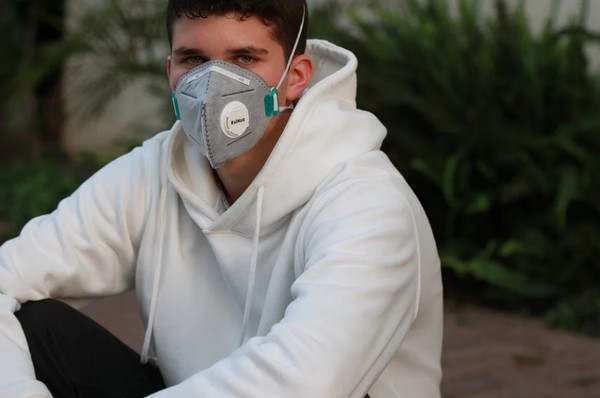
• 마스크를 착용하고, 제거할 때 눈, 코, 입이 닿지 않도록 주의하며, 마스크를 만지거나 벗은 후에는 가능한 한 빨리 손을 씻는다.
나는 의료 시설에서 암 치료를 받고 있다. 치료를 받으려면 어떻게 해야 하나
만약 당신이 암 치료를 받고 있다면, 당신은 당신의 의료 제공자의 지침을 따라야 한다. 암환자를 치료하는 의사들은 암 치료와 사후 검진을 언제 어떻게 수행하느냐가 달라졌을 것이다.
어떤 암 치료는 안전하게 지연시킬 수 있는 반면, 어떤 암 치료법은 그렇게 할 수 없다. 일부 일상적인 사후관리 방문은 원격진료를 통해 안전하게 지연되거나 수행될 수 있다.
나는 의료 시설에서 임상 실험에 참여하고 있다. 어떻게 해야 하나
암 치료 임상시험 중인 경우 임상시험 연구팀에 전화를 걸어 해당 지침을 따른다. NCI의 의사와 과학자들은 미국 전역과 캐나다에서 NCI가 후원하는 임상시험을 수행하는 의사 및 의료진과 협력하여 임상시험에 등록된 환자에게 치료를 제공하는 현재의 과제를 해결하기 위해 임상시험 네트워크 내에서 특정 조치를 시행하고 있다. 각 임상시험 참가자의 건강은 연구소의 가장 중요한 관심사이며, NCI는 임상시험 치료가 어떻게 완료될 수 있는지, 언제 검사와 평가를 해야 하는지에 대해 유연한 태도를 보이고 있다.
환자의 안전을 보장하기 위해 각 프로토콜을 감독하는 기관 검토 위원회는 환자 안전을 유지하면서 유연성을 제공하는 변경을 위해 조사원과 협력하고 있다.
감염 증상이 있으면 어떻게 해야 하나
만약 여러분이 COVID-19에 노출되었거나 감염의 증상이 있다고 생각되면, 다른 사람들과 자신을 격리시키고 여러분의 의료 제공자에게 전화하라. 코로나 바이러스 검사를 받아야 할 수도 있다.
지금은 스트레스를 많이 받는 시기인데 어떻게 대처해야 하나
코로나 바이러스 앞에서 암에 대처하는 것은 여러분이 대처하는 데 익숙하지 않은 다양한 감정을 불러일으킬 수 있다. 여러분이 가질 수 있는 감정과 그것에 대처하는 방법에 대해 더 배우는 것이 좋다.
업데이트: 2021년 1월 7일
Coronavirus: What People with Cancer Should Know
Updated: January 7, 2021
1. What is coronavirus, or COVID-19?
Coronaviruses are a large family of viruses that are common in people and many different species of animals. SARS-CoV-2 is a novel (new) coronavirus that has caused a pandemic of respiratory disease named coronavirus disease 2019, which is abbreviated COVID-19.
As the situation evolves the risk assessment will be updated as needed.
2. If I have cancer, am I at higher risk of getting COVID-19?
Getting a flu vaccine this year is more important than ever because of the ongoing COVID-19 pandemic. It is especially important for people with cancer, as they may be at a higher risk for more severe forms of the flu and COVID-19.
Because SARS-CoV-2 is a new virus, anyone who is exposed to it is at risk of becoming infected and developing COVID-19.
Having cancer increases your risk of severe illness from COVID-19. Other factors also increase your risk for severe illness from COVID-19, including older age and other medical conditions, such as:
•chronic kidney disease
•chronic obstructive pulmonary disease (COPD)
•heart conditions, such as heart failure, coronary artery disease, or cardiomyopathies
•a weakened immune system from an organ transplantation
•obesity
•pregnancy
•sickle cell disease
•smoking
•type 2 diabetes
3. I am a cancer survivor. Am I at higher risk for severe illness from COVID-19?
At this time, it is not known whether having a history of cancer increases your risk for severe illness from COVID-19. People who have been treated for cancer in the past may want to discuss their concerns about COVID-19 with their doctors.
4. If I have cancer now or had it in the past, should I get a coronavirus vaccine?
In December 2020, the first vaccines to prevent COVID-19 were authorized and recommended by the US Food and Drug Administration, and other vaccines are likely to become available.
People, including those with underlying medical conditions such as cancer, may get vaccinated if they have no contraindications—that is, no history of severe allergic reaction (e.g., anaphylaxis) to any component of the vaccine.
Clinical trials have shown that the safety and efficacy of the vaccines are similar in people with underlying medical conditions that put them at increased risk for severe illness from COVID-19 and in people without those conditions. And vaccines for other infections, like the flu, are safe and recommended for people with cancer.
However, more data are needed on the safety and efficacy of COVID-19 vaccines in people with compromised immune systems due to an underlying medical condition or immunosuppressive therapies. It is possible that these individuals may have a weaker response to the vaccine.
People who have received the vaccine should continue to follow all current guidance to protect themselves against COVID-19 exposure.
5. What are other ways that I can protect myself?
Until vaccines become widely available, the most effective way to prevent COVID-19 is to avoid being exposed to the virus that causes it. According to CDC, the best way to avoid exposure is to limit in-person interactions with other people as much as possible.
CDC also recommends the following actions to help people at high risk for developing serious illness from COVID-19 stay healthy:
•Avoid touching your eyes, nose, and mouth.
•Wash your hands often with soap and water for at least 20 seconds, especially after going to the bathroom; before eating; after blowing your nose, coughing, or sneezing; and before and after coming in contact with others.
•Stay home as much as possible.
•Make sure you have access to several weeks of medication and supplies in case you need to stay home for prolonged periods of time.
•Clean and disinfect frequently touched surfaces, including doorknobs, light switches, keyboards, countertops, phones, handles, faucets, sinks, and toilets.
If you must interact with others:
•Stay at least 6 feet away from other people.
•Avoid crowded places.
•Wear a mask; be careful not to touch your eyes, nose, or mouth when removing it; and wash your hands as soon as possible after touching or removing your mask.
NCI provides tips and resources for the cancer community to prepare for any emergency.
6. I receive cancer treatment at a medical facility. What should I do about getting treatment?
If you are receiving treatment for cancer, you should follow your health care provider’s guidance. Doctors treating patients with cancer may have changed when and how cancer treatment and follow-up visits are carried out.
Some cancer treatments can be safely delayed, whereas others cannot. Some routine follow-up visits may be safely delayed or conducted through telemedicine. If you take oral cancer drugs, you may be able to have prescribed treatments sent directly to you, so you don’t have to go to a pharmacy. A hospital or other medical facility may ask you to go to a specific clinic, away from those treating people sick with coronavirus.
The coronavirus situation is still changing, with states and cities making changes in how they are handling quarantine and critical health care, so check with your provider as needed.
7. I participate in a clinical trial at a medical facility. What should I do?
If you are in a cancer treatment clinical trial, please call your clinical trial research team and follow their guidance.
Physicians and scientists at NCI have worked with doctors and health care staff who carry out NCI-sponsored clinical trials across the United States and in Canada to implement specific measures within our clinical trials networks to address the current challenges of providing care to patients enrolled in clinical trials. The health of each clinical trial participant is the institute’s most important concern, and NCI is flexible about how clinical trial treatments can be completed and when tests and assessments must be done.
The Institutional Review Boards that oversee each protocol to ensure the safety of patients is working with investigators to make changes that will provide flexibility while maintaining patient safety.
More information can be found on Cancer Clinical Trials during Coronavirus: Information for People with Cancer.
8. What should I do if I have symptoms of an infection?
If you think you have been exposed to COVID-19 or have symptoms of an infection, isolate yourself from others and call your health care provider. You may need to get tested for coronavirus.
9. This is a stressful time. How do I cope?
Coping with cancer in the face of the coronavirus can bring up a wide range of feelings you’re not used to dealing with. Learn more about feelings you may have and ways to cope with them.
암스쿨에 게재된 기사는 미국국립암연구소(NCI), 미국암협회(ACS), 국립암센터(NCC), 일본국립암연구소(NCCJ), 엠디앤더슨암센터(MD Anderson Cancer Center) 등 검증된 기관의 검증된 자료를 토대로 작성되었습니다.
이 글은 2021년 3월 작성 시점의 정보입니다. 치료 기준·급여 정보는 바뀌었을 수 있으니, 진료와 치료 결정은 반드시 담당 의료진과 상의하세요.