분변 이식은 진행성 흑색종 환자들이 면역요법에 반응할 수 있도록 돕는다
2021.03.08 · amschool
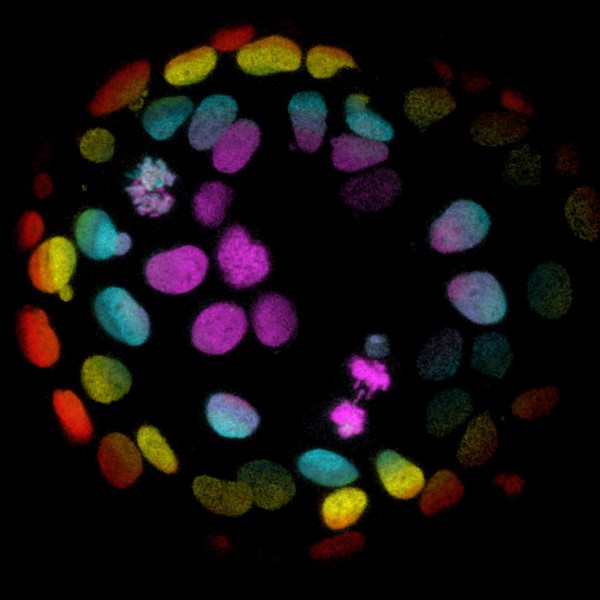
특정 분변 미생물을 환자의 대장에 삽입하는 것은 환자가 면역 치료 약물에 반응하는 것을 도울 수 있다.
새로운 연구에 따르면, 면역 치료 약물에 반응하지 않는 암의 경우, 대변을 통해 장내 미생물(내장 마이크로바이옴)의 구성을 조정하는 이식은 이러한 개인들 중 일부가 면역 치료 약물에 반응하는 데 도움이 될 수 있다고 한다. 국립 보건원의 소속인 국립암연구소(NCI)의 연구원들은 피츠버그 대학의 UPMC 힐만 암 센터의 조사자들과 공동으로 연구를 수행했다.
이번 연구에서 초기에는 면역요법의 일종인 면역관문 억제제로 치료에 반응하지 않았던 일부 진행성 흑색종 환자는 약물에 반응한 환자로부터 분변 미생물군 이식을 받은 뒤 약물에 반응했다. 그 결과는 환자의 대장에 특정한 배설물 미생물을 도입하는 것이 환자가 종양 세포를 인식하고 죽이는 면역 시스템의 능력을 향상시키는 약물에 반응하는 데 도움이 될 수 있다는 것을 시사한다. 그 발견은 2021년 2월 4일 미국 국제학술지 ‘사이언스’에 게재되었다.
연구 공동 책임자인 조르지오 트린치에리 국립암연구소의 암 연구센터 통합암면역학연구소장은 "최근 PD-1과 PD-L1 억제제로 불리는 면역치료제가 특정 유형의 암 환자에게 많은 혜택을 주고 있지만 암이 반응하지 않는 환자에게 도움이 될 수 있는 새로운 전략이 필요하다"고 말했다. "우리의 연구는 내장 의 구성을 변화시키는 것이 면역 요법에 대한 반응을 향상시킬 수 있다는 것을 환자들에게 처음으로 증명한 것 중 하나입니다. 이 데이터는 내장 미생물군집이 암의 치료 대상이 될 수 있다는 개념의 증거를 제공한다"
트린치에리 박사는 면역요법 약물에 대한 종양의 내성을 극복하는 데 중요한 특정 미생물을 식별하고 관련된 생물학적 메커니즘(기제)을 조사하기 위해 더 많은 연구가 필요하다고 덧붙였다.
연구에 따르면 장에 있는 박테리아와 바이러스의 공동체는 면역 체계와 화학요법과 면역요법에 대한 반응에 영향을 미칠 수 있다고 한다. 예를 들어 면역치료제에 반응하지 않는 종양을 가진 쥐가 약물에 반응한 쥐로부터 특정 내장 미생물을 받으면 반응하기 시작할 수 있다는 기존 연구 결과가 나왔다.
내장 미생물군집(마이크로바이옴)을 바꾸면 면역요법 약물에 저항하는 종양들의 미세 환경을 '재 프로그래밍'하여 이러한 약으로 치료하는데 더 유리할 수 있다고 트린치에리 박사는 지적했다.
분변 이식이 안전하고 암 환자들이 면역 요법에 더 잘 반응하는 데 도움이 될 수 있는지를 테스트하기 위해, 트린치에리 박사와 그의 동료들은 진행된 흑색종 환자들을 위한 소규모 한 부문의 임상 실험을 개발했다. 환자의 종양은 단독으로 또는 다른 약물과 함께 투여된 면역관문 억제제 펨브롤리주맙(Keytruda) 또는 니볼루맙(Opdivo)으로 1회 이상의 치료에는 반응하지 않았다. 면역 체크포인트 억제제는 면역체계가 종양세포를 공격하는 것을 막아주는 브레이크를 풀어준다.
이번 연구에서 펨브롤리주맙에 반응했던 진행성 흑색종 환자로부터 얻은 이식된 분변을 분석해 감염물질이 전염되지 않도록 했다. 식염수 등의 용액으로 치료한 뒤 대장내시경 검사를 통해 분변 이식을 환자의 대장으로 전달했고, 환자 한 명당 펨브롤리주맙도 투여 받았다.
이러한 치료 후, 원래 펨볼리주맙이나 니볼루맙에 반응하지 않았던 환자 15명 중 6명은 종양 감소나 장기적인 질병 안정으로 반응했다. 이들 환자 중 한 명은 2년 이상 경과한 부분적 반응을 보였고 여전히 연구원들이 따르고 있으며, 다른 네 명의 환자는 여전히 치료를 받고 있으며 1년 넘게 아무런 질병 진행도 보이지 않고 있다.
환자들 중 일부는 피로를 포함한 펨브롤리주맙과 관련된 사소한 부작용을 경험했지만, 치료는 잘 받아들여졌다.
조사관들은 모든 환자의 내장 미생물군을 분석했다. 암이 안정되거나 호전된 6명의 환자는 T세포라 불리는 면역세포의 활성화와 면역 체크포인트 억제제에 대한 반응과 관련된 세균의 수가 증가한 것으로 나타났다.
또한, 연구진은 체내의 단백질과 대사물에 대한 데이터를 분석함으로써 이식에 반응한 환자들에게서 생물학적 변화를 관찰했다. 예를 들어 면역요법에 대한 내성과 관련된 면역체계 분자의 수준은 감소했고, 반응과 관련된 바이오 마커의 수준은 증가했다.
연구진은 연구 결과를 토대로 결과를 확인하고 결국 장내 미생물물군집을 변화시키는 치료로 가장 많은 이득을 볼 수 있는 환자를 선별하는 데 사용될 수 있는 생물학적 표지를 식별하기 위해 더 큰 임상시험을 실시해야 한다고 제안한다.
이번 연구의 공동저자인 NCI 암 연구센터의 아미란 드주체프 박사는 "향후 연구에서 면역치료제에 반응하지 않는 환자를 반응하는 환자로 전환할 수 있는 미생물이 어떤 집단인지 밝혀낼 수 있을 것으로 기대한다"고 말했다. "반응을 보인 환자나 건강한 기증자의 경우일 수 있다. 연구자들이 면역요법에 대한 반응에 중요한 미생물을 식별할 수 있다면 배설물 이식을 하지 않고도 이 생물을 필요한 환자에게 직접 전달할 수 있을 것"이라고 덧붙였다.
이번 임상시험은 펨볼리주맙 제조사인 머크와 공동으로 실시됐다.
게시 : 2021년 2월 4일
Fecal microbiota transplants help patients with advanced melanoma respond to immunotherapy
Posted : February 4, 2021
Introducing certain fecal microorganisms into a patient’s colon may help the patient respond to immunotherapy drugs.
For patients with cancers that do not respond to immunotherapy drugs, adjusting the composition of microorganisms in the intestines—known as the gut microbiome—through the use of stool, or fecal, transplants may help some of these individuals respond to the immunotherapy drugs, a new study suggests. Researchers at the National Cancer Institute (NCI) Center for Cancer Research, part of the National Institutes of Health, conducted the study in collaboration with investigators from UPMC Hillman Cancer Center at the University of Pittsburgh.
In the study, some patients with advanced melanoma who initially did not respond to treatment with an immune checkpoint inhibitor, a type of immunotherapy, did respond to the drug after receiving a transplant of fecal microbiota from a patient who had responded to the drug. The results suggest that introducing certain fecal microorganisms into a patient’s colon may help the patient respond to drugs that enhance the immune system’s ability to recognize and kill tumor cells. The findings appeared in Science on February 4, 2021.
“In recent years, immunotherapy drugs called PD-1 and PD-L1 inhibitors have benefited many patients with certain types of cancer, but we need new strategies to help patients whose cancers do not respond,” said study co-leader Giorgio Trinchieri, M.D., chief of the Laboratory of Integrative Cancer Immunology in NCI’s Center for Cancer Research. “Our study is one of the first to demonstrate in patients that altering the composition of the gut microbiome can improve the response to immunotherapy. The data provide proof of concept that the gut microbiome can be a therapeutic target in cancer.”
More research is needed, Dr. Trinchieri added, to identify the specific microorganisms that are critical for overcoming a tumor’s resistance to immunotherapy drugs and to investigate the biological mechanisms involved.
Research suggests that communities of bacteria and viruses in the intestines can affect the immune system and its response to chemotherapy and immunotherapy. For example, previous studies have shown that tumor-bearing mice that do not respond to immunotherapy drugs can start to respond if they receive certain gut microorganisms from mice that responded to the drugs.
Changing the gut microbiome may “reprogram” the microenvironments of tumors that resist immunotherapy drugs, making them more favorable to treatment with these medicines, noted Dr. Trinchieri.
To test whether fecal transplants are safe and may help patients with cancer better respond to immunotherapy, Dr. Trinchieri and his colleagues developed a small, single-arm clinical trial for patients with advanced melanoma. The patients’ tumors had not responded to one or more rounds of treatment with the immune checkpoint inhibitors pembrolizumab (Keytruda) or nivolumab (Opdivo), which were administered alone or in combination with other drugs. Immune checkpoint inhibitors release a brake that keeps the immune system from attacking tumor cells.
In the study, the fecal transplants, which were obtained from patients with advanced melanoma who had responded to pembrolizumab, were analyzed to ensure that no infectious agents would be transmitted. After treatment with saline and other solutions, the fecal transplants were delivered to the colons of patients through colonoscopies, and each patient also received pembrolizumab.
After these treatments, 6 out of 15 patients who had not originally responded to pembrolizumab or nivolumab responded with either tumor reduction or long-term disease stabilization. One of these patients has exhibited an ongoing partial response after more than two years and is still being followed by researchers, while four other patients are still receiving treatment and have shown no disease progression for over a year.
The treatment was well tolerated, though some of the patients experienced minor side effects that were associated with pembrolizumab, including fatigue.
The investigators analyzed the gut microbiota of all of the patients. The six patients whose cancers had stabilized or improved showed increased numbers of bacteria that have been associated with the activation of immune cells called T cells and with responses to immune checkpoint inhibitors.
In addition, by analyzing data on proteins and metabolites in the body, the researchers observed biological changes in patients who responded to the transplant. For example, levels of immune system molecules that are associated with resistance to immunotherapy declined, and levels of biomarkers that are associated with response increased.
Based on the study findings, the researchers suggest that larger clinical trials should be conducted to confirm the results and identify biological markers that could eventually be used to select patients who are most likely to benefit from treatments that alter the gut microbiome.
“We expect that future studies will identify which groups of bacteria in the gut are capable of converting patients who do not respond to immunotherapy drugs into patients who do respond,” said Amiran Dzutsev, M.D., Ph.D., of NCI’s Center for Cancer Research, co-first author of the study. “These could come from patients who have responded or from healthy donors. If researchers can identify which microorganisms are critical for the response to immunotherapy, then it may be possible to deliver these organisms directly to patients who need them, without requiring a fecal transplant,” he added.
The clinical trial was conducted in collaboration with Merck, the maker of pembrolizumab.
암스쿨에 게재된 기사는 미국국립암연구소(NCI), 미국암협회(ACS), 국립암센터(NCC), 일본국립암연구소(NCCJ), 엠디앤더슨암센터(MD Anderson Cancer Center) 등 검증된 기관의 검증된 자료를 토대로 작성되었습니다.
이 글은 2021년 3월 작성 시점의 정보입니다. 치료 기준·급여 정보는 바뀌었을 수 있으니, 진료와 치료 결정은 반드시 담당 의료진과 상의하세요.