[AACR 2020 보고서] 암의 발병 메커니즘에 대한 이해도 높이기
2020.10.29 · 전영조 전문위원
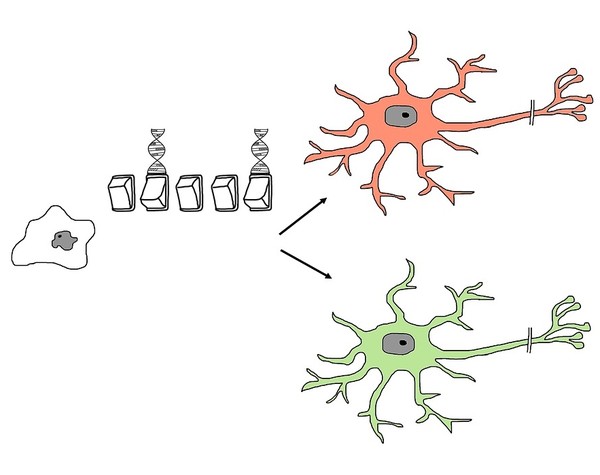
전체 암 사망률 감소와 생존자 수 증가에 의해 입증된 암에 대한 놀라운 진전은 암이 어떻게 시작하며 발병하는지에 대한 기초 과학에서의 전환과 암 연구 전반에 걸친 발견의 결과물이다. 이번 섹션에서는 AACR 2020 컨퍼런스에서 발표된 암 발병의 원인과 그 매커니즘에 대해 소개하고자 한다. 내용은 암 발병에 대한 ▲세포 내부의 영향 ▲세포 외부의 영향 ▲지금까지의 지식의 통합 순으로 기재된다.
기본 연구란 무엇이며 암과의 싸움에서 어떻게 진전을 이룩하는가?
미국립보건원(NIH)은 기초연구를 과정과 제품에 대한 응용을 하지 않고 현상의 기본적 측면과 관찰 가능한 사실의 완전한 지식이나 이해를 지향하는 체계적 연구라고 정의하고 있다. 그러나 기초 연구는 암을 포함한 인간의 질병에 대한 우리의 이해와 치료에 기본이 되기 때문에 광범위한 의미를 갖는다. NIH는 예산의 절반 이상을 기초 연구를 지원하는 데 쓰고, NIH가 지원하는 기초 연구 프로젝트는 새로운 표적 찾아내기와 약물 개발에 크게 기여하고 있다. 암 연구 분야를 변화시킨 기초 연구 발견 사례의 선별은 다음과 같다.
DNA와 그 3차원 구조의 발견은 대부분의 암의 기초인 유전적 돌연변이를 이해하는 길을 열었다
▲ 정상적인 세포의 DNA 수리에 대한 기초 연구는 수리 기제(메커니즘)의 이상이 암의 발병에 어떻게 기여할 수 있는지, 그리고 유방, 난소, 췌장 및 전립선 암 치료제의 표적 치료제의 FDA 승인으로 이어질 수 있는지를 설명했다.
면역학에 대한 수십 년간의 기초 연구는 암 치료 분야에 혁명을 일으킨 면역 치료제의 개발을 뒷받침했다
▲ NTRK 유전자의 기초 생물학을 이해하고 NTRK 유전자 융합이 여러 종류의 암의 성장을 촉진한다는 발견은 분자 표적 치료제 라로트레티닙과 엔트로티닙의 개발과 FDA 승인을 위한 기초가 되었다.
박테리아의 면역체계에 대한 기초 연구는 CRISPR 기술(유전자 가위 기술)의 발달로 이어졌으며, 암을 특성화하고 치료하는 효용성이 현재 연구되고 있다
▲ 암세포 증식에 기초하는 후생유전학적 메커니즘의 식별을 유도한 연구는 상피상 육종 치료를 위한 타제메토스타트(상표명 : 타제브릭)의 개발과 FDA 승인을 위해 매우 중요했다.
우리는 암이 정상적인 세포의 성장과 분열, 수명을 조절하는 과정이 잘못될 때 발생하는 질병들의 집합체라는 것을 이제 이해한다. 그 결과 세포는 걷잡을 수 없이 증식하기 시작하고 죽지 못하고 생존을 위한 영양소를 얻기 위한 독특한 방법을 습득하고 축적되기 시작한다.
체내 장기와 조직에서는 축적된 암세포가 종양이라고 불리는 덩어리를 형성하는 반면, 혈액이나 골수에서는 정상세포를 밀어낸다. 시간이 지남에 따라 일부 암세포는 혈류나 림프 망에 들어가 전이라고 하는 과정인 먼 조직에 침범하고 원격지에서 2차 종양을 형성할 수 있다.
《암의 발병, 세포 내부의 영향》
인체에 있는 각 세포의 정상적인 행동은 그 유전 물질에 의해 조절된다. 이 유전 물질은 디옥시리보핵산(DNA)의 사슬로 구성되어 있는데, 디옥시리보핵산은 베이스라고 불리는 네 개의 빌딩 블록으로 구성되어 있다. 4개의 염기들은 세포 핵 안에 포함된 염색체라고 불리는 응축된 구조로 포장된 DNA의 쌍체 사슬 두 개를 만들기 위해 매우 구체적인 패턴으로 구성된다.
각 사람은 각 부모로부터 23개의 염색체를 받는다. 따라서 각각의 정상 세포는 46개의 염색체를 가지고 있다. DNA는 먼저 리보핵산(RNA)이라는 또 다른 복잡한 분자로 변환되며, 이후 세포가 단백질을 제조하는 데 사용된다. DNA 염기서열과 DNA 사슬이 염색체로 포장되는 방식은 각 세포에 의해 어떤 단백질과 얼마나 많은 단백질이 만들어지는지를 지시한다. 단백질은 세포의 운명을 좌우하는 중요한 기능을 수행하는 분자들이다.
세포 기능의 유전적 및 후생적 제어
▲ 세포의 유전 물질은 디옥시리보핵산(DNA)의 끈으로 구성되어 있는데, 디옥시리보핵산은 염기라고 불리는 4개의 단위로 구성되어 있다.
▲ DNA 염기서열은 유전자로 구성된다. 염기의 순서 또는 서열은 리보핵산(RNA)을 생산하기 위해 세포가 사용하는 코드를 제공하며, 그 다음에 세포가 기능하는데 필요한 다양한 단백질을 제공한다.
▲ 한 사람의 DNA 전체를 게놈이라고 한다. 신체의 거의 모든 세포는 게놈의 복사본을 포함하고 있다. 게놈은 히스톤이라고 알려진 단백질과 함께 염색체라고 불리는 구조로 채워진다.
▲ 후생유전학적 표지라고 불리는 특수 인자는 DNA에 태그를 달거나 히스톤에 부착할 수 있다. 이러한 인자의 유무에 따라 유전자가 판독에 접근할 수 있는지 여부가 결정된다. 게놈 전체에 걸친 이러한 표시의 합을 후생유전자라고 한다.
▲ 각 세포 내에서 접근 가능한 유전자는 세포가 살고 있는 조직의 기능을 긴밀하게 정의하는 단백질을 생성하기 위해 읽힌다.
▲ DNA→ RNA→ 단백질→ 세포 및 조직의 기능
돌연변이라고 불리는 DNA 염기서열의 변경은 정상적인 단백질 기능을 방해할 수 있으며 암 발병의 주요 원인이다. 각 사람의 암은 독특한 돌연변이의 조합을 가지고 있으며, 암세포가 분열되면서 딸세포에서 새로운 돌연변이가 발생한다. 따라서 종양은 광범위한 유전적 이상을 가진 암세포의 집합체로 이루어져 있다. 이질성으로도 알려져 있는 세포 유형의 이러한 변화는 암의 특성의 중요한 일부분이며 암의 빠른 성장과 치료로부터 탈출하거나, 면역 체계를 회피하고, 다른 장기로 전이되는 능력을 부채질한다.
유전적 돌연변이가 전체 암 환자 중 약 10%에 해당하는 역할을 하는 반면, 대부분의 돌연변이는 정상적인 세포 증식 중 발생하는 오류나 환경 노출, 생활 방식 요인 또는 공존하는 건강 상태 때문에 개인의 일생 동안 생긴다. 진행 중인 연구는 암의 유전적 기초에 대한 새로운 통찰력을 계속해서 밝혀내고 있다.
암 유전체학의 복잡성의 해결
▲ 국제 연구팀의 세계적인 노력으로 38종의 다른 암에서 나온 2,600개 이상의 종양의 게놈 전체에 대한 가장 포괄적인 연구 중 하나가 되었다. 최근 발표된 가장 중요한 연구 결과들 중에는 다음과 같은 것들이 있었다.
▲ 대부분의 종양은 종양의 성장을 촉진하는 것으로 보이는 그들의 게놈에서 적어도 하나의 식별 가능한 돌연변이를 포함하고 있으며, 평균적으로 각각의 암 게놈은 그러한 '운전자' 돌연변이를 4-5개 정도 포함하고 있는 것으로 밝혀졌다. 흥미롭게도, 이러한 돌연변이들 중 일부는 전통적으로 암 연구의 초점이 되지 않았던 '암호화되지 않은 지역'이라고 불리는 DNA의 일부에서 발견되었다. 이러한 발견은 정밀 의학의 발전에 중요한 암 유발 유전적 변화를 분류하기 위한 중요한 진전이다.
▲ '돌연변이의 특징'이라고 불리는 독특한 돌연변이의 패턴은 종종 결함이 있는 DNA-수리 메커니즘(기제)이나 환경 발암물질, 담배 연기 속의 독성물질, 또는 자외선 같은 암 위험 인자에 노출되는 것과 같이 암 발병을 유도할 수 있는 과정과 관련된다. 연구자들은 총 97개의 다양한 종양의 특징을 확인했다. 특히 그러한 특징의 원인은 알려지지 않았으며, 현재 인식되지 않은 암 위험 요인을 식별하기 위해 더 많은 연구가 필요하다는 것을 시사했다.
▲ 광범위한 유전자 변화를 분석함으로써, 연구원들은 암을 유발하는 연보(연대표)를 알아낼 수 있었다. 그들은 많은 돌연변이가 암 진단 전에 수십 년은 아니더라도 몇 년은 걸려 생길 수 있다는 것을 발견했다. 이러한 발견은 이러한 암의 조기 발견과 조기 차단에 잠재적으로 중요한 영향을 미친다.
세포에 의해 생긴 모든 돌연변이가 암으로 이어지는 것은 아니다. 실제로 돌연변이를 일으키는 유전자와 세포가 돌연변이를 일으키는 순서와 속도는 암이 발병할지 여부를 결정하며 암이 발병하면 발병하는 데 걸리는 시간을 결정한다. 암의 진행성 특성은 암을 예방하고 조기에 발견 및 또는 요격하고 진행성 질환을 치료하기 위한 의료 개입에 대한 뚜렷한 시점을 제공한다. 일반적으로 암이 더 진행되면 진행될수록 고형종양 사망 원인인 전이성 질환의 출현으로 이어지는 일련의 사건들을 멈추기 어렵다.
유전자 돌연변이에 더하여 DNA 및 또는 이와 관련된 단백질인 후생유전학적 수정이라는 화학적 변형으로 인한 DNA의 물리적 구조의 변화는 암 발병을 초래할 수 있다. 후생유전학적 수정은 우리의 유전자가 켜지거나 꺼지는 방법과 시기를 조절하며, 그것들은 DNA 및 또는 히스톤의 독특한 화학적 수정을 '추가'하거나 '소거'하는 전문화된 단백질에 의해 만들어진다. 유전적 돌연변이와 대조적으로 후생적 변화는 종종 되돌릴 수 있어 치료적 개입의 기회를 제공한다.
그러나 암에서 후생유전학의 역할에 대한 우리의 이해는 여전히 불완전하며, 암 과학과 의학에서 후생유전자의 진정한 잠재력을 실현시키기 위해서는 지속적인 연구가 필요하다. 예를 들어, 최근의 연구에 따르면, 후생유전적 변화는 소화관 기질종양(GISTs)이라고 불리는 희귀 암의 특정 형태의 발병과 관련이 있다. 좀 더 구체적으로 말하면, DNA 메틸레이션이라고 불리는 후생유전학적 자국은 DNA에서 특정 앵커들을 대체할 수 있다. 이러한 앵커의 상실은 암을 유발하는 유전자의 'on 스위치'가 활성화되어 종양의 발병을 초래할 수 있다.
암의 발병을 촉진하는 유전적 및 후생적 변화를 식별하기 위한 연구는 이러한 변화로 인해 발생하는 세포 변화를 바로잡는 것을 목표로 하는 새로운 종류의 치료법(분자 표적 치료법)을 개발하게 되었다. 이러한 발전은 암 치료에 혁명을 일으켰지만, 대부분의 임상 연구 조사에서 유럽계의 개인들이 엄청나게 과대 반영되고 있다는 사실에도 관심을 가져왔다. 인간 게놈 연구의 인종적, 민족적 다양성의 결여는 암의 유전적 소인을 포함한 암 생물학에 대한 우리의 이해의 폭과 깊이를 제한한다. 이 문제를 바로 잡는 것은 AACR 암 격차 진행률 보고서 2020에서 보고된 바와 같이 활발한 연구 조사의 한 분야다.
암의 발병, 세포 외부의 영향
암은 세포의 유전적, 후생적 변화를 통해 정상적인 세포 기능의 붕괴로 발생한다. 그러나 일단 암이 시작되면 암세포와 암세포의 주변 환경(종양 미세 환경으로 알려진) 사이의 복잡한 상호작용은 병의 진행에 기여한다.
종양 미세 환경은 종양 내 암세포를 둘러싼 특수한 틈새로, 면역세포(자연의 방어 기재 구성 요소)는 물론 다른 세포 및 분자 원소로 구성된다. 암세포와 그 미세 환경 사이의 양방향 통신은 종양의 성장과 전이에 영향을 미친다. 예를 들어 최근의 연구는 국소 미세 환경의 중요한 기능이 다른 불리한 환경에서 전이 암세포의 증식 및 또는 생존을 촉진하는 에너지의 원천을 제공하는 것이라는 것을 보여준다. 종양 미세 환경은 또한 암세포를 방사선과 화학요법, 면역요법의 영향으로부터 보호할 수 있어 치료에 내성을 갖게 한다.
암의 성장, 국소적 전반적 영향
고형종양은 암세포의 시작, 발병, 진행은 암세포간의 상호작용과 그 환경의 수많은 요인에 의해 강하게 영향을 받기 때문에 암세포의 고립된 덩어리보다 훨씬 더 복잡하다. 종양 미세 환경의 구성 요소로는 다음이 있다.
면역세포는 암세포를 식별하고 제거할 수 있지만, 많은 경우 면역체계가 억제되어 종양의 형성과 진행을 허용한다. 그러나 만성 염증이 있는 일부 상황에서는 면역체계가 개발 및 진행을 취소할 수 있다
▲ 암세포는 혈액과 림프관 네트워크의 성장을 촉진할 수 있으며, 암세포는 빠른 성장과 생존에 필요한 영양소와 산소를 가지고 암세포가 먼 곳으로 탈출할 수 있는 경로를 제공한다. (전이)
암세포를 둘러싸고 있는 단백질 행렬은 암의 형성과 전이, 그리고 다른 과정에 영향을 미칠 수 있다
▲ 다른 조직별 종양 관련 세포인 혈관주위세포와 섬유아세포, 성상세포는 종양 세포의 증식을 자극, 새로운 혈관 형성 촉발, 암세포 생존 강화 등 다양한 기제(메커니즘)를 통해 종양 성장을 지원할 수 있다.
호르몬이나 영양소와 같은 순환의 전신인자는 암의 발병과 성장에 영향을 미친다
종양 미세 환경의 추가적인 세포와 분자 특성을 밝혀내는 장래의 연구는 암 진단과 치료 개선에 필수적일 것이다. 이와 관련하여, 최근 일련의 보고서들은 폐암 세포와 관련된 면역 세포 및 기타 종양 지원 세포의 세포와 및 분자적 환경을 종양 내 다른 영역과 시간에 걸쳐 특징을 묘사하였다. 이 데이터는 면역 미세 환경이 폐암 세포와 상호작용하는 기재(메커니즘)에 대한 깊은 통찰력을 제공하며, 그 반대는 종양 내의 다른 영역과 환자의 다른 종양에 걸쳐 있다. 게다가, 이 연구는 폐암이 면역체계에 의한 공격과 제거를 피할 수 있게 하는 면역세포와 암세포 내의 돌연변이를 포함한 광범위한 동적 변화를 특징으로 한다. 이러한 발견은 면역요법 같은 최첨단 치료법에 대한 대응뿐만 아니라 암의 진행과 재발에 대한 이해에도 중대한 영향을 미친다.
암의 발병, 지금까지의 지식의 통합
지난 10년 동안 우리는 암이라고 부르는 복잡한 질병군을 이해하고 치료하는 방법에 있어서 상당한 진전을 이루었다. 우리는 암의 발병이 환자의 생물학적 특성과 사회적 환경적 노출, 그리고 생활습관을 포함한 많은 요인에 의해 영향을 받는다는 것을 배웠다. 따라서 개개인의 암은 독특하며, 그 결과 우리는 '하나의 사이즈에 모두를 맞추는' 패러다임에서 암 예방과 검진, 치료로부터, 보다 개인화된 접근법인 정밀의학으로 크게 변화하기 시작하고 있다. 정밀의학의 목적은 사람의 유전자와 단백질, 환경에 대한 정보를 이용하여 질병을 예방하고 진단하고 치료하는 것이다.
정밀의학은 임상 결과를 개선하고 불필요한 진단 및 치료 개입을 최소화한다는 중요한 목표를 가지고 환자의 종양에 대한 유전자 및 기타 정보와 다른 요인을 이용하여 진단, 치료 계획, 치료의 효과성 판단 또는 예후를 돕는 것을 목표로 한다. 유전체학이 현재 이 접근법을 안내하는 주요 요소인 반면, 정밀 의학의 채택은 이미 암 환자들에게 상당한 생존의 혜택을 보여주었다.
새로운 종양 유전체학, 면역체계, 에너지 대사, 생활습관, 환경노출 등 암 발병의 핵심주체들을 연구자들이 추가로 밝혀낼 수 있게 하는 첨단기술의 급속한 진화를 경험하고 있다는 점에서 정밀의학은 암 과학과 의학에서 엄청난 잠재력을 갖고 있다. 전례 없는 속도로. 적극적인 초점을 맞추는 영역은 소수 인종과 소수 민족으로부터 관련 데이터가 축적되는 것인데, 그 부족은 이러한 모집단에 대한 정밀 의학의 현재 시행을 진실로 최소화하는 것이다. 앞으로 정밀 의학의 잠재력을 암 커뮤니티 전체에 전달하기 위해서는 의학 연구에 있어 모든 이해 당사자들의 일치된 노력이 중요할 것이다.
UNDERSTANDING HOW CANCER DEVELOPS
AACR Cancer Progress Report 2020 : Contents
In this section, you will learn:
•Research provides our understanding of the biology of cancer, which is not one disease, but a collection of diseases characterized by the uncontrolled growth of cells.
•Genetic mutations underpin cancer initiation and development in most cases; the mutations are inherited in about 10 percent of cancer cases.
•Cancer initiation and progression are strongly influenced by interactions among cancer cells and cellular and molecular factors in their environment, referred to as the tumor microenvironment.
•The more we know about the contributions of the numerous individual factors and their interplay in influencing cancer development among all populations, the more precisely and effectively we can prevent and treat cancer.
|
SECTION CONTENTS .Cancer Development: Influences Inside the Cell .Cancer Development: Influences Outside the Cell .Cancer Development: Integrating Our Knowledge |
The extraordinary progress made against cancer as evidenced by the declining overall cancer death rate and the increasing number of survivors is a result of discoveries across the spectrum of cancer research from basic science to translational, clinical, and population research, which have deepened our understanding of how cancers arise and progress (see sidebar on What Is Basic Research and How Does It Drive Progress against Cancer?).
|
WHAT IS BASIC RESEARCH AND HOW DOES IT DRIVE PROGRESS AGAINST CANCER? |
|
|
The national Institutes of Health(NIH) defines basic research as “the systematic study directed toward fuller knowledge or understanding of fundmental aspects of phenomenon and of observable facts without specific applications toward processes and products in mind.” Basic research, however, has broad implications because it is fundmental to our understanding and treat of human diseases, including cancer. the NIH spends more than half of its budget supporting basic research, NIH-supported basic research projects significantly contribute to novel target identification and drug development. Selected examples of basic research discoveries that have transformed the field of cancer research are |
|
|
Discovery of DNA and its 3-dimensional structure paved the way for understanding genetic mutations, the underlying basis of most cancers. |
Basic research on normal cellularDVA repair elucidated how abnormalities in repair mechanisms can contribute to cancer development and lead to the FDA approval of targeted therapies for breast, ovarian, pancreatic, and prostate cancer treatment |
|
Decades of basic research in immunology underpinned the development of immunotherapeutics that have revolutionized the field of cancer treatment. |
Uederstanding the basic biology of NTRK genes and the discovery that NTRK gene fusions fuel the growth of several types of cancer laid the foundation for the development and FDA approval of the molecularly targeted therapeutics larotretinib and entrectinib. |
|
Basic research into the immune system of bacteria led to the development of CRISPR technology, its utility to characterize and treat cancer currently being investigated. |
Research that led to the identification of epigenetic mechanisms underlying cancer cell multiplication was critical for the development and FDA approval of tazemetostat(Tazverik), for the treatment of epithelioid sarcoma. |
We now understand that cancer is a collection of diseases that arise when the processes which control normal cell growth, division, and life span go awry. As a result, cells start to multiply uncontrollably, fail to die, acquire unique ways to obtain nutrients for survival, and begin to accumulate. In body organs and tissues, the accumulating cancer cells form masses called tumors, whereas in the blood or bone marrow they crowd out normal cells. Over time, some cancer cells may invade distant tissues, a process termed metastasis, by entering the bloodstream or the lymphatic network, and form secondary tumors at remote sites.
CANCER DEVELOPMENT: INFLUENCES INSIDE THE CELL
The normal behavior of each cell in the human body is controlled by its genetic material. The genetic material comprises chains of deoxyribonucleic acid (DNA), a complex molecule made up of four building blocks called bases. The four bases are organized in a very specific pattern to build two paired chains of the DNA that are packaged into condensed structures called chromosomes contained within a cell’s nucleus (see sidebar on Genetic and Epigenetic Control of Cell Function). Each person gets 23 chromosomes from each parent; thus, each normal cell has 46 chromosomes. The DNA is first converted into another complex molecule called ribonucleic acid (RNA) which is subsequently used by the cell to manufacture proteins. The order of the DNA bases and the way the DNA chains are packaged into chromosomes dictate which proteins and how much of them are made by each cell. Proteins are the molecules that perform important functions that dictate a cell’s fate.
|
GENETIC AND EPIGENETIC CONTROL OF CELL FUNCTION |
|
The genetic material of a cell comprise strings of deoxyribonucleic acid(DNA), a complex molecule comprised of four units called bases. |
|
DNA bases are organized into genes. the order, or sequence, of the bases provides the code used by the cell to produce ribonucleic acid(RNA), followed by the various proteins the cell needs to function. |
|
The entirety of a person’s DNA is called the genome. Almost every cell in the body contains a copy of the genome. the genome is packed together with proteins known as histones into structures called chromosomes. |
|
Special factors, called epigenetic marks, can tag DNA or attach to histones. The presence or absence of these factors determines whether a gene is accessible for reading. The sum of these marks across the entire genome is called the epigenome. |
|
The accessible genes within each cell are read to produce the proteins that ulyimately define the function of the cell and tissue in which the cell resides. |
|
DNA→ RNA→ PROTEINS→ CELL & TISSUE FUNCTION |
Alterations in the DNA sequence, referred to as mutations, can disrupt normal protein function, and are the leading cause of cancer development (see sidebar on Genetic Mutations). Each person’s cancer has a unique combination of mutations, and as cancer cells divide, new mutations arise in the daughter cells. Thus, a tumor is made up of a collection of cancer cells with a wide range of genetic abnormalities. This variation in cell types, also known as heterogeneity, is an important part of a cancer’s characteristics and fuels the cancer’s ability to grow faster, escape therapy, evade the immune system, and metastasize to other organs.
While inherited genetic mutations play a role in about 10 percent of all cancer cases (see Table 2), most mutations are acquired over an individual’s lifetime due to errors arising during normal cell multiplication or because of environmental exposures, lifestyle factors, or coexisting health conditions (see sidebar on Sources of Genetic Mutations). Ongoing research continues to uncover new insights into the genetic basis of cancer (see sidebar on Unraveling the Complexities of Cancer Genomics).
|
UNRAVELING THE COMPLEXITIES OF CANCER GENOMICS |
|
Global efforts from an international team of researchers have led to one of the most comprehensive studies of the whole genome of more than 2,600 tumors from 38 different types of cancer. Among the most important findings, published recently, were the following : |
|
Most tumors contain at least one identifiable mutation in their genomes that appears to drive tumor growth and on an average each cancer genome was found to contain between four and five of such ‘driver“ mutations. Interestingly, some of these mutations were detected in parts of the DNA referred to as ”noncoding regions“ which have traditionally not been a focus of cancer research. These discoveries are a major stride toward cataloging important cancer-causing genetic changes, which is critical for the advancement of precision medicine. |
|
Unique patterns of mutations referred to as s “mutational signatures” are often associated with processes that may lesd to cancer development, such as defective DNA-repair mechanisms or ezposure to a cancer risk factors such as environmental carcinogens, toxicants in tobacco smoke, or uktraviolet radiation. Collectively, the researchers identified 97 signatures from variety of ttumors. Notably, the causes of many such signatures were unknown, suggesting that more work needs to be done to identify currently unrecognized cancer risk factors. |
|
By analyzing the vast array of genetic changes, the researchers were able to determine the chronology of cancer-causingmutations. They found that many mutations can occur years, if not decades, prior to a cancer diagnosis. These findings have potentially important implications for early detection and interception of these csncers. |
American Association for Cancer Research (AACR) cancer Progress Report 2020
Not all mutations acquired by a cell lead to cancer. In fact, the genes that are mutated, and the order and speed at which a cell acquires mutations, determine whether a cancer will develop and, if a cancer does develop, the length of time it will take to happen. The progressive nature of cancer provides distinct time points for medical intervention to prevent cancer, detect and/or intercept it early, and treat progressive disease. In general, the further a cancer has progressed, the harder it is to stop the chain of events that leads to the emergence of metastatic disease, which is the cause of most deaths from solid tumors (see Screening for Early Detection.
In addition to genetic mutations, changes in the physical structure of DNA caused by chemical modifications of the DNA and/or the proteins associated with it, termed epigenetic modifications, can lead to cancer development (see sidebar on Genetic and Epigenetic Control of Cell Function). Epigenetic modifications regulate how and when our genes are turned “on” or “off”, and they are made by specialized proteins that “add” or “erase” unique chemical modifications of DNA and/or histones. In contrast to genetic mutations, epigenetic changes are often reversible, providing an opportunity for therapeutic intervention. Our understanding of the role of epigenetics in cancer is, however, still incomplete, and continued research is needed to fulfil the real potential of the epigenome in cancer science and medicine. For example, according to a recent study, epigenetic alterations are associated with the development of certain forms of a rare cancer called gastrointestinal stromal tumors (GISTs). More specifically, epigenetic marks called DNA methylation can displace certain anchors from the DNA. Loss of such anchors can lead to the activation of “on switches” in cancer-causing genes leading to tumor development.
Research aimed at the identification of genetic and epigenetic alterations that drive cancer development has led to the development of a new class of therapeutics—molecularly targeted therapeutics—which aim to rectify the cellular changes that arise due to such alterations. While these advances have revolutionized cancer treatment, they have also brought attention to the fact that individuals of European ancestry are grossly overrepresented in most clinical research investigations. The lack of racial and ethnic diversity in human genomic studies limits our understanding of cancer biology, including inherited cancer predisposition, in underrepresented populations. Rectifying this issue is an area of active research investigation, as reported in the AACR Cancer Disparities Progress Report 2020 (14).
CANCER DEVELOPMENT: INFLUENCES OUTSIDE THE CELL
Cancer arises due to the disruption of normal cellular functions through genetic and epigenetic changes in a cell. Once cancer is initiated, however, complex interactions between cancer cells and their surrounding environment—known as the tumor microenvironment—contribute to disease progression.
The tumor microenvironment is a specialized niche surrounding the cancer cells in a tumor and consists of immune cells—components of one’s natural defense mechanism—as well as other cellular and molecular elements (see sidebar on Cancer Growth: Local and Global Influences). Bidirectional communications between cancer cells and their microenvironment affect tumor growth and metastasis. For instance, recent studies show that an important function of the local microenvironment is to provide sources of energy that promote multiplication and/or survival of metastatic cancer cells in an otherwise unfavorable environment. The tumor microenvironment can also shelter cancer cells from the effects of radiation, chemotherapy, and immunotherapy, thereby rendering them resistant to treatment.
|
CANCER GROWTH : LOCAL AND GLOBAL INFLUENCES |
|
|
Solid tumors are much more complex than an isolated mass of proliferating cancer cells because cancer initiation, development, and progression are strongly influenced by interactions among cancer cells and numerous factors in their environment. Among the components of the tumor microenvironment are the following : |
|
|
Immune cells can identify and eliminate cancer cells, although in many cases the immune system is suppressed, permitting the formation and progression of a tumor. However, in some situation of chronic inflammation, the immune system can promote cancer redevelopment and progression |
Cancer cell can stimulate the growth of blood and lymphatic vessel networks, which supply the cancer cells with the nutrients and oxygen required for rapid growth and survival and provide a route for cancer cell escape to distant sites (metastasis) |
|
The matrix of proteins that surrounds the cancer cells can influence cancer formation, metastasis, and other processes. |
Other tissue-specific tumor-associated cells, such as pericytes, fibroblasts, and astrocytes, can support tumor growth through various mechanisms including stimulating tumor cell multiplication, triggering formation of new blood vessels and enhancing survival of cancer cells. |
|
Systemic factors in the circulation, such as hormones and nutriens, influence the development and growth of cancer. |
|
American Association for Cancer Research (AACR) cancer Progress Report 2020
Future studies that uncover additional cellular and molecular properties of the tumor microenvironment will be vital for improving cancer diagnosis and treatment. In this regard, a series of recent reports characterized the cellular and molecular landscape of lung cancer cells and associated immune and other tumor-supporting cells in the microenvironment, across different regions in the tumor and over time. The data provide deep insights into the mechanisms by which the immune microenvironment interacts with lung cancer cells and vice versa in different regions within a tumor and across different tumors in a patient. Furthermore, the studies characterize the wide range of dynamic alterations including mutations within immune and cancer cells that enables lung cancers to evade attack and elimination by the immune system. These discoveries have critical implications in understanding cancer progression and relapse, as well as response to state-of-the-art treatments such as immunotherapies.
CANCER DEVELOPMENT: INTEGRATING OUR KNOWLEDGE
Over the past decade, we have made significant progress in how we understand and treat the complex group of diseases we call cancer. We have learned that cancer development is influenced by many factors including a patient’s biological characteristics, social and environmental exposures, and lifestyle. Therefore, each person’s cancer is unique, and as a result we are beginning to see a major shift from a “one size fits all” paradigm to cancer prevention, screening, and treatment to a more personalized approach called precision medicine (see Figure 3). The aim of precision medicine is to use information about a person’s genes, proteins, and environment to prevent, diagnose, and treat disease.
Precision medicine aims to use genetic and other information about a patient’s tumor, as well as other factors, to help diagnose, plan treatment, determine how well treatment is working, or make a prognosis, with the overarching goal of improving clinical outcomes and minimizing unnecessary diagnostic and therapeutic interventions. While genomics is the predominant factor currently guiding this approach, adoption of precision medicine has already shown substantial benefits in survival in patients with cancer. Precision medicine holds tremendous potential in cancer science and medicine, given that we are experiencing a rapid evolution of state-of-the-art technologies that are enabling researchers to uncover additional key players in cancer development, such as novel tumor genomics, immune system, energy metabolism, lifestyle, and environmental exposures, at an unprecedented pace. An area of active focus is the accumulation of relevant data from racial and ethnic minorities, the lack of which really minimizes the current implementation of precision medicine for these populations. Going forward, concerted efforts from all stakeholders in medical research will be critical in order to deliver the full potential of precision medicine to the entire cancer community.
암스쿨에 게재된 기사는 미국국립암연구소(NCI), 미국암협회(ACS), 국립암센터(NCC), 일본국립암연구소(NCCJ), 엠디앤더슨암센터(MD Anderson Cancer Center) 등 검증된 기관의 검증된 자료를 토대로 작성되었습니다.
이 글은 2020년 10월 작성 시점의 정보입니다. 치료 기준·급여 정보는 바뀌었을 수 있으니, 진료와 치료 결정은 반드시 담당 의료진과 상의하세요.