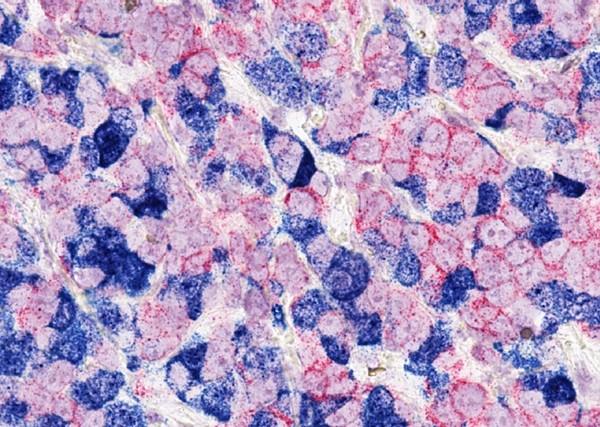
[과학을 생명을 구하는 치료로 전환] ② 면역요법을 이용한 치료
2020.10.20 · 전영조 전문위원

암 면역요법은 환자의 면역체계의 힘을 촉발시켜 암을 퇴치하는 치료법을 사용하는 것을 말한다. 면역요법이라고 알려진 이러한 치료법이 모두 같은 방식으로 작용하지는 않는다.
지난 10년 동안 암 면역요법이 암 치료의 다섯 번째 기둥으로 떠올랐다. 그것은 암 치료에 대한 가장 흥미로운 접근법 중 하나이다. 이는 부분적으로는 이러한 혁명적인 치료법으로 치료받은 전이성 질환 환자들 중 일부가 놀랍고 오래 지속되는 반응을 보였기 때문인데, 이는 알 스트로버그 박사는 흑색종이 진행되었기 때문에 거의 10년 전 이필리무맙으로 치료를 받은 후 그랬기 때문이다. 불행히도 소수의 환자들만이 이런 믿을 수 없는 반응을 보인다. 게다가 현재 FDA가 승인한 면역치료제는 모든 종류의 암에 효과가 있는 것은 아니다. 면역치료제로 치료하면 놀랍고 오래 지속되는 반응을 얻을 수 있는 환자의 수를 증가시킬 수 있는 방법을 파악하는 것은 기초 및 임상연구가 집중되는 분야다.
다행히 면역체계와 그것이 암세포와 어떻게 상호작용하는가에 대한 우리의 과학적 이해는 급속히 상승 중이며, 이미 많은 새로운 면역요법들을 시험하고 우리가 이미 가지고 있는 면역요법들을 사용하는 새로운 방법들을 시험하는 임상실험이 진행되고 있다. 눈앞에 닥친 새로운 면역요법과 치료전략은 미래에 대한 비상한 가능성을 보여준다. 그러나 여기서는 본 보고서에서 다룬 2019년 8월 1일부터 2020년 7월 31일까지 12개월 동안 FDA가 승인한 새로운 면역요법제와 같은 기간 동안 추가 사용된 암에 대해 사용이 승인된 면역요법 제제에 초점을 맞추고 있다.
면역체계의 브레이크 해제
T세포라 불리는 면역세포가 자연적으로 암세포를 파괴할 수 있다는 연구결과가 나왔다. 또한 일부 종양은 T세포에 부착되어 '브레이크'를 유발하는 단백질이 많아 T세포에 의한 파괴를 회피하여 T세포가 종양을 공격하지 못하도록 하는 것을 보여 주었다. T세포 표면에 있는 단백질인 이 브레이크는 면역체크포인트 단백질이라고 불린다.
이 지식은 연구자들이 특정 T세포 브레이크를 해제하는 치료법을 개발하게 하여 T세포가 암세포를 파괴할 수 있게 하였다. 이러한 면역치료제를 체크포인트 억제제라고 한다.
2020년 7월 31일 현재 FDA가 승인한 체크포인트 억제제는 7개다. 2011년 3월 FDA 승인을 받은 면역치료제 중 처음으로 면역체크포인트 단백질 CTLA-4를 표적으로 삼은 이필리무맙은 CTLA-4에 부착된 단백질로부터 보호하고 T세포에 의한 살해에 제동을 걸도록 유도한다. 다른 6개의 FDA 승인 체크포인트 억제제는 다른 T-세포 브레이크 시스템을 방출한다. 그들은 면역 체크 포인트 단백질인 PD-1이나 T 세포에 PD-1 브레이크를 적용하는 단백질 중 하나인 PD-L1을 표적으로 삼는다.
체크포인트 억제제는 암 치료에 광범위한 효용성을 가지고 있다. 이러한 획기적인 면역요법제의 대부분은 여러 종류의 암을 치료하는 데 FDA의 승인을 받는다. FDA는 2019년 8월 1일부터 2020년 7월 31일까지 12개월 동안 검문소 억제제인 아테졸리주맙(상표명:테센트릭), 더발루맵(상표명:임핀지), 이필리무맙, 니볼루맙, 펨브롤리주맙 등 5가지를 추가 암 치료제로 사용하는 것을 승인했다. 이러한 승인은 2020년 7월 31일 현재 16종류의 암을 치료하고 특정 분자 특성, 미세 부수체 불안정성-하이, DNA 불일치-수리 결핍 및 종양 돌연변이 부담-하이로 특징지어지는 모든 유형의 고형 종양을 치료용으로 복수의 체크포인트 억제제가 승인되었음을 의미한다.
이 보고서에 걸쳐 12개월 동안 FDA가 승인한 PD-1/PD-L1–표적 체크포인트 억제제의 확대 사용 중 하나는 특정 분자 특성 또는 종양 돌연변이 부담-높음이라고 불리는 생체 마커로 특징지어지는 고형 종양을 가진 특정 성인과 어린이의 치료용으로 펨브롤리주맙의 2020년 6월 승인이었다. 이 바이오마커들은 흑색종과 폐암을 포함한 신체의 수많은 부위에서 발병하는 암의 사례에서 발견된다. 이는 암이 발생한 신체 내 위치가 아닌 공통 바이오마커에 기반을 둔 펨브롤리주맙의 두 번째 FDA 승인이다.
이번 승인은 이전의 치료에도 불구하고 진행된 고형종양-절제불능 또는 전이성 종양 돌연변이 부담이 높은 환자의 약 30%가 펨브롤리주맙 치료로 인해 종양 수축으로 이어졌다는 임상 2상 자료에 근거한 것이다. 분석에 포함된 환자들은 FDA가 펨브로리주맙 치료 대상 환자를 식별하기 위해 승인한 FoundationOne CDx 검사 동반자 진단을 통해 종양 돌연변이 부담이 큰 종양을 가진 것으로 나타났다. 따라서 이번 승인은 자궁암을 앓고 있는 레오나드 간즈와 3중 음성 유방암을 앓고 있는 바바라 비글로우 등 다양한 종류의 암 환자에게 새로운 치료 선택지와 희망을 준다.
사전 치료 후 진행되어 현재 펨브로리주맙으로 치료할 수 있는 고형 암 환자를 식별하는 데 사용할 수 있는 다른 바이오마커는 미세 부수체 불안정성-높음 및 DNA 불일치-수리 결핍이다. 미국에서 진단을 받은 대장암 환자의 약 15%는 이러한 바이오마커의 특징이 있다. 펨브롤리주맙의 사용은 2020년 7월 미세 부수체 불안정성이 높거나 DNA 불일치-수리결핍이 특징인 대장암 환자의 초기 치료에 포함하도록 확대되었다. 이번 승인은 펨브롤리주맙을 받은 환자 가운데 암이 진행되 때까지의 시간이 표준 치료를 받은 환자에 비해 2배 가까이 길었다는 임상 2상 결과에 따른 것이다.
자궁내막 암은 미세 부수체 불안정성이 높고 DNA 불일치 수리 결핍이 종종 나타나는 또 다른 형태의 암이다. 그러나 FDA는 2019년 9월 펨브롤리주맙의 사용을 확대하여 미세부수체 불안정성-하이와 불일치-수리 결핍이 없는 진행성 자궁내막 암과 사전 전신치료에 따른 질병 진행은 있지만 치료적 수술이나 방사선 치료의 대상이 아닌 여성의 치료를 포함시켰다. 이러한 방법으로 사용될 때 펨브롤리주맙은 분자 표적 치료용 렌바티닙(상표명:렌비마)과 결합하여 사용해야 한다. 이번 승인은 펨브로리주맙과 렌바티닙 치료로 환자의 약 40%가 종양수축으로 이어졌다는 임상 1상 데이터를 바탕으로 이뤄졌다.
FDA는 2020년 6월 피하 편평세포 암도 펨브롤리주맙의 사용승인을 허락한 치료 선택지로 추가했다. 이런 종류의 피부암으로 진단을 받은 대부분의 환자들은 수술이나 방사선 치료를 통해 치료한다. 하지만, 어떤 경우에는, 질병이 진행되어 펨브로리주맙이 이 난제를 해결하는 것을 돕기 위해 승인되었다. 수술이나 방사선으로 치료할 수 없는 재발이나 전이성 피하 편평세포 환자 치료용으로 펨브롤리주맙의 승인은 면역요법을 받은 환자의 34%가 완전하거나 부분적인 종양수축이 있다는 2단계 임상시험 결과에 근거했다.
더발루맙은 지난 12개월 동안 FDA에 의해 새로운 유형의 암으로 사용이 확장된 또 다른 PD-1/PD-L1–표적의 체크포인트 억제제다. 2020년 3월 FDA는 체크포인트 억제제를 두 가지 세포독성 화학요법(에토포사이드와 카보플라틴 또는 시스플라틴 중 하나)과 결합하여 사용하도록 승인했다. 이 승인은 표준 세포독성 화학요법에 더발루맙을 추가하면 전반적인 생존이 향상된다는 것을 보여준 임상 3상 결과에 근거한 것이다.
이 보고서에 걸쳐 12개월 동안 니볼루맙의 사용도 확대되었다. 2020년 6월에는 세포독성 화학요법에도 불구하고 진행이 된 식도의 진행성, 재발, 전이성, 편평세포 암이 있는 특정 성인을 치료하기 위해 승인되었다. 식도암은 미국에서 2020년 1만8440명이 받는 진단이 될 것으로 예상되는 희귀 암이지만 가장 치명적인 암 중 하나이기도 하다. 식도암은 진단받은 환자의 5년 상대 생존율이 20%에 불과하다. 이번 승인은 니볼루맙이 표준 세포독성 화학요법에 비해 전반적인 생존이 개선된 것으로 나타난 임상 3상 결과에 따른 것이다.
니볼루맙은 앞서 비소세포폐암과 간암의 가장 흔한 유형인 간세포암 치료제로 FDA로부터 승인을 받은 바 있다. 2015년 3월과 2017년 9월에 각각 허가된 이 승인은 일부 환자에게만 놀랍고 지속 가능한 반응을 보였으며, 이러한 유형의 암 진단을 받은 환자의 5년 상대 생존율은 20% 미만을 유지하고 있다. 따라서 연구자들은 니볼루맙이 다른 면역요법제와 결합해 얼마나 잘 작용하는지 평가하는 등 니볼루맙의 혜택을 받는 환자의 수를 증가시키기 위한 다양한 방법을 실험하고 있다. FDA는 2020년 3월 환자 33%에게 종양수축을 유발하는 I/II 임상시험에서 나타났을 때 표준치료 후 진행된 간세포 암 환자를 치료하기 위해 니볼루맙과 함께 이필리무맙을 사용하는 것을 승인했다. PD-L1 IHC 28-8 pharmDx 동반자 진단을 사용하여 측정했을 때, 상피성장인자 수용체(EGFR) 유전자 또는 ALK 유전자의 돌연변이에 의해 연료가 공급되지 않는 최소한 1%의 PD-L1을 발현하는 종양을 가진 환자를 치료하기 위해 FDA의 동일한 체크포인트 억제제 조합이 승인되었다. 비소세포 폐암에 대한 이러한 승인은 백금 기반 세포독성 화학요법에 비해 조합이 전반적인 생존을 향상시킨 것으로 나타난 임상 3상 결과에 기초하였다.
이 보고서에 걸쳐 12개월 동안 FDA에 의해 사용이 확장된 다섯 번째 체크포인트 억제제는 아테졸리주맙이다. 2020년 5월에는 수술로 제거할 수 없는 간세포 암과 전이성 간세포 암 환자에 대한 새로운 초기 치료법으로 분자 표적 치료제 베바시주맙(상표명:아바스틴)과 결합해 사용하도록 승인되었다. 이러한 진단을 받는 대부분의 환자들은 처음에는 분자 표적 치료 소라페닙(상표명:넥사바)으로 치료를 받는다. 불행히도 종양이 초기에 이 치료법에 반응하다 대다수의 사람들은 결국 질병 진행을 하게 되는데, 이것은 새롭고 더 효과적인 치료 방법의 필요성을 강조한다. 아톨리주맙-베바시주맙 조합은 소라페닙에 비해 전반적인 생존력을 향상시킴을 임상 3상에서 보여 FDA의 승인을 받았다.
2020년 7월 FDA는 가장 치명적인 피부암인 흑색종을 포함하도록 아톨리주맙의 사용을 더욱 확대했다. 이번 승인은 2015년 11월 V600 돌연변이로 불리는 BRAF 유전자의 돌연변이로 인한 흑색종을 치료한 것으로 승인을 받은 분자 표적치료제 코비메티닙(상표명:코텔릭)과 베무라페닙(상표명:젤보라프) 두 가지와 함께 아톨리주맙의 사용을 허가한 것이다. 아테졸리주맙과 코비메티닙, 베무라페닙의 새로운 조합은 전이가 되거나 수술로 제거할 수 없는 흑색종 환자를 치료하고 BRAF V600 돌연변이에 양성반응을 보이는 것에 승인을 하였다. 이번 승인은 코비메티닙과 베무라페닙에 아테졸리주맙을 첨가하면 질병 진행 전 시간이 크게 늘어난다는 임상 3상 결과에 따른 것이다.
면역 체크포인트 억제제가 다양한 종류의 암환자에게 특별한 혜택을 제공했음에도 불구하고, 모든 환자가 이러한 면역치료제에 반응하는 종양을 가지고 있는 것은 아니며 종양이 반응하는 많은 환자들은 처음에는 반응하지만 잠시 후에 내성을 갖게 된다. 따라서 연구자들은 '체크포인트 억제제의 범위 확대'에서 논의한 바와 같이 이러한 생명을 구하는 면역치료제로부터 혜택을 받는 환자의 수를 어떻게 증가시킬 것인가를 결정하기 위해 열심히 노력하고 있다.
면역체계의 암 죽이기 능력의 증대
일부 암 환자의 경우, 환자의 면역체계가 암세포를 공격해 파괴하는 것을 막는 T세포 브레이크가 발동되는 문제가 아니라 암세포를 죽이는 T세포가 불충분하다는 문제가 있다.
환자가 가지고 있는 암세포를 죽이는 기능의 T세포의 수를 극적으로 증가시키는 가장 최근에 개발된 방법 중 하나는 적응 T세포 치료라고 불리는 면역요법에 대한 접근법이다. 적응 T세포 치료는 환자마다 맞춤형으로 이루어지는 복잡한 의료 시술이다. 치료 중 T세포는 환자로부터 채취되어 실험실에서 수적으로 증식되거나 유전적으로 변형된 후 환자에게 다시 투여하여 암세포를 공격하고 잠재적으로 제거한다.
2020년 7월, FDA는 세 번째 적응 T세포 치료제인 브렉수캅타젠 오토루셀(상표명;테카투스)을 승인했다. FDA가 승인한 이 혁신적인 새로운 면역요법 중 첫 번째 두 가지 유형인 액시캅타젠 실로루셀(상표명;예스카타)과 티사젠레루셀(상표명:킴리아)과 유사하게, 키메릭 항원 수용체 (CAR) T-세포요법으로 분류된다. CAR T-세포 치료는 환자의 세포의 유전자 변형을 수반한다는 점에서 세포 기반 유전자 치료라고 부르기도 한다. FDA가 승인한 세 가지 CAR T세포 치료법에 대해 환자의 T세포는 분자 CD19를 표적으로 하는 CAR을 갖도록 유전적으로 변형된다.
CD19는 B세포라고 불리는 면역세포의 표면에서 발견되는 단백질이다. 백혈병 및 림프종은 맨틀세포 림프종이라고 불리는 공격적인 형태의 비 호지킨 림프종을 포함하여 B세포에서 여러 종류의 백혈병과 림프종이 발병한다.
최근의 추정치는 맨틀 세포 림프종 발병률이 세기가 바뀐 이후 꾸준히 증가하고 있다는 것을 보여준다. 현재 미국에서 매년 3,300건 이상의 새로운 질병이 진단되고 있다. 브렉수캅타젠 오토루셀은 적어도 한 가지 다른 치료 후에 반응하지 않았거나 재발한 맨틀 세포 림프종에 걸린 성인의 치료용으로 승인되었다. 이번 승인은 브렉수캅타젠 오토루셀을 받은 환자의 60% 이상이 완전한 반응을 보인다는 임상 2상 결과에 따른 것으로, 적어도 한 번 이상의 후속 검사에서 암이 발견되지 않았다는 것을 뜻한다.
다른 CAR T-세포 치료법과 마찬가지로 브렉수캅타젠 오토루셀은 때때로 심하거나 생명을 위협하는 사이토카인 방출 증후군과 잠재적으로 생명을 위협할 수 있는 뇌의 부종을 포함한 다른 심각한 부작용을 일으킬 수 있다. 따라서 FDA는 브렉수캅타젠 오토루셀을 사용하는 의료 시설을 특별히 인증하도록 하는 위험 평가와 완화 전략을 시행하고 있다. 연구자들은 또한 이러한 면역요법제의 치료 효험을 감소시키지 않고 CAR T세포 치료제의 심각한 부작용을 줄일 수 있는 새로운 방법을 찾기 위해 노력하고 있다.
면역체계에게 암세포를 지목하기
면역세포는 암세포를 파괴하기 전에 먼저 찾아내야 한다. 면역세포가 암세포를 찾도록 도와줌으로써 적어도 부분적으로는 암의 치료법을 FDA로부터 승인받은 많은 면역요법 약제들이 면역요법 그룹에 가장 최근에 추가된 것은 다발성 골수종 특정 환자를 치료하기 위해 2020년 3월 FDA로부터 승인을 받은 이자턱시맙-irfc(상표명:사르클리사)와 B세포 림프종이 확산된 특정 환자를 치료하기 위해 2020년 7월 FDA로부터 승인을 받은 타파시타맵-cxix(상표명:몬주비)이다.
다발성 골수종은 미국에서 가장 흔히 진단이 나오는 혈액 암 중 하나로 2020년에 32,270명의 새로운 환자가 진단될 것으로 예상된다. 최근 들어 보르테조밉(상표명:벨케이드)와 카필조밉(상표명:키프로리스)와 같은 프로테아솜 억제제, 레날리도미드(상표명:레블리미드)와 포말리도마이드와 CD38 표적 다라투무맙(상표명:다르잘렉스))과 같은 면역요법 등 새로운 치료제의 개발과 FDA 승인이 결과를 개선했다. 이러한 발전에도 불구하고 불행하게도, 새로운 치료법에 처음 반응하는 많은 환자들은 치료 내성 때문에 결국 재발하게 된다.
이자툭시맙-irfc는 다라투무맙처럼 CD38 표적 면역요법치료제로 2015년 11월 FDA 승인을 받았다. CD38은 골수종 세포의 표면에서 높은 수준에서 발견되는 단백질이다. 이자툭시맙-irfc가 CD38에 붙으면 골수종 세포에 여러 가지 영향을 미치는데, 그 중 하나는 면역세포에 플래그를 붙이는 것인데, 이때는 이자툭시맙-irfc의 다른 부분에 붙이면 골수종 세포가 파괴되는 계기가 된다. 이자툭시맙-irfc는 레날리도미드와 프로테아솜 억제제 중 하나를 포함하여 적어도 두 가지 다른 치료법에 재발했거나 반응하지 않은 다발성 골수종 환자를 치료하기 위해 포말리도미드 및 덱사메타손과 함께 사용하도록 승인되었다. 이 승인은 포말리도미드와 덱사메타손에 이자툭시맙-irfc를 첨가하면 질병이 재발하기까지 시간이 2배 가까이 늘어난다는 임상 3상 자료에 근거한 것이다.
미만성 거대 B세포 림프종은 미국에서 진단된 비 호지킨 림프종의 가장 흔한 유형이다(혈액암 치료에 정밀도 추가 참조). 타파시타맙-cxix 표적 CD19는 큰 B세포 림프종 세포를 포함한 B세포의 표면에서 발견된다. 타파시타맙-cxix가 CD19에 붙으면 면역세포용 세포에 표시를 하는 등 대형 B세포 림프종 세포 확산에 여러 효과가 있다. 타파시타맙-cxix는 달리 명시되지 않은 한, 미만성 거대 B세포 림프종을 확산시켜 다른 치료에 재발했거나 반응하지 않고 자가 줄기세포 이식을 할 수 없는 환자를 치료하기 위해 레날리도미드와 병용으로 사용하도록 승인을 받았다. 이번 승인은 타파시타맙-cxix와 레날리도미드 투여 환자의 50% 이상이 완전 종양수축 또는 부분 종양수축이 있었고, 이들 환자의 대다수가 완전한 종양수축이 있음을 보여주는 2상 임상시험 자료에 근거한 것이었다. 이러한 면역요법도 환자의 생존을 연장하는지를 판단하기 위해서는 추가적인 후속조사와 추가 연구가 필요하다.
2. TREATMENT WITH IMMUNOTHERAPY
Cancer immunotherapy refers to the use of therapeutics that unleash the power of a patient’s immune system to fight cancer. Not all these therapeutics, which are known as immunotherapeutics, work in the same way (see sidebar on How Immunotherapeutics Work).
In the past decade, cancer immunotherapy emerged as the fifth pillar of cancer care (see Figure 14). It is one of the most exciting approaches to cancer treatment to have ever entered the clinic. This is in part because some of the patients with metastatic disease who have been treated with these revolutionary treatments have had remarkable and durable responses, as Dr. Al Stroberg has had after being treated with ipilimumab almost 10 years ago because he had advanced melanoma. Unfortunately, only a minority of patients have such incredible responses. In addition, the current FDA-approved immunotherapeutics do not work against all types of cancer. Identifying ways to increase the number of patients for whom treatment with an immunotherapeutic yields a remarkable and durable response is an area of intensive basic and clinical research investigation.
Fortunately, our scientific understanding of the immune system and how it interacts with cancer cells is rapidly increasing, and there are already clinical trials underway testing many novel immunotherapeutics and testing new ways to use those that we already have. The new immunotherapeutics and treatment strategies that are on the horizon hold extraordinary promise for the future. Here, however, we focus on new immunotherapeutics that were approved by the FDA in the 12 months covered by this report, August 1, 2019 to July 31, 2020, and previously approved immunotherapeutics that were approved for use against additional types of cancer during the same period (see Table 6).
Releasing the Brakes on the Immune System
Research has shown that immune cells called T cells are naturally capable of destroying cancer cells. It has also shown that some tumors evade destruction by T cells because they have high levels of proteins that attach to and trigger “brakes” on T cells, stopping the T cells from attacking the tumor. These brakes, which are proteins on the surface of T cells, are called immune-checkpoint proteins.
This knowledge led researchers to develop therapeutics that release certain T-cell brakes, freeing the T cells to destroy the cancer cells. These immunotherapeutics are called checkpoint inhibitors (see Figure 17).
As of July 31, 2020, there are seven checkpoint inhibitors approved by the FDA. Ipilimumab, which was the first of these immunotherapeutics to be approved by the FDA, in March 2011, targets the immune-checkpoint protein CTLA-4. Ipilimumab protects CTLA-4 from the proteins that attach to it and trigger it to put the brakes on killing by T cells. The other six FDA-approved checkpoint inhibitors release a different T-cell braking system. They target either the immune-checkpoint protein PD-1 or PD-L1, which is one of the proteins that applies the PD-1 brake on T cells.
Checkpoint inhibitors have broad utility in the treatment of cancer; most of these groundbreaking immunotherapeutics are approved by the FDA for treating multiple types of cancer (see Figure 18). During the 12 months spanning this report, August 1, 2019 to July 31, 2020, the FDA approved expanding the uses of five of the checkpoint inhibitors—atezolizumab (Tecentriq), durvalumab (Imfinzi), ipilimumab, nivolumab, and pembrolizumab—to include the treatment of additional types of cancer. These approvals mean that as of July 31, 2020, one or more checkpoint inhibitor were approved for treating 16 types of cancer and for treating any type of solid tumor characterized by the presence of certain molecular characteristics, microsatellite instability–high, DNA mismatch–repair deficiency, and tumor mutational burden–high.
One of the expanded uses for PD-1/PD-L1–targeted checkpoint inhibitors approved by the FDA during the 12 months spanning this report was the June 2020 approval of pembrolizumab for treating certain adults and children with solid tumors characterized by the presence of a specific molecular characteristic, or biomarker, called tumor mutational burden–high. These biomarkers are found in a proportion of cancers arising at numerous sites in the body, including melanoma and lung cancer. This is the second FDA approval of pembrolizumab based on a common biomarker and not the location in the body where the cancer originated (see Figure 19).
The approval was based on data from a phase II clinical trial showing that pembrolizumab treatment led to tumor shrinkage in about 30 percent of patients with an unresectable or metastatic, tumor mutational burden–high solid tumor that had progressed despite prior treatment. The patients included in the analysis had been shown to have tumors that were tumor mutational burden–high using the FoundationOne CDx assay companion diagnostic, which the FDA approved for identifying patients eligible for pembrolizumab treatment. Thus, the approval provides new treatment options and new hope to patients with a wide range of types of cancer, like Leonard Ganz who has urothelial carcinoma and Barbara Bigelow who has triple-negative breast cancer.
The other biomarkers that can be used to identify patients with solid tumors that have progressed after prior treatment and who are now eligible for treatment with pembrolizumab are microsatellite instability–high and DNA mismatch–repair deficiency. About 15 percent of the colorectal cancer cases diagnosed in the United States are characterized by these biomarkers. The use of pembrolizumab was expanded in July 2020 to include the initial treatment of patients with colorectal cancer that is characterized by either microsatellite instability–high or DNA mismatch–repair deficiency. The approval was based on results from a phase II clinical trial that showed that the time before disease progression was almost double among patients who received pembrolizumab compared with patients who received standard treatments.
Endometrial cancer is another type of cancer that is frequently characterized by microsatellite instability–high and DNA mismatch–repair deficiency. In September 2019, however, the FDA expanded the use of pembrolizumab to include the treatment of women who have advanced endometrial cancer that is neither microsatellite instability–high nor mismatch repair–deficient and who have disease progression following prior systemic therapy but are not candidates for curative surgery or radiation. When being used in this way, pembrolizumab should be used in combination with the molecularly targeted therapeutic lenvatinib (Lenvima). The approval was based on data from a phase I/II clinical trial showing that pembrolizumab and lenvatinib treatment led to tumor shrinkage in about 40 percent of patients.
In June 2020, the FDA also added cutaneous squamous cell carcinoma as a type of cancer for which pembrolizumab is an approved treatment option. Most patients diagnosed with this type of skin cancer are cured by surgery and/or radiation. However, in some cases, the disease does advance, and pembrolizumab was approved to help address this challenge. The approval of pembrolizumab for treating patients with recurrent or metastatic cutaneous squamous cell carcinoma that is not curable by surgery or radiation was based on results from a phase II clinical trial that showed that 34 percent of patients who received the immunotherapeutic had complete or partial tumor shrinkage.
Durvalumab is another PD-1/PD-L1–targeted checkpoint inhibitor to have its use expanded to a new type of cancer by the FDA in the 12 months spanning this report. In March 2020, the FDA approved the checkpoint inhibitor for use in combination with two cytotoxic chemotherapeutics—etoposide and either carboplatin or cisplatin—for the initial treatment of certain patients with advanced SCLC. The approval was based on results from a phase III clinical trial that showed that adding durvalumab to standard cytotoxic chemotherapy improved overall survival.
The use of nivolumab was also expanded during the 12 months spanning this report. In June 2020, it was approved for treating certain adults who have advanced, recurrent, or metastatic, squamous cell carcinoma of the esophagus that has progressed despite cytotoxic chemotherapy. Although esophageal cancer is a rare type of cancer, which is expected to be a diagnosis received by 18,440 people in the United States in 2020, it is also one of the deadliest; the 5-year relative survival rate for patients diagnosed with the disease is just 20 percent. The approval was based on results from a phase III clinical trial in which it was shown that nivolumab improved overall survival compared with standard cytotoxic chemotherapy.
Nivolumab has been previously approved by the FDA as a treatment for NSCLC and hepatocellular carcinoma, which is the most common type of liver cancer. These approvals, which were granted in March 2015 and September 2017, respectively, yielded remarkable and durable responses for only some patients and the 5-year relative survival rates for those diagnosed with these types of cancer at an advanced stage remain below 20 percent. Thus, researchers are testing various ways to increase the number of patients who benefit from nivolumab, including evaluating how well it works in combination with other immunotherapeutics. In March 2020, the FDA approved using nivolumab in combination with ipilimumab to treat patients with hepatocellular carcinoma that has progressed after standard treatment when it was shown in a phase I/II clinical trial to cause tumor shrinkage in 33 percent of patients. In May 2020, the same combination of checkpoint inhibitors was approved by the FDA for treating patients who have tumors that express at least 1 percent PD-L1, as measured using the PD-L1 IHC 28-8 pharmDx companion diagnostic, and that are not fueled by mutations in either the EGFR gene or the ALK gene. This approval for NSCLC was based on results from a phase III clinical trial in which it was shown that the combination improved overall survival compared with platinum-based cytotoxic chemotherapy.
The fifth checkpoint inhibitor to have its use expanded by the FDA during the 12 months spanning this report is atezolizumab. In May 2020, it was approved for use in combination with a molecularly targeted therapeutic called bevacizumab (Avastin) as a new initial treatment for patients with hepatocellular carcinoma that cannot be removed by surgery or metastatic hepatocellular carcinoma. Most patients who receive these diagnoses are initially treated with the molecularly targeted therapeutic sorafenib (Nexavar). Unfortunately, the majority of those whose tumors initially respond to this treatment eventually have disease progression, highlighting the need for new, more effective treatment options. The atezolizumab–bevacizumab combination was approved by the FDA after it was shown in a phase III clinical trial to improve overall survival compared with sorafenib.
In July 2020, the FDA further expanded the use of atezolizumab to include melanoma, which is the deadliest type of skin cancer. This approval is for the use of atezolizumab in combination with two molecularly targeted therapeutics, cobimetinib (Cotellic) and vemurafenib (Zelboraf), which were approved for treating melanoma fueled by mutations in the BRAF gene called V600 mutations in November 2015. The new combination of atezolizumab, cobimetinib, and vemurafenib was approved for treating patients with melanoma that is metastatic or cannot be removed by surgery and that tests positive for a BRAF V600 mutation. The approval was based on results from a phase III clinical trial in which it was shown that adding atezolizumab to cobimetinib and vemurafenib significantly increased the time before disease progression.
Even though checkpoint inhibitors have yielded extraordinary benefit for patients with a diverse array of cancer types, not all patients have tumors that respond to these immunotherapeutics and many whose tumors do respond, initially, develop resistance after a while. Therefore, researchers are working hard to determine how to increase the number of patients who benefit from these lifesaving immunotherapeutics, as discussed in Expanding the Scope of Checkpoint Inhibitors.
Increasing the Cancer-killing Capacity of the Immune System
In some patients with cancer, it is not an issue of T-cell brakes being triggered that prevents the patient’s immune system attacking and destroying the cancer cells; rather, it is an issue of there being insufficient cancer-killing T cells.
One of the most recently developed ways to dramatically increase the number of functional cancer-killing T cells that a patient has is an approach to immunotherapy called adoptive T-cell therapy. Adoptive T-cell therapy is a complex medical procedure that is customized for each patient. During treatment, T cells are harvested from a patient, expanded in number and/or genetically modified in the laboratory, and then returned to the patient, where they attack and potentially eliminate the cancer cells (see sidebar on Types of Adoptive T-Cell Therapy).
In July 2020, the FDA approved a third adoptive T-cell therapy, brexucabtagene autoleucel (Tecartus). Similar to the first two of these revolutionary new types of immunotherapy approved by the FDA—axicabtagene ciloleucel (Yescarta) and tisagenlecleucel (Kymriah)—it is categorized as chimeric antigen receptor (CAR) T-cell therapy. Given that CAR T-cell therapy involves genetic modification of a patient’s cells, it is sometimes referred to as cell-based gene therapy. For all three of the CAR T-cell therapies approved by the FDA, a patient’s T cells are genetically modified to have a CAR that targets the molecule CD19.
CD19 is a protein found on the surface of immune cells called B cells. Several types of leukemia and lymphoma arise in B cells, including an aggressive type of non-Hodgkin lymphoma called mantle cell lymphoma.
The latest estimates show that the mantle cell lymphoma incidence rate has been increasing steadily since the turn of the century. There are now more than 3,300 new cases of the disease diagnosed in the United States each year. Brexucabtagene autoleucel was approved for treating adults who have mantle cell lymphoma that has not responded to or that has relapsed following at least one other treatment. The approval was based on results from a phase II clinical trial that showed that more than 60 percent of patients who received brexucabtagene autoleucel had complete responses, meaning no cancer was detectable during at least one follow-up examination.
Like the other CAR T-cell therapies, brexucabtagene autoleucel can sometimes cause severe or life-threatening cytokine-release syndrome and other serious adverse effects, including potentially life-threatening swelling in the brain. Therefore, the FDA has put in place a risk evaluation and mitigation strategy that requires that health care facilities using brexucabtagene autoleucel be specially certified. Researchers also are working hard to identify new ways to reduce the severe adverse effects of CAR T-cell therapies without decreasing the therapeutic benefit of these immunotherapeutics.
Directing the Immune System to Cancer Cells
An immune cell must find a cancer cell before it can destroy it. Many immunotherapeutics that have been approved by the FDA for treating cancer work, at least in part, by helping immune cells find cancer cells (see Cell Lysis Mediators in Supplemental Table 2, Part 2). The most recent additions to this group of immunotherapeutics are isatuximab-irfc (Sarclisa), which was approved by the FDA in March 2020 for treating certain patients with multiple myeloma, and tafasitamab-cxix (Monjuvi), which was approved by the FDA in July 2020 for treating certain patients with diffuse large B-cell lymphoma.
Multiple myeloma is one of the most commonly diagnosed blood cancers in the United States, with 32,270 new cases expected to be diagnosed in 2020. In recent years, the development and FDA approval of new therapeutics—including proteasome inhibitors like bortezomib (Velcade) and carfilzomib (Kyprolis), immunomodulatory agents like lenalidomide (Revlimid) and pomalidomide, and immunotherapeutics like the CD38-targeted daratumumab (Darzalex)—have improved outcomes for patients. Despite the advances, unfortunately, many patients whose disease initially responds to the new therapeutics eventually relapse owing to treatment resistance.
Isatuximab-irfc is a CD38-targeted immunotherapeutic, like daratumumab, which was approved by the FDA in November 2015. CD38 is a protein found at high levels on the surface of myeloma cells. When isatuximab-irfc attaches to CD38, it has several effects on myeloma cells, one of which is to flag them for immune cells, which upon attaching to another part of isatuximab-irfc are triggered to destroy the myeloma cells. Isatuximab-irfc was approved for use in combination with pomalidomide and dexamethasone for treating patients with multiple myeloma that has relapsed or not responded to at least two other treatments, including lenalidomide and any one of the proteasome inhibitors. The approval was based on data from a phase III clinical trial that showed that adding isatuximab-irfc to pomalidomide and dexamethasone almost doubled the time before disease relapse.
Diffuse large B-cell lymphoma is the most common type of non-Hodgkin lymphoma diagnosed in the United States (see Adding Precision to Treatment for Blood Cancers). Tafasitamab-cxix targets CD19, which is found on the surface of B cells, including diffuse large B-cell lymphoma cells. When tafasitamab-cxix attaches to CD19, it has several effects on diffuse large B-cell lymphoma cells, including flagging the cells for immune cells. Tafasitamab-cxix was approved for use in combination with lenalidomide for treating patients who have diffuse large B-cell lymphoma, not otherwise specified, that has relapsed or not responded to other treatment and who are not able to have an autologous stem cell transplant. The approval was based on data from a phase II clinical trial that showed that more than 50 percent of patients who received tafasitamab-cxix and lenalidomide had complete or partial tumor shrinkage, with the majority of these patients having complete tumor shrinkage. Additional follow-up and additional studies are needed to determine whether these immunotherapeutics also extend survival for patients.
암스쿨에 게재된 기사는 미국국립암연구소(NCI), 미국암협회(ACS), 국립암센터(NCC), 일본국립암연구소(NCCJ), 엠디앤더슨암센터(MD Anderson Cancer Center) 등 검증된 기관의 검증된 자료를 토대로 작성되었습니다.
이 글은 2020년 10월 작성 시점의 정보입니다. 치료 기준·급여 정보는 바뀌었을 수 있으니, 진료와 치료 결정은 반드시 담당 의료진과 상의하세요.