[최신연구동향] 면역체계와 미생물과 각 암 연구 최신 동향
2020.09.17 · 전영조 전문위원
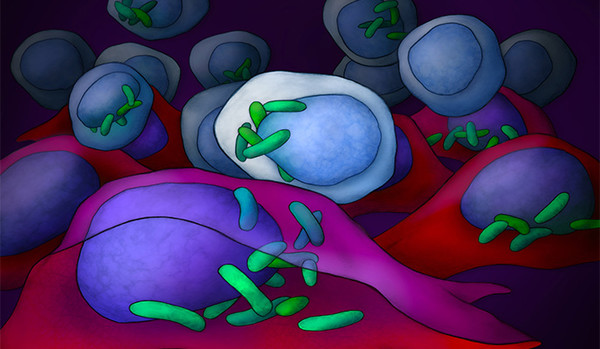
암 면역요법이 암 치료의 강력한 도구로 떠올랐다. 암세포를 인식하고 파괴하는데 환자 자신의 면역체계를 활용할 수 있다는 것이 핵심 통찰이었다. 수십 년간 미국립암연구소와 국립보건원이 후원한 기초 연구 덕분에 이러한 식견은 많은 환자의 생명을 구하거나 연장하는 새로운 치료로 이어졌다.
과학자들은 현재의 면역치료 접근법을 개선하기 위해 부지런히 노력하고 있으며, 기회의 새로운 영역들이 확인되고 있다. 예를 들어, 연구원들은 추가 면역 세포의 암 개입을 연구하고 내장과 다른 조직에 서식하는 미생물 집단인 마이크로바이옴이 어떻게 면역 체계를 형성하고 암 치료에 반응하는지를 조사하고 있다.
과학자들은 이 연구가 환자의 암세포와 종양의 세포 구성, 면역 체계와 내장의 미생물군(마이크로바이옴)의 상태가 분자적으로 특징에 따라 분류될 미래로 이어지기를 기대하고 있다. 이 정보는 치료 결정 및 치료 대응 모니터링에 정보를 제공할 것이다. 환자와 환자의 암에 대한 이러한 종합적인 분석은 여러 요인을 표적으로 하고 치료의 더 나은 기회를 제공하는 치료의 조합을 가리킬 수 있다.
암 면역 요법, 본래부터 갖고 있는 면역력의 이용
면역 체크포인트 억제제와 키메릭 항원 수용체(CAR) T세포 치료제 등 대부분의 이용 가능한 면역요법들은 적응 면역체계 또는 특정 면역체계의 한 부분인 세포독성 T세포라고 불리는 면역세포에 초점을 맞춘다. 세포독성 T세포는 암세포의 표면에 특정 분자(항원)를 표시하는 암세포를 인식하고 죽인다.
암 연구자들은 면역치료의 가능성을 타진하기 위해 선천적 또는 비 특정 면역체계로 눈을 돌렸다. 선천적인 면역 체계는 감염과 비정상적인 세포에 대한 방어의 일선을 제공한다. 이 방어는 항원을 인식할 필요가 없다. 그러나 일단 선천적인 면역 반응이 시작되면 적응성 면역 반응이 자극되며, 두 가지 모두 함께 작용하여 감염이나 신체에 대한 다른 위협을 제거한다.
국립암연구소가 후원하는 조사관들은 최근 암에 대한 선천적인 면역체계를 활용하고 암 면역요법을 개선하기 위해 그것을 조작하는 새로운 방법을 발견했다. 예를 들면 다음과 같다.
수지상 세포를 이용하여 T-세포 면역의 활성화
미국 펜실베이니아 대학의 국립암연구소가 후원한 연구진이 항원을 처리해 T세포에 제공하는 선천적 면역세포인 수지상세포를 활용할 수 있는 방법을 찾아냈다. 수상세포는 종종 CD40이라는 단백질을 발현하는데, 이것은 T세포가 종양세포를 공격하도록 유도하는 생화학반응의 연속단계를 촉발한다. 췌장암의 마우스 모델에서, 수지상 세포에서 CD40을 활성화하면 종양의 미세 환경이 변화하고, 그 안에서 T세포가 팽창하여 종양 파괴로 이어졌다. 이 연구를 바탕으로 지금까지 면역요법 접근법에 내성이 있었던 치료가 어려운 췌장암 환자들에 대한 임상시험이 진행되고 있다.
암세포를 집어삼키는 대식세포 지원
대식세포는 암세포와 세포 파편, 박테리아, 그리고 다른 이물질을 집어삼키고 소화하는 선천적인 면역세포다. 정상 세포는 표면에 CD47이라는 단백질을 표시하기 때문에 대식세포에 의해 먹히는 것을 방지한다. 사실상 CD47은 대식세포에 대한 '먹지 마' 신호다. 그러나 많은 암세포들도 CD47을 표면에 표시하여 대식세포로부터 자신을 보호한다. 국립암연구소가 자금을 지원한 스탠포드 대학의 연구원들과 그 협력자들은 CD47을 차단하는 항체를 개발하여 암세포가 대식세포에 의해 공격받고 포식되기 쉽도록 만들었다. 메릴랜드 출신의 알렌이 이 실험용 약(시약)으로부터 어떻게 이익을 얻었는지 읽어보라. 게다가, 펜실베이니아 대학의 또 다른 연구자들은 최근 대량의 신진대사가 '재 연결'되어 CD47을 발현하더라도 암세포를 먹을 수 있다는 것을 증명했다.
암을 표적으로 삼는 천연 킬러 세포를 조작하는 기술
자연 킬러(NK) 세포는 최근 암을 치료하는 데 이용되고 있는 또 다른 종류의 선천적인 면역 세포다. 예를 들어, 연구원들은 암세포를 죽이는 능력을 향상시키기 위해 CAR NK 세포를 엔지니어링 하고 있다. NK 세포를 사용하면 맞춤화 CAR T 세포가 환자 자신의 세포에서 만들어져야 한다는 사실인 CAR T 세포 요법의 한계를 극복할 수 있다. CAR NK 세포는 다른 사람의 혈액 세포에서 만들어질 수 있으며, 지금까지 CAR T 세포보다 부작용이 적은 것으로 보인다. 미국 텍사스대 MD 앤더슨 암센터에서 B세포 림프종 환자의 CAR NK 세포를 시험하는 실험이 막 시작되었다.
미생물 : 우군인가?
지난 몇 년간, 마이크로바이옴(미생물 군)에 대한 연구는 기하급수적으로 증가했다. 과학자들은 마이크로바이옴이 선천적 면역과 적응적 면역의 발달에 필수적이고, 면역체계가 마이크로바이옴을 만든다는 것을 알아냈다.
현재, 국립암연구소가 후원하는 연구원들은 마이크로바이옴이 암의 발병과 치료에 대한 반응에 어떻게 영향을 미치는지 더 잘 이해하기 위해 노력하고 있다. 최근의 연구 결과는 이 새로운 연구 영역의 가능성을 보여준다.
간암에서 면역을 억제하는 미생물 제거
장내 미생물에 의해 생성된 대사물은 항종양 면역에서 중요한 역할을 하는 것으로 보인다. 예를 들어, 국립암연구소의 소내 연구 프로그램의 과학자들에 의해 행해진 최근 연구는 쥐에서 특정 종류의 장내 박테리아 종(Clostridium)에 의한 담즙산을 수정시키면 자연 킬러 T(NKT) 세포라고 불리는 선천적인 면역 세포를 억제하고 간 종양의 성장을 억제할 수 있다는 것을 보여주었다. 조사관들이 항생제를 이용해 박테리아를 선별적으로 죽이자 간에 축적된 NKT세포가 간 종양 성장을 억제했다. 이러한 실험실 연구를 바탕으로, 국립보건원 임상 센터에서 시작된 임상 실험은 클로스트리디움 종을 죽이는 항생제 반코마이신(vancomycin)과 항균 면역 반응을 강화시키는 다른 약물의 결합을 시험하고 있다.
암 치료에 대한 반응을 향상(또는 억제)시키는 미생물 확인
국립암연구소가 후원하는 연구원들은 장내 미생물 세포와 암 면역 요법에 대한 반응 사이의 연관성을 밝혀냈다. 예를 들어, MD 앤더슨과 시카고 대학의 연구원들은 암환자의 특정 유형의 장내 세균이 면역 체크포인트 억제제에 대한 임상 반응과 관련이 있다는 것을 발견했다. 연구는 이러한 미생물들이 수지상세포의 기능에 영향을 미치고 적응(후천적) 면역체계에 의한 공격을 개시하는 능력을 포함하여 어떻게 그 효과를 발휘할 수 있는지에 대해 조명하고 있다.
대장암 예방 및 치료를 위한 미생물 교란
연구자들은 또한 특정 미생물이 암의 발병과 연관되어 있다는 것을 발견했다. 예를 들어, 후소박테리움 핵산 균은 대장암과 깊게 관련되어 있다. NCI가 후원하는 연구는 이 박테리아 종이 선천적 면역세포와 적응적(후천적) 면역세포의 활동에 모두 영향을 미쳐 면역억제종양 미세 환경의 발달과 대장암 진행을 촉진한다는 것을 보여준다. 과학자들은 이 지식을 이용하여 이 박테리아의 효과를 교란시키기 위한 암 예방과 치료 전략을 개발하고 있다.
새로운 치료법의 길 첫째, 기본 질문에 답하라
NCI가 후원하는 선천성 면역과 거주 미생물 종과 면역 체계 사이의 상호작용에 대한 연구는 암에 대한 추가적인 진보를 위한 많은 새로운 기회를 보여주고 있다. 암을 앓고 있는 환자에게서 박테리아가 면역세포와 어떻게 상호작용하는지에 대한 더 나은 이해를 얻는 것은 기존 치료법의 개선뿐만 아니라 완전히 새로운 치료적 접근으로 이어질 것이다. 미래에는 유전적으로 조작된 미생물을 사용하여 강력한 항원 면역 반응을 촉진하는 "약으로의 미생물"를 개발하는 것이 가능할 수도 있다.
지금까지 이루어진 진보를 바탕으로 하기 새로운 치료법을 만들기 위해서는 다음과 같은 많은 근본적인 질문에 답하기 위해 추가적인 연구가 필요하다. 어떤 박테리아 종이 항종양 면역 반응에 긍정적이거나 부정적인 영향을 미치는가? 박테리아가 암의 맥락에서 면역체계에 영향을 미치는 기전(메커니즘)은 무엇인가? 장에서 발견되는 박테리아 종의 변화된 구성이 암에 대한 감수성(민감도)에 어떻게 영향을 미치는가? 이러한 과정에서 다이어트의 역할은 무엇인가? 선천적인 면역 체계의 다른 요소들이 암 치료에 이용될 수 있을까?
또, 추가적인 기초 연구와 임상 전 약물 개발을 지원하기 위해서는 더 나은 암 모델을 포함한 새로운 자원이 필요하다. 단일 종양과 면역세포의 분석과 첨단 종양 영상촬영을 가능하게 하는 기술은 이 새로운 연구 분야의 발전을 촉진할 것이다. 또한 ‘인간 종양 지도 네트워크’와 같은 지속적인 협력 노력은 연구자들에게 종양과 그 미세 환경의 구성요소에 대한 역동적이고 상세한 정보를 제공할 것이다.
연구자들은 암의 맥락에서 면역 체계와 미생물 군(마이크로바이옴)의 복잡성을 이해하는데 있어서 표면만 긁어왔다. 이러한 분야에 대한 지속적인 투자로 과학자들은 암을 예방하고 암에 걸린 사람들의 삶을 개선하기 위한 새로운 전략을 발견하게 될 것이다.
면역체계가 암과 싸우는데 도움이 되는 새로운 방법 찾기
암 면역요법은 암세포를 인식하고 파괴하기 위해 환자 자신의 면역체계를 이용한다. 연구자들은 면역치료에 사용될 수 있는 면역세포의 종류를 확장하는 방법을 설명하고 있다. 게다가, 과학자들은 미생물군이 면역 체계를 어떻게 형성하는지, 그리고 그것들이 암 치료에 대한 반응을 향상시키는데 어떻게 사용될 수 있는지를 더 잘 이해하기 위해 노력하고 있다.
선천적 면역체계의 이용
이용 가능한 대부분의 면역 요법은 후천적 면역 체계의 일부인 세포독성 세포라고 불리는 면역세포에 초점을 맞추고 있다. 세포독성 T세포는 표면에 특정 분자(항원)를 발현하는 암세포를 인식하고 죽인다. 더 최근에, 암 연구자들은 암 면역치료의 잠재력을 이용하기 위해 선천적 면역체계나 불특정의 면역체계로 눈을 돌렸다. 많은 다른 종류의 선천적인 면역 세포들이 있다. 다음은 세 가지 예에 불과하다.
수지상 세포를 사용하여 T-세포의 면역력 활성화
연구자들은 항원을 처리하여 T세포에 제공하는 선천적인 면역세포인 수지상 세포를 이용하는 방법을 시험하고 있다. 연구원들은 암에 대한 공격을 위해 T 세포를 가장 강력하게 만드는 수지상 세포의 능력을 향상시키기 위한 다양한 방법을 개발하고 있다.
암세포를 집어삼키는 대식세포 지원
대식세포는 이물질과 암세포와 같은 건강하지 못한 세포를 집어삼키는 선천적인 면역세포다.
일부 암세포는 대식세포가 자신을 집어삼키는 것을 막는 특정 단백질을 표면에 발현하며, 이러한 단백질의 활동을 차단하면 대식세포가 암세포를 죽일 수 있다.
암을 표적으로 삼는 자연 킬러세포를 조작
자연 킬러(NK) 세포는 암세포의 바깥 표면에 작은 구멍을 내는 효소를 방출해 암세포를 죽이는 선천적인 면역세포다. 연구원들은 암세포를 죽이기 위한 능력을 증가시키는 다양한 물질을 표현하기 위해 NK 세포를 조작하고 있다.
내장 미생물군은 면역력에 중요한 역할
박테리아는 우리의 면역체계를 훈련시키는데 도움을 준다. 태어날 때부터 생기는 면역체계는 미생물군에 노출된다. 시간이 흐르면서, 이 미생물들은 위험한 병원균과 무해하거나 유익한 미생물을 구별하도록 면역체계를 교육시킨다.
장내세균은 일부 암의 발병 기전에 어떤 역할을 한다. 특정 장내 박테리아는 일부 암의 발병에 관련되어 있다. 염증을 유발하고 면역세포의 활동을 억제해 대장암세포가 형성되고 자랄 수 있다. 일부 미생물들은 암 치료에 대한 반응에 영향을 미친다.
연구원들은 일부 장내 박테리아가 면역요법과 화학요법에 대한 반응에 영향을 줄 수 있다는 것을 발견했다. 어떤 미생물들은 면역세포 활동을 변화시킬 수 있는 반면, 다른 미생물들은 특정 약물의 효과나 독성을 변화시킬 수 있다.
암 치료를 위한 미생물군 공략
과학자들은 암 치료를 위해 미생물군을 표적으로 삼는 여러 가지 방법을 연구하고 있다.
내장 미생물군 바꾸기
연구자들은 특정 장내세균을 첨가하거나, 항균제를 사용해 특정 박테리아를 선택적으로 죽이거나, 미생물군을 식이요법으로 조절하는 것이 면역요법의 효과를 높일 수 있을지를 연구하고 있다.
미생물 대사를 표적으로 삼기
때로는 미생물 그 자체가 아니라 그들이 생산하는 대사물들이 중요할 수도 있다. 그럴 경우 암 치료를 개선하기 위해 유해한 미생물 대사물을 불활성화하는 작용제를 개발하는 것이 가능할 수 있다.
미생물의 조작
연구자들은 암세포를 직접 죽이거나 치료제를 전달하는 매개체 역할을 하거나 암에 대한 면역체계를 활성화해 종양을 치료하는 데 사용할 수 있는 유전자 조작 박테리아와 바이러스를 약물로 사용하는 방법을 개발 중이다.
업데이트 : 2020년 8월 31일
The Immune System and Microbiome - Opportunities in Cancer Research
Updated: August 31, 2020
Cancer immunotherapy has emerged as a powerful tool in cancer treatment. The key insight was that a patient’s own immune system could be harnessed to recognize and destroy cancer cells. Thanks to decades of NCI- and NIH-funded basic research, this insight has led to new treatments that have saved or extended the lives of many patients.
Scientists are working diligently to improve current immunotherapy approaches, and promising new areas of opportunity are being identified. For example, researchers are exploring the use of additional types of immune cells as cancer interventions and investigating how microbiomes, the communities of microbes that inhabit the gut and other tissues, shape the immune system and responses to cancer treatment.
Scientists envision this research leading to a future when a patient’s cancer cells, the cellular composition of their tumor, and the status of their immune system and gut microbiome will be molecularly characterized. This information will inform treatment decisions and monitoring of treatment responses. Such a comprehensive analysis of a patient and their cancer may point to combinations of treatments that target multiple factors and offer a better chance for a cure.
Cancer Immunotherapies: Tapping into Innate Immunity
Most available immunotherapies, such as immune checkpoint inhibitors and chimeric antigen receptor (CAR) T-cell therapies, focus on immune cells called cytotoxic T cells, which are part of the adaptive, or specific, immune system. Cytotoxic T cells recognize and kill cancer cells that display specific molecules (antigens) on their surfaces.
Cancer researchers have turned to the innate, or nonspecific, immune system, as well, seeking to tap its potential for cancer immunotherapy. The innate immune system provides the first line of defense against infections and abnormal cells. This defense does not require the recognition of antigens. However, once an innate immune response has been initiated, an adaptive immune response is stimulated, and both work together to eliminate infections or other threats to the body.
NCI-funded investigators have recently found new ways to leverage the innate immune system against cancer and manipulate it to improve cancer immunotherapy. For example:
Harnessing Dendritic Cells to Activate T-Cell Immunity
A group of NCI-funded researchers at the University of Pennsylvania has found a way to exploit dendritic cells, innate immune cells that process antigens and present them to T cells. Dendritic cells often express a protein called CD40, which triggers a cascade of biochemical reactions that prime T cells to attack tumor cells. In a mouse model of pancreatic cancer, activating CD40 in dendritic cells altered the microenvironment of the tumor, caused an expansion of T cells within it, and led to tumor destruction. Based on this work, clinical trials are underway in patients with pancreatic cancer, a difficult-to-treat disease that has thus far been resistant to immunotherapy approaches.
Helping Macrophages Engulf Cancer Cells
Macrophages are innate immune cells that engulf and digest cancer cells, cell debris, bacteria, and other foreign substances. Normal cells are protected from being eaten by macrophages because they display a protein called CD47 on their surface. In effect, CD47 is a “don’t eat me” signal to macrophages. Many cancer cells, however, also display CD47 on their surface, protecting them from macrophages. NCI-funded researchers at Stanford University and their collaborators have developed an antibody, now being tested in clinical trials, that blocks CD47, making cancer cells susceptible to attack and engulfment by macrophages. Read how Allen from Maryland benefited from this experimental drug. In addition, another group of University of Pennsylvania researchers recently demonstrated that the metabolism of macrophages can be “rewired,” enabling them to eat cancer cells even if they express CD47.
Engineering Natural Killer Cells to Target Cancer
Natural killer (NK) cells are yet another type of innate immune cell that recently have been used to treat cancer. For example, researchers are engineering CAR NK cells to improve their ability to kill cancer cells. Using NK cells overcomes a limitation of CAR T-cell therapy: the fact that personalized CAR T cells have to be made from the patient’s own cells. CAR NK cells can be made from another person’s blood cells and, so far, seem to cause fewer side effects than CAR T cells. A trial testing CAR NK cells in patients with B-cell lymphoma has just begun at the University of Texas MD Anderson Cancer Center.
Microbes: An Army of Helpers?
In the past several years, research on the microbiome has grown exponentially. Scientists have found that the microbiome is essential in shaping the development of innate and adaptive immunity and, in turn, the immune system shapes the microbiome.
Now, NCI-funded researchers are working to gain a better understanding of how the microbiome influences cancer development and the response to therapy. Recent findings show the promise of this emerging area of research:
Removing Microbes That Suppress Immunity in Liver Cancer
Metabolites produced by gut microbes appear to play an important role in antitumor immunity. For instance, a recent study conducted by scientists in NCI’s intramural research program showed that, in mice, the modification of bile acids by a particular type of gut bacteria species (Clostridium) can suppress innate immune cells called natural killer T (NKT) cells and inhibit their ability to control the growth of liver tumors. When the investigators used antibiotics to selectively kill the bacteria, NKT cells accumulated in the liver and inhibited liver tumor growth. Based on this laboratory research, a clinical trial initiated at the NIH Clinical Center is testing a combination of the antibiotic vancomycin, which kills Clostridium species, with other drugs that enhance antitumor immune responses.
Identifying Microbes That Enhance (or Suppress) the Response to Cancer Therapy
NCI-funded researchers have revealed associations between the gut microbiome and responses to cancer immunotherapy. For example, investigators at MD Anderson and the University of Chicago have found that certain types of gut bacteria in patients with cancer are associated with clinical responses to immune checkpoint inhibitors. Research is shedding light on how these microbes might exert their effects, including by influencing the function of dendritic cells and their ability to initiate an attack by the adaptive immune system.
Disrupting Microbes to Prevent and Treat Colon Cancer
Researchers have also discovered that certain microbes are associated with the development of cancer. For instance, the bacterium Fusobacterium nucleatum is strongly associated with colorectal cancer. NCI-funded research indicates that this bacterial species affects the activity of both innate and adaptive immune cells, leading to the development of an immunosuppressive tumor microenvironment and promoting colorectal cancer progression. Scientists are using this knowledge to develop cancer prevention and treatment strategies aimed at disrupting the effects of this bacterium.
The Path to New Therapies: First, Answer Fundamental Questions
NCI-funded research on innate immunity and the interactions between resident microbial species and the immune system is revealing many new opportunities for additional progress against cancer. Achieving a better understanding of how bacteria interact with immune cells in patients with cancer will lead to entirely new therapeutic approaches, as well as improvements in existing treatments. In the future, it may even be possible to develop "bugs as drugs," using genetically engineered microbes to promote potent antitumor immune responses.
To build on the progress that has been made, additional research is necessary to answer many fundamental questions: What bacterial species positively or negatively influence antitumor immune responses? What are the mechanisms by which bacteria exert their effects on the immune system in the context of cancer? How does altered composition of the bacterial species found in the gut influence susceptibility to cancer? What is the role of diet in these processes? Can other components of the innate immune system be harnessed for cancer therapy?
In addition, new resources, including better cancer models, are needed to support additional basic research and preclinical drug development. Technologies that enable analyses of single tumor and immune cells and advanced tumor imaging will drive progress in this emerging area of research. In addition, ongoing collaborative efforts such as the Human Tumor Atlas Network will provide researchers with dynamic, detailed information about tumors and the components of their microenvironments.
Researchers have only scratched the surface in understanding the complexity of the immune system and microbiomes in the context of cancer. With continued investment in these areas, scientists will discover new strategies to prevent cancer and improve the lives of people who develop it.
암스쿨에 게재된 기사는 미국국립암연구소(NCI), 미국암협회(ACS), 국립암센터(NCC), 일본국립암연구소(NCCJ), 엠디앤더슨암센터(MD Anderson Cancer Center) 등 검증된 기관의 검증된 자료를 토대로 작성되었습니다.
이 글은 2020년 9월 작성 시점의 정보입니다. 치료 기준·급여 정보는 바뀌었을 수 있으니, 진료와 치료 결정은 반드시 담당 의료진과 상의하세요.