어린이 및 성인 연부조직 육종에 대한 가능성을 보여주는 파조파니브
2020.09.15 · 전영조 전문위원
대부분의 진행성 연부조직 육종 환자들에게 표준 치료법은 방사선 치료와 종양을 제거하기 위한 수술 전 가능한 화학요법을 포함한다. 수술 전 종양을 최대한 많이 죽이는 게 목표인데, 이를 통해 외과의사가 종양의 전부 또는 대부분을 안전하게 떼어내고 원발 종양에서 퍼져나갔을 가능성이 있는 암세포를 죽일 수 있다.
이제 임상 초기 결과를 보면 연부조직 육종이 진행된 소아와 성인의 경우 표적항암제인 파조파니브(상표명 : 보트리엔트)를 항암치료와 방사선치료에 첨가하는 것이 안전하며 수술 전에 종양 대부분이 사멸될 가능성이 높아진다.
메인 주 포틀랜드에 위치한 메인메디컬센터의 수석연구원인 아론 와이스 박사는 "증명된 것은 아니지만, 수술 전에 대부분 죽은 종양이 발견되는 것도 장기적으로 환자들이 얼마나 잘 하는지에 달렸다고 생각된다."고 말했다.
이번 연구에 참여하지 않은 국립암연구소의 암 연구 센터의 소아 종양학 지부의 크리스틴 헤스케 박사는 "‘랜셋 종양학’에 7월 20일 발표한 새로운 연구 결과는 아직 예비적이지만 매우 유망하다. 이러한 초기 종양 반응이 이러한 환자들의 생존 혜택으로 전환될지 여부를 알아내는 것은 매우 중요할 것이다." 고 말했다.
콜로라도 대 암센터의 의학 종양학자인 브리린 윌키 박사는 "이것은 연부조직 육종이 진행된 사람들의 진료 기준을 바꿀 수도 있기 때문에 중요한 연구"라고 말했다. 윌키 박사는 마이애미 대학의 이전 직책에서 임상시험의 연구원이었다.
국립암연구소가 후원한 임상시험도 어린이, 청소년, 성인을 포함하도록 설계돼 연구자들이 이런 희귀 암의 임상시험에 일반적인 집단보다 더 많은 인구를 연구할 수 있도록 했기 때문에 눈에 띄었다고 윌키와 헤스케가 말했다.
이번 임상시험은 국립암연구소의 국가임상시험네트워크에 소속된 대형 임상시험그룹인 소아암을 연구하는 어린이 종양학 그룹과 성인 암을 연구하는 NRG 종양학 등 2개 그룹이 공동으로 개발·운영했다.
헤스케 박사는 이러한 협력적 접근방식은 "연부조직육종과 기타 희귀 암을 연구하기 위한 모델이 될 수 있다"고 말했다.
종양이 클수록 제거하는 수술은 더 위험할 수 있다. 연부조직 육종은 근육과 힘줄, 림프관, 관절 주위의 조직 등 신체의 연부조직에서 형성되는 약 100여종의 암이다. 이 종양은 신체 어느 곳에서나 발견될 수 있지만 종종 팔, 다리, 가슴, 복부에서도 생긴다.
이러한 암은 매년 진단되는 모든 새로운 암 환자의 1% 미만을 차지한다. 윌키 박사는 "크고 진행이 된 연부조직 육종(sarcomas)을 제거하는 수술은 작은 종양을 제거하는 수술보다 더 어렵고 종양의 위치에 따라 위험할 수 있다"고 말했다.
통상적으로, 수술을 하는 외과 의사들은 종양을 완전하게 제거하는 것을 목표로 할 것이며, 종양 주위의 1~2센티미터의 정상 조직도 "모든 암을 확실히 제거하기 위해 절제한다."고 그녀는 계속 말했다. "하지만 안전하게 할 수 없다면, 다음으로 좋은 것은 남겨둔 종양의 가장자리가 죽었는지 확인하는 것이고, 암이 퍼지거나 재발하지 않기를 바란다."
새로운 연구에는 크고 더 공격적이며 초기에 수술에 적합하지 않은 종양을 가진 환자들을 포함했다. 일부 사례를 보면 암이 원래 종양의 부위에서 전이되거나 전이된 경우도 있었다.
알약으로 복용하는 파조파니브는 항암치료를 받은 연부조직 육종을 가진 성인에게 FDA 승인을 받은 것이다. "그러나 이 연구가 개발되었을 당시 우리는 파조파니브와 이러한 암에 걸린 성인이나 어린이들을 위해 사용되는 더 전통적인 치료법을 결합하는 것이 안전한지 알지 못했다,"라고 와이스 박사는 말했다.
이번 연구에는 미국과 캐나다의 57개 병원의 연부조직 육종이 진행된 어린이와 성인 81명이 포함됐다. 참가자는 2세 이상이었고, 중위수 연령은 대조군 19세, 파조파니브군 25세였다. 모든 환자들은 화학요법에 어느 정도 반응하는 것으로 알려진 연부조직 육종형의 환자였다.
환자들은 무작위로 독소루비신과 이포스파미드의 화학요법을 받도록 배정되었는데, 이 조합은 방사선 치료(통제군)와 함께 연부조직 육종을 치료하는 데 흔히 사용되는 조합이거나, 혹은 매일 복용하는 동일한 화학요법과 방사선 치료와 파조파니브(pazopanib)를 병행하였다.
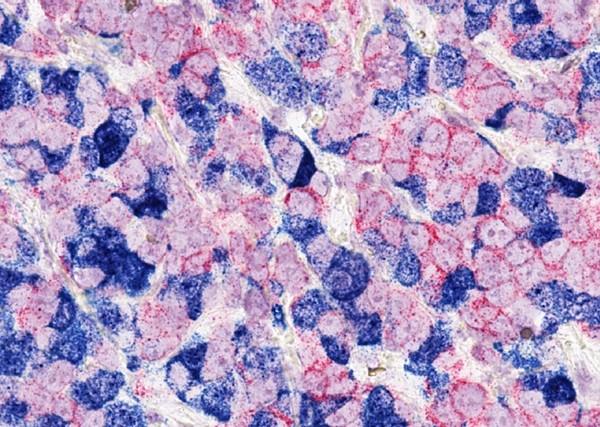
참가자들은 치료가 시작된 지 13주 만에 수술을 받았다. 이어 한 병리학자가 현미경으로 제거된 종양 조직을 검사해 치료 후 사망한 종양세포의 비율을 파악했는데, 이를 병리학적 반응이라고 한다.
명확한 효험으로 인해 등록이 조기에 중지됨
이번 임상시험은 수술 당시 각 치료 군의 병리학적으로 완전반응에 가까운 환자의 비율을 비교하기 위해 마련됐다. 완전반응이란 종양의 90% 이상이 사멸되는 것을 말한다.
연구팀은 100명의 환자를 등록할 계획이었지만, 파조파니브 + 항암치료가 항암치료 단독보다 더 효과가 있다는 것이 명백해지자 환자의 등록을 조기에 중단하였다.
시험 결과의 분석 당시 연구에 남아 있던 42명의 환자 중 파조파니브군 24명(58%) 중 14명(58%)과 대조군 18명 중 4명(22%)은 병리학적으로 거의 완전반응(약물의 투여로 암세포가 905 이상 소멸한 상태)을 보였다.
이번 연구에서 가장 흥미로운 발견 중 하나는 "표준 화학요법에 파조파니브를 추가하는 것이 안전성과 부작용의 관점에서 실현 가능했다는 것"이라고 윌키 박사는 말했다.
가장 흔히 볼 수 있는 심각한 부작용으로는 백혈구 수치가 낮고, 입원이 필요할 정도의 발열과 상처 합병증이 있다. 이러한 부작용은 파조파니브 투여를 받는 환자에게서 더 자주 발생했으며, 파조파니브 그룹 환자의 59%가 약물과 관련된 심각한 부작용을 가지고 있었다.
장기 결과를 대기 중
연구팀은 나머지 환자들을 추적해 더 큰 병리학적 반응이 장기적 결과 개선으로 이어지는지 여부를 알아낼 계획이며 약 4년 뒤 결과가 나올 것으로 기대하고 있다.
그러나 연구에 남아 있는 환자의 수가 상대적으로 적고, 환자가 더 오래 사는지를 감지하기 위해 연구가 설계되지 않았다는 사실은 명확한 답을 얻기 어렵게 만들 수도 있다고 와이스 박사는 말했다.
헤스케 박사는 또 다른 잠재적 제한은 각 치료 그룹의 모든 환자의 약 절반이 단일 유형의 연부조직 육종, (윤)활막 육종을 가지고 있었으며, 실험에 참가한 모든 환자들이 같은 방식으로 파조파니브의 혜택을 받았는지는 확실하지 않다고 지적했다. 그러나 그녀는 "다른 종류의 연부조직 육종을 독자적으로 연구하려고 한다면, 그것들은 아주 드물기 때문에 임상실험을 할 기회가 없을 것"이라고 계속 말했다.
이 연구에서 다루지 않은 한 가지 문제는 파조파니브가 전통적으로 화학요법에 반응하지 않는 연부조직 육종에서 화학요법의 효과를 높일 수 있을 것인가 하는 것이라고 헤스케 박사가 말했다.
윌키 박사는 "이번 연구의 일환으로 계획된 추가 작업이 해답에 도움이 될 수 있는 또 다른 핵심 질문은 연부조직 육종을 치료하는데 있어 파조파니브가 어떻게 작용하는지 아직도 잘 이해하지 못하고 있다"고 말했다.
파조파니브는 표적치료제로 여겨지지만, 이 약은 종양에 영양을 공급하는 새로운 혈관의 성장을 막고, 면역체계가 작동하는 방식에 영향을 미치며, 암세포가 서로 연락하는 방식에 영향을 끼친다.
"그리고 우리는 파고들고 묻는 것은 '파조파니브의 중요한 목표가 무엇인가? 이 약이 효과가 있으려면 육종에 무엇이 필요하나?'라고 그녀는 말했다. "우리가 더 잘 이해한다면 훨씬 더 정밀한 방법으로 이용할 수 있을 겁니다.“
2020년 9월 9일 : 국립암연구소 제공
Pazopanib Shows Promise for Children, Adults with Soft Tissue Sarcomas
September 9, 2020, by NCI Staff
For most people with advanced soft tissue sarcoma, standard treatment includes radiation therapy and possibly chemotherapy before surgery to remove the tumor. The goal is to kill as much of the tumor as possible before operating, which can help the surgeon get all or most of the tumor out safely and kill cancer cells that may have escaped from the original tumor.
Now, early results of a clinical trial show that for children and adults with advanced soft tissue sarcoma, adding the targeted drug pazopanib (Votrient) to chemotherapy and radiation treatment is safe and increases the chances that most of the tumor will be dead before surgery.
Having a mostly dead tumor before surgery also is thought—but not proven—to improve how well patients do in the long term, said a lead investigator on the trial, Aaron Weiss, D.O., of Maine Medical Center in Portland, Maine.
The new findings, published July 20 in The Lancet Oncology, “are very promising” though still preliminary, said Christine Heske, M.D., of the Pediatric Oncology Branch in NCI’s Center for Cancer Research, who was not involved with the study. “It will be critical to determine whether these early tumor responses translate to survival benefits for these patients.”
“This is an important study because it is trying to change the standard of care for people with advanced soft tissue sarcoma,” said Breelyn Wilky, M.D., a medical oncologist at the University of Colorado Cancer Center. Dr. Wilky was an investigator for the trial in her previous position, at the University of Miami.
The NCI-funded clinical trial also was notable because it was designed to include children, adolescents, and adults, which allowed researchers to study a larger group of people than is typical for clinical trials of these rare cancers, Drs. Wilky and Heske said.
The trial was developed and run jointly by two large clinical trial groups that are part of NCI’s National Clinical Trials Network: the Children’s Oncology Group, which studies childhood cancers, and NRG Oncology, which studies adult cancers.
This collaborative approach “could be a model for studying soft tissue sarcoma and other rare cancers” that affect people across a wide age range, including adolescents and young adults, Dr. Heske said.
Surgery to Remove Larger Tumors Can Be Risky
Soft tissue sarcoma is a group of about 100 different cancer types that form in the soft tissues of the body, including muscle, tendons, lymph vessels, and tissue around joints. The tumors can be found anywhere in the body but often form in the arms, legs, chest, and abdomen.
These cancers account for fewer than 1% of all new cancer cases diagnosed each year.
Surgery to remove large, advanced soft tissue sarcomas often is more difficult than surgery to remove a small tumor and can be risky based on the tumor’s location—for example, if the tumor is close to important structures like blood vessels or nerves, Dr. Wilky said.
Normally, surgeons will aim to remove a tumor completely, along with 1–2 centimeters of normal tissue around it, “to make sure they’ve got everything,” she continued. “But if you can’t [do that safely], the next best thing is to make sure that the edge of the tumor that you leave behind is dead… and hopefully won’t be able to spread or cause the cancer to come back.”
The new study involved patients with tumors that were large and more aggressive and initially not good candidates for surgery; in some cases, the cancer had spread, or metastasized, from the site of the original tumor.
Pazopanib, which is taken as a pill, is FDA-approved for use by itself in adults with soft tissue sarcoma who have received chemotherapy. “But at the time this study was developed, we didn’t know whether it was safe to combine pazopanib with the more traditional therapy used” for either adults or children with these cancers, Dr. Weiss said.
The study included 81 children and adults with advanced soft tissue sarcoma tumor from 57 hospitals in the United States and Canada. Participants were 2 years old or older, and the median age was 19 years in the control group and 25 years in the pazopanib group. All patients had the soft tissue sarcoma types that are known to be somewhat responsive to chemotherapy.
Patients were randomly assigned to receive chemotherapy with doxorubicin and ifosfamide, a combination commonly used to treat soft tissue sarcoma, along with radiation therapy (control group), or the same chemotherapy and radiation therapy plus pazopanib taken daily.
Participants underwent surgery 13 weeks after treatment began. A pathologist then examined the removed tumor tissue under a microscope to determine the percentage of tumor cells that were dead after treatment, which is known as the pathological response.
Enrollment Stopped Early Due to Clear Benefit
The trial was designed to compare the percentage of patients in each treatment group that had a pathological near complete response, which was defined as at least 90% of the tumor being dead at the time of surgery.
Although the team had planned to enroll 100 patients, enrollment was stopped early, after it became clear that pazopanib and chemoradiotherapy was more effective than chemoradiotherapy alone.
Among the 42 patients remaining in the study at the time results were analyzed, 14 of 24 (58%) in the pazopanib group versus 4 of 18 (22%) in the control group had a pathological near complete response.
One of the most exciting findings of the study, Dr. Wilky said, “is that adding pazopanib to standard chemotherapy was feasible from a safety and side-effect perspective.”
Serious side effects seen most commonly included low white blood cell counts, a fever requiring hospitalization, and wound complications. These side effects occurred more often in patients receiving pazopanib, and 59% of patients in the pazopanib group had a serious side effect related to the drug.
Awaiting Long-Term Results
The research team plans to follow the remaining patients to find out whether greater pathological response translates into improved long-term outcomes and expects to have those results in about 4 years.
However, the relatively small number of patients remaining in the study and the fact that the study was not designed to detect whether patients live longer may make it hard to get a clear answer, Dr. Weiss said.
Another potential limitation, Dr. Heske noted, is that roughly half of all patients in each treatment groups had a single type of soft tissue sarcoma, synovial sarcoma, and it’s not clear if all patients in the trial benefited from pazopanib in the same manner. However, she continued, “if you tried to study some of the other types of soft tissue sarcoma on their own, you'd have no opportunity to do a clinical trial because they're just so rare.”
One question that remains, which this study did not address, is whether pazopanib would enhance the effects of chemotherapy in types of soft tissue sarcoma not traditionally thought to be responsive to chemotherapy, Dr. Heske said.
Another key question, which additional work planned as part of the study may help answer, is that “we still don’t really understand how pazopanib works” in treating soft tissue sarcoma, Dr. Wilky said.
Although pazopanib is considered a targeted therapy, the drug blocks the growth of new blood vessels that feed tumors, affects the way the immune system works, and affects the way cancer cells talk to each other, she continued.
“And we’ve never delved in and asked, ‘What is the important target of pazopanib? What do you need to have in your sarcoma for this drug to be effective?’” she said. “If we had a better understanding, we would be able to use it in a much more precise way.”
암스쿨에 게재된 기사는 미국국립암연구소(NCI), 미국암협회(ACS), 국립암센터(NCC), 일본국립암연구소(NCCJ), 엠디앤더슨암센터(MD Anderson Cancer Center) 등 검증된 기관의 검증된 자료를 토대로 작성되었습니다.
이 글은 2020년 9월 작성 시점의 정보입니다. 치료 기준·급여 정보는 바뀌었을 수 있으니, 진료와 치료 결정은 반드시 담당 의료진과 상의하세요.