일상생활, 이렇게 살아라
2020.09.10 · 전영조 전문위원
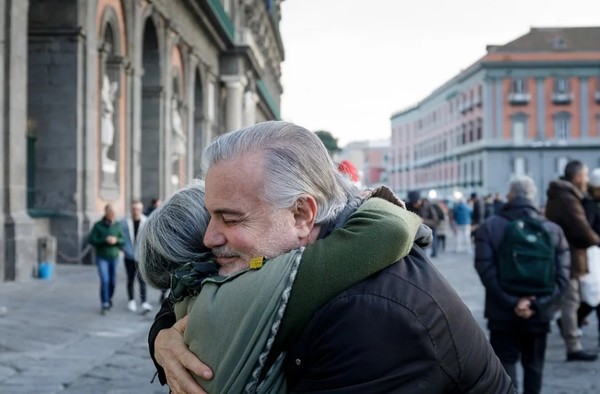
암에 대처하는 것은 대부분의 사람들에게 인생을 바꾸는 사건이다. 많은 사람들에게 있어, 지금은 후회를 최소화하고 새로운 우선순위를 정하는 시간이 될 수 있다. 하루하루를 가능한 한 평범하게 살도록 노력하라. 당신이 하고 싶은 간단한 것들을 즐기고 큰 행사들에서 즐거움을 가져라.
매일의 일과를 잘 지켜라
만약 당신이 충분히 건강하다면, 매일의 일과를 따라가라. 여기에는 다음이 포함된다.
▲ 일자리로 복귀
▲ 가족 및 친구들과의 시간 보내기
▲ 활동에 참여
▲ 여행 가기
어떻게 시간을 보내고 싶은지, 누구와 함께 하고 싶은지 생각해 보라. 무엇이 당신을 행복하게 만드는지? 당신은 어떤 종류의 것들을 가장 즐기는지?
"암은 내가 어떻게 나날을 보내는지 자세히 보게 해주었다. 나에게 유익하거나 즐거움을 가져다주는 방법으로 시간을 쓰겠다고 다짐했다.“ —린제이
즐겁게 살아라
암이 있는 동안에도 인생의 기쁨을 누릴 수 있다. 때때로 암에 걸린 사람들은 이전에 해본 적이 없는 새롭고 재미있는 일들을 시도한다. 예를 들어, 여러분은 항상 열기구를 타거나 크루즈선 여행을 하고 싶었는가? 항상 시도하고 싶었지만, 시간을 들여서 해본 적이 없는 재미있는 일이 뭐가 있을까?
꼭 해야 해서가 아니라 그냥 재미로 무언가를 하려고 노력해라. 하지만 지치지 않도록 조심해라. 어떤 사람들은 너무 피곤해지면 우울해진다. 여러분이 건강함을 느끼고 이러한 즐거운 활동을 즐길 수 있도록 충분한 휴식을 취하도록 하라.
유머 찾기 및 웃음
"암이 생명을 위협하는가? 그래, 근데 왜 미쳐 죽겠어? 그래서 끝까지 농담을 했는데 도움이 된 것 같다"고 말했다. —아리
만약 당신이 당신의 친구들과 가족들과 농담을 하고 싶다면, 지금 멈추지 마라. 많은 사람들에게 유머는 통제력을 얻는 방법이다. 웃음은 긴장을 푸는데 도움을 줄 수 있다. 웃을 때, 당신의 뇌는 즐거움을 만들고 근육을 이완시키는 화학물질을 방출한다. 심지어 미소도 스트레스를 주는 생각과 싸울 수 있다. 물론, 여러분은 항상 웃고 싶지는 않을지 모르지만, 다른 사람들은 이러한 생각들이 다음과 같은 도움을 줄 수 있다는 것을 발견했다.
▲ 사람들에게 재미있는 카드를 보내달라고 요청
▲ 아이와 애완동물이 하는 재미있는 일 즐기기
▲ 재미있는 영화나 TV쇼 시청
▲ 코미디 녹음 및 팟 캐스트 듣기
▲ 재미있는 책상 달력 구입
▲ 해학 관련 책이나 기사 읽기
▲ 인터넷에서 웹 사이트 및 동영상을 확인하기. 컴퓨터가 없는 경우 로컬 라이브러리에서 컴퓨터를 사용하기
여러분은 심지어 스스로를 웃을 수 있다는 것을 발견할지도 모른다. 한 여성은 "올여름 친구를 도와주러 갔는데 날씨가 너무 더워서 가발을 벗었다"고 말했다. "갈 준비를 했는데 찾을 수가 없었어. 여기저기를 뒤져보니 그녀의 개의 입에 걸려 있었다. 그러나 그냥 머리에 꽂고 집으로 갔다. 남편은 '어떻게 된 거야?'라고 말했다. 가발이 예전 같지 않다는 것은 두말할 필요도 없었다."
신체 활동
많은 사람들이 수영, 걷기, 요가, 자전거 타기 같은 신체 활동에 참여할 때 더 많은 에너지를 갖게 된다는 연구 결과가 나왔다. 그들은 이런 종류의 운동이나, 그들의 몸을 움직이게 하는 어떤 것이든, 그들을 강하게 유지시키고 기분을 좋게 하는 데 도움이 된다는 것을 발견한다. 매일 약간의 운동은 아래의 것들을 가능하게 해준다. :
▲ 기분 개선의 기회를 증가
▲ 근육의 탄력 유지
▲ 치유 시간 단축
▲ 피로 감소
▲ 스트레스 조절
▲ 식욕 증진
▲ 변비 감소
▲ 마음을 나쁜 생각에서 해방시켜줌
한 번도 신체활동을 해본 적이 없더라도 지금 시작할 수 있다. 하고 싶다고 생각하는 것을 선택하고, 의사에게 그것을 시도해 볼 수 있도록 해 보라. 침대에 누워 있어도 할 수 있는 운동이 있다.
목표 설정
다시 몸이 좋아졌을 때 치료 후의 것을 보고 무엇을 하고 싶은지 생각해 보는 것이 도움이 될 수도 있다. 많은 사람들이 무언가를 향해 일할 수 있도록 목표를 정한다. 예를 들어, 그들은 여행을 연구하고 계획하거나, 그들이 항상 배우고자 했던 수업과 학습에 대해 생각한다. 그들은 결혼식에 가거나 새로운 손자를 만나는 것을 기대할 수 있다.
1.Keep Up with Your Daily Routine
Updated: January 24, 2019
If you feel well enough, keep up with your daily routine. This includes:
•Going to work
•Spending time with family and friends
•Taking part in activities
•Going on trips
Think about how you want to spend your time and who you like to be with. What makes you happy? What types of things do you enjoy the most?
“My cancer made me take a closer look at how I spend my days. I vowed to use my time in ways that were good for me or brought me pleasure.”
—Lindsay
Have Fun
You can still have joy in your life while having cancer. Sometimes people with cancer try new, fun things that they have never done before. For instance, have you always wanted to ride in a hot air balloon or go on a boat cruise? What fun things have you always wanted to try, but have never taken the time to do?
Try to do something just for fun, not because you have to do it. But be careful not to tire yourself out. Some people get depressed when they are too tired. Make sure to get enough rest so you feel strong and can enjoy these fun activities.
Finding Humor and Laughing
“Is cancer life-threatening? Yes, but why die mad? So I joked about it all the way through, and I think it helped me.”
—Ari
If you like to joke with your friends and family don't stop now. For many people, humor is a way to gain a sense of control. Laughter can help you relax. When you laugh, your brain releases chemicals that produce pleasure and relax your muscles. Even a smile can fight off stressful thoughts. Of course, you may not always feel like laughing, but other people have found that these ideas can help:
•Ask people to send you funny cards
•Enjoy the amusing things children and pets do
•Watch funny movies or TV shows
•Listen to comedy recordings and podcasts
•Buy a funny desk calendar
•Read humor-related books or articles
•Check out websites and videos on the Internet. If you don't own a computer, use one at your local library
You may even find that you can laugh at yourself. "I went by to help a friend this summer, and it was really hot, so I took my wig off," one woman said. "I got ready to go and I couldn't find it. After searching high and low, I found it hanging from her dog's mouth. But I just stuck it on my head and went home. My husband said, 'What happened?' Needless to say that wig has never been the same."
Physical Activities
Research shows many people find they have more energy when they take part in physical activities such as swimming, walking, yoga, and biking. They find that these types of exercise, or anything that gets their body moving, helps to keep them strong and makes them feel good. A bit of exercise every day:
•Improves your chances of feeling better
•Keeps your muscles toned
•Speeds your healing
•Decreases fatigue
•Controls stress
•Increases appetites
•Decreases constipation
•Helps free your mind of bad thoughts
Even if you have never done physical activities before, you can start now. Choose something you think you'd like to do, and get your doctor's okay to try it. There are exercises you can do even if you have to stay in bed.
Set Goals
You may find it helpful to look beyond your treatment and think about what you want to do when you feel well again. Many people set goals so that they can work toward something. For example, they research and plan a trip, or they think about classes and learning things they’ve always meant to learn. They may look forward to going to a wedding or meeting a new grandchild.
2. 암 치료와 영성
업데이트 : 2015년 5월 18일
이 단원의 주제
•영성에 대한 일반 정보
•영성과 삶의 질
•영적 평가
•환자의 영적, 종교적 요구 충족
영성에 대한 일반 정보
핵심 포인트
•종교적, 영적 가치는 암에 대처하는 환자에게 중요하다.
•영성과과 종교는 다른 의미를 가질 수 있다.
• 암과 같은 심각한 질병은 영적인 고통을 초래할 수 있다.
종교적이고 영적인 가치는 암에 대처하는 환자에게 중요하다.
여러 연구에 의하면 미국인들에게 종교적, 영적 가치가 중요하다는 것을 보여주었다. 대부분의 미국 성인들은 신을 믿고 그들의 종교적 믿음이 그들의 삶에 영향을 준다고 말한다. 그러나 사람들은 사후의 삶과 기적에 대한 믿음, 그리고 다른 종교적 신념에 대해 다른 생각을 가지고 있다. 그러한 믿음은 성별, 교육 및 민족적 배경에 기초할 수 있다.
많은 암 환자들은 그들이 질병에 대처하는 것을 돕기 위해 영적 또는 종교적 신념과 관행에 의존한다. 이것을 영(정신)적 대처라고 한다. 많은 간병인들 또한 영적인 대처에 의존한다. 사람들은 문화적, 종교적 전통에 따라 다른 정신적 욕구를 가질 수 있다. 일부 중증 환자들의 경우 영적 행복은 죽음에 대해 얼마나 많은 불안을 느끼는지에 영향을 미칠 수 있다. 다른 사람들에게 있어, 그것은 삶의 종말 치료에 대해 그들의 결정에 영향을 미칠 수 있다. 일부 환자와 간병하는 가족들은 의사들이 영적인 관심사에 대해 이야기하기를 원할 수도 있지만, 어떻게 이 문제를 꺼낼지에 대해 확신이 서지 않을 수도 있다.
일부 연구는 의사들이 매우 아픈 환자들에게 영적 안녕을 지원하는 것이 그들의 삶의 질을 향상시키는 데 도움이 된다는 것을 보여준다. 암에 대처하는 환자들을 치료하는 의료 사업자들은 종교적이고 영적인 관심으로 그들을 도울 새로운 방법을 찾고 있다. 의사들은 환자들에게 인생의 끝자락뿐만 아니라 치료 중에 어떤 영적인 문제가 그들에게 중요한지 물어볼 수 있다. 진행성 암 환자가 의료진으로부터 정신적 영적지원을 받을 경우, 말기에 호스피스 진료를 선택할 가능성이 더 높고 덜 공격적인 치료를 받을 수 있다.(종말기 문제에 대한 내용은 '진행성 암 말기 진료를 위한 전환 계획' PDQ 요약본 참조)
영성과 종교는 다른 의미를 가질 수 있다.
영성과 종교라는 용어는 종종 서로 혼용으로 쓰이지만, 많은 사람들에게 다른 의미를 가지고 있다. 종교는 대개 조직화된 집단 내에서 특정한 일련의 믿음과 관행으로 정의될 수 있다. 영성은 개인의 평화 의식, 목적, 타인과의 연결, 그리고 삶의 의미에 대한 믿음으로 정의될 수 있다. 영성은 조직화된 종교를 통하여 혹은 다른 방식으로 발견되고 표현될 수 있다. 환자들은 자신을 영적, 종교적 존재라고 또는 둘 다로 생각할 수 있다.
암과 같은 심각한 질병은 영(정신)적인 고통을 초래할 수 있다.
암과 같은 심각한 질병은 환자나 가족 보호자들이 그들의 믿음이나 종교적 가치에 대해 의구심을 갖게 하고 영적인 고통을 많이 일으킬 수 있다. 일부 연구에서는 암환자가 신에게 벌을 받고 있다고 느끼거나 진단을 받은 후 신앙을 상실할 수도 있다는 것을 보여준다. 다른 환자들은 암에 대처할 때 가벼운 영적 정신적 고통을 느낄 수 있다.
이 요약은 암에 걸린 어른들의 영성과 종교에 관한 것이다.
영성과 삶의 질
핵심 포인트
•영적, 종교적 행복은 삶의 질을 향상시키는 데 도움이 될 수 있다.
•영적 고통은 건강에도 영향을 미칠 수 있다.
영적, 종교적 행복은 삶의 질을 향상시키는데 도움을 줄 수 있다.
영성과 종교가 건강과 어떤 관련이 있는지는 확실하지 않다. 일부 연구에서는 영적 또는 종교적 신념과 실천이 환자의 기분을 좋게 하고 가족 간병인의 복지를 향상시키는 데 도움이 될 수 있는 긍정적인 정신적 태도를 만들어 낸다고 한다. 정신적, 종교적 행복은 다음과 같은 방법으로 건강과 삶의 질을 향상시키는데 도움을 줄 수 있다.
• 불안과 우울, 분노 및 불편함을 감소시킨다.
•고립감(혼자라는 감정) 및 자살 위험의 감소
•알코올 및 약물 남용 감소
•저혈압과 심장질환의 위험성 저감
•암과 치료에 환자의 적응에 도움.
•암 치료 중 인생을 즐길 수 있는 능력 향상
•암과 함께 생활한 결과 개인의 성장 느낌 부여.
•다음과 같은 긍정적인 느낌 증가:
-희망과 낙관.
-후회로부터 자유.
-삶에 대한 만족감.
-내면의 평화 느낌.
영적, 종교적 행복은 또한 환자가 더 오래 살도록 도울 수 있다.
영적 정신적 고통은 건강에도 영향을 미칠 수 있다.
영적 정신적 고통은 환자들이 암과 암 치료에 대처를 더 어렵게 만들 수도 있다. 의료진은 환자들이 자신의 영적 정신적 문제를 다루는데 도움을 주기 위해 경험 많은 영적 또는 종교적인 지도자들과 만나도록 권장할 수 있다. 이것은 그들의 건강과 삶의 질, 그리고 대처 능력을 향상시킬 수 있다.
영적 진단
핵심 포인트
•영적 진단은 의사가 종교적 또는 영적 믿음이 환자가 암에 대처하는 방식에 어떤 영향을 미치는지 이해하는 데 도움이 될 수 있다.
•영적 진단은 종교적 신념과 영적 관행을 탐구한다.
영적 진단은 의사가 종교적인 믿음이나 영적인 믿음이 환자가 암에 대처하는 방식에 어떤 영향을 미치는지 이해하는 데 도움을 줄 수 있다.
영적 진단은 의사가 환자의 삶에서 종교적, 영적 믿음이 가지는 역할을 이해하기 위해 사용하는 방법이나 도구다. 이것은 의사가 이러한 믿음이 암의 진단과 암 치료에 대한 결정에 환자가 반응하는 방식에 어떤 영향을 미치는지 이해하는 데 도움이 될 수 있다. 일부 의사나 간병인들은 환자가 영적 정신적인 문제를 제기하기를 기다릴 수도 있다. 다른 사람들은 인터뷰나 설문지를 사용할 수 있다.
영적 진단은 종교적 믿음과 영적 수행을 탐구한다.
영적 진단에는 다음 사항에 대한 질문이 포함될 수 있다.
•종교적 교파(있는 경우)?
•신앙(믿음) 또는 삶의 철학?
•중요한 영적 수행(관행) 또는 의식?
•영성 또는 종교를 힘의 원천으로 사용하는지?
•지원 단체의 일원이 됨?
•기도나 명상을 하나?
•신앙의 상실?
•정신적 또는 종교적 신념과 암 치료 사이의 갈등 여부?
•의료 제공자와 간병인이 환자의 정신적 요구에 도움을 줄 수 있는 방법?
•죽음과 사후세계에 대한 우려?
•생의 종말 계획. (종말 계획에 대한 자세한 내용은 진행성 암에서 생의 종말 가료로의 전환 계획 PDQ 요약 참조).
의료팀은 환자가 중요하다고 느끼는 모든 문제에 대해 질문하지 않을 수 있다. 환자들은 암 치료에 영향을 미칠 수 있다고 생각하는 다른 정신적 또는 종교적 문제들을 제기해야 한다.
환자의 영적 정신적, 종교적 욕구 충족
핵심 포인트
•암 치료 중 영적 욕구가 있는 환자를 돕기 위해 의료진은 환자의 소원에 귀를 기울여준다.
•의료팀은 목표를 설정하고 치료를 계획할 때 환자의 영적 정신적 욕구를 도울 것이다.
암 치료 중 영적 욕구가 있는 환자를 돕기 위해 의료진은 환자의 소원에 귀를 기울여준다.
영성과 종교는 매우 개인적인 문제다. 환자들은 의사와 간병인이 그들의 종교적, 정신적 신념과 관심사를 존중하기를 기대해야 한다. 질병에 대처하기 위해 영성에 의존하는 암환자들은 의료진에 기댈 수 있어야 한다. 여기에는 환자에게 영적 또는 종교적 필요를 도울 수 있는 사람이나 집단에 대한 정보를 제공하는 것이 포함될 수 있다. 대부분의 병원에는 목회자가 있지만, 모든 외래시설에 교당이 있는 것은 아니다. 암 치료 중 영성을 논하고 싶지 않은 환자들도 자신의 소원을 존중하는 의료진에게 의지할 수 있어야 한다.
의사와 간병인들은 환자의 관심사에 대응하려고 할 것이지만, 환자의 종교적 수행에 참여하거나 특정한 종교적 신념을 논의하지는 않을 수 있다.
의료팀은 목표를 설정하고 치료를 계획할 때 환자의 정신적 욕구를 도울 것이다.
의료팀은 다음과 같은 방법으로 환자의 정신적 요구를 도울 수 있다.
•환자의 영적 정신적 또는 종교적 관점을 존중하는 치료 목표와 선택사항 제시
•아플 동안 환자의 영적 대처의 활용을 지원
•환자가 자신의 종교적 또는 정신적 지도자와 대화할 수 있도록 권장
•아플 동안 영적인 문제를 해결할 수 있는 병원 목사 또는 지원 그룹에 환자를 소개
•영적 정신적 복지를 증진시키는 것으로 나타난 다른 치료법을 환자에게 소개하라. 여기에는 요가나 명상과 같은 ‘챙김 이완’이나, 글쓰기와 그림 그리기, 음악 치료와 같은 창의적 예술 프로그램이 포함된다.
2.Spirituality in Cancer Care (PDQ®)–Patient Version
Updated: May 18, 2015
On This Page
•General Information About Spirituality
•Spirituality and Quality of Life
•Spiritual Assessment
•Meeting the Patient's Spiritual and Religious Needs
•Current Clinical Trials
•About This PDQ Summary
General Information About Spirituality
Key Points
•Religious and spiritual values are important to patients coping with cancer.
•Spirituality and religion may have different meanings.
•Serious illness, such as cancer, may cause spiritual distress.
Religious and spiritual values are important to patients coping with cancer.
Studies have shown that religious and spiritual values are important to Americans. Most American adults say that they believe in God and that their religious beliefs affect how they live their lives. However, people have different ideas about life after death, belief in miracles, and other religious beliefs. Such beliefs may be based on gender, education, and ethnic background.
Many patients with cancer rely on spiritual or religious beliefs and practices to help them cope with their disease. This is called spiritual coping. Many caregivers also rely on spiritual coping. Each person may have different spiritual needs, depending on cultural and religious traditions. For some seriously ill patients, spiritual well-being may affect how much anxiety they feel about death. For others, it may affect what they decide about end-of-life treatments. Some patients and their family caregivers may want doctors to talk about spiritual concerns, but may feel unsure about how to bring up the subject.
Some studies show that doctors' support of spiritual well-being in very ill patients helps improve their quality of life. Health care providers who treat patients coping with cancer are looking at new ways to help them with religious and spiritual concerns. Doctors may ask patients which spiritual issues are important to them during treatment as well as near the end of life. When patients with advanced cancer receive spiritual support from the medical team, they may be more likely to choose hospice care and less aggressive treatment at the end of life. (See the PDQ summary on Planning the Transition to End-of-Life Care in Advanced Cancer for information on end-of-life issues.)
Spirituality and religion may have different meanings.
The terms spirituality and religion are often used in place of each other, but for many people they have different meanings. Religion may be defined as a specific set of beliefs and practices, usually within an organized group. Spirituality may be defined as an individual's sense of peace, purpose, and connection to others, and beliefs about the meaning of life. Spirituality may be found and expressed through an organized religion or in other ways. Patients may think of themselves as spiritual or religious or both.
Serious illness, such as cancer, may cause spiritual distress.
Serious illnesses like cancer may cause patients or family caregivers to have doubts about their beliefs or religious values and cause much spiritual distress. Some studies show that patients with cancer may feel that they are being punished by God or may have a loss of faith after being diagnosed. Other patients may have mild feelings of spiritual distress when coping with cancer.
This summary is about spirituality and religion in adults with cancer.
Spirituality and Quality of Life
Key Points
•Spiritual and religious well-being may help improve quality of life.
•Spiritual distress may also affect health.
Spiritual and religious well-being may help improve quality of life.
It is not known for sure how spirituality and religion are related to health. Some studies show that spiritual or religious beliefs and practices create a positive mental attitude that may help a patient feel better and improve the well-being of family caregivers. Spiritual and religious well-being may help improve health and quality of life in the following ways:
• Decrease anxiety, depression, anger, and discomfort.
•Decrease the sense of isolation (feeling alone) and the risk of suicide.
•Decrease alcohol and drug abuse.
•Lower blood pressure and the risk of heart disease.
•Help the patient adjust to the effects of cancer and its treatment.
•Increase the ability to enjoy life during cancer treatment.
•Give a feeling of personal growth as a result of living with cancer.
•Increase positive feelings, including:
-Hope and optimism.
-Freedom from regret.
-Satisfaction with life.
-A sense of inner peace.
Spiritual and religious well-being may also help a patient live longer.
Spiritual distress may also affect health.
Spiritual distress may make it harder for patients to cope with cancer and cancer treatment. Health care providers may encourage patients to meet with experienced spiritual or religious leaders to help deal with their spiritual issues. This may improve their health, quality of life, and ability to cope.
Spiritual Assessment
Key Points
•A spiritual assessment may help the doctor understand how religious or spiritual beliefs will affect the way a patient copes with cancer.
•A spiritual assessment explores religious beliefs and spiritual practices.
A spiritual assessment may help the doctor understand how religious or spiritual beliefs will affect the way a patient copes with cancer.
A spiritual assessment is a method or tool used by doctors to understand the role that religious and spiritual beliefs have in the patient's life. This may help the doctor understand how these beliefs affect the way the patient responds to the cancer diagnosis and decisions about cancer treatment. Some doctors or caregivers may wait for the patient to bring up spiritual concerns. Others may use an interview or a questionnaire.
A spiritual assessment explores religious beliefs and spiritual practices.
A spiritual assessment may include questions about the following:
•Religious denomination, if any.
•Beliefs or philosophy of life.
•Important spiritual practices or rituals.
•Using spirituality or religion as a source of strength.
•Being part of a community of support.
•Using prayer or meditation.
•Loss of faith.
•Conflicts between spiritual or religious beliefs and cancer treatments.
•Ways that health care providers and caregivers may help with the patient's spiritual needs.
•Concerns about death and afterlife.
•Planning for the end of life. (See the PDQ summary on Planning the Transition to End-of-Life Care in Advanced Cancer for information on end-of-life planning).
The health care team may not ask about every issue the patient feels is important. Patients should bring up other spiritual or religious issues that they think may affect their cancer care.
Meeting the Patient's Spiritual and Religious Needs
Key Points
•To help patients with spiritual needs during cancer care, medical staff will listen to the wishes of the patient.
•The health care team will help with a patient's spiritual needs when setting goals and planning treatment.
To help patients with spiritual needs during cancer care, medical staff will listen to the wishes of the patient.
Spirituality and religion are very personal issues. Patients should expect doctors and caregivers to respect their religious and spiritual beliefs and concerns. Patients with cancer who rely on spirituality to cope with the disease should be able to count on the health care team to give them support. This may include giving patients information about people or groups that can help with spiritual or religious needs. Most hospitals have chaplains, but not all outpatient settings do. Patients who do not want to discuss spirituality during cancer care should also be able to count on the health care team to respect their wishes.
Doctors and caregivers will try to respond to their patients' concerns, but may not take part in patients' religious practices or discuss specific religious beliefs.
The health care team will help with a patient's spiritual needs when setting goals and planning treatment.
The health care team may help with a patient's spiritual needs in the following ways:
•Suggest goals and options for care that honor the patient's spiritual and/or religious views.
•Support the patient's use of spiritual coping during the illness.
•Encourage the patient to speak with his/her religious or spiritual leader.
•Refer the patient to a hospital chaplain or support group that can help with spiritual issues during illness.
•Refer the patient to other therapies that have been shown to increase spiritual well-being. These include mindfulness relaxation, such as yoga or meditation, or creative arts programs, such as writing, drawing, or music therapy.
3. 직장으로 복귀
업데이트 : 2019년 1월 24일
암에 걸린 사람들은 종종 다시 일하기를 원한다. 일은 그들에게 소득을 줄 뿐만 아니라 일상적인 감각도 준다. 일은 사람들이 자신에 대해 좋게 느끼도록 돕는다.
일터로 돌아가기 전에, 상사는 물론 의사와도 이야기하라. 당신은 자신이 일을 할 수 있을 만큼 충분히 잘 지낼지 확인하고 싶을 것이다. 당신은 더 적은 시간을 일하거나 다른 방식으로 일을 해야 할지도 모른다. 어떤 사람들은 화학요법이나 방사선 치료를 받는 동안 일을 할 수 있을 만큼 충분히 컨디션이 좋다. 다른 사람들은 치료가 끝날 때까지 휴식을 취해야 한다.
상사 및 동료와 대화
"복직하려니 꽤 불안했다. 상사와 동료들이 힘이 될 줄 알았지만 예전처럼 일을 못 할 것 같아 두려웠다“
—린
당신의 암 치료에 대한 동료들의 반응은 다를 수 있다. 어떤 사람들은 엄청난 지지의 원천이 될 수도 있고, 다른 사람들은 분노나 좌절의 원천이 될 수도 있다. 어떤 사람들은 좋은 뜻을 가지고 있지만, 그들은 적절한 말을 할 줄 모른다. 어쩌면 그들은 지원을 어떻게 해야 할지 모를 수도 있다. 일부 사람들은 당신의 암에 전혀 대응하고 싶어 하지 않는다. 그들은 당신이 예전처럼 열심히 일할 수 없다고 생각할지도 모른다.
동료들이 지지하지 않는 것처럼 보인다면, 그것은 그들이 당신이나 그들 자신을 걱정하기 때문일 수도 있다. 여러분의 암 경험은 암이 누구에게나 일어날 수 있다는 것을 그들에게 상기시켜주기 때문에 그들을 위협할 수도 있다. 그들의 두려움을 이해하고 좋은 관계를 회복하려고 노력할 때 인내심을 가지도록 노력하라. 그러나 암에 걸린 몇몇 사람들은 다른 사람들 주변에서 쾌활하게 행동하려고 하는 것에 싫증이 난다고 말한다. 우정은 무심코 놓아주고 의미 있는 사람에게 더 많은 시간을 주는 만큼 변한다는 말이 많다.
직장 내 타인 관련
당신은 다시 일하러 갈 때 당신의 삶에서 다른 사람들과 어떤 관계를 맺을 것인가? 돌아오는 것이 기분 좋은가 아니면 다른 사람들이 어떻게 반응할지 걱정되는가? 업무에 복귀하기 위한 몇 가지 팁:
• 도움을 받으십시오. 사람들이 돕겠다고 제안할 때, 그렇다고 말하고, 여러분의 삶을 더 편하게 하기 위해 그들이 할 수 있는 몇 가지 일들을 기억하라. 이렇게 하면, 당신은 당신이 필요로 하는 지원을 받을 것이고, 그들은 도움을 받을 것이다.
• 다른 사람과 대화하십시오. 만약 당신이 암에 대한 동료의 감정이 당신에게 상처를 주고 있다는 것을 발견한다면, 그 사람과 직접 대면하여 문제를 해결하도록 노력하라. 만약 그 후에도 여전히 당신의 업무에 영향을 미치고 있다면, 당신의 매니저, 직원 보조 상담사 또는 인사 사무소가 도울 수 있을 것이다.
• 처음부터 발생하는 문제에 대처하시오. 감독관이나 동료들은 여러분이 어떻게 대접받고 싶은지를 주변 사람들이 이해하도록 도울 수 있을 것이다.
• 회복하는 동안 계속 연락하십시오. 동료들이 널 걱정해줄 것이다. 하지만 만약 그들이 당신의 회복에 관하여 최신 정보를 제공한다면, 그들은 덜 불안하고 덜 두려워할 것이다. 전화로 대화하거나 이 메일을 보내거나 신뢰할 수 있는 친구나 가족을 지정하여 이 작업을 수행하십시오. 당신이 계속 연락하면 직장 복귀나 다른 활동이 당신과 다른 사람들에게 더 쉬워질 것이다.
• 자신의 암에 대해 어떤 말을 할 것인지 계획하십시오. 당신 병에 대해 다른 사람들을 상대할 수 있는 올바른 방법은 없지만, 당신이 다시 일을 시작했을 때 무슨 말을 할지 생각해 볼 필요가 있다. 어떤 사람들은 암에 초점을 맞추거나 사람들의 마음속에 그 질병과 연관되는 것을 원하지 않는다. 다른 사람들은 그것에 대해 매우 개방적이다. 그들의 상사나 다른 근로자들과 솔직하게 이야기하여 우려를 전달하고, 잘못된 생각을 바로잡고, 함께 일하는 방법을 결정한다. 가장 좋은 접근법은 당신에게 옳다고 생각이 드는 접근법이다.
직장에서의 당신의 법적 권리
암에 걸린 일부 사람들은 직장으로 돌아가거나 새로운 직장을 얻으려고 할 때 장애에 직면한다. 수년 전에 암에 걸린 사람들조차 여전히 문제가 있을 수 있다. 고용주들은 암에 대한 잘못된 생각 때문에 그들을 공정하게 대하지 못할 수도 있다. 예를 들어, 고용주는 암이 사람에서 사람으로 퍼지거나 암에 걸린 사람들이 병가를 너무 많이 쓴다고 생각할 수 있다. 일부 고용주들은 또한 암에 걸린 사람들이 회사의 보험금 부담이 클 것이라고 생각한다.
암 등 장애가 있는 근로자를 차별(부당하게 대우)하는 것은 법에 어긋난다. 노동자로서의 권리를 보호하는 국법이 있다. 그리고 새로운 직업을 찾고 있다면, 과거 건강이 당신이 찾는 직업에 직접적인 영향을 미치지 않는 한, 당신의 암 이력에 대해 이야기할 법적 의무가 없다. 자세한 내용은 암 법률 리소스 센터 웹 사이트를 참조하시오.
업무상 문제의 처리
•문제 해결 방법 결정
-직원으로서의 권리는 무엇인가?
-문제 해결을 위한 조치를 취할 용의가 있는가?
-아직도 그곳에서 일하고 싶나. 아니면 새로운 직업을 찾고 싶은가?
•필요한 경우 고용주에게 필요에 맞게 조정하도록 요청하라.
-상사, 인사처, 직원조력상담사, 매장 책임자, 노조대표와 비공식적으로 대화하는 것부터 시작하라.
-일자리를 쉽게 유지할 수 있는 변화(예: 근무시간 자율 선택제, 재택근무, 직장에서의 특수 장비)를 요청한다.
-각 요청과 그 결과를 기록한다.
•필요하다면 고용주와 함께 작업하는 데 도움을 받으라.
-주치의나 간호사에게 자신의 다른 일과 상충되지 않는 후속 방문에 대한 시간을 달라고 요청하라.
-주치의에게 고용주나 인사 담당자에게 암이 업무나 일정에 어떤 영향을 미칠 수 있는지 설명하는 편지를 쓰도록 하라.
당신이 거주하는 주의 법에 대해 담당 사회복지사와 의논하라. 사회복지사는 당신에게 직원으로서의 당신의 권리를 보호하는 국가 기관의 이름을 줄 수 있다. 당신은 또한 암에 걸린 사람으로서 얻을 수 있는 혜택에 대해 문의할 수 있다.
3.Going Back to Work
Updated: January 24, 2019
People with cancer often want to get back to work. Their jobs not only give them an income but also a sense of routine. Work helps people feel good about themselves.
Before you go back to work, talk with your doctor as well as your boss. You will all want to make sure you're well enough to do your job. You may need to work fewer hours or do your job in a different way. Some people feel well enough to work while they're having chemo or radiation treatment. Others need to take time off until their treatments are over.
Talking with Your Boss and Coworkers
“I was nervous about going back to work. I knew my supervisor and coworkers would be supportive, but I was afraid they would think I couldn't do my job like I used to.”
—Lynn
The response of coworkers about your cancer treatment may differ. Some people may be a huge source of support, while others may be a source of anger or frustration. Some people mean well, but they don't know the right thing to say. Maybe they just don't know how to offer support. Others don't want to deal with your cancer at all. They may think that you aren't able to work as hard as before.
If coworkers seem unsupportive, it could be because they're anxious for you or for themselves. Your cancer experience may threaten them because it reminds them that cancer can happen to anyone. Try to understand their fears and be patient as you try to regain a good relationship. But some people with cancer say that they get tired of trying to act cheerful around others. Many say that friendships change as they let go of their casual ones and give more time to the meaningful ones.
Relating to Others at Work
How do you relate to other people in your life when you go back to work? Does it feel good to return or do you worry how others will react? Here are some tips for returning to work:
• Accept help. When people offer to help, say yes, and have in mind some things that they could do to make your life easier. In this way, you will get the support you need, and they will feel helpful.
• Talk to others. If you find that a coworker's feelings about cancer are hurting you, try to resolve the problem with that person face-to-face. If it's still affecting your work after that, your manager, employee assistance counselor, or personnel office may be able to help.
• Address problems that come up from the start. Supervisors or coworkers may be able to help those around you understand how you want to be treated.
• Try to keep up contacts during your recovery. Coworkers will worry about you. But if they are kept up-to-date about your progress, they will be less anxious and scared. Talk to them on the phone, send email, or appoint a trusted friend or family member to do this for you. Your return to work or other activities will be easier for you and others if you stay in touch.
• Plan what you'll say about your cancer. There is no right way to deal with others about your illness, but you do need to think about what you'll say when you're back on the job. Some people don't want to focus on their cancer or be linked in people's minds with the disease. Others are very open about it, speaking frankly with their boss or other workers to air concerns, correct wrong ideas, and decide how to work together. The best approach is the one that feels right to you.
Your Legal Rights at Work
Some people with cancer face roadblocks when they try to go back to work or get a new job. Even people who had cancer many years ago may still have trouble. Employers may not treat them fairly because of false beliefs about cancer. For example, an employer may think cancer can be spread from person to person or that people with cancer take too many sick days. Some employers also think that people with cancer are poor insurance risks.
It is against the law to discriminate against (treat unfairly) workers who have disabilities such as cancer. There are national laws that protect your rights as a worker. And if you're looking for a new job, you have no legal obligation to talk about your cancer history unless your past health has a direct impact on the job you seek. For more information, go to the Cancer Legal Resource Center website.
Handling Problems at Work
•Decide how to handle the problem.
-What are your rights as an employee?
-Are you willing to take action to correct a problem?
-Do you still want to work there? Or would you rather look for a new job?
•If necessary, ask your employer to adjust to your needs.
-Start by talking informally to your supervisor, personnel office, employee assistance counselor, shop steward, or union representative.
-Ask for a change that would make it easier for you to keep your job (for example, flextime, working at home, special equipment at work).
-Document each request and its outcome for your records.
•Get help working with your employer if you need it.
-Ask your doctor or nurse to find times for follow-up visits that don't conflict with your other responsibilities.
-Get your doctor to write a letter to your employer or personnel officer explaining how, if at all, your cancer may affect your work or your schedule.
Talk with your social worker about laws in your state. Your social worker can give you the name of the state agency that protects your rights as an employee. You may also want to ask about benefits you can get as a person with cancer.
암스쿨에 게재된 기사는 미국국립암연구소(NCI), 미국암협회(ACS), 국립암센터(NCC), 일본국립암연구소(NCCJ), 엠디앤더슨암센터(MD Anderson Cancer Center) 등 검증된 기관의 검증된 자료를 토대로 작성되었습니다.
이 글은 2020년 9월 작성 시점의 정보입니다. 치료 기준·급여 정보는 바뀌었을 수 있으니, 진료와 치료 결정은 반드시 담당 의료진과 상의하세요.