모습의 변화와 성생활
2020.09.08 · 전영조 전문위원
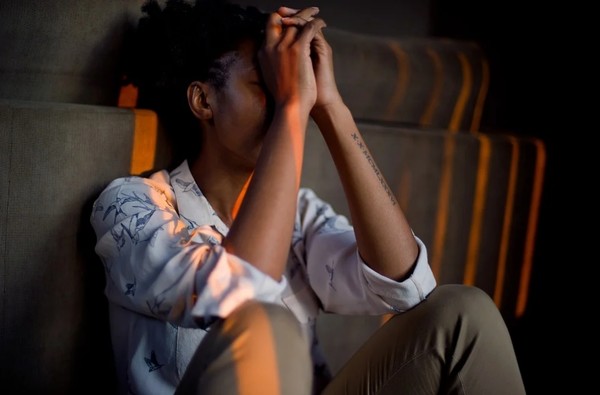
우리 각자는 외모에 대한 심상 혹은 마음속의 영상 즉 '자아상'을 가지고 있다. 비록 우리가 항상 자신의 외모를 좋아하는 것은 아닐지라도, 우리는 자신의 이미지에 익숙하고 그것을 받아들인다. 하지만 암과 그 치료법은 여러분이 자신에 대해 모습과 감정을 바꿀 수 있다. 당신의 느낌이 자신만의 것이 아니라는 것을 알아야 한다. 다른 대다수의 사람들도 비슷한 감정을 가지고 있다.
어떤 신체 변화는 단기적인 반면 어떤 것들은 영원히 지속될 것이다. 어느 쪽이든 시술 중이나 후의 외모가 큰 고민거리일 수 있다. 예를 들어 대장수술이나 직장수술 후에 인공항문을 단 사람들은 가끔 외출을 두려워한다. 그들은 장비를 장착하고 다니는 것에 대해 걱정하거나 그것이 새지 않을까 걱정한다. 어떤 사람들은 다른 사람들이 그들을 거부할 것이라고 부끄러워하거나 두려워할 수도 있다.
사람마다 각기 다른 방식으로 변한다. 어떤 변화는 다른 사람들에게 눈에 띄겠지만, 어떤 변화들은 오직 당신만이 알아차릴 것이다. 이것들 중 일부는 적응할 시간이 필요하다. 다음과 같은 문제가 발생할 수 있다.
▲ 탈모나 혹은 피부 변화
▲ 수술로 인해 생긴 흉터나 또는 외모의 변화
▲ 체중의 변화
▲ 사지 절단
▲ 인공항문
▲ 임신능력 상실, 즉 아이를 임신하거나 아버지가 되는 것이 어려울 수 있음
비록 다른 사람들이 그것을 볼 수 없더라도, 당신의 몸의 변화는 당신에게 문제가 될 수 있다. 몸의 변화에 대한 분노와 슬픔의 감정은 자연스러운 것이다. 몸이 안 좋은 느낌도 성욕을 떨어뜨릴 수 있다. 성욕 상실은 당신 자신에 대한 느낌을 악화시킬 수도 있다.
외모의 변화는 사랑하는 사람에게도 힘들 수 있고, 결국 당신에게도 힘들 수 있다. 예를 들어, 부모와 조부모들은 종종 그들이 아이나 손자에게 어떻게 보일지에 대해 걱정한다. 그들은 외모의 변화가 아이를 겁주거나 가까이 지내는 데 방해가 될까 봐 두려워한다.
신체 변화에 대처하기
▲ 신체의 일부의 상실을 슬퍼하고 슬프고 화가 나거나 좌절해도 괜찮다는 것을 알아두라. 당신의 감정은 진짜고, 슬퍼할 권리가 있다.
▲ 암에 대처하는 방식에 집중하려는 노력이 여러분을 더 강하고, 현명하고, 더 현실적이게 만들었다.
▲ 방사선으로 인해 피부가 변했다면 이를 치료할 수 있는 방법에 대해 의사에게 문의하라.
▲ 외모를 개선할 수 있는 새로운 방법을 찾아보라. 새로운 헤어스타일, 머리색, 화장, 또는 의복은 당신의 기분을 향상시켜 줄 것이다. 가발을 쓰고 있다면 미용사에게 가져가서 모양을 만들고 스타일링할 수 있다.
▲ 다른 환자에게 조언을 구하라.
▲ 유방 모양의 보형물을 착용하기로 선택한 경우 잘 맞는지 확인하라. 점원이나 가까운 사람에게 도움을 청하는 것을 두려워하지 마라. 그리고 건강보험이 그 비용을 지불할 수 있는지 확인해 보라.
이러한 변화에 대처하는 것은 어려울 수 있다. 그러나 시간이 흐르면서 대부분의 사람들은 적응하는 법을 배우고 앞으로 나아간다. 자세한 팁은 당사의 암 대처 페이지를 참조하라. 필요하다면 의사에게 자신의 감정에 대해 이야기할 수 있는 상담사를 추천해 달라고 요청하라.
활기찬 생활
많은 사람들은 활동적으로 지내는 것이 자신의 이미지에 도움이 될 수 있다는 것을 발견한다. 다음과 같은 몇 가지 방법을 시도해 보라.
▲ 걷기 또는 달리기
▲ 수영
▲ 스포츠 경기
▲ 운동 강좌 수강
▲ 체중 훈련
▲ 스트레칭이나 혹은 요가
활동적인 것이 외모의 변화에 대처하는 데 도움이 된다는 것을 발견할 수 있을 것이다. 그것은 스트레스를 줄이고 긴장을 푸는데 도움을 줄 수 있다. 그것은 또한 여러분이 더 강하고 더 몸을 통제하는 것을 느끼도록 도울 수 있다. 필요하면 천천히 시작하고 천천히 하라. 필요하다면 지역 체육관의 트레이너나 물리치료사에게 조언을 구하라. 당신이 활기찬 생활을 할 수 있는 방법에 대해 의사와 상의하라.
취미와 봉사활동은 또한 여러분의 자아상과 자부심을 향상시키는데 도움을 줄 수 있다. 단지 몇 가지 예를 들면, 독서와 음악 듣기, 크로스워드나 다른 종류의 퍼즐, 정원이나 풍경 가꾸기 또는 블로그를 하는 것을 좋아할지도 모른다. 아니면 교회나 지역 기관에서 자원봉사를 하거나, 예를 들어 멘토나 지도교사가 될 수도 있다. 당신은 다른 사람을 돕고 당신이 즐기는 일을 하는 것에 관여했을 때 자신에 대해 더 좋은 감정이 생긴다는 것을 발견할지도 모른다.
성생활의 변화
사람들이 암과 치료 때문에 성에 문제를 일으키는 것은 흔한 일이다. 치료가 끝나면 다시 섹스를 하고 싶은 마음이 들 수도 있지만 시간이 좀 걸릴 수도 있다. 성적인 문제는 암 치료의 다른 부작용보다 더 오래 지속될 수 있다. 이러한 변화에 적응하는 방법을 배우는데 도움을 구하는 것이 중요하다.
그때까지, 여러분과 여러분의 배우자 또는 파트너는 여러분이 서로를 아끼는 것을 보여줄 새로운 방법을 찾아야 할지도 모른다. 이것은 만지고, 잡고, 껴안고, 애정 표시의 포옹하는 것을 포함할 수 있다.
치료 관련 문제
성적 문제는 종종 신체의 변화에 의해 발생한다. 암에 따라 치료 후 섹스에 단기적 또는 장기적 문제가 생길 수 있다. 이러한 변화는 화학요법과 방사선, 수술 또는 특정 약물에 기인한다. 때로는 불안, 우울, 걱정, 스트레스와 같은 감정적인 문제들이 성관계의 문제를 일으킬 수도 있다.
어떤 유형의 문제가 발생하는가? 일반적인 우려 사항은 다음과 같다.
▲ 치료 후 친밀감에 대한 걱정. 치료 후 신체 이미지 때문에 고심하는 사람도 있을 것이다. 옷을 벗었을 때 보이는 것에 대해 생각하는 것조차 스트레스를 줄 수 있다. 사람들은 성관계를 갖는 것이 아프거나 성교를 할 수 없거나 덜 매력적으로 느껴질 것이라고 걱정한다. 통증과 흥미 상실, 우울증, 암 치료제 등도 성욕에 영향을 미칠 수 있다.
▲ 이전처럼 섹스를 할 수 없는 경우. 어떤 암 치료법은 성기에도 변화를 일으켜 성생활도 바꾼다.
-전립선암, 음경암, 고환암 치료 후 발기를 더 이상 하지 못하는 남성도 있다. 어떤 치료법은 남자의 오르가슴을 약화시키거나 건조하게 만들 수도 있다. 덜 흔한 문제들로는 사정할 수 없거나 사정한 것이 방광으로 되돌아가는 것 등이 있다.
-암 치료 후 일부 여성들은 성관계를 갖는 것이 더 힘들거나 심지어 고통스럽다고 생각한다. 일부 암 치료는 이러한 문제를 일으킬 수 있지만, 명확한 원인은 없을 수도 있다. 어떤 여성들은 또한 그들의 생식기 부위가 아프거나 마비된다.
▲ 갱년기 증상 발생. 여성들이 생리를 그만둘 때, 그들은 뜨거운 섬광, 건조함 또는 질에 조이는 것, 그리고/또는 섹스를 하고 싶은 욕구에 영향을 줄 수 있는 다른 문제들을 얻을 수 있다.
▲ 수태 능력 상실. 일부 암 치료법은 불임을 유발할 수 있어 암 생존자가 아이를 가질 수 없게 만든다. 하지만 아래 사항을 염두에 두라:
- 연령, 치료 유형, 치료 후 기간 등에 따라, 당신은 여전히 아이를 가질 수 있다.
- 가족은 다양한 방법으로 형성될 수 있다. 어떤 사람들은 입양이나 대리모를 선택한다. 어떤 사람들은 조카나 질녀들의 삶이나 아동 멘토링 프로그램에 참여한다.
- 삶의 다른 흥미와 열정에 집중하는 것을 선택할 수 있다.
- 전문적으로 지도를 받는 믿을만한 지원 단체뿐만 아니라 질문이나 관심사를 가지고 의료 팀에 연락할 수 있다. 아니면 자세한 내용과 미국의 회임 프로그램에 대한 참조를 보려면 「“리브 스트롱” 회임」 이란 단체 연락할 수도 있다.
도움의 요청
비록 여러분이 어색하게 느낄 수 있지만, 여러분이 배우자 간의 친밀감이나 성생활에 문제가 있다면 의사나 간호사에게 알려라. 당신과 당신의 사랑하는 사람이 서로에게 기쁨을 줄 수 있는 치료법이나 다른 방법이 있을 수 있다. 만약 담당 의사가 당신과 성적인 문제에 대해 이야기 할 수 없다면, 할 수 있는 의사의 이름을 물어보라. 어떤 사람들은 다른 커플(배우자나 동거인)들과 대화하는 것이 도움이 된다고 생각한다.
성적 문제들이 항상 저절로 좋아지는 것은 아닐지도 모른다. 때때로 변화를 일으키는 근본적인 질환이 있을 수 있다. 일반적인 변화 및 일부 해결책은 다음과 같다.
▲ 발기 문제. 약물과 보조 기기, 상담, 수술 또는 다른 접근법이 도움이 될 수 있다.
▲ 질의 건조. 질 속의 건조함이나 조임은 폐경 때문에 생길 수 있다. 성교를 할 때 수성 윤활제를 사용하는지, 섹스하기 전에 질 확장기를 사용하는지, 그리고/또는 호르몬을 복용하거나 호르몬 크림을 사용하는 것이 당신을 위한 선택사항인지 물어 보라.
▲ 근육 약화. 케겔 운동을 함으로써 생식기 부분의 근육을 강화하는데 도움을 줄 수 있다. 이것은 소변의 흐름을 막기 위해 근육을 조절하는 연습을 할 때와 같다. 소변을 보지 않을 때에도 이러한 운동을 할 수 있다. 그냥 하루 종일 앉아 있거나 서 있거나 할 때 근육을 조이고 이완시켜라.
기타 여러분이 이야기하고 싶은 이슈는 다음과 같다
▲ 자녀 갖기에 대한 우려. 의사와 가족계획 문제에 대해 상의하라. 여성이라면 생리가 안 되더라도 피임을 사용할 필요가 있는지 물어본다.
▲ 상담원과 대화. 어떤 사람들은 암과 관련된 성적인 문제가 파트너와의 관계를 긴장시키기 시작한다는 것을 발견한다. 이런 경우라면 간호사나 사회복지사에게 상담사와 상담할 수 있는지 물어본다. 혼자 또는 파트너와 함께 대화하는 것이 도움이 될 수 있다.
▲ 전문가 만나기. 성 치료사는 자신의 문제에 대해 공개적으로 이야기하고, 당신의 걱정을 해결하며, 당신과 파트너에게 도움이 되는 새로운 방법을 생각해낼 수 있도록 도울 수 있을 것이다.
파트너에게 느낌을 말하라
사랑하는 사람과 대화하고 자신의 감정과 걱정을 나누는 것은 매우 중요하다. 오랜 시간 함께한 부부라도 계속 유대감을 유지하기는 어려울 수 있다.
당신이 섹스를 하고 싶은지 아니면 그냥 껴안고 키스하고 애정 표현의 포옹을 하고 싶은지 당신의 파트너에게 알려라. 파트너는 당신과 섹스하는 것을 두려워할지도 모른다. 아니면 당신의 파트너가 당신을 다치게 할까 걱정하거나 당신이 몸이 좋지 않다고 생각할 수도 있다.
당신의 성생활에 대해 당신이 가지고 있는 어떤 걱정거리들에 대해 당신의 파트너에게 말하시오. 자신의 감정에 대해 마음을 열고 비난을 피하는데 긍정적으로 생각해라.
친밀해지는 방법 찾기
암에도 불구하고 당신은 여전히 친밀한 관계를 가질 수 있다. 친밀감은 육체적인 것만이 아니다. 그것은 또한 감정을 포함한다. 다음은 친밀한 관계를 개선하는 몇 가지 방법이다:
▲ 단순히 대화와 유대감을 갱신하는 데 집중하라.
▲ 함께 있는 시간을 확보하라. 전화와 TV를 꺼라. 필요하다면 몇 시간 동안 아이들을 돌볼 사람을 찾아라.
▲ 천천히 하라. 육체적이 아닌 함께할 수 있는 한 시간 정도 계획을 세워라. 예를 들어, 여러분은 음악을 듣거나 산책을 하고 싶을지도 모른다.
▲ 새로운 터치를 시도하라. 암 치료나 수술은 환자의 몸을 바꿀 수 있다. 촉감이 좋았던 부위는 이제 마비되거나 아플 수 있다. 이러한 변화들 중 일부는 사라질 것이다. 일부는 남아 있을 것이다. 일단 만지거나, 안거나 진한 포옹 등 어떤 촉감이 좋은지 함께 알아낼 수 있다.
치료 후 친밀감 느끼기
암 치료가 끝날지언정 성적인 문제는 당분간 남아있을 수도 있다. 하지만 여러분은 서로를 아끼는 것을 보여주는 다른 방법들을 찾을 수 있답니다. 당신의 파트너와 가깝게 느끼는 것은 중요하다.
▲ 자신의 몸을 자랑스럽게 여기십시오. 치료는 끝났어요!
▲ 더 매력적이고 자신감 있는 느낌을 주는 것들을 생각해 보시오.
▲ 매사에 적극적이 되라. 당신의 생각은 당신의 성생활에 영향을 미칠 수 있기 때문에, 당신의 생각을 의식하도록 노력하라.
▲ 변화에 마음을 열라. 친밀감을 즐기는 새로운 방법을 찾을지도 모른다.
데이트하기
독신인 경우, 신체 변화와 성에 대한 걱정이 데이트에 대한 느낌에 영향을 줄 수 있다. 스스로 그 변화를 받아들이려고 애쓰면서 남들이 어떻게 느낄지 고민도 하게 된다. 예를 들어, 탈모, 흉터, 인공항문 같은 신체적인 것에 대해 어떤 사람이 어떻게 반응할지 궁금할 수도 있다. 아니면 성적인 문제나 출산력 감퇴를 꺼내는 것이 어색하게 느껴질 수 있는데, 그것은 오히려 더 가깝게 느껴지게 할 수 있다.
다시 데이트를 시작하는 것은 도전처럼 느껴질 수 있다. 당신은 살면서 새로운 사람에게 당신의 암과 신체의 변화에 대해 언제 어떻게 말해야 할지 궁금할 것이다. 일부 암 생존자들에게는, 거절당할 것에 대한 두려움이 그들이 갖고 싶은 사회적 삶을 추구하지 못하게 한다. 데이트를 하지 않기로 선택한 다른 사람들은 친구나 가족으로부터 좀 더 사교적이 되라는 압력에 직면할 수 있다. 다음은 사교적 상황으로 돌아가는 것을 더 쉽게 만들 수 있는 몇 가지 아이디어들이다.
▲ 축제 및 단체 외출, 수업, 동아리 가입 등 즐길 수 있는 활동에 집중한다.
▲ 암이 데이트와 사람을 만나지 않으려는 핑계가 되지 않도록 노력한다.
▲ 신뢰와 우정이 충실해질 때에 비로소 암에 대해 상대에게 이야기한다.
▲ 친구들과 데이트에 대해 이야기하거나 다른 암 생존자들의 조언을 얻는다.
자신이 즐기는 사회생활을 한다는 목표로 데이트를 학습 과정으로 생각해보자. 당신은 누구와 얼마나 자주 데이트를 할지 선택할 수 있다. 그리고 모든 데이트가 완벽할 필요는 없다. 만약 어떤 사람들이 당신을 거부(암에 걸리든 안 걸리든 일어날 수 있는 거부) 한다면, 당신은 실패하지 않은 것이다. 암에 걸리기 전에도 모든 데이트가 제대로 된 것은 아니라는 것을 기억하도록 하라. 그리고 어쩌면, 당신의 암 경험은 당신이 전에는 갖지 못했던 관계에 대한 목적의식과 감사함을 줄지도 모른다.
업데이트 : 2019년 1월 28일
Self-Image and Sexuality
Updated: January 28, 2019
Each of us has a mental picture of how we look, our "self-image." Although we may not always like how we look, we're used to our self-image and accept it. But cancer and its treatment can change how you look and feel about yourself. Know you aren't alone in how you feel. Many others have similar feelings.
On This Page
•Body Changes during and after Treatment
•Changes in Your Sex Life
•Dating
Body Changes during and after Treatment
Some body changes are short-term while others will last forever. Either way, your looks may be a big concern during or after treatment. For example, people with ostomies after colon or rectal surgery are sometimes afraid to go out. They worry about carrying equipment around or fear that it may leak. Some may feel ashamed or afraid that others will reject them.
Every person changes in different ways. Some will be noticeable to other people, but some changes only you will notice. For some of these you may need time to adjust. Issues you may face include:
•Hair loss or skin changes
•Scars or changes in the way you look caused by surgery
•Weight changes
•Loss of limbs
•Ostomy
•Loss of fertility, which means it can be hard to get pregnant or father a child
Even if others can't see them, your body changes may trouble you. Feelings of anger and grief about changes in your body are natural. Feeling bad about your body can also lower your sex drive. This loss may make you feel even worse about yourself.
Changes in the way you look can also be hard for your loved ones, which in turn, can be hard on you. For example, parents and grandparents often worry about how they look to a child or grandchild. They fear that changes in their appearance may scare the child or get in the way of their staying close.
Coping with Body Changes
How do you cope with body changes?
•Mourn your losses and know it's okay to feel sad, angry, and frustrated. Your feelings are real, and you have a right to grieve.
•Try to focus on the ways that coping with cancer has made you stronger, wiser, and more realistic.
•If your skin has changed from radiation, ask your doctor about ways you can care for it.
•Look for new ways to enhance your appearance. A new haircut, hair color, makeup, or clothing may give you a lift. If you're wearing a wig, you can take it to a hairdresser to shape and style.
•Talk to other patients for advice.
•If you choose to wear a breast form (prosthesis), make sure it fits you well. Don't be afraid to ask the clerk or someone close to you for help. And check your health insurance plan to see if it will pay for it.
Coping with these changes can be hard. But, over time, most people learn to adjust to them and move forward. See our Coping with Cancer pages for more tips. If you need to, ask your doctor to suggest a counselor who you can talk with about your feelings.
Staying Active
Many people find that staying active can help their self-image. Some things you can try are:
•Walking or running
•Swimming
•Playing a sport
•Taking an exercise class
•Weight training
•Stretching or yoga
You may find that being active helps you cope with changes. It can reduce your stress and help you relax. It may also help you to feel stronger and more in control of your body. Start slowly if you need to and take your time. If needed, ask a trainer at your local gym or a physical therapist for tips. Talk with your doctor about ways you can stay active.
Hobbies and volunteer work can also help improve your self-image and self-esteem. You may like to read, listen to music, do crossword or other kinds of puzzles, garden or landscape, or write a blog, just to name a few. Or you could volunteer at a church or a local agency, or become a mentor or tutor, for example. You may find that you feel better about yourself when you get involved in helping others and doing things you enjoy.
Changes in Your Sex Life
It's common for people to have problems with sex because of cancer and its treatment. When your treatment is over, you may feel like having sex again, but it may take some time. Sexual problems can last longer than other side effects of cancer treatment. It's important to seek help in learning how to adapt to these changes.
Until then, you and your spouse or partner may need to find new ways to show that you care about each other. This can include touching, holding, hugging, and cuddling.
Treatment-Related Problems
Sexual problems are often caused by changes to your body. Depending on the cancer you had, you may have short-term or long-term problems with sex after treatment. These changes result from chemotherapy, radiation, surgery, or certain medicines. Sometimes emotional issues such as anxiety, depression, worry, and stress may cause problems with sex.
What types of problems occur? Common concerns are:
• Worries about intimacy after treatment. Some may struggle with their body image after treatment. Even thinking about being seen without clothes may be stressful. People may worry that having sex will hurt or that they won't be able to perform or will feel less attractive. Pain, loss of interest, depression, or cancer medicines can also affect sex drive.
• Not being able to have sex as you did before. Some cancer treatments cause changes in sex organs that also change your sex life.
-Some men can no longer get or keep an erection after treatment for prostate cancer, cancer of the penis, or cancer of the testes. Some treatments can also weaken a man's orgasm or make it dry. Less common problems include being unable to ejaculate or ejaculation going backward into the bladder.
-After cancer treatment, some women find it harder, or even painful, to have sex. While some cancer treatments can cause these problems, there may be no clear cause. Some women also have pain or numbness in their genital area.
• Having menopause symptoms. When women stop getting their periods, they can get hot flashes, dryness or tightness in the vagina, and/or other problems that can affect their desire to have sex.
• Losing the ability to have children. Some cancer treatments can cause infertility, making it impossible for cancer survivors to have children. But keep in mind that:
-Depending on your age, the type of treatment you received, and the length of time since treatment, you may still be able to have children.
-Families can come together in many ways. Some people choose adoption or surrogacy. Some people get involved in the lives of nieces or nephews, or in child mentoring programs.
-You may choose to focus on other interests and passions in life.
-You can reach out to your health care team with questions or concerns, as well as to professionally led support groups. Or you can contact LIVESTRONG FertilityExit Disclaimer for more information, and for referrals to fertility programs in the United States.
Ask for Help
Even though you may feel awkward, let your doctor or nurse know if you're having problems with intimacy or sex. There may be treatments or other ways you and your loved one can give each other pleasure. If your doctor can't talk with you about sexual problems, ask for the name of a doctor who can. Some people also find it helpful to talk with other couples.
Sexual problems may not always get better on their own. Sometimes there can be an underlying medical problem that causes changes. Common changes and some solutions are:
• Erection problems. Medicine, assistive devices, counseling, surgery, or other approaches may help.
• Vaginal dryness. Dryness or tightness in the vagina can be caused by menopause. Ask whether using a water-based lubricant during sex, using vaginal dilators before sex, and/or taking hormones or using a hormone cream are options for you.
• Muscle weakness. You can help strengthen muscles in your genital area by doing Kegel exercises. This is when you practice controlling your muscles to stop the flow of urine. You can do these exercises even when you are not urinating. Just tighten and relax the muscles as you sit, stand, or go about your day.
Other issues you may want to talk about include:
• Concerns about having children. Discuss family planning concerns with your doctor. If you're a woman, ask if you still need to use birth control, even if you are not getting your period.
• Talking with a counselor. Some people find that sexual problems related to cancer start to strain their relationship with their partner. If this is the case, ask a nurse or social worker if you can talk to a counselor. Talking to someone alone, or with your partner, may help.
• Seeing a specialist. A sex therapist may be able to help you talk openly about your problems, work through your concerns, and come up with new ways to help you and your partner.
Tell Your Partner How You Feel
Talking to your loved one and sharing your feelings and concerns is very important. Even for a couple that has been together a long time, it can be hard to stay connected.
Let your partner know if you want to have sex or would rather just hug, kiss, and cuddle. He or she may be afraid to have sex with you. Or your partner may be worried about hurting you or think that you're not feeling well.
Talk to your partner about any concerns you have about your sex life. Be open about your feelings and stay positive to avoid blame.
Finding Ways to Be Intimate
You can still have an intimate relationship in spite of cancer. Intimacy isn't just physical. It also involves feelings. Here are some ways to improve your intimate relationship:
•Focus on just talking and renewing your connection.
•Protect your time together. Turn off the phone and TV. If needed, find someone to take care of the kids for a few hours.
•Take it slow. Plan an hour or so to be together without being physical. For example, you may want to listen to music or take a walk.
•Try new touch. Cancer treatment or surgery can change a patient's body. Areas where touch used to feel good may now be numb or painful. Some of these changes will go away. Some will stay. For now, you can figure out together what kinds of touch feel good, such as holding, hugging, and cuddling.
Feeling Intimate after Treatment
Although cancer treatment may be over, sexual problems may remain for a while. But you can find other ways to show that you care about each other. Feeling close to your partner is important.
•Be proud of your body. It got you through treatment!
•Think of things that help you feel more attractive and confident.
•Focus on the positive. Try to be aware of your thoughts, since they can affect your sex life.
•Be open to change. You may find new ways to enjoy intimacy.
Dating
If you're single, body changes and concerns about sex can affect how you feel about dating. As you struggle to accept the changes yourself, you may also worry about how others will feel. For example, you may wonder how someone will react to physical things, such as hair loss, scars or ostomies. Or it can feel awkward to bring up sexual problems or loss of fertility, which can make feeling close even harder.
Starting to date again may feel like a challenge. You may wonder how and when to tell a new person in your life about your cancer and body changes. For some cancer survivors, the fear of being rejected keeps them from seeking the social life they would like to have. Others who choose not to date may face pressure from friends or family to be more sociable. Here are some ideas that can make it easier to get back into social situations:
•Focus on activities that you have time to enjoy, such as going to festivals and group outings, taking classes or joining a club.
•Try not to let cancer be an excuse for not dating and trying to meet people.
•Wait until you feel a sense of trust and friendship before telling a new date about your cancer.
•Talk to your friends about dating or get advice from other cancer survivors.
Think about dating as a learning process with the goal of having a social life you enjoy. You get to choose who or how often you date. And not every date has to be perfect. If some people reject you (which can happen with or without cancer), you have not failed. Try to remember that not all dates worked out before you had cancer. And perhaps, your cancer experience gives you a sense of purpose and appreciation for a relationship that you didn't have before.
암스쿨에 게재된 기사는 미국국립암연구소(NCI), 미국암협회(ACS), 국립암센터(NCC), 일본국립암연구소(NCCJ), 엠디앤더슨암센터(MD Anderson Cancer Center) 등 검증된 기관의 검증된 자료를 토대로 작성되었습니다.
이 글은 2020년 9월 작성 시점의 정보입니다. 치료 기준·급여 정보는 바뀌었을 수 있으니, 진료와 치료 결정은 반드시 담당 의료진과 상의하세요.