전립선암의 치료제로 리코펜에 대한 질문과 대답
2020.08.18 · 전영조 전문위원
1. 리코펜이란 무엇인가?
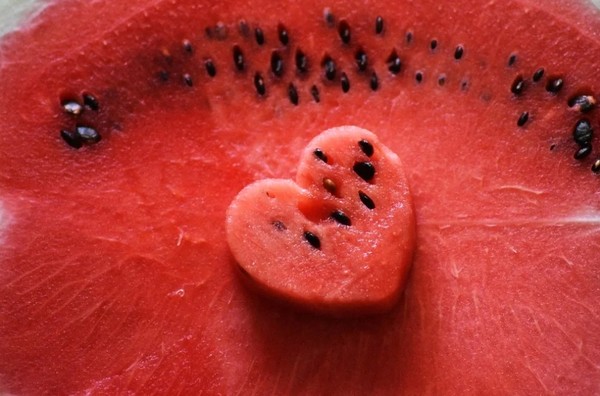
리코펜은 카로티노이드(식물이 만든 천연 적색 색소)이다. 그것은 지방과 섞이거나 녹는다. 리코펜은 빛과 관련된 스트레스로부터 식물을 보호하고 그들이 영양분을 만들기 위해 태양의 에너지를 사용하도록 돕는다. 리코펜은 토마토, 살구, 과바, 수박과 같은 과일과 야채에서 발견된다.
미국에서 리코펜의 주요 공급원은 토마토 기반의 제품이다. 리코펜은 생 토마토보다 토마토 페이스트, 토마토 퓨레와 같은 가공 토마토 제품을 섭취할 때 몸이 사용하기 쉽다. 리코펜은 심장과 혈관 질환을 예방하는 역할을 하는 것으로 연구되어 왔다.
2. 리코펜은 어떻게 주거나 복용하는가?
리코펜은 음식으로 먹거나 건강 보조식품으로 섭취할 수 있다.
3. 리코펜에 대한 연구가 사람들에게 행해진 적이 있는가?
리코펜이 전립선암을 예방하거나 치료할 수 있는지 알아보기 위해 모집단 연구와 임상실험이 이뤄졌다. 임상 실험은 혼합된 결과를 보여주었다. 어떤 연구는 전립선암에 걸릴 위험이 낮거나 전립선 특이 항원(PSA) 수준이 감소하는 것을 보여주었고, 다른 연구들은 그렇지 않았다. 리코펜이 전립선암을 예방하거나 치료할 수 있는지 알 만한 증거가 부족하다.
개체군 및 복합 연구
▲ 남성에 대한 일부 인구 연구는 식단에서 많은 양의 리코펜이 전립선암에 걸릴 위험이 낮다는 것을 발견했다.
▲ 암에 걸린 사람의 혈액과 조직의 리코펜 수치가 암에 걸리지 않은 사람보다 낮다는 연구결과도 있다. 그러나 다른 연구들은 이것을 보여주지 않았다.
▲ 2015년과 2017년에 실시된 통합 연구의 리뷰에서는 식단의 리코펜과 혈액의 리코펜 수치를 분석했다. 두 리뷰에서 리코펜 섭취가 더 높고 리코펜의 혈중 수치가 더 높으면 전립선암 위험성이 더 낮을 수 있다는 것을 발견했다.
▲ 국립암연구소의 전립선·폐·대장·난소(PLCO)암 검진 실험에 참여한 남성들을 대상으로 한 2006년 연구에서 전립선암 가족력이 없는 남성에게서 리코펜과 토마토 사이의 연관성과 전립선암 위험성은 발견되지 않았다. 그러나 가족력이 있는 남성의 경우 식단에서 더 많은 양의 리코펜이 전립선암에 걸릴 위험이 더 낮았다.
리코펜의 출처와 종류, 식단의 종류, 유전적 위험 요인, 비만, 담배와 알코올 사용, 그리고 다른 요소들은 혼합된 연구 결과에 한 몫을 할 수 있다. 대부분의 연구는 리코펜이 모든 전립선암의 위험에 미치는 영향을 연구해왔으며, 리코펜이 저급 전립선암에 미치는 영향은 진행성 전립선암에 비해 연구하지 않았다. 이 요약의 복합요법 섹션에 리코펜을 포함하는 복합요법의 다른 실험들이 있다.
4. 리코펜에서 부작용이나 위험이 보고되었는가?
리코펜은 많은 임상 실험에서 투여했지만 부작용은 거의 없었다. 설사, 메스꺼움과 구토, 팽창, 가스, 위염 등의 부작용이 보고되었다. 한 연구에서 리코펜을 식사와 함께 복용했을 때 증상이 사라졌다.
6. 리코펜은 미국 식품의약국(FDA)의 승인을 받아 미국에서 암을 예방하거나 치료하는 데 사용하는가?
미국 식품의약국(FDA)은 리코펜을 암이나 다른 질환에 대한 치료제로 사용하는 것을 승인하지 않았다. 리코펜은 FDA에 의해 일반적으로 안전하다고 인정된다.
리코펜은 미국에서 식품과 식이 보조식품으로 이용 가능하다. FDA는 건강보조식품이 안전하거나 효과적이라고 승인하지 않는다. 건강보조식품을 만드는 회사는 그들이 안전하고 라벨에 적힌 주장이 사실이며 소비자를 오도하지 않도록 할 책임이 있다. 보충제를 만드는 방법은 규제되지 않기 때문에 모든 리코펜 보충제의 생산단위와 브랜드가 같지 않을 수 있다.
Questions and Answers About Lycopene
1.What is lycopene?
Lycopene is a carotenoid (a natural red coloring made by plants). It mixes with or dissolves in fats. Lycopene protects plants from light-related stress and helps them use the energy of the sun to make nutrients. Lycopene is found in fruits and vegetables like tomatoes, apricots, guavas, and watermelons.
The main source of lycopene in the United States is tomato-based products. Lycopene is easier for the body to use when it is eaten in processed tomato products like tomato paste and tomato puree than in raw tomatoes.
Lycopene has been studied for its role in the prevention of heart and blood vessel disease.
2.How is lycopene given or taken?
Lycopene may be eaten in food or taken in dietary supplements.
3.Have any laboratory or animal studies been done using lycopene?
See the Laboratory/Animal/Preclinical Studies section of the health professional version of Prostate Cancer, Nutrition, and Dietary Supplements for information on laboratory and animal studies done using lycopene.
4.Have any studies of lycopene been done in people?
Population studies and clinical trials have been done to find out if lycopene can prevent or treat prostate cancer. Clinical trials have shown mixed results; some studies have shown a lower risk of having prostate cancer or a decrease in prostate-specific antigen (PSA) level, and others have not. There is not enough evidence to know whether lycopene can prevent or treat prostate cancer.
Population and combined studies
•Some population studies in men have found that high amounts of lycopene in the diet are linked with a lower risk of developing prostate cancer.
•Some studies have shown that lycopene levels in the blood and tissue of people with cancer are lower than in those who do not have cancer. However, other studies have not shown this.
•Reviews done in 2015 and 2017 of combined studies analyzed lycopene in the diet and lycopene levels in the blood. Both reviews found that higher lycopene intake and higher blood levels of lycopene were linked with lower prostate cancer risk.
•A 2006 study done in men who took part in the National Cancer Institute's Prostate, Lung, Colorectal, and Ovarian (PLCO) Cancer Screening Trial found no link between lycopene and tomatoes in the diet and prostate cancer risk in men with no family history of prostate cancer. However, in men with a family history of the disease, higher amounts of lycopene in the diet were linked with a lower risk of developing prostate cancer.
Sources and types of lycopene, types of diets, genetic risk factors, obesity, tobacco and alcohol use, and other factors, may play a part in mixed study results. Most research has studied the effects of lycopene on the risk of all prostate cancers, and has not studied effects of lycopene on low-grade prostate cancer compared with high-grade prostate cancer.
There are other trials of combination therapies that include lycopene in the Combination Therapies section of this summary.
5.Have any side effects or risks been reported from lycopene?
Lycopene has been given in many clinical trials with very few side effects. Side effects, such as diarrhea, nausea and vomiting, bloating, gassiness, and stomach irritation have been reported. In one study, symptoms went away when lycopene was taken with meals.
6.Is lycopene approved by the U.S. Food and Drug Administration (FDA) for use to prevent or treat cancer in the United States?
The U.S. Food and Drug Administration has not approved the use of lycopene as a treatment for cancer or any other medical condition.
Lycopene is deemed Generally Recognized as Safe by the FDA.
Lycopene is available in the United States in food products and dietary supplements. The FDA does not approve dietary supplements as safe or effective. The company that makes the dietary supplements is responsible for making sure that they are safe and that the claims on the label are true and do not mislead the consumer. The way that supplements are made is not regulated, so all batches and brands of lycopene supplements may not be the same.
Current Clinical Trials
Use our clinical trial search to find NCI-supported cancer clinical trials that are accepting patients. You can search for trials based on the type of cancer, the age of the patient, and where the trials are being done. General information about clinical trials is also available.
암스쿨에 게재된 기사는 미국국립암연구소(NCI), 미국암협회(ACS), 국립암센터(NCC), 일본국립암연구소(NCCJ), 엠디앤더슨암센터(MD Anderson Cancer Center) 등 검증된 기관의 검증된 자료를 토대로 작성되었습니다.
이 글은 2020년 8월 작성 시점의 정보입니다. 치료 기준·급여 정보는 바뀌었을 수 있으니, 진료와 치료 결정은 반드시 담당 의료진과 상의하세요.