전립선암 치료제로서 칼슘에 대한 질문과 대답
2020.08.18 · 전영조 전문위원
1. 칼슘이란 무엇인가?
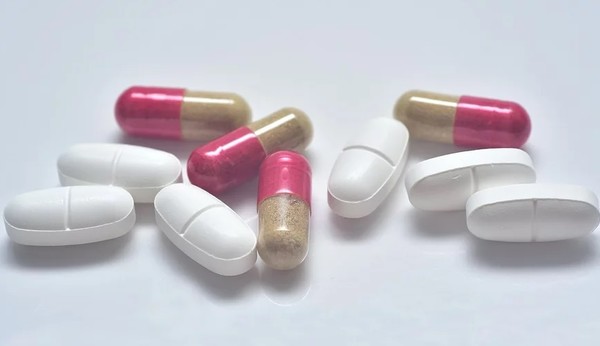
칼슘은 기본적인 혈관, 근육, 신경 기능, 세포에서 세포로 신호를 보내고 호르몬을 분비하는 데 필요한 미네랄이다. 그것은 몸에서 가장 흔한 광물이다. 신체는 주로 뼈 조직에 칼슘을 저장한다.
2. 칼슘은 어떻게 투여하거나 복용하는가?
칼슘의 주요 공급원은 음식과 건강보조식품에 있다. 식이 칼슘의 약 3분의 1은 치즈와 요구르트 같은 우유와 우유 제품에서 나온다. 야채 공급원으로는 배추, 케일, 브로콜리가 있다. 과일 주스와 음료, 두부, 시리얼과 같은 음식에는 칼슘이 첨가될 수 있다. 칼슘과 전립선암 위험에 대한 대부분의 연구는 보충제에 칼슘이 아닌 식단의 칼슘을 연구해왔다.
3. 칼슘을 이용한 실험이나 동물 연구가 있었는가?
칼슘을 사용하여 수행한 실험실 및 동물 연구에 대한 정보는 건강 전문가 버전의 전립선암, 영양 및 식이요법 보충제의 실험실/동물/사전 임상 연구 섹션을 참조하십시오.
4. 사람들에게 칼슘에 대한 연구가 이루어졌는가?
유제품과 칼슘, 전립선암 위험 사이에 연관성이 있는지 알아내기 위해 세계 각지의 사람들을 대상으로 한 연구가 진행되었다. 이들 연구 결과는 엇갈렸다. 칼슘이 전립선암 발병 위험 전반이나 치료 후 암이 재발하는 것을 막는 데 영향을 미친다는 연구결과도 있고 그렇지 않은 연구도 있다. 몇몇 연구들은 칼슘을 다량 섭취하면 전립선암에 걸릴 위험을 증가시킬 수 있다고 제안했다.
연합 연구
▲ 2005년 검토 결과 전립선암의 위험 증가와 유제품 및 칼슘이 많이 함유된 식단 사이의 연관성이 있는 것으로 확인되었다.
▲ 1996년과 2006년 사이에 발표된 연구에 대한 검토 결과, 우유와 유제품이 전립선암의 위험을 증가시킨 것으로 나타났다.
▲ 45개 연구에 대한 2008년 검토 결과 유제품과 전립선암의 위험 사이에는 아무런 연관성이 없었다.
▲ 미국 예방 서비스 태스크 포스에 대한 2013년 검토 결과 비타민 D 및/또는 칼슘 보충제를 복용하는 것은 전립선암을 포함한 암이나 사망률에 전반적인 영향을 미치지 않는 것으로 나타났다.
▲ 32개 연구에 대한 2015년 검토 결과, 식단에서 많은 양의 우유, 저지방 우유, 치즈, 총 식이 칼슘, 유제품 칼슘이 전립선암의 위험을 증가시킬 수 있다는 사실이 밝혀졌다. 칼슘 보충제와 비요정 칼슘은 전립선암의 위험 증가와 관련이 없었다.
모집단 연구
▲ 유제품, 식이 칼슘, 전립선암 위험 등에 대한 인구조사 결과 엇갈린 결과가 나왔다. 연령, 체질량지수(BMI) 및 유제품의 다른 영양소는 연구 결과에 영향을 미칠 수 있다.
임상시험
▲ 2005년 보고된 무작위 임상시험에서 남성은 4년간 칼슘이나 위약을 투여받고 12년간 추적 관찰됐다. 연구 초기 6년 동안 칼슘군은 위약군보다 전립선암 발병 사례가 적었다. 그러나 10년이 지나도 두 집단의 전립선암 발생 건수에는 차이가 없었다.
5. 칼슘은 미국 식품의약국(FDA)의 승인을 받아 미국에서 암 치료제로 사용하는가?
미국 식품의약국은 암 치료제로 칼슘을 사용하는 것을 승인하지 않았다. FDA는 건강보조식품이 안전하거나 효과적이라고 승인하지 않는다. 건강보조식품을 만드는 회사는 그들이 안전하고 라벨에 적힌 주장이 사실이며 소비자를 오도하지 않도록 할 책임이 있다. 보충제를 만드는 방법은 규제되지 않기 때문에 칼슘 보충제의 모든 단위 생상량과 브랜드가 같지 않을 수 있다.
현재 진행 중인 임상 시험
당사의 임상 시험 검색을 사용하여 환자를 수용하는 NCI 지원 암 임상 시험을 찾으십시오. 암의 종류, 환자의 나이, 그리고 실험이 행해지고 있는 곳을 기준으로 하여 실험을 검색할 수 있다. 임상시험에 대한 일반 정보도 이용할 수 있다.
Questions and Answers About Calcium
1.What is calcium?
Calcium is a mineral that is needed for basic blood vessel, muscle, and nerve functioning, for sending signals from cell to cell, and for releasing hormones. It is the most common mineral in the body. The body stores calcium mainly in bone tissue.
2.How is calcium given or taken?
The main sources of calcium are in foods and dietary supplements. About one-third of dietary calcium comes from milk and milk products like cheese and yogurt. Vegetable sources include Chinese cabbage, kale, and broccoli. Foods may have calcium added, such as fruit juices and drinks, tofu, and cereals.
Most research about calcium and prostate cancer risk has studied calcium in the diet and not calcium in supplements.
3.Have any laboratory or animal studies been done using calcium?
See the Laboratory/Animal/Preclinical Studies section of the health professional version of Prostate Cancer, Nutrition, and Dietary Supplements for information on laboratory and animal studies done using calcium.
4.Have any studies of calcium been done in people?
Studies of people in many parts of the world have been done to find out if there is a link between dairy products, calcium, and prostate cancer risk. The results of these studies have been mixed. Some studies have shown that calcium has an effect on the overall risk of developing prostate cancer or on stopping cancer from coming back after treatment, and others have not. Several studies have suggested that eating a large amount of calcium may increase the risk of having advanced and metastatic prostate cancer.
Combined studies
•A 2005 review found a possible link between an increased risk of prostate cancer and a diet high in dairy products and calcium.
•A review of studies published between 1996 and 2006 found that milk and dairy products in the diet increased the risk of prostate cancer.
•A 2008 review of 45 studies found no link between dairy products and the risk of prostate cancer.
•A 2013 review for the U.S. Preventive Services Task Force found that taking vitamin D and/or calcium supplements showed no overall effect on rates of cancer or deaths from cancer, including prostate cancer.
•A 2015 review of 32 studies found that high amounts of milk, low-fat milk, cheese, total dietary calcium, and dairy calcium in the diet may increase the risk of prostate cancer. Calcium supplements and non-dairy calcium were not linked with an increased risk of prostate cancer.
Population studies
•Population studies of dairy products, dietary calcium, and prostate cancer risk have shown mixed results. Age, body mass index (BMI), and other nutrients in dairy products may affect study results.
Clinical trials
•In a randomized clinical trial reported in 2005, men were given calcium or a placebo for 4 years and were followed for 12 years. During the first 6 years of the study, there were fewer cases of prostate cancer in the calcium group than in the placebo group. But after 10 years, there was no difference in the number of prostate cancers between the two groups.
5.Is calcium approved by the U.S. Food and Drug Administration (FDA) for use as a cancer treatment in the United States?
The U.S. Food and Drug Administration has not approved the use of calcium as a treatment for cancer.
The FDA does not approve dietary supplements as safe or effective. The company that makes the dietary supplements is responsible for making sure that they are safe and that the claims on the label are true and do not mislead the consumer. The way that supplements are made is not regulated, so all batches and brands of calcium supplements may not be the same.
Current Clinical Trials
Use our clinical trial search to find NCI-supported cancer clinical trials that are accepting patients. You can search for trials based on the type of cancer, the age of the patient, and where the trials are being done. General information about clinical trials is also available.
암스쿨에 게재된 기사는 미국국립암연구소(NCI), 미국암협회(ACS), 국립암센터(NCC), 일본국립암연구소(NCCJ), 엠디앤더슨암센터(MD Anderson Cancer Center) 등 검증된 기관의 검증된 자료를 토대로 작성되었습니다.
이 글은 2020년 8월 작성 시점의 정보입니다. 치료 기준·급여 정보는 바뀌었을 수 있으니, 진료와 치료 결정은 반드시 담당 의료진과 상의하세요.