향유를 사용한 아로마요법은 암 치료에 도움이 되나?
2020.08.11 · 전영조 전문위원
아로마요법에 대한 질문과 답변
아로마요법이란?
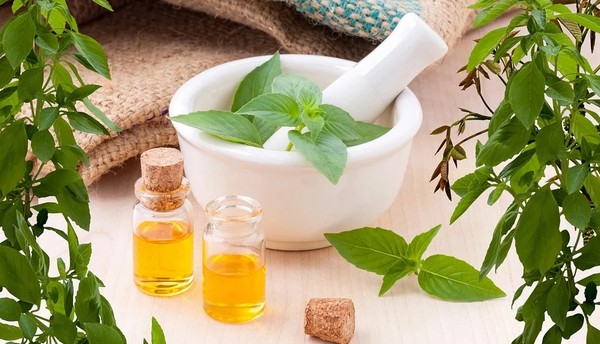
아로마요법은 식물에서 추출한 향유를 사용하여 마음과 신체, 정신을 향상시키는 것이다. 암환자가 암과 그 치료로 인한 스트레스와 불안, 통증, 메스꺼움, 구토 등을 줄이고 삶의 질을 향상시키기 위해 사용한다. 아로마요법은 증상 관리를 위해 마사지 치료와 침술과 같은 다른 보완적 치료와 함께 사용될 수 있다.
향유는 많은 식물에서 발견되는 향기로운(자연의) 부분이며, 종종 잎이나 껍질 또는 껍질 표면 아래에서 발견된다. 식물을 으깨거나 특별한 증기를 사용하면 향기가 발산된다.
아로마요법에는 카모마일과 제라늄, 라벤더, 차나무, 레몬, 생강, 삼나무, 베르가못(작은 오렌지나 수레박하) 등 많은 향유가 사용된다. 각 식물의 향유는 냄새, 흡수 방법, 그리고 몸에 어떤 영향을 미치는가에 영향을 미치는 다른 화학적 성분을 갖고 있다.
향유는 매우 농축되어 있다. 예를 들어, 약 220파운드의 라벤더 꽃이 향유 1파운드를 만드는데 필요하다. 향유의 향기는 공기에 열어두면 금방 사라진다.
아로마요법은 어떻게 주입하거나 복용하는가?
아로마요법은 여러 가지 방법으로 사용된다.
▲ 간접 흡입 : 환자는 향유를 공기 중에 퍼트리는 실내 확산 장치를 사용하거나 근처에 있는 휴지나 면 조각에 방울을 놓아 향유를 들이마신다.
▲ 직접 흡입 : 환자는 뜨거운 물 위에 향유 방울을 떠서 만든 개별 흡입기를 이용해 향유를 들이마신다.
▲ 마사지 : 아로마 요법 마사지는 한 가지 이상의 향유를 희석하여 들이마신다.
향유는 또한 목욕 소금과 로션에 섞거나 붕대에 발라서 사용할 수 있다. 특정 질환을 치료하는 데 사용되는 몇 가지 향유가 있다. 그러나 아로마요법 시술사의 경험과 훈련에 따라 사용되는 향유의 종류와 그 혼합 방법이 다르다.
아로마요법을 사용하여 임상 전(실험실 또는 동물) 연구를 수행한 적이 있는가?
실험실 연구에서, 종양 세포는 어떤 물질이 항암 효과를 가질 가능성이 있는지를 알아내기 위해 시험하는데 사용된다. 동물 연구에서는 약물, 절차 또는 치료가 동물에게 안전하고 효과적인지 알아보기 위해 검사를 한다. 실험실과 동물 연구는 어떤 물질이 사람들에게 시험되기 전에 행해진다.
실험실과 동물 연구에서 향유의 효과를 시험했다. 향유를 사용한 실험실 및 동물 연구에 대한 내용은 건강 전문가 버전의 아로마 요법의 실험실/동물/사전 임상 연구 섹션을 참조하십시오.
아로마요법의 인간 대상 임상시험을 한 적이 있는가?
아로마요법의 임상 실험은 암 환자의 불안과 메스꺼움, 구토 및 기타 건강 관련 질환의 치료에 그 사용을 연구했다. 암 치료에 사용되는 아로마 요법에 대한 연구는 동료들이 검토한 과학 학술지에 발표되지 않았다.
아로마 요법에 대한 연구는 혼합된 결과를 보여주었다. 기분과 불안, 수면, 메스꺼움, 그리고 통증이 개선되었다는 보고가 있었지만 다른 연구들은 아로마요법이 증상에 아무런 변화를 보이지 않는다고 보고했다.
불안과 우울증에 관한 연구
▲ 103명의 암환자를 대상으로 한 실험에서 로마 카모마일 향유 마사지와 마사지의 효과를 비교 연구했다. 2주 뒤 향유 마사지를 받은 그룹에서 불안감 감소와 증상 개선 등이 두드러졌다. 마사지만 받은 그룹은 같은 혜택을 받지 못했다.
▲ 아로마요법을 6회 이수한 각종 암 환자 58명을 대상으로 한 또 다른 연구 결과, 진료 시작 전과 비교해 불안감과 우울감이 줄어든 것으로 나타났다.
▲ 무작위 대조군 시험에서는 흡입식 방향 요법이 방사선 치료 중 불안감에 미치는 영향을 연구했다. 라벤더, 베르가못 또는 삼나무 향유에 무작위로 배정된 환자는 313명이었다. 집단 간 우울증이나 불안감 치료 효과는 별다른 차이가 없었다.
수면에 관한 연구
▲ 집중 화학요법을 받기 위해 입원한 급성 골수성 백혈병 환자는 3주 동안 밤새 향 분사기를 통해 향유를 흡입했다. 환자들은 라벤더, 페퍼민트 또는 카모마일 중에서 선택권을 받았다. 수면, 피로, 졸음, 식욕부진, 우울증, 불안감, 행복감 등에서 개선이 보고됐다.
구강건조에 관한 연구
▲ 방사능 요오드는 침샘에 손상을 줄 수 있다. 치료 중 침 생산량이 증가하면 침샘의 손상을 줄일 수 있다. 무작위 통제 실험에서 레몬과 생강 향유를 혼합하여 흡입한 환자들은 가짜약(플라시보) 그룹에 비해 침 생산량이 증가했다.
구역질과 구토에 관한 연구
▲ 유방암의 항암치료를 받는 여성들이 흡입한 생강 향유를 연구한 결과 급성 메스꺼움은 다소 줄었지만 구토나 만성 메스꺼움은 줄지 않았다.
▲ 줄기세포 이식 당시 어린이와 청소년들이 흡입한 베르가모트 향유를 조사한 결과 불안과 메스꺼움이 증가했으며 통증에는 아무런 영향을 주지 않았다. 줄기세포 이식 당시 성인 환자들을 대상으로 한 연구에서는 오렌지 향유를 흡입하는 것보다 얇게 썬 오렌지를 맛보거나 냄새를 맡는 것이 메스꺼움, 재채기, 기침 등을 줄이는 데 더 효과적이었다.
시술 관련 증상에 관한 연구
▲ 유방암의 항암 치료를 받은 여성은 무작위로 라벤더-샌달우드 또는 오렌지-페퍼민트 향유방울을 펠트 탭에 묻혀 환자용 가운에 부착하거나 펠트 탭에 향유를 묻히지 않도록 배정받았다. 라벤더-샌달우드 아로마 테라피를 받은 여성은 오렌지-페퍼민트 아로마 테라피를 받은 여성보다 불안감이 덜했다.
▲ 암 환자에 대해 라벤더 향유와 유칼립투스 향유를 흡입하게 하거나 또는 중앙 정맥 포트 카테터에 바늘을 삽입한 암 환자의 향유를 흡입하지 않게 한 경우, 라벤더 향유를 흡입한 환자들은 통증이 덜하다고 보고했다.
아로마요법에서 부작용이나 위험이 보고되었는가?
향유에 대한 안전성 검사는 지시된 대로 사용할 때 부작용이나 위험이 거의 나타나지 않는다. 대부분의 향유는 식품과 향료의 성분으로 승인되었으며 미국 식품의약국(FDA)에 의해 GRAS(일반적으로 안전하다고 인정)로 표기되어 있다. 많은 양의 향유를 삼키는 것은 권장하지 않는다.
향유가 피부에 장기간 접촉할 경우 알레르기 반응과 피부 자극이 발생할 수 있다. 태양 알레르기(민감 반응)는 햇빛 속에 나가기 전에 감귤류나 다른 향유를 피부에 바르면 발생할 수 있다.
라벤더와 차나무 향유는 에스트로겐(여성의 성호르몬)과 유사한 효과가 있고 안드로겐(남성의 성호르몬)의 효과도 차단하거나 감소시키는 것으로 나타났다. 라벤더와 차나무 향유를 오랜 기간에 걸쳐 피부에 바르는 것은 한 연구에서 아직 사춘기에 이르지 않은 소년들의 유방 성장과 관련이 있었다.
아로마요법은 미국에서 암 치료제로 사용하기 위해 FDA의 승인을 받았는가?
아로마요법 제품은 FDA 승인이 필요 없다. 아로마요법은 주법에 의해 규제되지 않으며, 미국에서는 아로마요법을 시술하는데 필요한 면허가 없다. 치료사들은 종종 방향요법 교육을 마사지 치료, 간호, 침술, 또는 자연요법 같은 허가받은 다른 분야와 결합한다.
업데이트 : 2019년 11월 7일
Aromatherapy With Essential Oils (PDQ®)
Updated: November 7, 2019
On This Page
•Overview
•Questions and Answers About Aromatherapy
•Current Clinical Trials
Overview
•Aromatherapy is the use of essential oils from plants (flowers, herbs, or trees) as therapy to improve physical, mental, and spiritual well-being (see Question 1).
•Aromatherapy may be used with other complementary treatments, such as massage or acupuncture, as well as with standard medical treatments to manage symptoms caused by cancer or cancer treatment (see Question 1).
•Essential oils are most often used by inhaling them or by applying a diluted form of them to the skin (see Question 2).
•Aromatherapy research with cancer patients has studied the effect of essential oils on anxiety, nausea, vomiting, and other health-related conditions (see Question 4).
•Safety testing on essential oils has found very few side effects. Lavender and tea tree essential oils have been found to have some hormone-like effects (see Question 5).
•Aromatherapy products do not need approval by the U.S. Food and Drug Administration (FDA) (see Question 6).
Questions and Answers About Aromatherapy
1. What is aromatherapy?
Aromatherapy is the use of essential oils from plants to improve the mind, body, and spirit. It is used by patients with cancer to improve quality of life and reduce stress, anxiety, pain, nausea, and vomiting caused by cancer and its treatment. Aromatherapy may be used with other complementary treatments like massage therapy and acupuncture, as well as with standard medical treatments, for symptom management.
Essential oils are the fragrant (aromatic) part found in many plants, often under the surface of leaves, bark, or peel. The fragrance is released if the plant is crushed or a special steam process is used.
There are many essential oils used in aromatherapy, including those from Roman chamomile, geranium, lavender, tea tree, lemon, ginger, cedarwood, and bergamot. Each plant's essential oil has a different chemical make-up that affects how it smells, how it is absorbed, and how it affects the body.
Essential oils are very concentrated. For example, it takes about 220 pounds of lavender flowers to make about 1 pound of essential oil. The aroma of essential oils fades away quickly when left open to air.
2.How is aromatherapy given or taken?
Aromatherapy is used in several ways.
•Indirect inhalation: The patient breathes in an essential oil by using a room diffuser, which spreads the essential oil through the air, or by placing drops on a tissue or piece of cotton nearby.
•Direct inhalation: The patient breathes in an essential oil by using an individual inhaler made by floating essential oil drops on top of hot water.
•Massage: In aromatherapy massage, one or more essential oils is diluted into a carrier oil and massaged into the skin.
Essential oils may also be mixed with bath salts and lotions or applied to bandages.
There are some essential oils used to treat specific conditions. However, the types of essential oils used and the ways they are combined vary, depending on the experience and training of the aromatherapist.
3.Have any preclinical (laboratory or animal) studies been done using aromatherapy?
In laboratory studies, tumor cells are used to test a substance to find out if it is likely to have any anticancer effects. In animal studies, tests are done to see if a drug, procedure, or treatment is safe and effective in animals. Laboratory and animal studies are done before a substance is tested in people.
Laboratory and animal studies have tested the effects of essential oils. See the Laboratory/Animal/Preclinical Studies section of the health professional version of Aromatherapy With Essential Oils for information on laboratory and animal studies done using essential oils.
4.Have any clinical trials (research studies with people) of aromatherapy been done?
Clinical trials of aromatherapy have studied its use in the treatment of anxiety, nausea, vomiting, and other health-related conditions in cancer patients. No studies of aromatherapy used to treat cancer have been published in a peer-reviewed scientific journal.
Studies of aromatherapy have shown mixed results. There have been some reports of improved mood, anxiety, sleep, nausea, and pain. Other studies reported that aromatherapy showed no change in symptoms.
Studies on anxiety and depression
•A trial of 103 cancer patients studied the effects of massage compared to massage with Roman chamomile essential oil. Two weeks later, a decrease in anxiety and improved symptoms were noted in the group that had massage with essential oil. The group that had massage only did not have the same benefit.
•Another study of 58 patients with various cancers who completed six aromatherapy sessions showed a decrease in anxiety and depression compared with before the sessions began.
•A randomized controlled trial studied the effects of inhalation aromatherapy on anxiety during radiation therapy. There were 313 patients randomly assigned to either lavender, bergamot, or cedarwood essential oils. There were no differences reported in depression or anxiety between the groups.
Study on sleep
•Newly diagnosed patients with acute myeloid leukemia who were hospitalized to receive intensive chemotherapy inhaled an essential oil through a diffuser overnight for 3 weeks. Patients were given the choice of lavender, peppermint, or chamomile. Improvement was reported in sleep, tiredness, drowsiness, lack of appetite, depression, anxiety, and well-being.
Study on dry mouth
•Radioactive iodine may cause damage to salivary glands. Increased saliva production during treatment may decrease damage to salivary glands. In a randomized controlled trial, patients who inhaled a mixture of lemon and ginger essential oils had increased saliva production compared with the placebo group.
Studies on nausea and vomiting
•A study of inhaled ginger essential oil in women receiving chemotherapy for breast cancer somewhat decreased acute nausea, but did not lessen vomiting or chronic nausea.
•A study of inhaled bergamot essential oil in children and adolescents at the time of stem cell infusion reported an increase in anxiety and nausea and no effect on pain. In a study of adult patients at the time of stem cell infusion, tasting or sniffing sliced oranges was more effective at reducing nausea, retching, and coughing than inhaling an orange essential oil.
Studies on procedure-related symptoms
•Women having breast biopsies were randomly assigned to receive lavender-sandalwood or orange-peppermint essential oil drops placed on a felt tab and attached to their hospital gown or to no scent on the felt tab. Women who received the lavender-sandalwood aromatherapy tab had less anxiety than women who received the orange-peppermint aromatherapy tab or no scent tab.
•In a study of inhaled lavender essential oil, eucalyptus essential oil, or no essential oil in cancer patients having needles inserted into a central venous port catheter, patients who inhaled lavender essential oil reported less pain.
5.Have any side effects or risks been reported from aromatherapy?
Safety testing on essential oils shows very few side effects or risks when they are used as directed. Most essential oils have been approved as ingredients in food and fragrances and are labeled as GRAS (generally recognized as safe) by the U.S. Food and Drug Administration (FDA). Swallowing large amounts of essential oils is not recommended.
Allergic reactions and skin irritation may occur when essential oils are in contact with the skin for long periods of time. Sun sensitivity may occur when citrus or other essential oils are applied to the skin before going out in the sun.
Lavender and tea tree essential oils have been found to have effects similar to estrogen (female sex hormone) and also block or decrease the effect of androgens (male sex hormones). Applying lavender and tea tree essential oils to the skin over a long period of time was linked in one study to breast growth in boys who had not yet reached puberty.
6.Is aromatherapy approved by the FDA for use as a cancer treatment in the United States?
Aromatherapy products do not need FDA approval.
Aromatherapy is not regulated by state law, and there is no licensing required to practice aromatherapy in the United States. Practitioners often combine aromatherapy training with another field in which they are licensed, for example, massage therapy, nursing, acupuncture, or naturopathy.
The National Association for Holistic Aromatherapy (www.naha.orgExit Disclaimer) and the Alliance of International Aromatherapists (www.alliance-aromatherapists.orgExit Disclaimer) are two organizations that have national educational standards for aromatherapists. A list of schools that offer certificate programs approved by NAHA can be found at https://naha.org/index.php/education/approved-schools/Exit Disclaimer.
The Canadian Federation of Aromatherapists (www.cfacanada.comExit Disclaimer) certifies aromatherapists in Canada. See the International Federation of Aromatherapists website (www.ifaroma.org/Exit Disclaimer) for a list of international aromatherapy programs.
Current Clinical Trials
Use our clinical trial search to find NCI-supported cancer clinical trials that are accepting patients. You can search for trials based on the type of cancer, the age of the patient, and where the trials are being done. General information about clinical trials is also available.
암스쿨에 게재된 기사는 미국국립암연구소(NCI), 미국암협회(ACS), 국립암센터(NCC), 일본국립암연구소(NCCJ), 엠디앤더슨암센터(MD Anderson Cancer Center) 등 검증된 기관의 검증된 자료를 토대로 작성되었습니다.
이 글은 2020년 8월 작성 시점의 정보입니다. 치료 기준·급여 정보는 바뀌었을 수 있으니, 진료와 치료 결정은 반드시 담당 의료진과 상의하세요.