미국에서 침술은 암 치료에 어느 정도 인정을 받고 있는가?
2020.08.07 · 전영조 전문위원
<침술에 대한 질문과 대답>
침술이란 무엇인가?
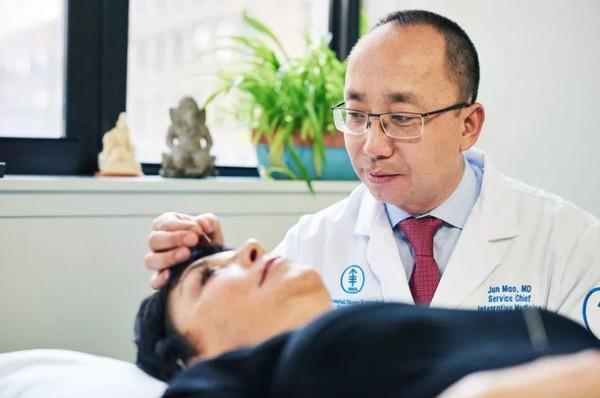
침술은 침과 열, 압력, 그리고 다른 치료법을 경락이라는 피부 위의 한 점에 시술하여 통증이나 메스꺼움, 구토와 같은 증상을 조절한다. 침술은 전통 한의학(TCM)의 일부분이다. TCM은 건강을 회복하기 위해 침술과 식이요법, 한방요법, 명상, 운동, 마사지를 사용한다.
침술은 기(활력)가 경혈이라 불리는 길을 따라 몸을 통해 흐른다는 믿음에 바탕을 두고 있다. 기는 사람의 영적, 정서적, 정신적, 육체적 상태에 영향을 미친다고 한다.
침술은 어떻게 시술하나?
대부분의 침술은 침을 사용한다. 사람 머리카락보다 약간 두꺼운 일회용 스테인리스 강철 바늘을 경락의 피부에 삽입한다. 침술사는 치료 중인 질환에 맞는 정확한 경락을 선택한다. 삽입된 바늘은 빙글빙글 돌리거나, 다른 속도와 깊이에서 위아래로 움직이거나, 열을 가하거나, 약한 전류로 자극할 수 있다.
침술의 시술 방법에는 다음이 포함된다
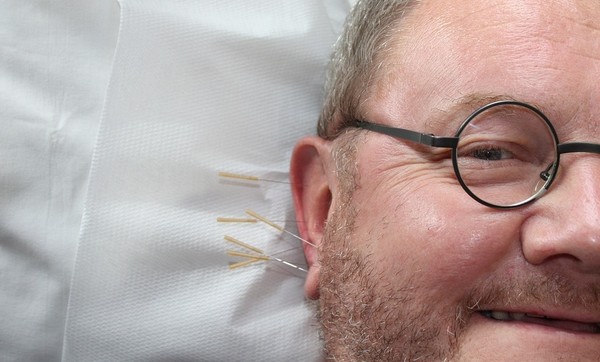
▲ 이침(귀침) : 이침은 몸의 특정 부위와 일치하는 외이 경락부에 놓인다.
▲ 전기침
▲ 압통점 침술
▲ 레이저 침술
▲ 경락 주사(약침)
▲ 미크로웨이브 침술
▲ 지압
▲ 뜸
▲ 부항
침술 시술 중 환자들은 무엇을 느끼는가?
환자들은 침의 시술 중에 기 감각이라고 알려진 몸이 무겁거나 마비되거나 따끔거리는 느낌을 가질 수 있다.
침술을 이용한 실험실이나 동물 연구가 있었는가?
실험실 연구에서, 종양 샘플은 새로운 치료법을 테스트하고 그것이 항암 효과를 가질 가능성이 있는지를 알아내기 위해 사용된다. 동물 연구에서는 약물과 절차 또는 치료가 동물에게 안전하고 효과적인지 알아보기 위해 검사를 한다. 실험실과 동물 연구는 사람들에게 실험하기 전에 행해진다.
실험실과 동물 연구는 침술의 효과를 시험했다. 실험실 및 동물 연구에 대한 정보는 의료전문가 버전의 침술의 실험실/동물/사전 임상 연구 섹션을 참조하시오.
사람들에게 어떤 연구가 행해진 적이 있는가?
1997년 국립보건원(NIH)은 암 관련 증상과 부작용에 대한 보완 요법으로 침술이 얼마나 효과가 있는지 조사하기 시작했다. 암 치료에서 침술에 대한 연구는 중국과 다른 나라에서도 행해졌다.
▲ 화학요법, 수술, 방사선치료로 인한 구역질 및 구토
침술의 가장 강력한 증거는 메스꺼움과 구토를 완화하기 위한 침술에 대한 임상 실험에서 나왔다.
▷ 41회의 무작위 통제 실험을 포함한 2013년의 리뷰 결과 침술은 항암 화학요법으로 인한 메스꺼움과 구토 치료에 도움이 되는 것으로 나타났다.
▷ 11건의 무작위 임상시험의 또 다른 리뷰 결과, 대조군에 비해 침술 군에서 급성 구토를 하는 화학요법 환자가 적은 것으로 나타났다.
▷ 한 연구의 비교에 의하면 특정 경락을 사용하면 항암 화학요법으로 인한 메스꺼움을 해소하는 데 효과의 차이가 있을 수 있다는 것을 알 수 있다.
▷ 진짜 침술이나 모조 침술 치료를 받은 환자를 방사선 치료로 메스꺼움과 구토를 예방하기 위해 표준 치료만을 받은 환자와 비교했다. 이 연구는 진짜 침술과 모조 침술 모두에서 환자가 표준 치료만을 받는 환자보다 메스꺼움과 구토가 적다는 것을 발견했다.
▷ 화학요법으로 치료받은 유방암 환자 48명을 대상으로 2016년 무작위 외이 지압 임상시험에서 외이(귀 바깥쪽) 지압을 받지 않은 환자에 비해 외이 지압을 받은 환자들은 메스꺼움과 구토 빈도와 강도가 낮았다. 이 연구는 적은 수의 환자와 플라시보 그룹이 없기 때문에 이러한 결과는 증거력이 적다.
▲ 통증
침술은 암 환자들의 통증을 덜어주기 위해 연구되어 왔다. 표본 크기가 작고 설계상의 문제가 있어 결과가 엇갈린다.
▷ 암의 통증
한 리뷰에서 침술은 비록 연구 규모는 작았지만, 다양한 암에 걸린 일부 환자의 암 통증을 줄여주었다. 또 다른 리뷰에서는 진통제를 사용한 침술이 진통제만 사용하는 것보다 효과가 더 좋다는 결론을 내렸다. 이 리뷰는 임상시험의 질이 나빠서 증거력이 제한적이었다.
▷ 수술 후 통증
수술 후 통증에 대한 여러 무작위 임상실험에서 침술은 통증을 줄여주었지만 표본 크기는 작고 추가 치료법은 알려지지 않았다. 일부 연구에서는 표준 치료로 침을 사용할 때 통증 완화가 더 낫다는 보고도 있었다.
골수 흡인 및 조직검사를 받은 환자 대상의 2회의 무작위 임상시험 결과 지압은 모조 지압에 비해 통증과 불안감을 덜어주는 것으로 나타났다.
▷ 아로마타제 억제제로 인한 근육 및 관절 통증
호르몬 의존성 유방암에 걸린 폐경 후 여성들을 위한 호르몬 요법의 일종인 아로마타아제 억제제는 근육과 관절 통증을 유발할 수 있다.
▷ 5회의 무작위 대조군 실험에서 진짜 침술과 모조 침술의 통증 감소 효과를 비교하였다. 다섯 번의 실험 모두 실제 침술이나 모의 침술의 부작용은 보이지 않았다. 두 번의 시험에서는 실제 침술이 관절과 근육통을 완화하는데 있어 모조 침술보다 낫다는 것을 보여주었지만, 나머지 세 번의 시험의 결과는 그렇지 않았다. 두 연구에서 실제 침술을 받은 환자들은 나중에 치료를 받기 위해 기다리는 대조군보다 통증 완화가 더 많았다.
▷ 관찰적 연구에서도 실제 침술과 모의 침술 모두 표준 치료보다 통증을 완화시킬 수 있다고 보고됐다.
▷ 17,922명의 환자를 대상으로 한 리뷰에서는 실제 침술은 모조 침술보다 통증을 더 잘 완화시킨다고 보고했다.
▷ 화학요법으로 인한 말초신경장애
말초신경장애는 통증과 감각이상, 감각 상실, 근육 약화를 유발할 수 있는 화학요법의 흔한 부작용이다. 이런 증상들은 환자가 치료를 지연시키거나 중지하게 할 수 있다. 화학요법에 의한 말초신경증(CIPN)은 삶의 질에 영향을 줄 수 있으며 화학요법이 끝난 후에도 오래 지속될 수 있다.
현재 CIPN에 대한 관리 기준은 마약류, 항우울제 등 증상 관리다. 그러나 치료를 한다고 해서 모든 통증이 해소되는 것은 아니며 어지러움, 진정, 구강건조, 변비 등을 유발할 수도 있다.
침술의 일부 무작위 임상 실험은 CIPN을 치료하는데 있어 가능성을 보여주었다. 침술이 CIPN의 증상을 어떻게 완화시킬 수 있는지 탐구하고 침술로 어떤 환자들이 가장 큰 혜택을 받을 수 있는지 알아내기 위해서는 더 많은 증거가 필요하다. 이러한 연구에 대한 자세한 내용은 침술 건강 전문가 버전의 탁산 혹은 백금 기반 화학 요법 섹션에서 지속적인 CIPN 치료용 침술을 참조하시오.
▲ 일회성 열감
호르몬 치료는 유방암을 앓고 있는 여성과 전립선암을 앓고 있는 남성들에게 일과성 열감을 유발할 수 있다. 일과성 열감을 완화하기 위한 침술의 사용에 대한 연구는 엇갈린 결과를 보여주었다.
▷ 6회의 무작위 임상시험에서 유방암 생존자의 일과성 열감을 예방하기 위한 침술의 활용을 연구하였다. 이 시험에서 침술이 안전하다는 것을 발견했고 일과성 열감을 줄였다. 실제 침술이 모조 침술보다 효과가 더 좋은지는 분명하지 않았다.
▷ 2015년 일과성 열감의 유방암 생존자 대상의 무작위 전기침 시험에는 전기침과 침술, 가바펜틴(간질 치료제), 플라시보(위약 혹은 가짜 약) 등 4개 그룹이 있었다. 임상시험은 위약에 비해 침술이 얼마나 잘 작용하는지 살펴보고 모든 집단의 일과성 열감의 완화를 비교했다. 연구 결과 가바펜틴이나 위약보다 침술이 효과가 좋았고 전기침과 침술 모두 가바펜틴보다 낫다는 사실이 밝혀졌다.
▷ 2016년 무작위 임상시험에서 유방암 생존자 대상으로 침술+자가 치료를 자가 치료 단독과 비교했다. 이 연구는 12주간의 치료와 3개월과 6개월간의 사후 방문 후에 침술을 첨가하면 일과성 열감이 줄어든다는 것을 발견했다. 이 연구는 또한 침술이 환자의 삶의 질을 향상시킨다는 것을 발견했다.
▷ 2016년 일과성 열감의 유방암 생존자 대상의 12회 무작위 임상시험에 대한 일과성 열감 리뷰에는 실제 침술과 모조 침술을 비교한 6가지 연구가 포함됐다. 이 중 모조 침술과 비교해 실제 침술이 유익하다는 연구 결과는 2개에 불과했다. 다른 연구들은 침술은 일과성 열감의 완화에 호르몬 요법과 베나팍신, 또는 이완요법보다 나을 것이 없다는 것을 발견했다.
▷ 안드로겐 결핍 치료 중인 전립선암 환자에게 침술은 일과성 열감이 완화될 수 있다는 연구결과도 있다.
▲ 피로
피로는 암 환자에게서 흔히 나타나는 증상이며 화학요법과 방사선요법의 빈번한 부작용이다.
▷ 몇몇 무작위 임상시험에서 암 관련 피로를 줄이는데 침술의 활용을 연구하였다. 이 실험들은 침술만으로도 표준 진료에 비해 피로가 개선된다는 것을 발견했다. 실제 침술이 모조 침술보다 효과가 더 좋은지는 분명하지 않다.
▷ 암 관련 피로를 줄이는데 침술의 활용을 연구한 것은 암 무작위 임상시험이다. 이 실험들은 침술만으로도 표준 진료에 비해 피로가 개선된다는 것을 발견했다. 실제 침술이 모조 침술보다 효과가 더 좋은지는 분명하지 않다.
▷ 암 관련 피로가 있는 암 생존자 78명을 대상으로 한 2016년 무작위 임상실험 결과 특정 경락에 사용되는 적외선 레이저 침술은 암 환자에게 안전한 것으로 나타났다. 4주 동안 주 3회 적외선 레이저 침술을 받은 환자는 모조 침술 치료를 받은 환자보다 피로가 덜했다.
▷ 피로가 사라지지 않는 유방암 생존자 288명을 대상으로 한 2016년 무작위 임상실험 결과 두 종류의 지압(완화, 자극)이 암 관련 피로를 현저히 줄인 것으로 나타났다.
▲ 구강건조
여러 임상시험에서 비인두암과 두경부암 환자의 방사선 치료로 인한 구강건조의 치료와 예방에 침술의 효과를 연구했다.
▷ 방사선요법으로 치료 중인 환자의 구강건조의 예방과 치료를 위해 침술과 표준 치료를 비교한 연구에서 방사선요법 중에 침으로 치료한 환자들은 증상이 적었고 침의 흐름도 양호했다.
▷ 두 건의 무작위 대조군 시험에서 구강건조의 예방과 치료에 대해 진자 침술과 모조 침술을 비교하였다. 이 시험에서는 진짜 침술과 모조 침술 공히 침(타액)의 흐름을 증가시켰다.
▷ 구강건조에 관한 침술의 장기 효과에 대한 연구 결과, 치료 전보다 6개월 정도 경과 후 침이 잘 흐른 것으로 나타났다. 추가 침술을 받은 환자들은 침 치료를 계속하지 않은 환자에 비해 3년 동안 침의 흐름이 더 많았다.
미국과 중국의 사이트를 대상으로 한 임상3상에서는 방사선 치료를 받는 동안 진짜 침술과 모조 침술, 표준 치료를 받은 두경부암 환자 339명을 대상으로 연구했다. 일주일에 3번 6-7주간의 방사선 치료 과정 동안 침술을 시술하였다. 1년 동안의 구강건조 점수의 감소는 일반 진료군보다 진짜 침 군에서 더 컸지만, 모조 침구 군과는 조금 다를 뿐이었다. 두경부암 환자의 구강건조 치료를 위한 침술의 역할을 연구하기 위한 임상 3상이 추가로 진행 중이다.
다른 시험들도 진행 중이다.
▲ 림프부종
침술이 안전하고 부종을 감소시키고 팔과 다리의 림프부종 환자들에게 증상을 완화시킬 수 있다는 많은 사례 보고와 연구가 있었다.
▷ 한 무작위 임상시험에서 침술은 림프부종이 악화되는 것을 막아주면서도 부종이나 증상은 줄이지 않는 것으로 나타났다.
▷ 2016년 연구에서 침과 뜸 치료를 받은 림프부종 유방암과 두경부암 환자 23명이 에너지 수준 향상과 통증 감소에 대해 보고했다.
▷ 2016년 림프부종이 있는 유방암 환자 30명을 대상으로 한 무작위 임상실험에서 침과 뜸으로 치료받은 환자 중 절반가량이 림프부종 증상이 개선된 것으로 나타났다. 대조군(약물치료)의 약 4분의 1이 증상이 호전된 것으로 나타났다. 침과 뜸은 대조군에 비해 어깨 관절 운동 범위와 삶의 질이 향상되었다.
▷ 림프부종이 있는 유방암 환자 82명을 대상으로 무작위 임상실험을 한 결과 침으로 치료받은 환자에서 대조군과 비교해 유의미한 증상의 차이가 발견되지 않았다.
▲ 장폐색(증)
암 수술 후에 일부 환자들은 장폐색이 발병한다. 장폐색을 위한 침술을 연구한 무작위 임상시험은 결과가 엇갈렸다.
▲ 수면 장애
복수의 연구에 의하면 침술이 수면 장애를 완화하는데 도움이 될 수 있다는 것을 보여주었다.
▷ 암 생존자를 대상으로 한 2019년 무작위 대조군 실험 결과 침술이 불면증의 심각성을 줄인 것으로 나타났다.
▷ 2014년 연구 결과 침술은 표준 치료보다 수면이 약간 개선된 것으로 나타났다.
▷ 침술과 플루옥세틴(항우울제)을 비교한 2011년에서 침술이 우울증을 완화하고 수면을 개선하는 데 더 효과가 있다는 것을 발견했다.
▲ 면역계
침술이 면역체계를 개선시킬 수 있다고 제안하는 연구는 많지 않다.
▲ 기타 암 증상 및 암 치료 부작용
암 환자의 다른 임상실험에서는 체중감소, 기침, 기침 시 혈담, 발열, 불안, 우울증, 대장염, 언어장애, 식도 막힘, 딸꾹질 등 암 치료로 인한 암 증상과 부작용에 대한 침술의 영향을 연구했다. 침술 치료를 하면 증상이 완화되거나 증상이 악화되지 않는다는 연구결과가 나왔다.
침술로 인한 부작용이나 위험이 보고되었는가?
합병증은 거의 보고되지 않았다. 문제는 살균되지 않은 바늘을 사용하고 바늘을 잘못된 곳에 놓음으로써 환자의 움직임이나 바늘에 결함이 생기게 된다.
문제는 다음과 같다.
▲ 치료 중 통증 및 쓰림이 느껴짐
▲ 피곤함, 멍함 또는 졸음
▲ 감염의 발생
항암치료와 방사선치료는 신체의 면역체계를 약화시키기 때문에 암환자에게 침을 놓을 때는 반드시 엄격하게 깨끗한 침을 시술해야 한다.
침술은 미국 식품의약국(FDA)의 승인을 받았는가?
FDA는 1996년 허가받은 시술사들이 사용할 침술을 승인했다. FDA는 무균 바늘을 사용하고 자격을 갖춘 의사만이 일회용 라벨을 부착한 침을 사용할 것을 요구한다. 40개 이상의 주와 콜롬비아 특별구에는 침술 시술에 관한 법률이 있다. 침술 및 한의학 국가인증위원회(www.ncaom.org)는 침술 및 한의학(TCM)의 시술사를 인증한다. 대부분의 주에서는 이 인증을 요구한다.
업데이트 : 2020년 6월 12일
Acupuncture (PDQ®)–Patient Version
This Page
•Overview
•Questions and Answers About Acupuncture
•Current Clinical Trials
•About This PDQ Summary
•General CAM Information
•Evaluation of CAM Therapies
•Questions to Ask Your Health Care Provider About CAM
•To Learn More About CAM
Overview
•Acupuncture applies needles, heat, pressure, and other treatments to one or more places on the skin known as acupuncture points (see Question 1).
•Clinical trials report the use of acupuncture relieves nausea and vomiting from anticancer therapies (see Question 5).
•Other trials have studied the use of acupuncture in cancer treatment to relieve symptoms such as fatigue, dry mouth and hot flashes (see Question 5).
•A strict clean needle method must be used when acupuncture treatment is given to cancer patients (see Question 6 and Question 7).
Questions and Answers About Acupuncture
1. What is acupuncture?
Acupuncture applies needles, heat, pressure, and other treatments to places on the skin, called acupuncture points (or acupoints), to control symptoms such as pain or nausea and vomiting. Acupuncture is part of traditional Chinese medicine (TCM). TCM uses acupuncture, diet, herbal therapy, meditation, exercise, and massage to restore health.
Acupuncture is based on the belief that qi (vital energy) flows through the body along paths, called meridians. Qi is said to affect a person’s spiritual, emotional, mental, and physical condition.
2.How is acupuncture given?
Most acupuncture methods use needles. Disposable, stainless steel needles that are slightly thicker than a human hair are inserted into the skin at acupoints. The acupuncture practitioner chooses the correct acupoints for the problem being treated. The inserted needles may be twirled, moved up and down at different speeds and depths, heated, or charged with a weak electric current.
Acupuncture methods include the following:
•Auricular acupuncture: Acupuncture needles are placed at acupoints on the outer ear that match up with certain parts of the body.
•Electroacupuncture.
•Trigger point acupuncture.
•Laser acupuncture.
•Acupuncture point injection.
•Microwave acupuncture.
•Acupressure.
•Moxibustion.
•Cupping.
3.What do patients feel during acupuncture?
Patients may have a needling feeling during acupuncture, known as de qi sensation, making them feel heaviness, numbness, or tingling.
4.Have any laboratory or animal studies been done using acupuncture?
In laboratory studies, tumor samples are used to test a new treatment and find out if it is likely to have any anticancer effects. In animal studies, tests are done to see if a drug, procedure, or treatment is safe and effective in animals. Laboratory and animal studies are done before a treatment is tested in people.
Laboratory and animal studies have tested the effects of acupuncture. See the Laboratory/Animal/Preclinical Studies section of the health professional version of Acupuncture for information on laboratory and animal studies.
5.Have any studies been done in people?
In 1997, the National Institutes of Health (NIH) began looking at how well acupuncture worked as a complementary therapy for cancer-related symptoms and side effects of cancer treatments. Studies of acupuncture in cancer care also have been done in China and other countries.
•Nausea and vomiting caused by chemotherapy, surgery, and radiation therapy
The strongest evidence for acupuncture has come from clinical trials on the use of acupuncture to relieve nausea and vomiting.
-A 2013 review that included 41 randomized controlled trials found that acupuncture helped treat nausea and vomiting caused by chemotherapy.
-Another review from 11 randomized clinical trials, found that fewer chemotherapy patients in the acupuncture groups had acute vomiting compared to the control group.
-A comparison of studies suggests that the specific acupuncture point used may make a difference in how well acupuncture works to relieve nausea caused by chemotherapy.
-Patients who received either true acupuncture or sham acupuncture were compared to patients who received only standard care to prevent nausea and vomiting from radiation therapy. The study found that patients in both the true and sham acupuncture groups had less nausea and vomiting than those in the standard care group.
-In a 2016 randomized clinical trial of auricular acupressure in 48 breast cancer patients treated with chemotherapy, patients who received auricular acupressure had less intense and less frequent nausea and vomiting compared with those who did not have auricular acupressure. These findings are limited since the study had a small number of patients and no placebo group.
•Pain
Acupuncture has been studied to help relieve pain in cancer patients. The results are mixed due to small sample sizes and design problems.
•Cancer pain
In one review, acupuncture reduced cancer pain in some patients with various cancers, although the studies were small. Another review concluded acupuncture with pain medicine worked better than the pain medicine alone. This review was limited by poor quality of clinical trials.
•Postoperative pain
In several randomized clinical trials on pain after surgery, acupuncture reduced the pain, but sample sizes were small and additional treatments were unknown. Some studies reported that when acupuncture was used with standard care, pain relief was better.
In two randomized clinical trials in patients having a bone marrow aspiration and biopsy, acupressure was found to relieve pain and anxiety compared to sham acupressure.
•Muscle and joint pain from aromatase inhibitors
Aromatase inhibitors, a type of hormone therapy for postmenopausal women who have hormone-dependent breast cancer, may cause muscle and joint pain.
-Five randomized controlled trials compared the effects of real and sham acupuncture in reducing pain. All five trials showed no side effects from either real acupuncture or sham acupuncture. Two trials showed real acupuncture was better than sham acupuncture in relieving joint and muscle pain, but the other three trials did not. In two of the studies, patients receiving real acupuncture had more pain relief than a control group of patients who were waiting to receive treatment later.
-Observational studies have also reported both real acupuncture and sham acupuncture may relieve pain more than standard care.
-A review of 17,922 patients reported that real acupuncture relieved pain better than sham acupuncture.
•Chemotherapy-induced peripheral neuropathy
Peripheral neuropathy is a common side effect of chemotherapy that can cause pain, paresthesia, sensory loss, and muscle weakness. These symptoms can cause a patient to delay or end treatment. Chemotherapy-induced peripheral neuropathy (CIPN) can affect quality of life and may last long after chemotherapy has ended.
The current standard of care for CIPN is symptom management such as narcotics and antidepressants. However, treatment may not relieve all of the pain, and cause dizziness, sedation, dry mouth, and constipation.
Some randomized clinical trials of acupuncture have shown promise in treating CIPN. More evidence is needed to explore how acupuncture may relieve symptoms of CIPN and to find out which patients may benefit most from acupuncture. See the Acupuncture to treat persistent CIPN from taxane or platinum-based chemotherapy section of the health professional version of Acupuncture for more information about these studies.
•Hot flashes
Hormone therapy may cause hot flashes in women with breast cancer and men with prostate cancer. Studies of the use of acupuncture to relieve hot flashes have shown mixed results.
-Six randomized clinical trials studied the use of acupuncture to prevent hot flashes in breast cancer survivors. These trials found that acupuncture was safe and decreased hot flashes. It was not clear whether real acupuncture worked better than sham acupuncture.
-A 2015 randomized trial of electroacupuncture in breast cancer survivors with hot flashes had four groups for treatment: electroacupuncture, sham acupuncture, gabapentin, and placebo. The trial looked at how well sham acupuncture worked compared to the placebo and compared hot flash relief in all groups. The study found that sham acupuncture worked better than gabapentin or the placebo, and both electroacupuncture and sham acupuncture gave better relief than gabapentin.
-A 2016 randomized trial compared acupuncture plus self-care (as described in an information booklet provided to all patients) to self-care alone in breast cancer survivors. The study found that adding acupuncture reduced hot flashes after 12 weeks of treatment and at the 3- and 6-month follow-up visits. The study also found that acupuncture improved the patients' quality of life.
-A 2016 review of 12 randomized trials in breast cancer survivors with hot flashes included 6 studies that compared real acupuncture with sham acupuncture. Of these, only 2 studies found that real acupuncture had a benefit compared with the sham treatment. The other studies found that acupuncture was no better than hormone therapy, venlafaxine, or relaxation therapy in relieving hot flashes.
-Some studies have reported that acupuncture may relieve hot flashes in prostate cancer patients on androgen-deprivation therapy.
•Fatigue
Fatigue is a common symptom in patients with cancer and a frequent side effect of chemotherapy and radiation therapy.
-Several randomized clinical trials have studied the use of acupuncture in reducing cancer-related fatigue. These trials found that acupuncture improved fatigue when compared to standard care alone. It is not clear whether real acupuncture works better than sham acupuncture.
-A 2016 randomized clinical trial of 78 cancer survivors with cancer-related fatigue showed that infrared laser acupuncture used on certain acupoints was safe in cancer patients. Patients who received infrared laser acupuncture 3 times per week for 4 weeks had less fatigue than those who received sham treatment.
-A 2016 randomized clinical trial of 288 breast cancer survivors with fatigue that wouldn't go away showed that two types of acupressure (relaxing and stimulating) significantly reduced cancer-related fatigue.
•Dry mouth (xerostomia)
Several clinical trials have studied the effect of acupuncture in the treatment and prevention of xerostomia (dry mouth) caused by radiation therapy in patients with nasopharyngeal carcinoma and head and neck cancer.
-In studies that compared acupuncture with standard care for preventing dry mouth in patients being treated with radiation therapy, patients treated with acupuncture during radiation therapy had fewer symptoms and better saliva flow.
-Two randomized controlled trials compared real and sham acupuncture for the prevention and treatment of dry mouth. These trials found that both real and sham acupuncture increased the flow of saliva.
-A study on the long-term effects of acupuncture on dry mouth found that patients had better saliva flow at 6 months compared to before treatment. Patients who received additional acupuncture had more saliva flow at 3 years compared to patients who did not continue acupuncture treatment.
One phase III clinical trial with sites in the United States and China studied 339 patients with head and neck cancer who received true acupuncture, sham acupuncture, or standard care while receiving radiation therapy. Acupuncture was given three times per week during a 6- to 7-week course of radiation therapy. The dry mouth score reduction at 1 year was greater in the true acupuncture group than in the standard care group, but only slightly different from the sham acupuncture group. An additional phase III clinical trial is in progress to study the role of acupuncture for the treatment of dry mouth in head and neck cancer patients.
Other trials are ongoing.
•Lymphedema
There have been a number of case reports and studies that show acupuncture is safe and may decrease swelling and relieve symptoms in patients with lymphedema in the arms and legs.
-In one randomized clinical trial, acupuncture was found to keep lymphedema from getting worse but did not decrease swelling or symptoms.
- In a 2016 study, 23 breast and head and neck cancer patients with lymphedema who had acupuncture and moxibustion treatments reported improved levels of energy and decreased pain.
-In a 2016 randomized clinical trial of 30 breast cancer patients with lymphedema, about half of those treated with warm acupuncture (acupuncture and moxibustion) had improved symptoms of lymphedema. About one-fourth of the control group (drug therapy) had improved symptoms. The acupuncture and moxibustion group also had improved shoulder joint range of motion and quality of life compared with the control group.
-A randomized clinical trial of 82 breast cancer patients with lymphedema found no significant difference in symptoms in patients treated with acupuncture compared with the control group.
•Ileus
After cancer surgery, some patients develop ileus. Randomized clinical trials that studied acupuncture for ileus had mixed results.
•Sleep problems
Studies have shown that acupuncture may help relieve sleep problems.
-A 2019 randomized controlled trial of cancer survivors found that acupuncture reduced the severity of insomnia.
-A 2014 study found that acupuncture improved sleep slightly more than standard care.
-A 2011 study that compared acupuncture with fluoxetine found that acupuncture worked better in relieving depression and improving sleep.
•The immune system
Studies that suggest acupuncture may improve the immune system are limited.
•Other symptoms of cancer and side effects of cancer treatment
Other clinical trials in cancer patients have studied the effects of acupuncture on cancer symptoms and side effects caused by cancer treatment, including weight loss, cough, coughing up blood, fever, anxiety, depression, proctitis, speech problems, blocked esophagus, and hiccups. Studies have shown that treatment with acupuncture either relieves symptoms or keeps them from getting worse.
6.Have any side effects or risks been reported from acupuncture?
There have been few complications reported. Problems are caused by using needles that are not sterile and from placing the needle in the wrong place, movement of the patient, or a defect in the needle.
Problems include the following:
•Feeling soreness and pain during treatment.
•Feeling tired, lightheaded, or sleepy.
•Getting an infection.
A strict clean needle method must be used when acupuncture treatment is given to cancer patients, because chemotherapy and radiation therapy weaken the body's immune system.
7.Is acupuncture approved by the US Food and Drug Administration (FDA)?
The FDA approved acupuncture needles for use by licensed practitioners in 1996. The FDA requires that sterile needles be used and labeled for single use by qualified practitioners only.
More than 40 states and the District of Columbia have laws about acupuncture practice. The National Certification Commission for Acupuncture and Oriental Medicine (www.nccaom.orgExit Disclaimer) certifies practitioners of acupuncture and traditional Chinese medicine (TCM). Most states require this certification.
Current Clinical Trials
Use our clinical trial search to find NCI-supported cancer clinical trials that are accepting patients. You can search for trials based on the type of cancer, the age of the patient, and where the trials are being done. General information about clinical trials is also available.
암스쿨에 게재된 기사는 미국국립암연구소(NCI), 미국암협회(ACS), 국립암센터(NCC), 일본국립암연구소(NCCJ), 엠디앤더슨암센터(MD Anderson Cancer Center) 등 검증된 기관의 검증된 자료를 토대로 작성되었습니다.
이 글은 2020년 8월 작성 시점의 정보입니다. 치료 기준·급여 정보는 바뀌었을 수 있으니, 진료와 치료 결정은 반드시 담당 의료진과 상의하세요.