직장복귀 시 적절한 배려를 하면 암 치료 중 작업을 더 쉽게 할 수 있다
2020.07.23 · 전영조 전문위원
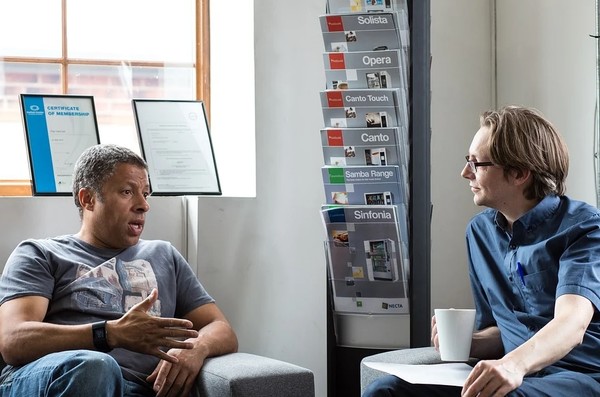
많은 암환자들이 치료를 하면서 일을 계속하고 있다. 그들이 일을 계속하는 이유는 보험 보장과 질병으로부터의 주의 분산, 고립감 탈피와 일상 속에 있는 느낌 등 다양하다.
하지만, 암을 치료하면서 일을 하는 것은 쉬운 일이 아니다. 어떨 때는 치료시기를 놓칠 것이고, 부작용은 시작되고, 동료들은 아마 눈치를 채기 시작할 것이고, 때로는 질문도 할 것이다.
피고용자들은 자신의 권리, 즉 고용주에 의해 어떻게 보호되고 주 및 연방 차원에서 어떻게 보호되는지 알아야 한다. 예를 들어, 직업의 보호는 장단기 장애 보험과 병가 및 근무시간 자유선택 제도/재택근무 같은 특정 고용주 정책과 미국 장애인법, 가족 및 의료 휴가법과 같은 연방법을 통해 이루어질 수 있다.
그러나 가장 먼저 발생하는 문제는 환자가 직장에서 자신의 진단 사실을 누구와 공유해야 하는가이다.
제9회 전국 직장 및 암 관련 컨퍼런스 기간 동안 담당 이사로 재직한 레베카 V 넬리스 씨는 "공개의 범위는 다양하다. 아무에게도 말하지 말아야 할지, 아니면 모두에게 말해야 할지가 될 수도 있고, 아니면 그 중간 어딘가에 있을 수도 있다. 그래도 아무한테도 말하지 않는 사람이 있다"고 말했다.
프레젠테이션 중, 조사 결과에 의하면 91%의 사람들이 누군가에게 말한다. 직장 상사나 매니저에게 암을 공개하는 사람이 대다수(71%)로 가장 많았고 직장동료(65%), 인사부서(26%), 아무에게도 말하지 않음(9%) 순이었다.
넬리스의 설명과 공동 발표자이자 암의 권리라는 단체의 변호사이자 “Trisge Cancer”의 CEO인 조안나 F 모랄레스는 때때로 직장에서 사람들과 진단에 대해 논의하는 것은 긍정적인 효과를 가져 올 수 있다고 말했다. 적당한 작업장 시설과 분위기는 치료를 하는 동안 내내 작업을 쉽게 할 수 있다. 그것은 장애를 가진 개인이 동등한 고용 기회를 누릴 수 있도록 하는 작업 환경이나 관습적으로 행해지는 방법의 변화라고 정의해도 좋다.
합리적인 작업시설 제공의 예로는 작업 공간의 수정 변경을 들 수 있다. 만약 누군가가 먼 거리를 걸을 수 없다면, 그들은 책상에 프린터를 갖다 달라고 요청할 수 있다. 또는 그들의 사무실이 카페테리아와 가깝지만 냄새가 메스꺼움을 더 악화시키고 있다면, 사무실을 바꾸도록 요청할 수 있다고 발표자들은 설명했다.
또 다른 수용에는 작업 일정의 변경이 포함되어 있다. 이것은 집에서 일하거나 시간제 근무로 일하거나 예정된 휴식 시간을 요구하는 것일 수 있다. 환자들은 또한 그들의 일을 도울 수 있는 기술을 요구할 수 있다. 예를 들어, 만약 누군가가 신경증을 가지고 있다면, 음성 텍스트 소프트웨어는 그들이 컴퓨터에 타이핑하는 것을 피하고 고통을 줄일 수 있게 해줄 수 있다.
자신의 새로운 필요에 맞는 열린 자리가 있다면 누군가가 회사 내에서 직업을 바꾸는 것도 합리적이다. 모랄레스는 "고용주가 새로운 지위를 만들어야 한다는 뜻은 아니다"고 말했다. "고용주가 당신을 위해 새로운 직책을 만들지 않아도, 고용주가 좋은 직원을 유지하기 위해 기꺼이 어떤 직업 구조조정을 할 수 있는 곳이 많다"
합리적인 숙박비용에 대한 우려는 일부 고용주에게 문제가 되고 있다고 그녀는 설명했다. 그러나 직업숙박네트워크(JAN)가 실시한 조사에 따르면, 59%의 숙박시설은 비용이 들지 않는다. 36%는 일회성 비용이 500달러 안팎이다.
모랄레스는 "숙소를 요청해야 하는 시기에 대한 구체적인 일정은 없다"고 말했다. 우리는 일반적으로 당신이 숙소를 필요로 하는 즉시 요청할 것을 권한다"
개인은 자신의 요구가 타당한지 확인하고, 고용주의 정책을 확인한 후 도움이 필요하면 JAN에 연락해야 한다. 발표자들에게는 서면으로 숙소를 마련해 두는 것도 좋을 수 있다고 조언했다.
케이티 코스코
2019년 7월 01일
Reasonable Accommodations Can Make Working Through Cancer Treatment Easier
Asking an employer to modify a work space or schedule may help patients adjust to returning to work during cancer treatment.
KATIE KOSKO
JULY 01, 2019
Many patients with cancer continue to work through treatment. It’s a variety of reasons that keep them on the job, such as insurance coverage, a distraction from the disease, feeling less isolated and being in a routine.
However, being at work while facing cancer can be challenging. Days will be missed for treatment, side effects will begin and coworkers most likely will start to notice and, perhaps, ask questions.
Employees should know their rights — how they are protected by their employer and on a state and federal level. For example, job protection may be through specific employer policies, such as short- and long-term disability insurance, sick time and flextime/telecommuting; and federal laws, such as the Americans with Disabilities Act and the Family and Medical Leave Act.
But the first question that arises is who should a patient share their diagnosis with at work?
“Disclosure is a spectrum,” said Rebecca V. Nellis, executive director of Cancer and Careers, during the organization’s ninth annual National Conference on Work and Cancer. “It could be whether to tell no one or everyone. Or it could be somewhere in-between there. Although, there are people who tell no one.”
Ninety-one percent of people tell someone, according to survey findings presented during the presentation. The majority (71%) of people disclosed their cancer to a supervisor or manager, followed by coworkers/colleagues (65%), human resources (26%) and no one (9%).
Sometimes discussing the diagnosis with a person at work can have a positive effect, explained Nellis and co-presenter Joanna F. Morales, a cancer rights attorney and CEO of Triage Cancer. A reasonable accommodation can make working through treatment easier. It’s defined as any change in the work environment or in the way things are customarily done that enables an individual with a disability to enjoy equal employment opportunities.
Examples of reasonable accommodations include a manipulated work space. If someone can’t walk long distances, then they can ask to have a printer at their desk. Or if their office is close to the cafeteria, but the smell is making their nausea worse, they can ask to switch offices, explained the presenters.
Another accommodation includes a modified work schedule. This may be working from home or part-time or asking for scheduled breaks. Patients can also ask for technology to help them do their job. For instance, if someone has neuropathy, voice-to-text software may allow them to avoid typing on a computer and reduce pain.
It’s also reasonable for someone to change jobs within their company if there is an open position that fits their new needs. “It doesn’t mean an employer has to create a new position,” said Morales. “Even if an employer doesn’t have to create a new position for you, there are lots of work places where an employer will be willing to do some job restructuring to keep a good employee.”
Concerns over cost of reasonable accommodations is an issue for some employers, she explained. However, according to a study conducted by the Job Accommodation Network (JAN), 59% of accommodations have no cost. Thirty-six percent have a one-time cost around $500.
“There is no specific time frame for when you have to ask for an accommodation,” said Morales. We generally recommend that you ask for an accommodation as soon as you need it.”
Individuals should make sure their requests are reasonable, check their employer’s policies and reach out to JAN if they need help. It also may be good to get any accommodation arrangements in writing, advised the presenters.
암스쿨에 게재된 기사는 미국국립암연구소(NCI), 미국암협회(ACS), 국립암센터(NCC), 일본국립암연구소(NCCJ), 엠디앤더슨암센터(MD Anderson Cancer Center) 등 검증된 기관의 검증된 자료를 토대로 작성되었습니다.
이 글은 2020년 7월 작성 시점의 정보입니다. 치료 기준·급여 정보는 바뀌었을 수 있으니, 진료와 치료 결정은 반드시 담당 의료진과 상의하세요.