화학 항암치료를 받는데 왜 시간이 많이 걸리나?
2020.07.23 · 전영조 전문위원
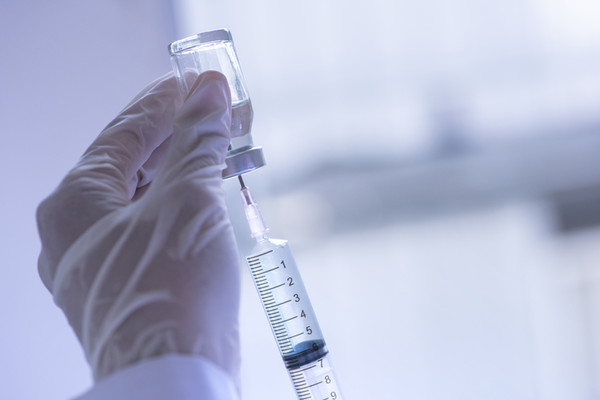
많은 환자들은 왜 그들의 화학요법 주입이 그렇게 오래 걸리는지 궁금해 하기 때문에 세 명의 건강관리 전문가들이 처음부터 끝까지 그 과정을 설명하려고 한다.
환자들이 치료를 받기 위해 약물 주입 센터에 나타날 때, 그들은 종종 왜 화학요법을 받는 데 그렇게 오랜 시간이 걸리는지 의문을 제기하지만, 화학 항암치료는 환자들이 알고 있는 것보다 훨씬 더 많은 과정을 거쳐야 한다.
제4차 연례 위장관 암 환자 회의에서는 메드 스타 조지타운 대학병원 롬바르디 종합 암 센터 3명의 전문가가 위장관 암 환자에 대한 치료에 들어가는 사전 정밀검사와 항암 치료제 투여, 준비 과정 등을 설명하기 위해 나섰다.
사전 정밀검사
워싱턴 D.C.의 롬바르디 종합 암센터의 임상 운영 매니저 겸 간호부장인 크리스틴 퍼거슨은 먼저 수술 전 과정에 대한 배경을 제시했는데, 그것은 "어떤 치료법을 추진할 것인지에 대해 팀과 함께 결정을 내린 직후에 일어나는 과정"이라고 그녀는 설명했다.
치료법을 선택한 후, 퍼거슨 박사는 환자들이 치료를 시작하기 전에 반드시 거쳐야 할 '할 일' 목록이 있는데, 그것은 검사실, 스캔 또는 약물치료의 필요성 결정, 보험 사전 허가 확인, 개인적인 의무 결정, 그리고 일정을 미리 생각하는 것이다.
화학요법을 시작하기 전에 더 많은 스캔과 실험실, 중심선 배치 또는 생체검사 등이 필요할 가능성이 있으며 이는 치료를 더 뒤로 미룰 수 있다.
사전 허가 과정도 치료 시작을 연기시킬 수 있다. 퍼거슨 감독은 "불행히도 대부분의 암 치료는 비용이 많이 든다"면서 "병원이 치료를 시행하기 전에 사전 허가가 이루어지도록 보험사에 치료 정보를 제출해야 한다"고 설명했다. "우리가 절대로 하고 싶지 않은 것은 그 돈을 지불하는 여러분 모두에게 압력을 가하는 것이다"
병원 밖에서 개인의 의무는 치료를 지연시키는 역할을 할 수 있다. 환자들은 투약센터를 오가는 교통수단과 고용요인, 육아, 지원, 체온계, 손 세정제, 게토레이/진저에일, 구강 세정제, 핸드 로션, 고무장갑 등 유용한 물건의 쇼핑 목록을 만들어야 한다.
화학요법의 투여
다음으로 리사 쿠사크 간호 부장은 환자들이 직접 보지 못하는 투약 전과 투약, 투약 후 과정에 대한 배경을 제시했다.
"우리의 목표는 환자를 투약 센터로 들여보내 안전하게 치료한 다음 퇴원시킨 후 다음 환자를 투약 센터의 의자에 앉히는 것이다. 하지만 무엇보다 환자들의 완전을 최우선으로 둔다"고 말했다.
투약 전 간호사들은 환자 교육에 집중한다. "주입센터의 투약 전 단계에 환자가 도착하면 제일 먼저 환자를 교육시킵니다. 이러한 많은 정보는 여러분에게 낯선 것이며 반복교육이 친숙함을 가져다준다는 것을 알고 있다"면서 "첫 번째 방문이든 다섯 번째 방문이든 우리는 반복해서 교육, 교육, 교육을 할 것"이라며 "이것은 치료 일정과 치료, 부작용과 취해야 할 예방책에 대한 논의가 이런 범주에 포함된다"고 덧붙였다.
또한 투약 전에 간호 담당 직원은 측정과 실험실, 기준척도, 의사지시 등을 이중으로 점검하면서 의약품에 대한 내성은 물론 지속적인 평가를 실시할 것이다.
투약 중에 직원들은 우선 그들이 올바른 정맥을 선택하고 있는지 확인한다. 약국으로부터 약물을 수령한 후 간호 직원은 다시 한 번 약을 재검사하여 환자가 정확한 치료와 처방전대로 투여량을 받고 있는지 확인한다. 그러면서 환자에 대한 평가도 계속한다.
마지막으로 투약 후는 보다 지속적인 평가로 구성된다. 화학요법 약제나 치료제의 한 가지 약물은 주입에 15분이 걸리지만 모든 선행 작업과 투약 후 조치까지 합하면 더 길어질 수 있다.
화학요법의 준비
마지막으로 캉 호 씨는 약국이 취하는 조치에 대해 말했다.
▲ 약국은 간호사들로부터 화학요법 주문서의 통지를 받는다.
▲ 화학요법 약사는 의약품 주문서를 보고 약을 조제한다.
▲ 이 약물은 깨끗하고 살균된 방에 있는 위험 약물을 특별히 만들어진 후드를 착용하여 조제한다.
▲ 주입용 백과 주문서를 확인한다.
▲ 투약용 백은 투약을 위해 배달된다.
간호담당 직원이 그렇듯이 모든 주문서는 약사가 검토하고 처리하여 환자가 정확한 약물과 투여량을 받고 있는지 확인한다. 또한 안전하고 정확하며 적시에 약을 조제한다.
크리스티 엘 칼
2019년 7월 2일
Safety First: Explaining the Process of Receiving Chemotherapy
Many patients wonder why their chemotherapy infusions take so long, so three health care professionals explained the process from start to finish.
KRISTIE L. KAHL
JULY 02, 2019
When patients show up to their infusion center for treatment, they often question why it takes so long to receive their chemotherapy; however, much more goes into the process than they may realize.
At the Fourth Annual GI Cancer Patient Summit, three members of MedStar Georgetown University Hospital, Lombardi Comprehensive Cancer Center set out to explain to patients the pre-work up, chemotherapy administration and preparation processes that go into treatment for patients with gastrointestinal cancers.
Pre-Work Up
Kristin Ferguson, clinical operations manager/nurse manager at Lombardi Comprehensive Cancer Center in Washington, D.C., first offered background on the pre-workup process, which is “the process that occurs right after you make the decision with your team as to what type of treatment you’re going to move forward with,” she explained.
After selecting treatment, there is a “to do” list Ferguson recommends for patients to go through prior to beginning therapy: determining the need for labs, scans or mediports to be placed; figuring out insurance prior-authorization; determining personal obligations; and thinking ahead about scheduling.
Before beginning chemotherapy, there is a possibility that more scans, labs, central line placements or biopsies may be needed – pushing treatment back further.
The prior-authorization process may also prolong the start to treatment. “Unfortunately, most cancer treatments are expensive,” Ferguson said, explaining that hospitals must submit treatment information to insurance companies to ensure prior authorization is granted before treatment is administered. “The last thing we want to do is put pressure on you all who are paying for them.”
Outside of the hospital, personal obligations may play a role in delayed treatment. Patients must consider transportation to and from the infusion center, employment factors, childcare, support, and creating a shopping list of useful items such as a thermometer, hand sanitizer, Gatorade/ginger ale, mouthwash, hand lotion and rubber gloves.
Chemotherapy Administration
Next, Lisa Cusaac, nursing director at MedStar Georgetown University Hospital, offered background on the pre-administration, administration and post-administration processes that patients don’t see firsthand.
“I assure you, our goal is to get you into the infusion center, treated safely, and get you home so we can get the next patient in the chair at the infusion center. But safety is our main priority,” she said.
With that, during pre-administration the nursing staff will focus on educating patients. “When a patient arrives during the pre-administration phase at an infusion center, the first thing we do is to educate the patient. A lot of this information is new to you and we know that repetition brings back familiarity – on the first visit, the fifth visit, we will educate, educate, educate,” Cusaac said, adding that this includes discussions around understanding treatment schedules, the treatment itself, any potential side effects and precautions that should be taken.
In addition, during pre-administration, the nursing staff will conduct ongoing assessments as well as tolerance to medications while double checking measurements, labs, parameters and physician orders.
During administration, the staff first ensures they are using appropriate vein selection. After receiving the medication from the pharmacy, the nursing staff once again double checks the medication to ensure the patient is receiving the correct therapy and dosage ordered. In addition, they continue assessment of the patient.
Lastly, post-administration consists of more ongoing assessment.
“The one medication, the chemotherapy agent or therapy, takes 15 minutes but all of the work beforehand and the post-administration may be longer. So, I like to call that time in the infusion center versus medication infusion time,” Cusaac said.
Chemotherapy Preparation
Last, Khang Ho, manager of pharmacy research and investigational drugs at MedStar Georgetown University Hospital, discusses the steps that the pharmacy takes:
The pharmacy receives a notification of the chemotherapy order from the nurses.
The chemotherapy pharmacist processes the medication order.
The medication is mixed in a hood specially made for mixing hazardous medication that is in a clean, sterile room.
Infusion bags and orders are checked.
The infusion bags are delivered for administration.
As do the nursing staff, all orders are reviewed and processed by the pharmacist to ensure patients are receiving the correct medication and dosage. In addition, the medications are mixed in a safe, accurate and timely manner. And, once again, the medication is double checked against the order as well as against the final bag that is delivered for administration.
암스쿨에 게재된 기사는 미국국립암연구소(NCI), 미국암협회(ACS), 국립암센터(NCC), 일본국립암연구소(NCCJ), 엠디앤더슨암센터(MD Anderson Cancer Center) 등 검증된 기관의 검증된 자료를 토대로 작성되었습니다.
이 글은 2020년 7월 작성 시점의 정보입니다. 치료 기준·급여 정보는 바뀌었을 수 있으니, 진료와 치료 결정은 반드시 담당 의료진과 상의하세요.