많은 난소암이 나팔관에서 시작될 수 있다는 연구결과가 나왔다
2020.07.21 · 전영조 전문위원
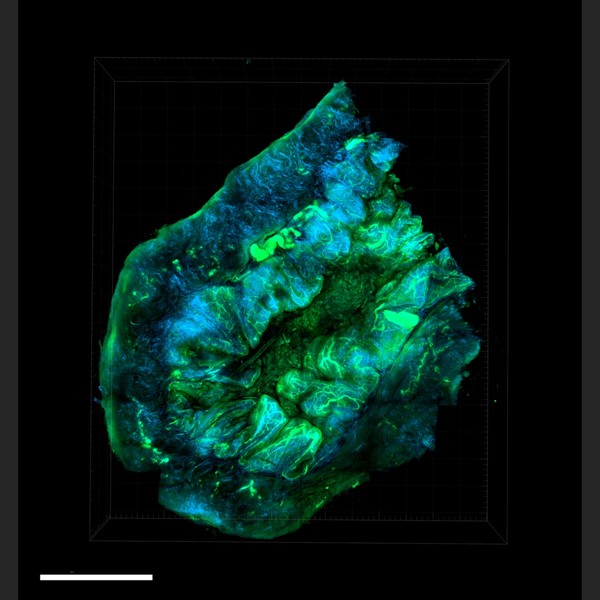
새로운 연구는 난소암을 앓고 있는 많은 여성들에게서 그 질병이 나팔관에서 비롯될 수 있다는 추가적인 증거를 제시한다.
새로운 연구에서 나온 연구 결과는 가장 흔한 유형의 난소암이 나팔관에서 비롯될 수 있다는 추가적인 증거를 제공한다. 연구자들은 또한 나팔관에 비정상적인 세포, 즉 병변이 생기는 것과 난소암의 시작 사이에 몇 년의 간격이 있다는 것을 발견했다.
연구 조사관들은 "이번 연구 결과는 이 질병의 예방과 조기 발견, 치료적 개입에 중대한 영향을 미친다"고 밝혔다.
존스홉킨스 킴멜 암센터와 다나-파버 암 연구소의 연구원들은 10월 23일 네이처 커뮤니케이션즈에 발표된 연구에서 난소암의 약 75%를 차지하는 아종인 고 등급 난소암 환자 9명의 여러 종양 샘플을 분석했다.
연구자들은 난소종양에서 볼 수 있는 대부분의 유전적 변화들이 나팔관에서 수년 전에 형성된 병변에서 나타났다는 것을 발견했다. 그들은 이 발견이 질병의 조기 발견을 가능하게 하는 데 잠재적으로 도움이 될 수 있기 때문에 중요하다고 썼다. 현재 고 등급혈청난소암(HGSOC)응 앓고 있는 여성의 약 70%가 진행성 암 진단을 받고 있다.
고 등급혈청난소암(HGSOC)의 기원 추적
10년 이상 전에 행해진 연구는 HGSOCs가 난소의 세포에서 발생하지 않을 수 있다는 증거를 제공했다. 대신에 연구 결과 나팔관에서 발견되는 병변이 대부분의 HGSOCs의 전구체일 수 있다고 국립암연구소 암 연구센터의 여성 악성종양과의 크리스티나 안눈지아타 박사가 말했다.
이전의 연구들은 암 위험을 줄이기 위해 나팔관과 난소를 제거하기 위한 예방수술을 받은 BRCA1이나 BRCA2 돌연변이를 가진 여성들에게서 혈청 나팔관 상피내암(STIC) 병변을 발견했고, 그 병변이 난소암의 전구체가 될 수 있음을 시사했다.
아눈지아타 박사는 여성 BRCA 돌연변이가 있는지 여부에 관계없이 이번 연구는 같은 학술지에 발표된 STICs의 또 다른 분자 분석 결과와 함께 HGSOCs가 이러한 나팔관 병변에서 비롯되었다는 추가적인 증거를 제공한다고 말했다.
"우리는 이제 원래의 발견을 뒷받침할 분자적 근거를 갖게 되었고 아주 신난다."고 아눈지아타 박사가 말했다.
첫 번째 연구에서, 연구원들은 STIC 병변과 나팔관 암을 앓고 있는 HGSOC를 가진 5명의 여성으로부터 조직 샘플의 게놈에 나타난 모든 유전자를 프로파일링하기 위해 게놈 염기서열 분석을 사용했다.
그들은 또한 BRCA 돌연변이로 인해 나팔관과 난소를 제거하는 예방수술을 받은 4명의 추가 환자들로부터 STIC 병변을 분석했다. 네 번째 환자는 골반의 덩어리로 인해 자궁 절제술과 함께 나팔관과 난소를 제거했다.
이어 수학적 모델을 이용해 STIC 병변과 난소암 발병 사이의 평균 시간은 6.5년으로 추정했다. 그들은 병변이 발병하는 속도가 더딘 반면, 전이성 병변이 있는 환자의 경우 난소암의 시작과 전이 발생 사이의 시간이 평균 2년으로 빨라지는 것으로 보인다는 것을 발견했다.
이는 대부분의 HGSOC 사례가 진단 단계에서 진행성 병기에 있으며 조기 발견에 영향을 미치는 이유를 설명할 수 있다고 연구진은 썼다.
난소암 예방에 미치는 영향
연구 결과는 난소암의 가장 흔한 유형인 고 등급의 장액 암과 관련이 있지만, 아눈지아타 박사는 "약 30%의 난소암이 나팔관에서 발원하지 않을 수 있다는 것을 주목하는 것이 중요하다"고 말했다.
그녀는 "저 등급 장액 암과 자궁내막암 등 HGSOC 이외의 난소암 아형은 난소 자체의 세포에서 발생하는 것으로 추정되지만 이를 증명하기 위한 광범위한 분자 분석은 아직 없다"고 말했다.
이 연구는 또한 소규모의 표본 크기에 근거한 것이라고 연구팀은 인정했다.
그러나 존스홉킨스대 암 생물학 공동 책임자인 빅터 벨큘러스쿠 박사는 기사 발표에서 "더 대규모 집단에서 연구한 결과 나팔관이 대부분의 난소암의 발생지점이라는 사실이 확인된다면 이는 위험에 처한 환자들에게 이 질환을 관리하는 방식에 큰 변화를 가져올 수 있다"고 말했다.
안눈지아타 박사는 연구들의 의미를 더 잘 이해하기 위해서는 더 많은 연구가 이루어져야 한다는 데 동의했다.
예를 들어, HGSOC에 걸릴 위험이 높은 여성들이 난소가 아닌 나팔관을 제거하는 것이 질병의 위험을 줄이기에 충분한지 여부를 결정하기 위해 임상 실험을 할 수 있다고 그녀는 말했다. 난소를 제거하면 외과적 폐경이 일어나 삶의 질에 큰 영향을 줄 수 있다.
난소암 발병 위험이 높은 BRCA 돌연변이를 가진 여성들에게 나팔관 제거와 난소 제거를 연기하는 것 등이 검토돼야 하는지를 놓고 현재 미국과 네덜란드에서 시험이 진행 중이다.
이 연구 저자들은 그들의 연구 결과가 BRCA 돌연변이의 숙주가 아닌 여성들에게도 시사하는 바가 있다고 썼다. 실제로 다른 실험에서는 난소암 발생 위험이 높거나 높지 않은 여성의 난소암 예방을 위해 자궁절제술 등 다른 산부인과 수술 시 나팔관을 제거하는 안전성과 타당성을 살펴보고 있다.
2017년 11월 15일 NCI 직원
Many Ovarian Cancers May Start in Fallopian Tubes, Study Finds
November 15, 2017, by NCI Staff
A new study offers additional evidence that, in many women with ovarian cancer, the disease may originate in the fallopian tubes.
Findings from a new study provide additional evidence that the most common type of ovarian cancer may originate in the fallopian tubes. Researchers also found that there is a window of several years between the development of abnormal cells, or lesions, in the fallopian tubes and the start of ovarian cancer.
The findings “have significant implications for the prevention, early detection, and therapeutic intervention of this disease,” the study investigators wrote.
In the study, published October 23 in Nature Communications, researchers at the Johns Hopkins Kimmel Cancer Center and Dana-Farber Cancer Institute analyzed multiple tumor samples from nine patients with high-grade serous ovarian carcinomas (HGSOC), the subtype that accounts for approximately 75% of ovarian cancers.
The researchers found that most of the genetic alterations seen in ovarian tumors in these patients were present in lesions that had formed years earlier in their fallopian tubes. This finding is important, they wrote, because it could potentially help to enable earlier detection of the disease. Currently, about 70% of women with HGSOC are diagnosed with advanced stage disease.
Tracing the Origins of HGSOC
Studies conducted more than a decade ago provided evidence that HGSOCs may not arise from cells of the ovary. Instead, the studies suggested that lesions found in the fallopian tubes, called serous tubal intraepithelial carcinomas (STICs), might be precursors for most HGSOCs, said Christina Annunziata, M.D., Ph.D., clinical director of the Women’s Malignancies Branch of NCI’s Center for Cancer Research.
Those earlier studies identified STIC lesions in women with BRCA1 or BRCA2 mutations who’d had prophylactic surgery to remove their fallopian tubes and ovaries to reduce their cancer risk, suggesting that the lesions could be precursors to ovarian cancer.
The new study, along with findings from another molecular analysis of STICs published in the same issue of the journal, provide additional evidence that HGSOCs originate from these fallopian tube lesions, Dr. Annunziata said, regardless of whether women have BRCA mutations.
“We now have a molecular basis to support the original finding,” she explained. “It’s very exciting.”
In the first study, researchers used genomic sequencing to profile all the expressed genes in the genomes of tissue samples from five women with HGSOC who also had STIC lesions and fallopian tube cancer.
They also analyzed STIC lesions from four additional patients, three of whom had undergone prophylactic surgery to remove their fallopian tubes and ovaries because of BRCA mutations. The fourth patient had fallopian tubes and ovaries removed as well as a hysterectomy because of a pelvic mass.
Using a mathematical model, the researchers then estimated that the average time between the development of the STIC lesions and ovarian cancer was 6.5 years. They found that while the lesions were slower to develop, “in patients with metastatic lesions, the time between the initiation of the ovarian carcinoma and development of metastases appears to have been rapid (average 2 years),” they wrote.
This may explain why most cases of HGSOC are in advanced stages at diagnosis and has implications for early detection of the disease, the researchers wrote.
Impact on Ovarian Cancer Prevention
Although the study findings are relevant for the most common type of ovarian cancer, high-grade serous cancers, Dr. Annunziata commented, “[it’s important to note that] around 30% of ovarian cancers might not originate in the fallopian tubes.”
Ovarian cancer subtypes other than HGSOC, such as low-grade serous cancers and endometrial cancers, are believed to arise from cells of the ovary itself, “but we don’t have these types of extensive molecular analyses to prove that,” she said.
This study was also based on a small sample size, the research team acknowledged.
But “if studies in larger groups of women confirm our finding that the fallopian tubes are the site of origin of most ovarian cancer, then this could result in a major change in the way we manage this disease for patients at risk,” said lead author Victor Velculescu, M.D., Ph.D., co-director of Cancer Biology at Johns Hopkins University School of Medicine, in a press release.
Dr. Annunziata agreed that further studies need to be done to better understand the studies’ implications.
For example, clinical trials could be done to determine whether removing the fallopian tubes, and not the ovaries, in women who are at high risk for HGSOC is sufficient to reduce their risk of the disease, she said. Removing ovaries causes surgical menopause, which can greatly affect quality of life. Research has also shown that preservation of ovaries provides long-term health benefits by lowering the risk of heart disease and other illnesses.
Trials in the United States and the Netherlands are currently underway to see if removing fallopian tubes and delaying the removal of ovaries should be considered in women with BRCA mutations who are at high risk of developing ovarian cancer.
The study authors wrote that their findings have implications for women who are not carriers of BRCA mutations as well. In fact, other trials are looking at the safety and feasibility of removing fallopian tubes during other gynecologic surgeries, such as hysterectomy, to prevent ovarian cancer in women who are or are not at high risk of developing it.
암스쿨에 게재된 기사는 미국국립암연구소(NCI), 미국암협회(ACS), 국립암센터(NCC), 일본국립암연구소(NCCJ), 엠디앤더슨암센터(MD Anderson Cancer Center) 등 검증된 기관의 검증된 자료를 토대로 작성되었습니다.
이 글은 2020년 7월 작성 시점의 정보입니다. 치료 기준·급여 정보는 바뀌었을 수 있으니, 진료와 치료 결정은 반드시 담당 의료진과 상의하세요.