치료 후 가족 간의 문제
2020.07.16 · 전영조 전문위원
치료 후 가족 간의 문제
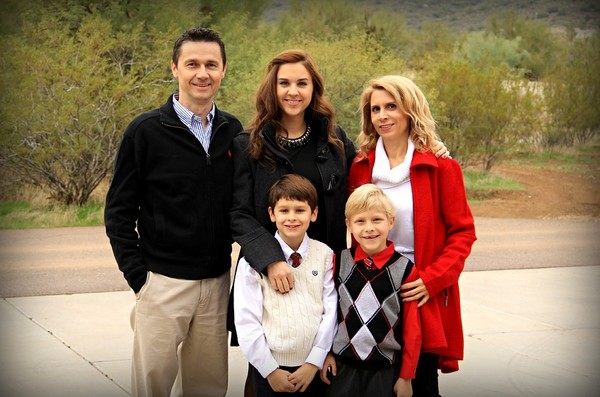
치료가 끝날 때 가족들은 회복에 시간이 걸린다는 사실에 대해 준비가 되지 않은 경우가 많다. 일반적으로 회복은 치료보다 훨씬 더 오래 걸리는 법이다. 생존자들은 종종 그들이 회복하는데 얼마나 많은 시간이 필요한지 깨닫지 못했다고 말한다. 이것은 모든 사람들에게 실망과 걱정, 좌절감으로 이어질 수 있다.
가족들은 또한 그들의 가족의 일하는 방식이 암으로 인해 영구적으로 바뀌었을 수도 있다는 것을 깨닫지 못할 수도 있다. 그들은 변화에 대처하고 새로운 가족을 강하게 결속하는 데 도움이 필요할 수도 있다.
일부 생존자들은 가족의 도움과 사랑이 없었다면 대처할 수 없었을 것이라고 말한다. 그리고 비록 치료가 끝났지만 그들은 여전히 많은 지원을 받아야 한다. 다른 가정의 경우 암 진단 이전에 존재했던 문제가 여전히 존재하거나 새로운 문제가 발생할 수 있다. 기대했던 것보다 적은 지원을 받을 수도 있다.
사랑하는 사람들과의 일반적인 문제
▲ 사람들은 당신이 암에 걸리기 전에 했던 일을 계속하기를 기대한다. 예를 들어, 만약 당신이 치료하기 전에 집이나 마당을 돌본 적이 있다면, 당신은 이 일들이 여전히 당신이 감당하기에는 너무 벅차다는 것을 발견할 수 있을 것이다. 하지만 당신을 대신한 가족 구성원들은 삶이 다시 정상으로 돌아가기를 원할지도 모른다. 그들은 당신이 집에서 하던 일을 계속하기를 기대할지도 모른다.
▲ 가족에게 현재 받는 것보다 더 많은 것을 기대할 수 있다. 그들은 당신을 실망시킬 수도 있고, 그것은 당신을 화나게 하거나 좌절하게 할 수도 있다. 예를 들어 치료 중보다 관심과 걱정을 덜 받을 수 있다.
▲ 회복 중에도 다른 사람에게 의존해야 할 수가 있다. 예전에 가정에서 했던 역할로 돌아가고 싶어도 일상으로 들어가려면 시간이 좀 걸릴 수 있다.
당신이 이런 것들을 겪는 동시에, 당신의 가족들도 여전히 적응하고 있다. 여러분 모두가 자신의 암에 대해 어떻게 말해야 할지 모르거나 감정을 표현하는 것은 어려울 수 있다.
가족 문제에 대한 도움 받기
치료 후에, 여러분은 자신과 가족이 적응하는 데 도움이 되도록 누군가로부터 도움을 받는 것을 고려해 보는 것이 좋을 것이다. 의사나 사회복지사에게 당신을 상담사에게 소개해 달라고 요청하라. 암 치료 후 가족의 역할과 관심사에 대한 전문가는 여러분의 가족이 여러분의 문제를 해결하는 데 도움을 줄 수 있다.
가족 문제에 어떻게 대처하나? 다음은 다른 사람들이 가족 문제를 다루는데 도움을 준 몇 가지 아이디어들이다.
▲ 병이 나아가면서 당신이 할 수 있는 것과 기대하지 말아야 할 것을 다른 사람들에게 알려라. 예를 들어, 집이나 마당을 항상 과거에 그랬기 때문에 완벽하게 정돈해야 한다고 생각하지 마라.
▲ 새로이 사는 시기임을 알고 적응하는 데 시간이 걸릴 수 있다. 가족의 역할은 다시 바뀔 수도 있고 다른 감정이 촉발될 수도 있다. 이것은 정상이다.
천천히 생각하라. 당신과 가족은 시간이 지남에 따라 암이 가져오는 변화에 적응할 수 있을 것이다. 서로 마음을 터놓고 지내는 것만으로도 각자의 욕구가 충족되도록 하는 데 도움이 될 수 있다. 좋은 의사소통은 여전히 매우 중요하다.
어린이와 청소년과 대화
치료가 끝난 지금 당신이 가지고 있던 에너지를 다시 얻으려면 시간이 좀 걸릴 수 있다는 것을 가족들 아이들이 이해하도록 도와라. 자신이 할 수 있는 것과 할 수 없는 것에 대해 열린 마음을 가져라.
모든 검사나 일어나는 모든 증상에 대해 아이들에게 말할 필요는 없다. 하지만 만약 여러분이 여전히 여러분이 수행하기 힘든 특정한 것들을 어렵게 만드는 부작용이 있다면 그들에게 말하라. 만약 여러분이 활동을 하거나 행사에 갈 수 없다면, 아이들은 당신이 그들에게 마음에 들지 않거나 화가 난다고 생각할지도 모른다. 당신 자신에 대해 아이들에게 최대한 다음과 같이 이야기하는 것이 좋다.
▲ 솔직히 말한다.
▲ 가능한 한 직접적이고 공개적으로 말한다.
▲ 암에 대해 알리고 회복에 관여하도록 한다.
▲ 이들과 함께 여분의 시간을 보낸다.
당신이 허락한다면 다른 가족들도 당신의 암과 치료법에 대해 아이들과 공유하는 것이 좋다.
Family Issues after Treatment
Updated: November 5, 2019
When treatment ends, families are often unprepared for the fact that recovery takes time. In general, your recovery will take much longer than your treatment did. Survivors often say that they didn't realize how much time they needed to recover. This can lead to disappointment, worry, and frustration for everyone.
Families also may not realize that the way their family works may have changed permanently as a result of cancer. They may need help dealing with the changes and keeping the "new" family strong.
Some survivors say they would not have been able to cope without the help and love of their family members. And even though treatment has ended, they still receive a lot of support. For other families, problems that were present before the cancer diagnosis may still exist, or new ones may develop. You may receive less support than you had hoped.
Common problems with loved ones:
•People expect you to do what you did before your cancer. For instance, if you used to take care of the house or yard before your treatment, you may find that these jobs are still too much for you to handle. Yet family members who took over for you may want life to go back to normal. They may expect you to do what you used to do around the house.
•You may expect more from your family than you receive. They may disappoint you, which might make you angry or frustrated. For example you may get less attention and concern than you did during treatment.
•You may still need to depend on others during this time. Even though you want to get back to the role you had in your family before, it may take a while to get into a routine.
At the same time you’re going through these things, your family is still adjusting too. It may be hard for all of you to express feelings or know how to talk about your cancer. To help your family members, you may want to share NCI's booklet for caregivers, Facing Forward: When Someone You Love Has Completed Cancer Treatment.
Getting Help with Family Issues
After treatment, you may want to consider getting help from someone to help you and your family adjust. Ask your doctor or social worker to refer you to a counselor. An expert on family roles and concerns after cancer treatment may help your family work on your problems.
How do you cope with family issues? Here are some ideas that have helped others deal with family concerns:
•Let others know what you're able to do as you heal - and what not to expect. For example, don't feel like you have to keep the house or yard in perfect order because you always did in the past.
•Know that this is a new time in your life so it may take time to adjust. Roles in the family may change again and different emotions may get triggered. This is normal.
Give yourself time. You and your family will be able to adjust over time to the changes cancer brings. Just being open with each other can help ensure that each person's needs are met. Good communication is still very important.
Talking with Children and Teens
Help the children in your family understand that it may take a while for you to have the energy you used to have now that you are finished with treatment. Be open about what you can and can’t do.
You don't have to tell your kids about every checkup or every symptom that occurs. But do tell them if you still have side effects that make certain things hard for you to do. If you’re not able to do an activity or go to an event, the children may think that you’re unhappy or mad at them.
Children of cancer survivors have said that these things are important once their parent has finished treatment. That you:
•Be honest with them
•Speak as directly and openly as possible
•Keep them informed about your cancer and involved in your recovery
•Spend extra time with them
With your permission, other family members should also be open with your children about your cancer and its treatment.
암스쿨에 게재된 기사는 미국국립암연구소(NCI), 미국암협회(ACS), 국립암센터(NCC), 일본국립암연구소(NCCJ), 엠디앤더슨암센터(MD Anderson Cancer Center) 등 검증된 기관의 검증된 자료를 토대로 작성되었습니다.
이 글은 2020년 7월 작성 시점의 정보입니다. 치료 기준·급여 정보는 바뀌었을 수 있으니, 진료와 치료 결정은 반드시 담당 의료진과 상의하세요.