면역학 및 종양학에 대한 이해의 증진 : 엘리자베스 재피 박사와의 대화
2020.07.07 · 전영조 전문위원
면역학 및 종양학에 대한 이해의 증진 : 엘리자베스 재피 박사와의 대화
엘리자베스 재피 박사는 존스 홉킨스 소재 블룸버그-킴멜 암 면역 치료 연구소의 종양학 교수이자 부소장이며, 2018-2019 미국 암 연구 협회 회장이다. 2016년에 그녀는 “RAS Dialogue”의 편집자들과 그녀의 암 치료에 대한 직업과 면역적인 접근법에 대해 이야기 했습니다. 최근 그녀는 우리에게 면역요법의 현주소가 어디인지 그리고 향후 10년 안에 암 치료와 연구가 어디로 가야 하는지에 대해 다시 말했습니다.
2018년 암에 대한 면역학의 적용과 역사, 그리고 현재 우리가 어디에 있는지 대략적인 정보를 주실 수 있나요?
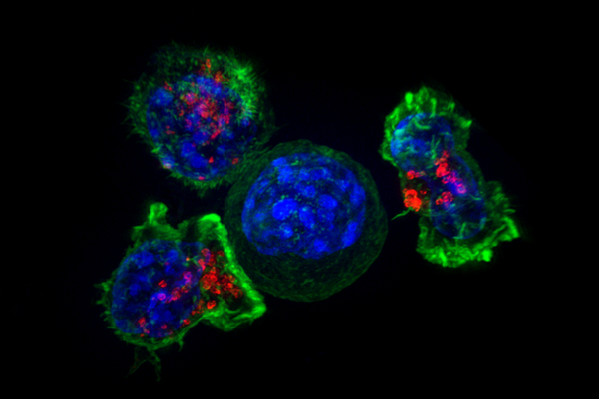
물론이죠. 면역요법은 정말 30~40년의 기초 면역학 과학 연구의 결과물입니다. 1980년대에 우리는 T세포를 발견하였고 사이토카인을 식별할 수 있는 능력이 있었습니다. 그것은 1990년대까지 진행된 주요 발전 분야였습니다. 바이러스성 질병은 90년대에 양질의 연구 영역이 되었고, 우리는 T세포가 바이러스를 어떻게 인지하는지, 어떻게 항원이 처리되어 T세포에 전달되는지에 대해 많은 것을 배웠습니다. 랄프 스타인만은 처음에는 수지상세포에 대해 연구하고 있었습니다. 처음에는 수지상세포가 T세포를 활성화 한다고 생각했지만 나중에는 T세포를 규제하고 있다는 것을 깨달았습니다. 그 후 1990년대에 짐 앨리슨과 리핑 첸과 같은 사람들은 T세포의 규제신호를 확인하고 있었습니다. T세포는 CTLA4와 B7 1과 2라는 많은 다른 신호에 의해 규제된다는 것을 알아냈습니다. 그리고 이제 우리는 중요한 T세포 규제 체크포인트의 패널이 있다는 것을 알게 되었습니다. 초기 것들은 분리하고 배열하는 과학의 진정한 노력이었다고 생각합니다. 하지만 인간 게놈의 배열 순서를 정할 수 있는 기술이 개발되면서 면역학에도 적용되었습니다. 그래서 2000년대 초반에 우리는 수지상세포 세포와 어떤 경우에는 종양과 상호작용하는 T세포의 모든 다른 체크포인트 활성화 및 하향조정 신호를 분리하고 있었습니다. 그 덕분에 우리는 이러한 신호를 통해 T세포의 기능을 바꿀 수 있는 항체를 개발할 수 있었습니다. 2011년 항CTLA4(이필리무맙, 상표명 : 여보이)는 최초로 승인을 받았으며, 현재 여러 암에서 여러 가지 처방으로 사용하는 FDA 승인을 30개 이상 받았습니다. 흑색종이 처음이 될 거라고 예상했겠지만 우리가 예상하지 못했던 것은 폐암과 두경부암, 방광암과 같이 면역요법에 반응할 것으로는 예상도 하지 못했던 다른 암들입니다. 깜짝 놀랐습니다.
※ 사이토카인. 시토킨 : 항(抗) 종양 효과를 발휘하는 활성 액성液性 인자
그러고 나서 일어난 일은 유전학과 유전체학(게놈학), 면역요법 사이의 행복한 결합이었습니다. 거기서 우리는 현재의 반응이 종양 변이 부담(종양 세포의 변이 측정값)과 관련이 있다는 것을 깨닫기 시작했습니다. 암을 조절하는 종양유전자의 개념에서 암의 성장과 진행과 관련이 없는 이 비 동의 돌연변이가 면역체계에 의해 인식되어 암세포를 죽이는 데 사용될 수 있다는 개념으로 발전했습니다. 돌연변이 부담을 알아내기 위해 2-3주 안에 어떤 종양도 쉽게 배열할 수 있다는 것은 환자가 현재 면역 요법에 반응할 것인지 여부를 다른 어떤 바이오마커보다 더 잘 예측하는 것으로 밝혀졌습니다.
그 결과 2018년까지 오게 되었습니다. 현재 가장 큰 과제는 어떻게 하면 변이의 크기가 큰 암이라는 낮게 매달린 과실을 딸 수 있을까 하는 것입니다. 다른 암이 돌연변이를 일으키는 부담이 없다는 것이 아니라, 암세포를 바이러스성 감염 세포와 같은 것으로 바꾸는 부담의 10배에서 100배의 차이를 말하는 것입니다. 종양에 대해 보통은 반응하지 않는 T세포를 어떻게 활성화시킬 수 있을까요? 확실히 우리는 약물에 대한 반응 예측이 잘 안 되는 낮은 변이부담 종양을 약물에 대한 반응 예측성이 높은 고변이 부담 종양처럼 보이는 종양으로 바꾸는 방법을 더 잘 이해하기 위해 더 많은 과학적 연구가 필요합니다.
마치 당신은 종양의 DNA 염기서열이 많은 종류의 암에 대한 치료 표준의 일부가 될 것이라고 확신하는 것처럼 들립니다.
우리는 확실히 우리가 여기서 하고 있는 것이 정밀의학이라고 생각합니다. 사실, 면역요법의 승인 중 하나와 과 항PD1 항체는 유전적으로 연관된 암, 즉 반복서열 불안정 암에 대한 것입니다. 그리고 그것은 정말 조직을 알 수 없는 질병입니다. 우리는 같은 유전적 문제의 결과로 발생하는 많은 다른 암들에 대해 이야기 하고 있습니다. 우리는 이제 면역요법에 민감하게 하는 특정한 유전적 변화를 가진 소수의 환자들로 연구를 옮겨가고 있습니다. 이제 막 시작했지만, 향후 5-10년 동안 우리는 그들의 유전학과 염증성 및 기질의 미세 환경을 바탕으로 아형 암을 찾아내게 될 것이라고 생각합니다. 그리고 새로운 약물과 면역요법, 비 면역요법 표적치료제가 보급됨에 따라 종양구조에 의해 결정되는 소규모 환자에 대해 더 많이 생각할 수 있게 될 것입니다. 그쪽으로 우리가 가는 것 같아요. 사실 우리는 이미 이것을 염두에 두고 고안된 임상실험을 하고 있습니다. 이 포괄적 실험에서는 환자의 암 발생 부위 보다는 암의 유전자에 기초하여 환자를 등록시키는 것입니다. 점점 더 작고 효율적인 임상실험을 할 수 있게 되고 환자에게 신약에 더 높은 반응을 보일 수 있게 될 것입니다. 그리고 우리는 더 빨리 승인을 받을 것입니다. 반복서열 불안정성이 높은 암의 승인은 처음부터 끝까지 처음 등록한 환자부터 승인까지 3년입니다. 우리가 언제 그렇게 빠른 암 치료 결과를 얻었을까요? 임상 연구자로서, 종양학자로서, 우리는 과학에 대해 흥분하고 있습니다. 하지만 진짜 흥분은 우리가 정말로 환자를 돕고 있다는 것입니다.
※ 반복서열불안정성 [microsatellite instability]
종양세포의 DNA에서 반복서열(microsatellites: DNA의 짧은 반복되는 서열)의 반복 횟수가 DNA가 복제될 때마다 다르게 발생하는 변화. 원인은 DNA가 복제될 때 이루어진 실수를 복구할 수 있는 유전자의 결함으로 여겨지고 있다. 대장암 중 유전 비폴립 대장암(hereditary nonpolyposis colon cancer)을 진단하는 데 매우 중요한 검사이다.
그것이 어려운 문제를 제기하지 않나요? 제가 MSI 범주에 속하지 않는 환자이거나 현재 어떤 기준이든지 간에 해당된다고 가정해 보십시오. 저한테 뭐라고 하시겠어요? 기회가 적더라도 기회가 있었으면 좋겠어요.
그것은 어려운 질문입니다. 전체 반응률이 아직 20%에 불과하기 때문입니다. 우리는 서로 다른 종양에서 무슨 일이 일어나고 있는지 정말로 이해할 수 있는 도구를 가지고 있습니다. 그리고 이제 우리는 과학을 해야 합니다. 현재 우리가 검토하고 있는 좋은 임상 실험은 이미 승인된 기존 두 가지 약물의 조합뿐만 아니라, 기질 표적치료제와의 조합, 표적치료제와의 조합도 많이 있기 때문에 그쪽으로 향하고 있는 것 같습니다. 제가 말씀드리고 싶은 것은, 5년 전에 MSI 사례가 발병할거라고 누가 생각했을까요?
수백, 수천 개의 돌연변이가 난무하는 암은 최악의 뉴스였지요?
네! 그리고 갑자기 우리는 화학요법에 내성을 보이는 전이 암 환자들을 퇴원시켜 호스피스로 데려갔습니다. 그리고 그들을 정상적인 삶을 살고 있는 곳으로 돌려보내 드렸습니다. 이 치료를 받은 약 65~70%가 반응을 했습니다. 놀라웠어요. 그래서 저는 오늘날의 환자들이 적어도 10년 전보다 더 많은 희망이 있다는 것을 느낄 수 있기를 바랍니다. 그리고 오늘 초기 암에 시험을 받는 것은 10년 전의 초기에 시험에 임하는 것과는 매우 다릅니다.
펨브롤리주맙과 화학요법의 조합은 현재 널리 사용되고 있습니다. 항암화학은 암세포를 죽이고 있지만, 또한 항체를 더 쉽게 이용할 수 있게 만들거나, T세포들을 교육시키고 있습니다. 이게 맞습니까?
우리는 실제로 메커니즘의 전부를 알지 못합니다. 그 가설은 화학요법이 몇 가지 일을 하는데, 종양의 크기를 빨리 줄여준다는 것입니다. 왜냐하면 종양의 크기가 클 때 면역요법이 반응을 보는데 몇 달이 걸릴 수 있기 때문입니다. 그래서 한 가지입니다. 화학요법이 할 수 있는 또 다른 방법은, 말씀하신 것처럼, 우리는 화학요법이 항원을 방출한다고 믿습니다. 우리가 생각하는 종양파괴 바이러스와 작용이 비슷합니다. 화학요법은 또한 종양 손상을 청소하기 위해 염증세포를 생기게 하는 독소와 사이토카인, 그리고 케모카인을 방출할 수도 있고, 이 염증세포를 T세포에 차례로 항원을 제공할 수도 있습니다. 그래서 저희는 그렇게 생각하지만 솔직히 말씀드리면 좋은 자료가 없습니다. 제가 말씀드릴 수 있는 것은 임상적으로 다른 화학요법요법에 대한 데이터가 있다는 것입니다. 그리고 그것들은 모두 면역체계에 다른 영향을 미친다는 것입니다. 예를 들어, 우리는 탁솔에 대해 발표했고 그것들은 수지상 세포의 항원 처리 시스템을 향상시킵니다. 그것들은 수지상 세포와 아마도 수지상 세포의 특정 집단을 위한 것입니다. 그리고 사이클로포스파미드와 젬시타빈은 쥐 모델 시험에서 골수에서 나온 억제 세포를 감소시킵니다. 많은 메커니즘이 있을 수 있고, 아직 많은 연구가 많지 않습니다. 특히 인간에게 화학요법이 면역체계에 어떤 영향을 미치는지 구체적으로 보여줍니다. 우리는 항상 생각했죠. 화학요법을 하면 암이 죽습니다. 암이 증식하는 세포를 막습니다. 하지만 이제 우리는 그것들이 많은 부작용을 가지고 있다는 것을 압니다. 그리고 더 많은 연구가 필요한 분야라고 생각합니다. 저는 이런 약물들의 다른 복용법과 다른 염기서열을 조사하는 것에 의문을 갖고 있습니다. 그리고 그들이 표적으로 삼는 것을 관찰하는 것이 면역요법이든 표적요법이든 치료법으로 개발되고 승인된 새로운 약물과 어떻게 결합할지를 알아내는 데 큰 도움이 될 것이라고 생각합니다.
※ 케모카인 : 백혈구유주작용, 활성화작용을 하는 염기성헤파린 결합성 저분자 단백질이다.
콜리 백신을 떠올리는 "국소 면역요법"에 대해 어떻게 생각하세요?
보조요법과 매우 표적화 된 보조요법과 보조제를 지속적으로 주입하고 있는 연구들이 있습니다. 이 보조제들은 화학물질을 분비하여 수지상세포와 T세포를 유인할 수 있는 특정 경로를 표적으로 하고 있습니다. 예를 들어, 종양에 주입되는 STING[인터페론 유전자 활성제] 경로 활성제가 있습니다. 흥미로운 데이터가 있습니다. 작년에 제가 도와드린 논문이 있습니다. 쥐의 유방암 모델에 STING 보조제를 주입했습니다. 그리고 우리는 비록 그것이 어느 정도 효과가 있지만, 종양을 완전히 제거하기 위해서는 STING과 함께 전신 백신을 투여해야 한다는 것을 보여주었습니다. 하지만 다시 말씀드리지만, 우리는 이 분야에 초창기이며, 이러한 조직 내 작용제를 항PD1 또는 항CTLA4와 결합하는 것은 시도해 볼 만한 가치가 있습니다.
또한 면역세포의 종양에의 접근을 개선하자고 제안하는 약물들이 있습니다. 그리고 그것들도 역할을 할 것 같습니다.
네, 그리고 이 모든 것을 탐구해야 합니다. 우리는 지금 꽤 많은 것을 이해하고 있지만, 우리는 더 많은 것을 이해해야 합니다. 그리고 우리에게는 정말로 종양을 접근하고 공격할 수 있는 많은 약물들이 있습니다. 저는 제 학생들과 박사 후 과정 학생들에게 말합니다. "당신은 정말 운이 좋군요. 이제 시작입니다. 암은 오늘 보이는 것처럼 보이지도 않을 테고, 곧 암을 없애버리거나 혹은 일상생활을 하면서 대부분 생각조차 하지 않는 만성질환이 될 테니까요.“
내성의 출현에 대해 우리는 무엇을 이해하고 있습니까?
이게 바로 지금 우리가 추구하고 있는 영역입니다. 반응 중이던 암이 어떻게 내성을 갖게 되는가? 그것은 T세포의 질과 T세포의 소진과 관계가 있다고 생각합니다. 현재 T세포 생물학자 존 훼리와 라피 아흐메드 같은 면역학자들의 연구가 있습니다. 그들은 항PD1에 대한 초기 양성 반응 후에 T세포가 소진될 수 있다는 것을 보여주고 있습니다. 이것이 바로 이 작용제에 대한 민감도 이후에 발병하는 내성의 한 영역입니다. 여러분은 항원을 나타내는 HLA 분자의 신호나 분자의 소실을 경험할 수 있습니다. 그리고 종양은 그들이 받는 치료경로로부터 탈출합니다. 이것들은 환자들, 특히 흑색종에서 이미 나타난 예들입니다. 하지만 흑색종은 다른 암과 다르며 다른 암에서는 다른 메커니즘이 작용하고 있을 수 있습니다.
만약 제가 암 환자이고 과학적으로 정통하지 않다면, 최선의 치료법, 또는 좋은 임상실험을 어떻게 찾을 수 있을까요?
매우 중요한 질문입니다. 저는 블루리본 패널(최상급 학자들로 구성된 암 관련 패널)의 공동대표 중 한 사람이었고, Moonshot(암 정복 프로젝트)을 작업하면서 “바이든 계획”과 계속 협력하고 있는데, 바이든 부통령의 지도하에 “문샷”이 모든 지역사회를 하나로 묶어 환자들을 쉽게 접할 수 있도록 하고, 유전자 정보와 기타 정보에 의거한 임상시험이 무엇인지 알아내는 데 도움을 주고, 나아가서까지 도움을 주는 분야였습니다. 그것은 진행 중인 작업이고, 그것을 위한 몇몇 준비 연구도 있지만, 그 동안, 다른 곳에서는 이용 가능한 임상 실험 목록을 얻기는 매우 어렵습니다. 재단이 있는 암에 걸렸다면 어떤 우선순위의 임상실험이 가능한지 알려주실 수 있고, 저는 항상 사람들에게 이 재단들과 접촉할 것을 권장합니다. 미국 암 연구 협회는 환자들을 올바른 장소로 연결하는데도 도움이 될 것입니다. 국립 암 연구소가 지정한 암 센터가 여러분 지역에 있기 때문에, 저는 항상 그곳을 보고 싶습니다. 그들은 항상 목록을 가지고 있고, 그것들은 가장 과학적으로 합리적인 연구가 될 것입니다.
미국암연구협회 회장 선출을 축하드립니다.
감사합니다. 이것은 제가 전에는 도울 수 없었던 방법으로 정말로 도울 수 있는 기회입니다. 그래서 이것은 정말 멋집니다.
우선순위로 언급하고 싶으신 것은 무엇인가요?
미국암연구협회(AACR)의 회장이 되는 것의 좋은 점 중 하나는 AACR이 몇 가지 분야의 우선순위를 정할 수 있는 엄청난 양의 자원을 제공한다는 것입니다. 제가 중점적으로 다룰 분야는 융합과학을 강화하는 것입니다. 이곳은 새로이 떠오르는 분야입니다. 우리는 암 생물학 문제에 대해 생각해 볼 수 있도록 컴퓨터 생물학, 수학, 공학, 기계 학습, 인공지능에 관심이 있는 젊은 조사관들을 모집해야 합니다. 우리는 인력을 늘리는 방법뿐만 아니라 암에 대해 생각하지 않았던 이러한 분야에서 더욱 확립된 인력을 모집하고 향상시키는 방법을 생각하고 있습니다. 우리는 AACR의 다양한 분야의 리더들로 구성된 싱크탱크를 설립하여 5개년 계획을 수립하여 보조금을 지급하고 심포지움과 워크샵을 개발하여 이 분야를 향상시킬 것입니다. 저는 이미 기술 분야와 재단에서 우리와 함께 이 세부 계획을 추진하는 데 관심이 많습니다. 우리가 가지고 있는 모든 빅 데이터 문제와 이 모든 빅 데이터를 생물학적 프레임워크에 적용하기 위한 기술과 전문성을 갖추는 데 필요한 모든 빅 데이터에도 잘 맞습니다.
제가 계속 하고 싶은 또 다른 분야는 마이크 칼리지우리가 시작했던 것입니다. 이 20-20의 세부계획을 통해 우리가 어떻게 건강 불균형에 대한 이해를 증진시키는지 과학적으로 관찰하면서 시작했던 것입니다. 2020년 아프리카계 미국인 환자의 암을 유전자 데이터베이스로 가져오고, NIH의 커먼즈 데이터베이스에도 데이터를 넣을 것입니다. 저는 또한 암 연구 인력의 다양성을 향상시킬 수 있는 방법을 생각해 내고 싶습니다. 다시 한 번, 다양한 배경을 가진 젊은이들을 암 연구에 채용할 수 있는 메커니즘을 제공할 수 있는지 알아보기 위해 제약회사와 이야기를 나누었습니다. 이미 하던 일보다 조금 더 해야 할 때가 된 것 같아요.
또 다른 개발 이슈는 암 생존입니다. 이 모든 훌륭한 치료들로 인해 저는 우리가 더 높은 수준의 생존자 연구가 필요하다고 생각합니다. 그래서 우리는 또한 AACR에서 5개년 계획을 짜고 있습니다. 어떻게 하면 그 분야에서 더 많은 연구를 지원하고, 그것을 구현하고, 그것을 필요로 하는 사람들에게 전달할 수 있는지 말입니다.
"생존"이 무슨 뜻인지 분명히 말씀해 주시겠어요?
환자들이 치료를 받게 되면, 그 치료법들, 심지어 면역요법들에서도 장기적인 결과를 가져올 것입니다. 우리는 그 증상들을 어떻게 개선해서 그들의 삶의 질이 우수하도록 할 수 있는지 알아내야 합니다. 또한, 우리는 그것들을 정상적 의료 시스템에 다시 통합할 수 있는 가장 좋은 방법을 이해할 필요가 있습니다. 치명적인 암으로 인해 여러분은 종양학자와 함께 지내게 됩니다. 그리고 심장병과 고혈압, 그리고 정상적인 건강한 사람들이 받는 다른 모든 것들에 대해 잊어버리게 됩니다. 암환자들에게는 우선순위가 덜합니다. 하지만 수 년, 수십 년을 사는 환자들을 위해 우리는 이러한 비 암 질병들이 어떻게 발병하고, 더 일찍 발병할 수 있는지, 어떻게 예측하고, 어떻게 치료하고, 어떻게 예방할 수 있는지 알아내야 합니다. 우리는 이 분야에 대한 연구가 필요합니다. 암 치료를 받고 지금은 완치되었거나 장기적 관해가 된 사람들이 암이 아닌 결과를 얻지 않기 위해서요.
저는 화학요법과 표적치료법 둘 다에서 심장독성이 문제라는 것을 읽었습니다.
그것은 우리가 미래에 예방하고 싶은 것입니다. 우리는 과잉진료를 하고 싶지 않고, 만약 여러분이 성향을 가진다면 잘못된 치료를 하고 싶지 않습니다. 치료가 점점 더 다양해짐에 따라 우리는 그들의 장기적인 결과를 더 잘 이해할 필요가 있습니다.
※심장독성은 심장의 전기 생리학적 기능 장애나 근육 손상의 발생입니다. 심장은 약해지고 펌핑에 효율적이지 못하여 혈액 순환에도 원활하지 못합니다. 카디오독성은 화학요법에 의해 유발될 수 있습니다.
2018년 5월 21일 : 대담 짐 하틀리
Elizabeth Jaffee: An Immuno-Oncology Update
May 21, 2018, by Jim Hartley
Dr. Elizabeth Jaffee is Professor of Oncology and Associate Director of the Bloomberg-Kimmel Institute for Cancer Immunotherapy at Johns Hopkins, and President of the American Association for Cancer Research for 2018-2019. In 2016 she spoke with RAS Dialogue editors about her career and immune approaches to treating cancer. Recently she spoke with us again about where immunotherapy is today and where cancer treatments and research need to go in the coming decade.
Can you give us an overview of the application of immunology to cancer, the history and where we are in 2018?
Sure. Cancer immunotherapy is really the result of 30 to 40 years of basic immunology science. In the 1980s we had T cells being identified and the ability to identify cytokines, that was a major area of progress that went on into the 1990s. Viral diseases became an area of high inquiry during the 90s, and we were learning a lot about T cell recognition of viruses and how an antigen is processed and presented to a T cell. Ralph SteinmanExit Disclaimer was working on dendritic cells, which at first we thought were activating T cells but later realized they were regulating them. Then in the 1990s people like Jim Allison and Lieping Chen were identifying regulatory signals on T cells, realizing that T cells are regulated by a number of different signals, CTLA4 and B7 1 and 2, and now we recognize that there are a panel of important T cell regulatory checkpoints. I think the early ones were real efforts in science to try to isolate and sequence, but with the development of technologies that were able to sequence the human genome, those were also applied to immunology. So during the early 2000s we were isolating all of the different checkpoint-activating and down-regulating signals on the T cell that interact with dendritic cells and in some cases tumors. That really allowed us to develop these antibodies that can alter the function of T cells through these signals. And in 2011 anti-CTLA4Exit Disclaimer was the first to be approved and we've had now over 30 FDA approvals for multiple indications in different cancers. We would have expected melanoma being the first but what we weren't expecting was lung cancer and cancers such as head and neck and bladder and some of the others that were just not even on our radar to respond to immunotherapies. We were shocked.
And then what happened was a happy marriage between genetics, genomics, and immunotherapy, where we started realizing that current responses had to do with the mutation burden in tumors. We went from this concept of oncogenes regulating cancers to this concept that these non-synonymous mutations, which probably don't necessarily have anything to do with the cancer growth and progression, can be recognized by the immune system and used to kill cancer cells. It has turned out that being able to readily sequence in 2-3 weeks any tumor to determine the mutation burden predicts better than any other biomarker whether a patient will respond to our current immunotherapy.
And that brings us up to 2018, where the biggest challenges now are to figure out how to get beyond the low hanging fruit, cancers with a high mutational burden. It's not that other cancers don't have mutational burdens, they do, it's just that we're talking about 10 - 100 fold differences in burdens that turn the cancer cell into something like a virally infected cell. How can we activate T cells against tumors that aren't naturally responsive? Clearly we need more science to better understand how to turn a low-mutation burden tumor into one that looks like a high-mutation burden tumor.
It sounds as if you are convinced that sequencing tumor DNA will become a part of the standard of care for many cancer types.
We definitely think that precision medicine is really what we're doing here. And in fact, one of the approvals of immunotherapy and the anti-PD1 antibody was for genetically associated cancers, the microsatellite instability cancers. And that is really a tissue-agnostic disease now, we're talking about many different cancers that occur as a result of the same genetic problem. We are now moving to smaller populations of patients that have specific genetic alterations that make them susceptible to immunotherapy. We're just starting but I think over the next 5-10 years we're going to subtype cancers based on their genetics and on their inflammatory and stromal microenvironment. And as new drugs become available, immunotherapies and non-immunotherapy targeted agents, we'll be able to think more about patients in smaller categories that are determined by their tumor makeup. That's where I think we're going. In fact we already have clinical trials designed with this in mind, the umbrella trials that enroll patients based on the genetics of their cancers rather than their cancers' sites of origin. More and more we're going to be able to do smaller, more efficacious clinical trials and offer patients a higher chance of responding to new drugs. And we're going to get approvals faster. The MSI-High approval, from start to finish, from first patient enrolled to approval was three years. When did we ever have that rapid a result in cancer medicine? As clinical researchers, as oncologists, we're excited about the science, but the real excitement is that we're really helping patients.
Doesn't that raise a difficult issue? Suppose I'm a patient that falls outside of this MSI category, or whatever the criteria of the moment are. What do you say to me? Even if the chances are low, I want to have some chance.
That's a tough question, because the overall response rate is still only 20%. We have the tools to really understand what's happening in different tumors, and now we need to do the science. There are many good clinical trials where we're looking at combinations now, not just combinations of the existing couple of agents that are already approved, but combinations with stromal targeting agents, combinations with targeted agents, so I think that's where we're headed. And I would say to you, please find a clinical trial that has some chance, because who thought the MSI cases would have a chance 5 years ago?
A cancer that was full of hundreds or thousands of mutations was the worst news of all, wasn't it?
Yes! And suddenly we took patients who were resistant to chemotherapy, with metastatic disease going home to hospice, and turned them around to where they're living normal lives. About 65 - 70% who got this treatment responded. That's remarkable. So I hope that patients today can at least feel there is more hope than there was even ten years ago. And going on an early phase trial today is very different from going on an early phase trial even ten years ago.
The combination of pembrolizumab and chemo is widely used now. The chemo is killing cancer cells but it is also making their antigens more accessible, or educating T-cells, is that correct?
We don't really know the full mechanism. The hypothesis is that the chemotherapy does a couple of things, it reduces the tumor burden quickly, because when you have a large tumor burden, immunotherapy can take a couple of months to see a response. So that's one thing. The other thing that chemotherapy will do is, as you said, we believe it releases antigens, similar to how we think oncolytic virusesExit Disclaimer work. Chemotherapy may also be releasing toxins, cytokines and chemokines, which bring in inflammatory cells to clean up the tumor damage, and these inflammatory cells may in turn present antigens to the T cells. So we think that's how it works but to be honest with you, there isn't great data. What I can tell you is that preclinically there is data for the different chemotherapy agents, and they all have different effects on the immune system. For instance, we've published on the taxols and they enhance the antigen-processing machinery in dendritic cells. They're specific for dendritic cells, and probably for a specific population of dendritic cells. And cyclophosphamide and gemcitibine reduce the suppressive cells, the myeloid-derived suppressor cells in mouse models. There may be many mechanisms, and there are not a lot of studies yet, particularly in humans, showing specifically how chemotherapies affect the immune system. We've always thought, you give chemotherapy and it kills cancers, it stops cells that are proliferating, but we now know they have a lot of effects, and I think it's a whole area that we need to investigate more. I suspect that looking at different dosing, looking at different sequencing, of these agents and what they're targeting would be very helpful for figuring out how to combine these with the newer agents that are being developed and approved as therapies, whether they're immunotherapies or targeted therapies.
What are your thoughts on "local immunotherapy", which harkens back to Coley's toxinsExit Disclaimer.
There are studies that are ongoing injecting adjuvants, very targeted adjuvants, adjuvants that target certain pathways that will secrete chemokines to attract the dendritic cells and the T cells. For instance, there are STING [stimulator of interferon genes] pathway activators that are being injected into tumors, and there's been some interesting data. We have a paper I helped with that was published last year, injecting the STING adjuvant into a mouse model of mammary tumors, and we showed that although it had some effect you had to give a systemic vaccine with STING as well to fully eradicated the tumor. But again, we're early in this area and combining these intratumoral agents with anti-PD1 or anti-CTLA4 would be worth trying.
There are also agents which propose to improve access of immune cells into tumors, and those are going to play a role too, I suppose.
Yes, and this all has to be explored. We're in an amazing time where we understand a fair bit, but we need to understand more, and we have a lot of agents available to really gain access and attack the tumor. I tell my students and postdocs "You're so lucky, you're starting out now. Cancer's not going to look like what it looks like today, you're going to get rid of it, or it's going to be a chronic disease that people don't even think about most of the time as they go about their daily lives."
What do we understand about the emergence of resistance?
That's an area we're pursuing now, how does a cancer that's responding become resistant, and we think that has to do with T-cell quality and T-cell exhaustion. There is some work now by immunologists like John Wherry and Raffi Ahmed, who are T cell biologists. They are showing that T cells can get exhausted after an initial positive reaction to anti-PD1. So that's one area of resistance that develops after sensitivity to these agents. You can have loss of the signaling or loss of the HLA molecule that presents the antigens, and tumors escape that way from the treatment that they're getting. These are examples that have already been shown in patients, particularly in melanoma. But melanoma is different from other cancers and other mechanisms may be at play in other cancers.
If I were a cancer patient and not scientifically sophisticated, how would I find the best care, or a good clinical trial?
Very important question. I was one of the co-chairs of the Blue Ribbon Panel and worked on the Moon Shot and continue to work with the Biden Initiative, and one area that the Moonshot under Vice President Biden's leadership was to try to bring all the communities together to have an easy access for patients, to help them figure out what the clinical trials were, and even be able to access clinical trials based on their genetic information and other information. That's a work in progress, there are some pilots studies for that, but in the meantime, it's very hard with the lists [of clinical trials] that are available in different places. If you have a cancer that has a foundation, they can tell you what priority clinical trials are available, and I always encourage people to contact these foundations. The American Association for Cancer Research will also be helpful in connecting patients to the right places. Having a National Cancer Institute-designated cancer center in your area, I would always look there, they always have lists and those are going to be the most scientifically rational studies.
Congratulations on your election as the president of AACR.
Thank you. It's an opportunity to really help in ways that I could not help before, so this really cool.
Would you like to mention any of your priorities?
One of the nice things about being a president of the AACR is that they provide an amazing number of resources that allow you to prioritize a few areas. One area I will focus on is enhancing convergence science. This is an emerging area and we need to recruit young investigators who are interested in computational biology, mathematics, engineering, machine learning, artificial intelligence, to come think about cancer biology problems. We are thinking about ways to increase the workforce but also to recruit and enhance the more established work force in these areas that weren’t thinking about cancer. We're going to have a think tank of leaders in the different areas at AACR to come up with a five year plan to to provide grant money and develop symposia and workshops to enhance this area. I've already been talking with people in tech fields and at foundations, people are very interested in working with us on this initiative. It goes right with all the big data issues we have, all this big data we need to be able to have the technologies and the expertise to put them into biological frameworks.
Another area I want to continue is what Mike Caligiuri has started, looking scientifically at how we enhance our understanding of health disparities by this 20-20 initiative, bringing in 2020 African American patient cancers into the genetic databases, data that will also go into the Commons database at the NIH. I'm also hoping to come up with ways to enhance the diversity of the cancer work force. Again, I've been talking with pharmaceutical companies to see if we can provide mechanisms to recruit young people of diverse backgrounds into cancer research. I think it's time we do a bit more than what we've already been doing.
Another developing issue is cancer survivorship. With all these great treatments I think we need survivorship research at a higher level. So we're also organizing at the AACR to figure out a 5 year plan of how to support more research in that area, implement it and get it out to people who need it.
Can you clarify what you mean by "survivorship"?
As patients are getting therapies they're going to have long term consequences from those therapies, even immunotherapies. We need to figure out how to ameliorate those symptoms so that their quality of life is excellent. Also, we need to understand the best ways to integrate them back into the normal health care system. With deadly cancers you stay with your oncologist, and you forget about heart disease and hypertension and all the other things that normal healthy people get that are less of a priority with cancer patients. But with patients living years and decades we need to figure out what are the special issues that may change how these non-cancer diseases develop, they may develop earlier, they may develop in different ways, how do we predict them, how do we treat them, how do we prevent them. We need research in this area so that people who undergo cancer treatment and now become cured or in long term remission don't get consequences that are non-cancers.
I have read that cardiotoxicity is an issue, with both chemotherapy and also with targeted therapies.
That's something we want to prevent in the future. We don't want to overtreat, and we don't want to give the wrong treatments if you're predisposed. As treatments become more diverse we need to do more understand their long-term consequences.
이 글은 2020년 7월 작성 시점의 정보입니다. 치료 기준·급여 정보는 바뀌었을 수 있으니, 진료와 치료 결정은 반드시 담당 의료진과 상의하세요.