공격적인 B세포 림프종의 많은 어린이들을 치료하는 새로운 약품
2020.07.03 · 전영조 전문위원
공격적인 B세포 림프종의 많은 어린이들을 치료하는 새로운 약품
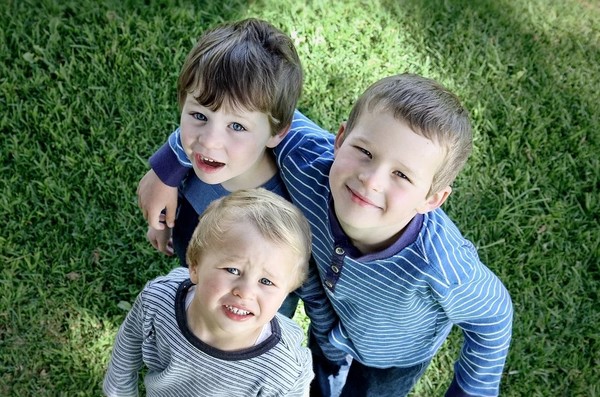
표준 항암화학요법에 리툭시맙을 추가함으로써 공격적인 B세포 림프종 어린이 환자의 치료율은 87%에서 95%로 높아졌다.
최근 한 연구에서 나온 결과에 의거하여 B세포 비 호지킨 림프종을 포함한 B세포 비 호지킨 림프종의 급성으로 진단을 받은 어린이와 청소년 치료에 대한 새로운 기준을 확립했다.
이번 연구에서 표준 항암화학요법에 약물 리툭시맙(상표명 : 리툭산, 트룩시마)을 추가하면 이들 환자의 전반적인 치료율이 약 87%에서 95%로 개선됐다.
이번 연구에 참여하지 않은 NCI 암 치료 평가 프로그램의 말콤 스미스박사는 이 새로운 치료법은 "매우 공격적인 형태의 림프종에 걸린 아이들에게 매우 효과적인 치료법"이라고 말했다.
스미스 박사는 "이러한 환자들에게 95% 생존율을 달성하는 것은 탁월한 결과이며 매우 중요한 성취"라고 덧붙였다.
국립암연구소가 지원하는 아동 종양학 그룹과 어린이 비 호지킨 림프종에 대한 유럽 그룹이 주도한 이번 국제적 규모의 연구에서 나온 연구 결과가 6월 4일 뉴잉글랜드 의학저널에 발표되었다.
생존율의 변화
소아 비 호지킨 림프종은 인체 면역체계의 일부인 림프계에 암세포가 형성되는 질환이다. B세포 비 호지킨 림프종은 B 림프구라 불리는 백혈구에서 시작된다. 소아의 비 호지킨 림프종은 종종 매우 공격적이고 빠르게 성장하는 질환이며 대부분의 경우 버킷 림프종이라고 새로운 연구의 주요 저자인 콜로라도 소아병원의 토마스 그로스 박사가 말했다.
그로스 박사는 수개월에 걸쳐 고용량의 항암제를 투여하는 소아 버킷 림프종에 대한 집중적인 화학요법 투약법이 개발되면서 이러한 비교적 희귀한 암의 치료율이 1970년대 약 30%에서 1990년대 85%로 증가했다고 말했다.
그는 "그러나 이런 종류의 개선을 위해서는 화학요법을 더욱 강화해야 했다"고 말했다. 그리고 더 심화될 경우 치료와 관련된 사망이 더 늘어날 수 있다"고 덧붙였다. 그래서 치료 결과를 더욱 향상시키기 위해, 연구원들은 화학 요법 외에 투여할 수 있는 독성이 덜한 약물을 찾고 테스트할 필요가 있었다.
정상 B세포뿐만 아니라 암 B세포를 대상으로 하는 면역치료의 일종인 리툭시맙은 화학요법에 이 약을 첨가하는 것이 B세포 림프종을 가진 성인들이 더 오래 살 수 있도록 도와준다는 이전의 연구에서 밝혀졌기 때문에 좋은 후보였다고 그로스 박사는 설명했다.
리툭시맙 추가의 이점은 명확하다.
그로스 박사와 그의 동료들은 화학요법에 리툭시맙을 첨가하는 잠재적 이점을 엄격하게 시험하는 데 필요한 대규모 임상시험에 B세포 림프종에 걸린 충분한 수의 어린이들을 등록하기 위해 북미, 유럽, 아시아, 뉴질랜드, 호주의 십여 개국이 참여하는 협업을 맺었다.
2세에서 17세까지의 환자들은 집중적인 화학요법의 표준요법이나 동일한 화학요법 투약법에 6회분의 리툭시맙을 더하여 무작위로 배정받았다.
연구원들은 원래 이 연구에 약 600명의 환자를 등록할 계획이었다. 그러나 환자 데이터에 대한 사전 계획된 중간 분석 결과 리툭시맙에 대한 이점이 뚜렷해 328명만 등록한 뒤 조기 중단됐다. 스미스 박사는 "임상시험을 중단한다는 것은 시험의 무작위 부분이 중단되고 리툭시맙을 투여 받지 않는 모든 어린이들이 시험을 받을 수 있도록 허용했다는 것을 의미했다"고 말했다.
화학요법에만 무작위로 배정된 328명의 환자 중 287명(약 90%에 가까운 287명)이 버킷 림프종을 갖고 있었다. 치료를 시작한 지 3년 만에 항암치료만으로 사건 없는 생존율이 82%, 항암치료 플러스 리툭시맙으로 94%를 기록했다. 사건 없는 생존이란 이들 환자가 암이 재발하거나 진행 중인 징후를 전혀 보지 못했거나, 제2의 암이 발병했거나, 어떤 원인으로 사망했다는 것을 의미한다.
3년 후에도 여전히 생존한 환자의 비율은 항암 화학요법만으로 87%, 리툭시맙+화학요법으로 95%를 차지했다. 스미스 박사는 이 병이 재발하지 않고 3년 동안 생존하는 공격적인 B세포 림프종 어린이들은 일반적으로 완치된 것으로 간주된다고 말했다.
대부분의 부작용은 일시적.
감염과 열성 호중구 감소증 등 심각한 부작용은 항암화학요법 단독 그룹에서 24%, 리툭시맙-화학요법 그룹에서 33%가 발생하였다.
치료 관련 부작용으로 그룹별로 각 3명의 환자가 숨졌다. 그러나 스미스 박사는 "대부분의 아이들이 치료를 참을 수 있었고, 부작용도 대부분 정상화가 될 수 있었다"고 말했다.
그로스 박사는 "리툭시맙 치료를 받은 아이들은 치료 중 감염이 더 많았지만 성공적으로 치료할 수 있었다"고 말했다. 리툭시맙은 종양 B세포뿐 아니라 정상 B세포까지 공격하기 때문에 이들 어린이의 면역체계가 정상기능으로 돌아가도록 장기적으로 추적하는 것이 중요할 것이다.
작년에 발표된 소아암 생존자 연구의 결과는 공격적인 B세포 비 호지킨 림프종의 어린이들을 치료하기 위해 사용되는 집중적인 화학요법 요법이 사람의 삶의 질에 영향을 미칠 많은 장기적 부작용을 가지고 있지 않다는 것을 보여준다고 그로스 박사는 지적했다.
중·저소득 국가의 치료 관련 과제
항암화학요법에 리툭시맙을 추가해 달성한 높은 완치(치유)율에도 불구하고, 그로스 박사는 일단 병이 재발하면 좋은 치료 방법이 없기 때문에 "우리는 여전히 이 치료법으로 치료되지 않는 5%의 환자들을 위한 치료법을 찾아야 한다."고 말했다.
게다가, 그는 버킷 림프종과 다른 공격적인 B세포 림프종의 전 세계 어린이들 중 약 10%만이 잠재적으로 완치 가능한 치료와 집중적인 화학요법의 심각한 부작용을 관리하는 데 필요한 지원 치료를 받을 수 있는 충분한 자원을 가진 나라에 살고 있다고 언급했다. 버킷 림프종은 엡스타인-바 바이러스, 특히 아프리카에서 이 바이러스가 대부분의 질병을 유발하는 감염과 연관되어 있다.
세인트 주드 소아 연구병원의 글로벌 소아의학과의 모니카 메츠거 박사는 "공격적인 B세포 림프종 어린이의 치료율은 미국과 같은 고소득 국가보다 저소득 및 중간소득 국가(LMICs)에서 현저하게 낮다"고 말했다.
예를 들어, 중앙아메리카에서는 불충분한 지지 치료로 인해 치료와 관련된 합병증으로 사망하는 환자가 더 많은 반면, 다른 사람들은 치료의 포기나 치료에 필요한 집중적인 치료를 할 수 없어 재발한 질병으로 인해 사망한다고 그녀는 말했다.
연구 저자들은 "리툭시맵을 추가하면 호지킨 림프종이 아닌 어린이들에게 [독성] 화학요법을 줄일 수 있을 것으로 생각할 수 있다"고 썼다. 그러나 그 가능성을 탐구하기 위해서는 더 많은 연구 실적이 필요하다.
메츠거 박사는 "매우 집중적인 화학요법을 견딜 수 없고 독성으로 인해 10% 이상의 환자가 사망하는 중.저소득 국가에서의 임상시험은 리툭시맙이 추가되었을 때 어느 환자가 덜 강도 높은 화학요법으로 치료받을 수 있는지를 검사할 수 있는 기회를 제공할 수 있을 것"이라고 말했다.
불행히도, 리툭시맙은 많은 중.저 소득 국가에서 쉽게 구할 수 없거나 감당할 수 없다고 메츠거 박사가 지적했다. "이것은 변화되어야 하며, 그리하여 치료할 수 있는 암에 걸린 모든 어린이들이 잠재적인 치료법에 접근할 수 있도록 해야 한다"고 그녀는 결론지었다.
2020년 7월 1일 : 국립암연구소 제공
출처 : 뉴잉글랜드 의학저널. 2020년 6월
New Drug Regimen Cures More Children with Aggressive B-Cell Lymphoma
July 1, 2020, by NCI Staff
By adding Rituximab to standard chemotherapy the cure rate for children with aggressive b-cell lymphomas rose from 87% to 95%. Source: NEJM. June 2020. doi: 10.1056/NEJMoa1915315
The results from a recent study establish a new standard for treating children and young adults newly diagnosed with fast-growing forms of B-cell non-Hodgkin lymphoma, including Burkitt lymphoma.
In the study, adding the drug rituximab (Rituxan, Truxima) to standard chemotherapy improved the overall cure rate in these patients from approximately 87% to 95%.
The new treatment regimen “is a remarkably effective therapy for a group of children who have a very aggressive form of lymphoma,” said Malcolm Smith, M.D., Ph.D., of NCI’s Cancer Therapy Evaluation Program, who was not involved in the study.
“To achieve 95% survival for these patients is an outstanding result and a very important accomplishment,” Dr. Smith added.
Findings from the international study, which was led by the NCI-supported Children’s Oncology Group and the European Intergroup for Childhood Non-Hodgkin Lymphoma, were published June 4 in the New England Journal of Medicine.
Moving the Needle on Survival Rates
Childhood non-Hodgkin lymphoma is a disease in which cancer cells form in the lymph system, which is part of the body’s immune system. B-cell non-Hodgkin lymphoma begins in white blood cells called B lymphocytes. In children, B-cell non-Hodgkin lymphoma is often a very aggressive, fast-growing disease, and most cases are Burkitt lymphoma, said Thomas Gross, M.D., Ph.D., of Children’s Hospital Colorado, one of the lead authors on the new study.
The development of intensive chemotherapy regimens for pediatric Burkitt lymphoma, which use high doses of cancer drugs given over several months, increased the cure rate for these relatively rare cancers from about 30% in the 1970s to 85% in the 1990s for children with the most serious cases, Dr. Gross said.
“But to get those kinds of improvements we had to really intensify the chemotherapy,” and any further intensifying could lead to more treatment-related deaths, he continued. So, to further improve treatment outcomes, researchers needed to find and test less-toxic drugs that could be given in addition to chemotherapy.
Rituximab—a type of immunotherapy that targets cancerous B cells as well as normal B cells—was a good candidate because earlier studies showed that adding this drug to chemotherapy helped adults with B-cell lymphoma live longer, Dr. Gross explained.
Benefits of Adding Rituximab Are Clear
To enroll enough children with B-cell lymphomas in the type of large clinical trial needed to rigorously test the potential benefit of adding rituximab to chemotherapy, Dr. Gross and his colleagues forged a collaboration involving a dozen countries in North America, Europe, Asia, New Zealand, and Australia.
Patients ranging from 2 to 17 years old were randomly assigned to receive either the standard regimen of intensive chemotherapy or the same chemotherapy regimen plus six doses of rituximab given over the course of treatment.
Researchers had originally planned to enroll about 600 patients in the study. However, it was stopped early, after enrolling only 328 patients, because a preplanned interim analysis of patient data showed such a clear benefit for rituximab. Halting the trial meant that the randomized part of the trial was stopped and all children who were not receiving rituximab were allowed to receive it, Dr. Smith said.
Of the 328 patients randomly assigned to chemotherapy only or to chemotherapy plus rituximab, 287—or nearly 90%—had Burkitt lymphoma. Three years after starting treatment, the event-free survival rate was 82% with chemotherapy alone and 94% with chemotherapy plus rituximab. Event-free survival means that these patients had not seen any sign of their cancer’s return or progression, developed a second cancer, or died from any cause.
The percentage of patients still living after 3 years (overall survival) was 87% with chemotherapy alone and 95% with rituximab plus chemotherapy. Children with aggressive B-cell lymphoma who survive for 3 years without the disease coming back are generally considered cured, Dr. Smith said.
Most Side Effects Are Temporary
Severe side effects, such as infections and febrile neutropenia, occurred in 24% of patients in the chemotherapy-only group and 33% of patients in the rituximab–chemotherapy group.
Three patients in each group died from treatment-related effects. However, Dr. Smith said, “most children were able to tolerate the treatment, and most of the side effects were reversible.”
“Children who received rituximab had more infections during treatment, but we were able to treat them successfully,” Dr. Gross said. “Because rituximab attacks normal B cells as well as tumor B cells, it will be important to follow these children long term to make sure that their immune systems return to normal function.”
Results from the Childhood Cancer Survivor Study published last year show that the intensive chemotherapy regimen used to cure children with aggressive B-cell non-Hodgkin lymphoma does not have many long-term effects that would affect a person’s quality of life, Dr. Gross noted.
Challenges for Treatment in Low- and Middle-Income Countries
Despite the high cure rate achieved by adding rituximab to chemotherapy, Dr. Gross said, “we still need to find treatments for the 5% of patients who aren’t cured with this therapy,” because once the disease comes back there are no good treatment options.
In addition, he noted, only about 10% of all children worldwide who have Burkitt lymphoma and other aggressive B-cell lymphomas live in countries that have sufficient resources to allow them to get potentially curative treatments and the supportive care needed to manage severe side effects of intensive chemotherapy. Burkitt lymphoma has been linked to infection with the Epstein-Barr virus, particularly in Africa, where this virus causes most cases of the disease.
Cure rates for children with aggressive B-cell lymphomas are markedly lower in low- and middle-income countries (LMICs) than in high-income countries like the United States, said Monika Metzger, M.D., of the Department of Global Pediatric Medicine at St. Jude Children’s Research Hospital.
In Central America, for example, inadequate supportive care results in more patients dying from treatment-related complications, while others die due to abandonment of therapy or from disease that comes back because the intensive therapy needed for a cure could not be administered, she said.
“It is conceivable that the addition of rituximab could allow for a reduction of [toxic] chemotherapy” in children with non-Hodgkin lymphoma, the study authors wrote. But more data are needed before that possibility can be explored.
“Trials in LMICs, where very intensive chemotherapy is not tolerated and more than 10% of patients die from toxicity, could provide an opportunity to examine which patients can be cured with less intense chemotherapy when rituximab is added,” Dr. Metzger said.
Unfortunately, she noted, rituximab is either not readily available or unaffordable in many LMICs. “This needs to change, so that all children with an otherwise highly curable cancer have access to a potential cure,” she concluded.
이 글은 2020년 7월 작성 시점의 정보입니다. 치료 기준·급여 정보는 바뀌었을 수 있으니, 진료와 치료 결정은 반드시 담당 의료진과 상의하세요.