림프종 연구의 발전상 소개
2020.06.24 · 전영조 전문위원
림프종 연구의 발전상 소개
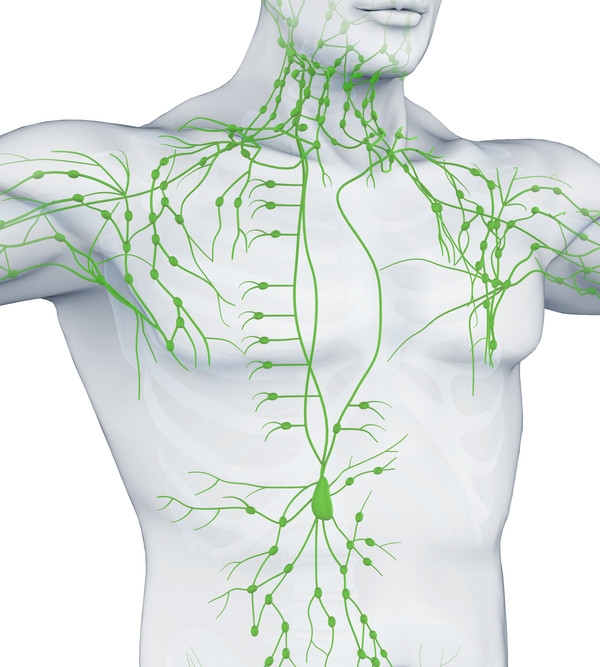
국립암연구소가 자금을 후원하는 연구원들은 림프종을 어떻게 치료하는지에 대한 우리의 이해를 증진시키기 위해 노력하고 있다. 모든 림프종은 신체의 면역체계의 일부인 림프계의 세포에서 시작된다. 림프종은 비 호지킨 림프종과 호지킨 림프종의 두 가지 주요 유형으로 분류된다. 그러나 50가지 이상의 아(류)형의 림프종이 존재한다. 림프종을 유발할 수 있는 유전자의 변이를 이해하는 데 이룩한 발전은 과학자들이 이러한 아형에 대해 좀 더 맞춤화된 치료법을 설계하는 데 도움을 주고 있다.
이 페이지는 임파종에 관한 최근의 연구들 중 일부에 대해 강조하고 있는데, 이는 곧 최근의 연구에서 개선된 치료와 연구 결과로 이어질 수 있는 임상적 진보를 포함한다.
림프종 진단을 받은 대부분의 사람들은 비 호지킨 림프종의 아형을 가지고 있다. 비 호지킨 림프종은 공격적이거나 성장이 느릴 수 있다.
공격적인 비 호지킨 림프종은 빠르게 성장하고 퍼지며 대개 즉각적인 치료가 필요하다. 현대적인 치료 요법으로, 공격적인 비 호지킨 림프종의 사람들의 거의 70%가 치유(완치)된 것으로 간주될 것이다. 현 시점에서, 연구는 주로 초기 치료로 치료되지 않는 소수의 공격적인 림프종을 가진 사람들을 위한 더 나은 치료법을 찾는 데 주로 초점을 맞추고 있다.
성장이 느린 비 호지킨 림프종은 천천히 성장하며, 어떤 경우에는 몇 년 동안 증상을 일으키지 않을 수도 있다. 진행이 느린 림프종 환자는 증상이 악화될 때까지 치료를 미루는 경우가 많지만 생존에 부정적인 영향이 없다.
성장이 느린 비 호지킨 림프종은 대부분 치유(완치)되지는 않는다. 지난 20년 동안 이런 종류의 림프종 치료를 받는 사람들의 생존을 연장하는 데 있어 개선이 있었다. 하지만 연구원들은 장기 생존을 더 향상시키는 방법을 연구하고 있으며 잠재적으로 치유 지향적인 치료법을 연구하고 있다.
비 호지킨 림프종에 대한 치료의 주류는 화학요법과 방사선요법, 표적치료 리툭시맙(상표명 : 리투산)이었다. 줄기세포 이식은 재발한 림프종에 쓰이기도 하지만 시술은 독성이 있어 치명적일 수 있다. 두 가지 CAR T세포 치료법이 일부 재발 림프종을 치료하도록 승인되었다. 그러나 림프종이 재발한 대부분의 사람들은 여전히 암으로 사망할 것이다.
비 호지킨 림프종의 치료에 대한 대부분의 연구는 현재 표적치료와 면역치료에 초점을 맞추고 있다. 연구자들은 또한 신약 개발의 대상이 될 수 있는 다른 종류의 림프종에서 유전자 변이를 규명하기 위해 노력하고 있다.
예를 들어 2018년 NCI 연구진이 주도한 연구에서 비 호지킨 림프종의 가장 흔한 유형인 미만성 거대 B세포 림프종의 유전적 아형이 확인되었는데, 이는 이 병에 걸린 일부 환자들이 치료에 반응하고 다른 사람들은 그렇지 않은 이유를 설명하는데 도움이 될 수 있다. 추가 연구로 인해 이러한 종류의 림프종에 걸린 환자들을 위한 보다 맞춤형 치료가 이루어질 수 있다.
표적 치료법
신호 경로란 하나 이상의 세포 기능을 제어하는 일련의 화학 반응이다. 많은 종류의 비 호지킨 림프종은 B세포 수용체 신호 경로라고 불리는 신호 경로에 의해 구동된다. 이브루티닙(상표명 : 임브루비카)이라는 약이 개발되어 그 경로를 차단했다. 이것은 그 동안 여러 가지 방법으로 사용되어 왔다.
•최근 몇 년 동안 이 약물은 소 림프구 림프종과 월덴스트롬 마크로글로불린혈증 치료용으로 승인되었으며, 둘 다 비 호지킨 림프종이다. 또한 외투세포 림프종(공격적이거나 나태할 수 있음)과 한계영역 림프종에 대한 승인도 받았다.
•국립암연구소는 특정 유형의 B세포 림프종을 새로 진단받은 사람들의 화학요법과 리툭시맙에 이브루티닙의 추가를 실험하는 무작위 임상시험에 참여했다. 60세 이상의 사람들은 이브루티닙이 첨가되면서 더 나쁜 결과를 얻었다. 그러나 이브루티닙을 투여 받은 60세 미만의 환자들은 생존력이 실질적으로 향상되었다. 젊은 환자들에게 이브루티닙의 효과를 확인하기 위해서는 더 많은 연구가 필요하다.
•또 국립암연구소가 후원한 다른 초기 단계 연구에서는 매우 공격적인 비 호지킨 림프종인 1차 중추신경계 림프종을 가진 사람들을 대상으로 이브루티닙과 화학요법을 시험했다. 이 소규모 연구에 참여한 환자의 절반 이상이 완전하고 장기적인 관해에 들어갔다. 더 큰 연구가 현재 NIH 임상 센터에서 진행 중이다.
※ 소 림프구 림프종small lymphocytic lymphoma : 너무 많은 미성숙 림프구(백혈구)가 주로 림프절에서 발견되는 성장이 느린 형태의 림프종. 이것은 림프절이 정상보다 더 커지게 한다. 때로는 혈액과 골수에서 암세포가 발견되기도 하는데, 이 병을 만성 림프구 백혈병이라고 한다. 그 병은 50세 이상의 사람들에게서 가장 흔히 나타난다. 소 림프구 림프종은 비 호지킨 림프종의 일종이다. SLL 및 잘 분화된 림프구 림프종이라고도 한다.
※ 한계영역 림프종marginal zone lymphoma : B세포 비 호지킨 림프종의 나태성(느리게 성장하는) 타입으로 림프조직의 특정 영역(한계영역)에서 형성되기 시작한다. 비장, 림프절, 또는 B세포(백혈구의 일종)가 많이 들어 있는 다른 림프조직에서 형성되는지를 기준으로 3가지가 있다. 한계영역 B세포 림프종, MZL이라고도 한다.
※ 외투세포 림프종mantle cell lymphoma : B세포 비 호지킨 림프종의 공격성 형이며, 주로 중년이나 노년층에서 발생한다. 그것은 림프절, 비장, 골수, 혈액 및 위장관계에 있을 수 있는 중소형 암세포로 표시된다.
※ 관해remission : 암의 증상 및 징후가 감소하거나, 사라진 상태. 부분 완화/관해(partial remission)는 암의 징후와 증상이 전부는 아니지만 일부 좋아지거나 사라진 경우를 말하며, 완전 완화/관해(complete remission)는 모든 암세포에 의한 징후 및 증상이 사라진 경우를 말한다.
FDA는 B세포 수용체 신호 경로를 표적 삼는 다른 두 가지 약품도 승인했다. 아칼라브루티닙(상표명 : 칼퀜스)은 재발한 외투세포 림프종과 소 림프구 림프종에 대한 승인을 받은 약물이다. 2019년에는 자누브루티닙(상표명 : 브루킨사)이 재발한 외투세포 림프종에도 승인받았다.
다른 많은 표적 치료법이 비 호지킨 림프종에서 시험되고 있다. 특정 아형에 대해 승인된 일부는 다음과 같다.
•미만성 거대 B세포 림프종 치료를 위한 폴라투주맙 베도틴(상표명 : 포리비). 임상시험에서는 이 약물과 관련 약물을 다른 종류의 비 호지킨 림프종에 대해 시험하고 있다.
•재발 여포성 림프종의 경우 코판리십(상표명 : 알리코파)이 승인을 받았다. 국립암연구소의 한 연구에서는 이전에 치료를 받지 않았던 여포성 림프종에 대해 코판리십을 테스트하고 있다.
•만성 림프구 백혈병 및 소 림프구 림프종에 대해 베네토클락스(상표명 : 벤클렉스타)를 테스트 중이다.
※여포성 림프종follicular lymphoma : B세포 비 호지킨 림프종(면역계의 암)의 일종으로 보통 느리게 성장한다. 종양 세포는 집단으로 성장하여 결절을 형성한다. 엽 림프종에는 여러 가지 아형이 있다
그러나 림프종에서는 단일 약제에 대한 내성이 빠르게 발생할 수 있다. 연구원들은 이제 이러한 내성을 극복하기 위해 비 호지킨 림프종을 치료하기 위한 표적 치료법의 조합을 시험하고 있다. 예를 들어, 국립암연구소 연구원들이 주도하는 진행 중인 실험에서 암이 재발했거나 치료에 내성이 있는 공격적이거나 나태한 B세포 림프종을 가진 사람들 대상으로 5종 약물 조합을 시험하고 있다.
연구자들은 또한 표준 요법을 노인 환자들에게 독성이 덜 하도록 만들기 위해 노력하고 있다. 한 연구에서 NCI 연구원들은 비 호지킨 림프종의 공격적인 유형인 버킷림프종을 앓고 있는 노인들에게 치유의 가능성을 손상시키지 않고도 표준 화학요법의 강도를 낮출 수 있다는 것을 발견했다.
면역요법
CAR T세포. CAR T세포는 면역세포의 일종인 환자의 T세포가 실험실에서 변화해 암세포를 공격하는 치료의 일종이다. 2017년 FDA는 최소 두 번의 치료를 받은 후 암이 진행된 거대 B세포 림프종 환자에게 첫 번째 CAR T세포 치료제인 '액시캡타젠 실로루셀(상표명 : 예스카르타)'을 승인했다. 2018년 CAR T세포 치료 티사겐레클루셀(상표명 : 킴리아)은 비 호지킨 림프종 3유형 중 1유형의 성인을 대상으로 승인을 받았다.
CAR T세포는 줄기세포 이식보다 독성이 적은 것으로 보인다. 현재까지 림프종을 앓고 있는 성인의 3분의 1가량이 장기 관해에 들었다. 한 대규모 무작위 임상시험에서 현재 CAR T-세포 치료법을 자가 줄기세포 이식과 비교하고 있다. 한 2상 실험에서는 재발 위험이 매우 높은 사람들에게 초기 치료법으로 CAR T세포를 시험하는 것이다. CAR T 세포는 다른 공격적이고 나태한 림프종 아형에서도 시험되고 있다.
면역 체크포인트(관문) 억제제. 면역 체크포인트 억제제라고 불리는 또 다른 종류의 면역요법은 인체의 T세포가 암세포를 공격하도록 장려하는 작용을 한다. 이러한 약들은 비 호지킨 림프종을 치료하는데 대체로 효과가 없었다. 그러나 국립암연구소 주도의 1상 실험은 대식세포라고 불리는 다른 종류의 면역세포와 상호작용하는 새로운 면역 체크포인트 억제제를 실험했다. 그 실험에서, 공격적인 유형의 림프종을 가진 사람들의 약 40 퍼센트와 나태한 림프종을 가진 사람들의 70%가 그들의 질병이 완화되었다. 두 그룹 모두, 반응이 장기저인 것으로 나타났다. 신약에 대한 2상 임상시험이 현재 진행 중이다.
면역억제제. 면역억제제는 면역체계를 자극하거나 억제하는 약물이다. FDA는 2019년 이전에 치료한 여포성 림프종과 한계영역 림프종을 대상으로 표적치료 리툭시맙과 결합한 레날리도미드(상표명 : 레블리미드) 같은 약제 1종을 승인했다.
신 면역요법. 연구원들은 또한 림프종을 퇴치하기 위해 면역체계를 자극하는 새로운 방법들을 실험하고 있다. 2018년 소규모 실험에서 방사선 치료와 면역체계를 자극하는 화합물 주사를 병행하면 일부 나태한 B세포 림프종을 위축시킬 수 있다는 결과가 나왔다. 2019년에는 백신을 이용해 비 호지킨 림프종 환자의 면역세포를 종양으로 끌어들이는 실험도 유망한 결과를 보였다. 이 전략을 면역 체크포인트 억제제와 결합하여 시험하는 2상 실험이 현재 진행 중이다.
호지킨 림프종 치료
호지킨 림프종은 비 호지킨 림프종보다 훨씬 덜 흔하다. 대부분 젊은 성인(20~39세)과 말기 성인(65세 이상)에 나타난다. 호지킨 림프종을 새로 진단받은 전체 성인의 75% 이상이 표준 화학요법이나 방사선 치료, 또는 둘 다로 완치될 수 있다. 지난 50년 동안 성인들 사이에서는 호지킨 림프종으로 인한 사망자가 다른 어떤 종류의 암으로 인한 사망보다 더 빠르게 감소했다.
현재 연구는 장기적 부작용을 줄이고 생존자들의 삶의 질을 향상시키기 위해 표준 치료법을 조정하는 데 초점을 맞추고 있다. 과학자들은 또한 암이 재발하는 소수의 환자들을 치료하는 더 나은 방법을 시험하고 있다.
표적요법
CD30이라고 불리는 단백질은 호지킨 림프종 세포의 표면에서 흔히 발견된다. 이 단백질을 대상으로 하는 브렌턱시맙 베도틴(상표명 : 에드세트리스)이라는 약물이 호지킨 림프종이 진행된 사람들에게 초기 치료의 일환으로 승인되었다. 이 신약의 사용은 나이든 환자들이 특히 독성이 강한 화학요법 약물인 표준 치료법을 피하는 도움을 줄 수 있다. 현재 임상시험은 다른 화학요법 및 면역요법이 결합된 브렌턱시맙 베도틴을 시험하고 있다.
면역요법
T세포를 자극하는 면역 체크포인트 억제제는 호지킨 림프종이 재발한 일부 사람들에게 효과가 있었다. 이러한 두 가지 약물인 니볼루맙(상표명 : 옵디보)과 펨브롤리주맙(상표명 : 키트루다)은 이전 치료 후 재발한 호지킨 림프종 환자들에게 승인되었다. 연구자들은 현재 이 약들을 다른 치료법과 결합하여 실험하고 있으며, 초기에는 재발할 가능성이 있는 암에 걸린 일부 사람들을 위한 치료법에서 실험하고 있다.
국립암연구소 지원 연구 프로그램
연구 우수성의 림프종 전문 프로그램(Lymphoma SpOREs)은 기초적인 과학적 발견을 임상 환경으로 신속하게 이동하도록 설계되었다. 림프종 연구 우수성의 림프종 전문 프로그램은 새로운 면역요법, 새로운 표적치료법, 개별 환자의 예후를 결정하는 새로운 방법의 개발을 지원한다.
국제림프종 역학 컨소시엄(InterLymph)의 목표는 림프종을 연구하는 역학자들 간의 협업을 강화하고, 연구 아이디어의 교환을 위한 포럼을 제공하며, 복수의 연구에서 데이터를 취합하는 분석에 대한 협업을 위한 프레임워크를 만드는 것이다.
림프종 결과 역학 연구(LEO) 코호트 연구는 비 호지킨 림프종(NHL) 환자와 생존자의 현재 및 장기 건강 요구를 다루기 위해 설립되었다. 목표는 비 호지킨 림프종의 예후와 생존에 큰 영향을 미치는 새로운 임상, 역학, 숙주, 유전, 종양 및 치료 요인을 식별하는 것을 목적으로 하는 광범위한 연구 과제를 지원하는 것이다.
암 게놈 특성화 이니셔티브(CGCI)는 성인 암과 소아암의 공통 유전자 변화를 규명하기 위한 연구를 지원하고 있다. 그 결과는 새로운 표적 의약품 개발에 박차를 가하기 위해 더 넓은 암 연구 커뮤니티에 자유롭게 제공되고 있다. 이 프로젝트는 비 호지킨 림프종에서 작업을 마쳤으며, 데이터는 온라인에서 이용할 수 있다. CGCI 연구원들은 현재 HIV+종양 분자 특성화 프로젝트의 일환으로 버킷림프종과 미만성 거대 B세포 림프종에서 특별히 유전자 변화를 연구하고 있다.
암 연구 센터 내에서 림프 악성 종양 분과는 면역 체계의 이상을 확인하고 림프 악성 종양의 기반이 되는 분자 질환을 살펴보는 데 초점을 맞추고 있다.
임상시험 시퀀싱 프로젝트(CTSP)는 국립암연구소가 후원하는 임상시험에서 유전체학의 사용을 촉진한다. CTSP의 목표는 연구된 치료법에 대한 반응과 저항의 분자적 기초를 명확히 하는 것이다. 확산성 큰 B세포 림프종은 유방암, 신세포 암과 함께 연구 중인 암 유형 중 하나이다.
2020년 6월 16일 : 국립암연구소 제공
Advances in Lymphoma Research
Posted: June 16, 2020
NCI-funded researchers are working to advance our understanding of how to treat lymphoma. All lymphomas start in the cells of the lymph system, which is part of the body’s immune system. Lymphomas are grouped into two main types: non-Hodgkin lymphoma and Hodgkin lymphoma. But more than 50 different subtypes of the disease exist. Advances in understanding the gene changes that can lead to lymphoma are now helping scientists design more personalized treatments for these subtypes.
This page highlights some of the latest research in lymphoma, including clinical advances that may soon translate into improved care and research findings from recent studies.
On This Page
• Treatment of Non-Hodgkin Lymphoma
• Hodgkin Lymphoma Treatment
• NCI-Supported Research Programs
• Lymphoma Research Results
Treatment of Non-Hodgkin Lymphoma
Most people diagnosed with lymphoma have a subtype of non-Hodgkin lymphoma. Non-Hodgkin lymphoma can either be aggressive or indolent.
Aggressive non-Hodgkin lymphoma grows and spreads quickly and usually requires immediate treatment. With modern treatment regimens, almost 70% of people with aggressive non-Hodgkin lymphoma will be considered cured. Research is now largely focused on finding better treatments for the minority of people with aggressive lymphoma who are not cured with initial therapy.
Indolent non-Hodgkin lymphomas grow slowly, and in some cases may not cause symptoms for years. People with indolent disease can often postpone treatment until their symptoms worsen, with no negative effects on survival.
Indolent non-Hodgkin lymphomas largely cannot be cured. The past two decades have seen improvements in extending the survival of people who are treated for this type of lymphoma. However, researchers are studying how to improve long-term survival further and working toward potentially curative treatments.
The mainstays of treatment for non-Hodgkin lymphoma have been chemotherapy, radiation therapy, and the targeted therapy rituximab (Rituxan). A stem cell transplant is sometimes used for lymphoma that has recurred, but the procedure is toxic, and can be fatal. Two CAR T-cell therapies have been approved to treat some types of recurrent lymphoma. However, most people with recurrent lymphoma will still die of their cancer.
Most research on treatment for non-Hodgkin lymphoma is now focused on targeted therapy and immunotherapy. Researchers are also trying to identify gene changes in different types of lymphoma that might be targets for new drug development.
For example, in 2018, a study led by NCI researchers identified genetic subtypes of diffuse large B-cell lymphoma (the most common type of non-Hodgkin lymphoma) that could help explain why some patients with the disease respond to treatment and others don’t. Further studies may lead to more tailored treatments for patients with this type of lymphoma.
Targeted Therapies
A signaling pathway is a series of chemical reactions that control one or more cell functions. Many types of non-Hodgkin lymphoma are driven by a signaling pathway called the B-cell receptor signaling pathway. A drug called ibrutinib (Imbruvica) has been developed to shut down that pathway. It has been used a number of ways:
•In the last several years, the drug has been approved for the treatment of small lymphocytic lymphoma and Waldenstrom macroglobulinemia, both indolent non-Hodgkin lymphomas. It has also received approval for mantle cell lymphoma (which can be aggressive or indolent) and marginal zone lymphoma (indolent).
•NCI took part in a randomized clinical trial that tested the addition of ibrutinib to chemotherapy and rituximab in people newly diagnosed with a certain type of B-cell lymphoma. People over the age of 60 had worse outcomes with the addition of ibrutinib. However, patients under the age of 60 who were given ibrutinib had substantially improved survival. More studies are needed to confirm the effect of ibrutinib in younger patients.
•Another early-phase NCI-sponsored study tested ibrutinib plus chemotherapy in people with primary central nervous system lymphoma, a very aggressive subtype of non-Hodgkin lymphoma. More than half of the patients in this small study went into complete, long-term remission. A larger study is now underway at the NIH Clinical Center.
FDA has also approved two other drugs targeting the B-cell receptor signaling pathway. Acalabrutinib (Calquence) is a drug that received approval for relapsed mantle cell lymphoma and small lymphocytic lymphoma. In 2019, zanubrutinib (Brukinsa) was also approved for relapsed mantle cell lymphoma.
Many other targeted therapies are being tested in non-Hodgkin lymphoma. Some that have been approved for specific subtypes include:
•Polatuzumab vedotin (Polivy), for the treatment of diffuse large B-cell lymphoma. Clinical trials are testing this drug and related drugs for other types of non-Hodgkin lymphoma.
•Copanlisib (Aliqopa), for recurrent follicular lymphoma. A study at NCI is testing copanlisib for previously untreated follicular lymphoma.
•Venetoclax (Venclexta), for chronic lymphocytic leukemia and small lymphocytic lymphoma.
However, in lymphoma, resistance to a single agent can occur quickly. Researchers are now testing combinations of targeted therapies to treat non-Hodgkin lymphoma to try to overcome this resistance. For example, an ongoing trial led by NCI researchers is testing a five-drug regimen in people with aggressive or indolent B-cell lymphomas whose cancer has relapsed or is resistant to treatment.
Researchers are also trying to make standard treatment regimens less toxic for older patients. In one study, NCI researchers found that the intensity of standard chemotherapy could be reduced in older adults with Burkitt lymphoma, an aggressive type of non-Hodgkin lymphoma, without compromising the potential for a cure.
Immunotherapy
CAR T Cells. CAR T cells are a type of treatment in which a patient's T cells, a type of immune cell, are changed in the laboratory so they will attack cancer cells. In 2017, FDA approved the first CAR T cell therapy—axicabtagene ciloleucel (Yescarta)—for people with large B-cell lymphomas whose cancer has progressed after receiving at least two prior treatment regimens. In 2018, the CAR T-cell therapy tisagenlecleucel (Kymriah) received approval for adults with one of three types of non-Hodgkin lymphoma.
CAR T cells appear to be less toxic than stem cell transplantation. To date, they have provided long-term remissions for about a third of adults with lymphoma who receive them. A large randomized trial is now comparing CAR T-cell therapy to autologous stem cell transplantation at first relapse. A phase 2 trial is testing CAR T cells as initial therapy in people at very high risk of relapse. CAR T cells are also being tested in other aggressive and indolent subtypes of lymphoma.
Immune Checkpoint Inhibitors. Another type of immunotherapy, called immune checkpoint inhibitors, works by encouraging the body’s T cells to attack cancer cells. These drugs have been largely ineffective in treating non-Hodgkin lymphoma. However, an NCI-led phase 1 trial tested a new immune checkpoint inhibitor that interacts with a different type of immune cell called a macrophage. In that trial, about 40% of people with an aggressive type of lymphoma and 70% of those with an indolent lymphoma had their disease go into remission. In both groups, the responses seen were long-lasting. A phase 2 trial of the new drug is now underway.
Immunomodulating Drugs. Immunomodulators are drugs that either stimulate or suppress the immune system. In 2019, FDA approved one such drug, lenalidomide (Revlimid) in combination with the targeted therapy rituximab for previously treated follicular lymphoma and marginal zone lymphoma.
Novel Immunotherapies. Researchers are also testing novel ways to stimulate the immune system to fight lymphoma. In 2018, a small trial showed that combining radiation therapy with the injection of a compound that stimulates the immune system could shrink some indolent B-cell lymphomas. In 2019, a trial that used a vaccine to draw immune cells into tumors in people with indolent non-Hodgkin lymphoma also showed promising results. A phase 2 trial testing this strategy in combination with an immune checkpoint inhibitor is currently underway.
Hodgkin Lymphoma Treatment
Hodgkin lymphoma is much less common than non-Hodgkin lymphoma. It is mostly seen in early adulthood (age 20–39 years) and in late adulthood (age 65 years and older). More than 75% of all adults newly diagnosed with Hodgkin lymphoma can be cured with standard chemotherapy, radiation therapy, or both. Over the last 5 decades, among adults, deaths from Hodgkin lymphoma have fallen more rapidly than deaths from any other cancer type.
Research is now focusing on adjusting standard treatment regimens to reduce the long-term side effects and improve quality of life for survivors. Scientists are also testing better ways to treat the minority of patients whose cancer does recur.
Targeted Therapies
A protein called CD30 is commonly found on the surface of Hodgkin lymphoma cells. A drug called brentuximab vedotin (Adcetris) that targets this protein has been approved as part of initial treatment for people with advanced Hodgkin lymphoma. Use of this new drug may help older patients avoid what had been the standard treatment with an especially toxic chemotherapy drug. Clinical trials are now testing brentuximab vedotin combined with other chemotherapies and immunotherapies.
Immunotherapy
Immune checkpoint inhibitors that stimulate T cells have been effective in some people with recurrent Hodgkin lymphoma. Two such drugs—nivolumab (Opdivo) and pembrolizumab (Keytruda)—have been approved for some patients with Hodgkin lymphoma that has recurred after previous treatments. Researchers are now testing these drugs in combination with other therapies, and earlier in treatment for some people with cancer that is likely to recur.
NCI-Supported Research Programs
See a full list of Hodgkin Lymphoma and Non-Hodgkin Lymphoma research projects that NCI funded in FY 2017.
The Lymphoma Specialized Programs of Research Excellence (Lymphoma SPOREs) are designed to quickly move basic scientific findings into clinical settings. The Lymphoma SPOREs support the development of new immunotherapies, novel targeted therapies, and new methods for determining prognosis for individual patients.
The goal of the International Lymphoma Epidemiology Consortium (InterLymph) is to enhance collaboration among epidemiologists studying lymphoma, provide a forum for the exchange of research ideas, and create a framework for collaborating on analyses that compile data from multiple studies.
The Lymphoma Epidemiology of Outcomes (LEO) Cohort Study was established to address the current and long-term health needs of non-Hodgkin lymphoma (NHL) patients and survivors. The goal is to support a broad research agenda aimed at identifying novel clinical, epidemiologic, host, genetic, tumor, and treatment factors that significantly influence NHL prognosis and survivorship.
The Cancer Genome Characterization Initiative (CGCI) is supporting research to identify common gene changes in adult and pediatric cancers. Its results are being made freely available to the wider cancer research community, to spur the development of new targeted drugs. The project has finished its work in non-Hodgkin lymphoma, and the data is available online. CGCI researchers are currently studying gene changes specifically in Burkitt lymphoma and diffuse large B-cell lymphoma as part of the HIV+ Tumor Molecular Characterization Project.
Within the Center for Cancer Research, the Lymphoid Malignancies Branch focuses on identifying abnormalities in the immune system and looking at molecular disorders that underlie lymphoid malignancies.
The Clinical Trial Sequencing Project (CTSP) promotes the use of genomics in NCI-sponsored clinical trials. CTSP’s goal is to clarify the molecular basis of response and resistance to therapies studied. Diffuse large B-cell lymphoma is one of the cancer types under study, along with breast and renal cell carcinoma.
이 글은 2020년 6월 작성 시점의 정보입니다. 치료 기준·급여 정보는 바뀌었을 수 있으니, 진료와 치료 결정은 반드시 담당 의료진과 상의하세요.