양성자 치료는 방사선 치료보다 안전한가?
2020.06.22 · 전영조 전문위원
양성자 치료는 전통적인 방사선 치료보다 안전한가?
양성자 빔 방사선 치료라고 불리는 방사선 치료의 한 종류는 암이 진행된 성인에게 전통적인 방사선 치료만큼 안전하고 효과적일 수 있다. 이 연구 결과는 두 가지 유형의 방사선을 비교하기 위해 기존 환자 데이터를 사용한 연구에서 나왔다.
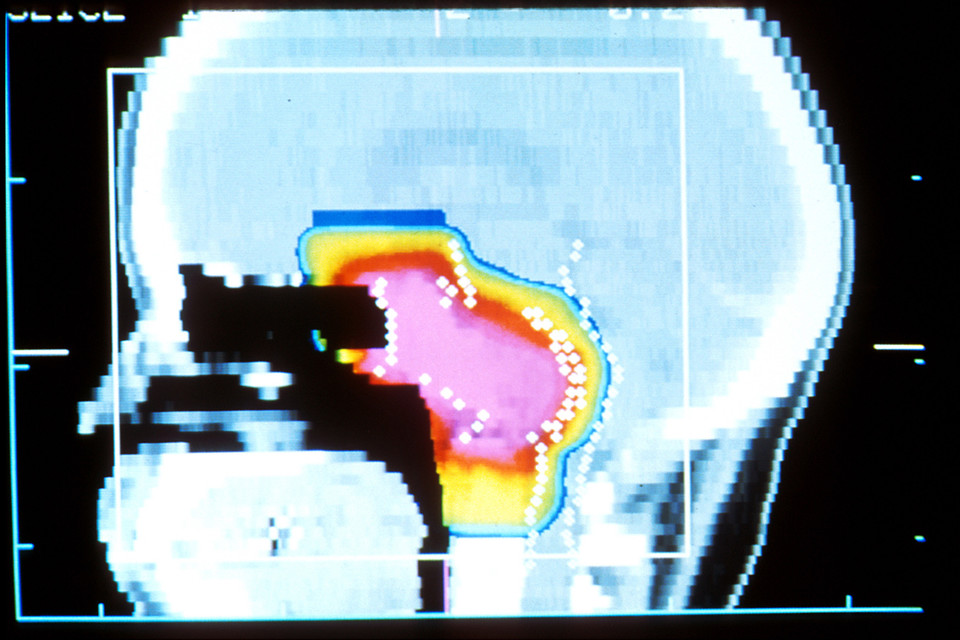
전통적인 방사선은 종양과 그 너머로 엑스레이, 즉 광자의 빔을 전달한다. 이것은 근처의 건강한 조직을 손상시킬 수 있고 상당한 부작용을 일으킬 수 있다.
이와는 대조적으로 양성자 요법은 종양에서 멈추는 양성자 입자 빔을 전달하기 때문에 주변의 건강한 조직에 손상을 줄 가능성이 적다. 일부 전문가들은 양성자 요법이 기존 방사선보다 안전하다고 생각하지만 두 치료법을 비교하는 연구는 거의 없다.
새로운 연구에 의하면 양성자 치료를 받은 환자들은 전통적인 방사선 치료를 받은 환자에 비해 심각한 부작용을 겪을 가능성이 훨씬 적었다. 그러나 환자들의 생존 기간에는 아무런 차이가 없었다. 그 결과는 12월 26일 미국의사협회 기관지 ‘종양학’에 발표되었다.
양성자와 기존 방사선 치료를 비교하는 국립암연구소가 지원하는 여러 무작위 임상시험이 현재 진행 중이다. (아래 박스 기사 참조)
양성자 치료의 안전성과 효과
국소적으로 진행된 암에 걸린 많은 사람들은 화학요법과 전통 방사선 또는 양성자 방사선의 조합으로 치료를 받는다. 바우만 박사(워싱턴대 의대)는 "화학요법과 방사선 치료를 동시에 받는 환자에게는 치료 효과를 떨어뜨리지 않으면서 부작용을 제한하는 방법을 찾는 것이 최우선 과제"라고 말했다.
그와 그의 동료들은 11개의 다른 종류의 암에 걸린 1,500명의 성인들의 데이터를 분석했다. 모든 참가자들은 2011년과 2016년 사이에 펜실베이니아 대학교 보건 시스템에서 동시 화학요법과 방사선 치료를 받았고 생존을 포함한 부작용과 암 결과를 추적했다. 거의 400명이 양성자 치료를 받았고 나머지는 전통적인 방사선을 받았다.
양성자 치료를 받은 사람들은 방사선 치료를 받은 사람들보다 심각한 부작용이 훨씬 덜 했다는 연구 결과가 나왔다. 치료를 시작한 지 90일 만에 양성자 치료군 45명(12%), 방사선군 301명(28%)이 입원을 권장할 만큼 심각한 부작용을 경험했다.
게다가 양성자 치료는 전통적인 방사선만큼이나 집안일과 같은 일상적인 활동을 하는 사람들의 능력에 영향을 주지 않았다.
그리고 양성자 치료는 암을 치료하고 생명을 보존하는 방사선 치료만큼 효과가 있는 것으로 보였다. 3년 후 양성자 치료군 환자는 46%, 방사선 치료군 환자는 49%가 암이 없는 것으로 나타났다. 양성자 치료를 받은 사람의 56%, 방사선 치료를 받은 사람의 58%가 3년이 지난 지금도 살아 있는 것으로 나타났다.
연구 설계의 한계
연구자들과 다른 전문가들은 이 연구의 설계에 대한 몇 가지 한계에 주목했다. 이 관찰 연구로는 양성자 치료와 부작용 감소 사이의 인과 관계를 확인할 수 없다. 또한 연구 참여자 전원이 단일 기관에서 치료를 받았기 때문에 결과를 더 큰 규모의 집단에 의한 일반화가 어려울 수 있다.
벅스바움 박사는 "이러한 것들은 과소평가되어서는 안 되는 매우 중요한 한계"라고 강조했다. 바우만 박사는 단발성 연구에는 내재적 한계가 있지만, 본 연구의 모든 환자는 양성자 치료든 전통적인 방사선 치료든 상관없이 대규모 학술 의료 센터에서 고품질의 치료를 받았으며 이는 "우리가 본 양성자 치료의 효험이 의미 있다는 것을 시사한다"고 지적했다.
또한 환자를 무작위로 치료 그룹에 배정하지 않았기 때문에 양성자 치료와 기존 방사선 치료를 받은 환자 간에 차이가 있었고 그것이 결과를 왜곡시켰을 수도 있다. 예를 들어 양성자 치료를 받은 환자들은 평균적으로 나이가 더 많고 건강 상의 문제도 더 많았다.
양성자 치료 그룹은 또한 "배경으로 볼 때 지위가 있는 계층"의 환자도 더 많이 포함시켰을 수 있다고 박 박사와 유 박사는 주목했다. 사회경제적 지위와 사회적 지원은 치료 결과에 영향을 미칠 수 있다고 그들은 썼다.
또 방사선 관련 부작용을 겪을 가능성이 높은 두경부암 환자들은 양성자 치료 군에 덜 포함되었다고 저자들은 덧붙였다. 그들의 분석에서 조사자들은 이러한 차이를 가능한 한 많이 설명하기 위해 복잡한 통계 기법을 사용했다.
양성자 치료의 미래연구에 관한 아이디어
비록 양성자 치료에 대한 대규모 연구에는 장벽이 있지만 북스바움 박사는 전형적으로 더 많은 부작용을 경험하는 노약자와 더 아픈 환자 그룹에서 양성자 치료가 더 안전해 보인다는 것은 '특히 고무적인' 일이라고 설명했다.
또한 양성자 치료는 부작용을 적게 일으킬 수 있기 때문에 향후 실험에서는 양성자 치료와 화학요법을 결합하는 것이 환자에게 어떤 긍정적인 효과를 거둘 것인지에 대해서도 연구할 수 있을 것이라고 했다.
예를 들어 화학요법과 폐암에 대한 방사선 모두 식도를 자극해 환자들이 먹기가 힘들고 고통스러울 수 있다. 그러나 양성자 치료는 식도의 손상을 줄여서 환자가 그 결합을 더 쉽게 견딜 수 있게 할 수 있다고 바우만 박사는 설명했다.
미래의 연구들은 또한 양성자 요법과 더 많은 양의 화학요법을 결합하는 것이 더 많은 부작용을 일으키지 않고 완치를 늘릴 수 있는지 여부를 탐구할 수 있을 것이라고 그는 덧붙였다.
바우만 박사와 그의 동료들은 현재 부작용을 치료하는 비용과 삶의 질을 보존하는 가치와 같은 측면을 고려하여 양성자 치료의 비용 효과에 대해 연구하고 있다.
NCI 지원 양성자 치료의 임상시험
NCI는 양성자 치료와 기존 방사선을 비교하는 여러 무작위 임상실험에 자금을 지원하고 있다. 여기에는 다음이 포함된다.
▲ 퍼지지 않은 유방암에 걸린 여성의 경우, 양성자 요법이 기존 방사선보다 심장질환이나 심장마비 등 심장에 더 적은 부작용을 일으키는지 알아보기 위한 연구
▲ 새로 진단을 받은 교모세포종 환자에게 양성자 치료 + 테모졸로미드(상표명 ; 테모다르)가 테모졸로미드 + 다른 종류의 방사선으로 치료받은 사람보다 더 오래 살 수 있도록 돕는지를 살펴보는 연구
▲ 수술로 제거할 수 없는 폐암 환자에 대한 항암치료와 양성자 치료 또는 기존 방사선 치료의 비교 연구
▲ 전립선암 남성의 장 부작용에 대한 양성자 치료와 전통방사선 치료법(IMRT)의 효과를 비교한 연구
▲ 간암 환자의 경우 기존 방사선 치료법보다 양성자 치료법이 더 효과적인지 알아보기 위한 연구
▲ 교모종 환자의 뇌기능 보전에 있어 양성자 치료가 IMRT보다 나은지 알아보기 위한 연구
2020년 2월 11일 : 미국립암연구소 제공
Is Proton Therapy Safer than Traditional Radiation?
February 11, 2020, by NCI Staff
Scans of the chest after traditional radiation therapy and after proton therapy, which show how much surrounding tissue is affected by each type of therapy.
Traditional radiation therapy (top and bottom left) delivers radiation to the tumor and to healthy tissues around the tumor. With proton therapy (top and bottom right), the majority of the radiation is delivered to the tumor.
Credit: Trials. November 2016. doi: 10.1186/s13063-016-1679-4. CC BY 4.0.
A type of radiation treatment called proton beam radiation therapy may be safer and just as effective as traditional radiation therapy for adults with advanced cancer. That finding comes from a study that used existing patient data to compare the two types of radiation.
Traditional radiation delivers x-rays, or beams of photons, to the tumor and beyond it. This can damage nearby healthy tissues and can cause significant side effects.
By contrast, proton therapy delivers a beam of proton particles that stops at the tumor, so it’s less likely to damage nearby healthy tissues. Some experts believe that proton therapy is safer than traditional radiation, but there is limited research comparing the two treatments.
Plus, proton therapy is more expensive than traditional radiation, and not all insurance companies cover the cost of the treatment, given the limited evidence of its benefits. Nevertheless, 31 hospitals across the country have spent millions of dollars building proton therapy centers, and many advertise the potential, but unproven, advantages of the treatment.
In the new study, patients treated with proton therapy were much less likely to experience severe side effects than patients treated with traditional radiation therapy. There was no difference in how long the patients lived, however. The results were published December 26 in JAMA Oncology.
“These results support the whole rationale for proton therapy,” said the study’s lead investigator, Brian Baumann, M.D., of the Washington University School of Medicine in St. Louis and the University of Pennsylvania.
But key aspects of the study limit how broadly the findings can be interpreted, said Jeffrey Buchsbaum, M.D., Ph.D., of NCI’s Radiation Research Program, who was not involved in the study.
Because of those limitations, “the evidence needed to truly justify the expenses of proton therapy … will need to come from phase 3 randomized clinical trials,” wrote Henry Park, M.D., and James Yu, M.D., of Yale School of Medicine, in an accompanying editorial.
Several NCI-funded randomized clinical trials comparing proton and traditional radiation therapy are currently ongoing. (See the box below.)
Safety and Efficacy of Proton Therapy
Many people with locally advanced cancers are treated with a combination of chemotherapy and either traditional or proton radiation. For patients getting chemotherapy and radiation at the same time, finding ways to limit side effects without making the treatment less effective is a high priority, Dr. Baumann said.
He and his colleagues analyzed data from nearly 1,500 adults with 11 different types of cancer. All participants had received simultaneous chemotherapy plus radiation at the University of Pennsylvania Health System between 2011 and 2016 and had been followed to track side effects and cancer outcomes, including survival. Almost 400 had received proton therapy and the rest received traditional radiation.
Those who received proton therapy experienced far fewer serious side effects than those who received traditional radiation, the researchers found. Within 90 days of starting treatment, 45 patients (12%) in the proton therapy group and 301 patients (28%) in the traditional radiation group experienced a severe side effect—that is, an effect severe enough to warrant hospitalization.
In addition, proton therapy didn’t affect people’s abilities to perform routine activities like housework as much as traditional radiation. Over the course of treatment, performance status scores were half as likely to decline for patients treated with proton therapy as for those who received traditional radiation.
And proton therapy appeared to work as well as traditional radiation therapy to treat cancer and preserve life. After 3 years, 46% of patients in the proton therapy group and 49% of those in the traditional radiation therapy group were cancer free. Fifty-six percent of people who received proton therapy and 58% of those who received traditional radiation were still alive after 3 years.
Limitations of the Study’s Design
The study leaders and other experts noted several limitations to the study’s design.
For instance, this observational study can’t establish a cause-and-effect relationship between proton therapy and fewer side effects. In addition, all of the study participants were treated at a single institution, which can make it difficult to generalize the findings to a larger population.
“Those are very significant limitations that shouldn’t be understated,” Dr. Buchsbaum emphasized.
Although single-institution studies have inherent limitations, Dr. Baumann noted, all patients in this study received high-quality treatment at a large academic medical center, regardless of whether it was proton or traditional radiation therapy, “which suggests that the benefit of proton therapy that we saw is meaningful.”
Also, because patients were not randomly assigned to treatment groups, there were differences between patients who got proton and traditional radiation, and that may have skewed the results.
For instance, patients who received proton therapy were, on average, older (likely because Medicare typically covers the cost of proton therapy) and had more health issues.
The proton therapy group may also have included more patients from “privileged backgrounds,” Drs. Park and Yu noted. Socioeconomic status and social support can affect treatment outcomes, they wrote.
In addition, fewer people with head and neck cancer—who are more likely to suffer from radiation-associated side effects—were included in the proton therapy group, the editorialists added.
In their analysis, the investigators used complex statistical techniques to try to account for these differences as much as possible.
Ideas for Future Studies of Proton Therapy
Despite the study’s limitations, these “intriguing findings raise questions that should inform future prospective phase 3 trials,” Dr. Buchsbaum said, although there are barriers to large studies of proton therapy.
For instance, it “is particularly encouraging” that proton therapy appeared to be safer in a group of older and sicker patients who typically experience more side effects, Dr. Baumann noted.
Dr. Buchsbaum agreed that proton therapy may be especially helpful for older and sicker patients, but he noted that ongoing phase 3 trials were not designed to analyze this group of patients.
And because proton therapy may cause fewer side effects, future trials could also explore whether combining proton therapy with chemotherapy might be more tolerable for patients, the authors wrote.
For example, both chemotherapy and traditional radiation for lung cancer can irritate the esophagus, making it painful and difficult for patients to eat. But proton therapy might limit damage to the esophagus, making it easier for a patient to tolerate the combination, Dr. Baumann explained.
Future studies could also explore whether combining proton therapy with higher doses of chemotherapy might increase cures without causing more side effects, he added.
The study findings also raise “the tantalizing possibility that the higher up-front cost of proton therapy may be offset by cost savings from reduced hospitalizations and enhanced productivity from patients and caregivers,” the study researchers wrote.
Dr. Buchsbaum agreed, saying that it would be worthwhile to explore this possibility. “Just asking the question: ‘Is [proton therapy] more effective?’ might not be giving it a fair opportunity to demonstrate its benefit to society,” he said.
Dr. Baumann and his colleagues are currently studying the cost effectiveness of proton therapy, considering aspects like the costs of treating side effects and the value of preserved quality of life.
NCI-Funded Clinical Trials of Proton Therapy
NCI is funding several randomized clinical trials that are comparing proton therapy with traditional radiation. They include:
•For women with breast cancer that hasn’t spread, a study to see if proton therapy causes fewer side effects on the heart—like heart disease or heart attacks—than traditional radiation
•A study looking at whether proton therapy plus the drug temozolomide (Temodar) helps people with newly diagnosed glioblastoma live longer than people treated with temozolomide plus other types of radiation
•For people with lung cancer that can’t be removed by surgery, a study comparing chemotherapy plus proton therapy or traditional radiation therapy
•A study comparing the effects of proton therapy and a type of traditional radiation called intensity-modulated radiation therapy (IMRT) on bowel side effects in men with prostate cancer
•For people with liver cancer, a study to see if proton therapy is more effective than traditional radiation therapy
•A study to see if proton therapy is better than IMRT at preserving brain function in people with glioma
이 글은 2020년 6월 작성 시점의 정보입니다. 치료 기준·급여 정보는 바뀌었을 수 있으니, 진료와 치료 결정은 반드시 담당 의료진과 상의하세요.