국립보건원 과학자들은 간암 검진을 개선하기 위해 혈액 검사법을 개발하다
2020.06.16 · 전영조 전문위원
국립보건원 과학자들은 간암 검진을 개선하기 위해 혈액 검사법을 개발하다
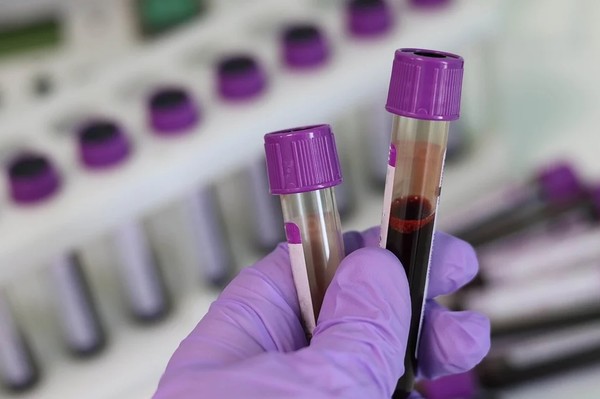
과학자들은 간암의 가장 흔한 형태인 간세포 암(HCC)에 걸릴 가능성이 있는 사람들을 식별하는 데 도움을 줄 수 있는 새로운 실험을 개발했다. 이 접근법은 환자가 특정 바이러스에 이전에 노출된 것을 확인하기 위해 간단한 혈액 검사를 사용한다.
새로운 접근방식에 대한 연구는 국립보건원의 소속의 국립암연구소(NCI)의 연구자들이 주도하였다. 이 연구는 또한 국립 당뇨병, 소화기 및 신장 질환 연구소와 몇몇 학술 센터의 연구원들도 참여하였다. 그 연구결과는 6월 10일 “Cell” 지에 발표되었다.
"기존의 검진 검사들과 함께, 새로운 검사는 간세포 암(HCC) 발병의 위험이 있는 사람들을 검진하는 데 중요한 역할을 할 수 있을 것이다. 그것은 의사들이 간세포 암을 조기에 발견하여 치료하는데 도움을 줄 수 있다. 이 방법은 비교적 간단하고 저렴하며 적은 양의 혈액 샘플만 있으면 된다." 라고 암 연구 간암 프로그램의 공동 책임자인 신웨이 왕 박사가 말했다.
B형 간염이나 C형 간염 바이러스에 감염되었거나 간경변 등 간세포 암에 걸릴 확률이 높아지는 인자도 있다. 위험인자가 있는 사람은 알파-페토프로테인 혈액검사와 상관없이 초음파로 6개월마다 간세포 암 검사를 받는 것이 좋다.
(※ 알파-페토프로테인, 알파태아단백질 : 전기영동상 α1대(帶)로 움직이는 분자량 70,000인 혈장단백. 태아의 간, 난황란 및 소화기관에서 생성되며 생후 1년 정도에 혈장치가 크게 감소한다. 그러나 대부분의 간암과 기형암종(畸刑癌腫 : teratocarcinoma), 고환, 난소 및 생식선외 장기에 발생하는 태생암(胎生癌 : embryonal cell carcinoma)이 있을 때 혈중치가 증가한다. 기타 간경변증 및 바이러스성 간염 등의 간질환에서 증가될 때도 있다. 이 단백함량 측정은 간암이나 배세포종양(胚細胞腫瘍)의 치료반응을 추정하는 데 이용되며, 양수의 단백함량 측정으로 태아의 신경관 결함의 진단에 사용하기도 한다. 약자로 AFP라고 한다.)
그러나 HCC에 대한 위험인자가 있다고 모든 사람이 이 병에 걸리지는 않는다. 검진이 조기 발견으로 이어질 수 있지만 대부분의 환자는 암이 진행돼 난치병인 경우가 많다. 그러나 조기에 발견된 간세포 암은 치료 가능성이 훨씬 높다.
국립암연구소의 Translational Liver Cancer Consortium(병진 간암 컨소시엄)에 소속된 왕 박사는 "간세포 암에 대한 위험이 가장 높고 검진을 더 자주 받아야 하는 사람들을 식별할 수 있는 더 나은 방법이 필요하다"고 말했다. 미국에서 간세포 암의 비율이 증가하고 있기 때문에 더 나은 조기 발견과 감시 접근법이 특히 중요하다.
간암프로그램 공동대표 겸 공동연구자인 팀 그레텐 박사는 "국립암연구소 암 연구센터의 간암프로그램의 주요 초점은 간세포 암 환자의 치료결과 개선을 목표로 조기 발견과 진단, 치료를 위한 새로운 방법을 개발하는 것"이라고 말했다.
많은 검진 검사들을 통해 암세포의 특징(신호)을 발견한다. 그러나 그러한 특징들은 시간이 지남에 따라 변할 수 있고, 종양의 모든 암세포가 동일한 특성을 갖는 것은 아니다. 국립암연구소 팀은 암세포 자체보다는 암 환경의 특징을 발견하는 다른 접근법을 택했다.
더 많은 연구가 암의 발병이 바이러스와 면역체계의 상호작용에 의해 영향을 받는다는 증거를 제공하고 있다. 연구팀은 바이러스와 면역체계 사이의 특정 상호작용이 간세포 암 발병의 위험을 높일 수 있다고 판단했다.
그 가능성을 탐구하기 위해 과학자들은 과거의 바이러스 감염에 의해 남겨진 "발자국"을 찾기 위해 사람들의 혈액을 스캔했다. 이러한 발자국은 면역체계가 만든 단백질인 항체에 남아 있기 때문에 면역체계가 감염에 어떻게 반응했는지를 반영하기도 한다. 사람마다 갖고 있는 발자국이 뒤섞여 독특한 패턴을 만들어내는데, 이를 연구자들은 바이러스 노출의 특징이라고 한다.
연구팀은 간세포 암 환자 150명을 포함해 900여 명의 혈액 샘플에서 1000여 종의 다양한 바이러스의 “발자국”을 확인했다. 이들은 간세포 암 환자와 만성 간질환자, 건강한 자원봉사자를 정확하게 구분할 수 있는 특정 바이러스 노출 특징을 확인했다. 이 특징은 61개의 다른 바이러스의 발자국을 담고 있었다.
연구원들은 그리고 나서 20년 연구의 한 부분인 만성 간질환자 173명의 혈액 샘플에 있는 이 특징을 검사했다. 그 기간 동안 참가자들 중 44명이 간세포 암이 발병하였다. 이 특징은 암 진단 당시 채취한 혈액 샘플을 이용해 간세포 암(곡선 아래의 면적 AUC=0.98)이 발병한 사람을 정확하게 식별했다. 중요한 것은 이 특징이 연구 초기에 채취한 혈액 샘플을 사용했을 때, 진단 전 최대 10년(AUC=0.91)까지 효과가 있었다는 점이다.
특징은 알파-페토프로테인 검사(AUC=0.91 대 0.62)보다 훨씬 정확한 것으로 보였다. AUC 0.5는 질병 식별에 있어 테스트가 우연한 기회보다 낫지 않음을 나타내는 반면, 1.0은 완벽한 정확도를 가진 테스트를 나타낸다.
과학자들은 계속해서 그들의 접근법을 연구하고 있으며 임상 실험에서 그것을 실험할 계획이다. 그들은 국립암연구소의 암 역학 및 유전학 부서의 캐서린 맥글린 박사와 협력하여 간세포 암에 대한 위험 인자를 가진 사람들에 대한 사전 감시 연구에서 접근 방식을 시험하고 있다.
암을 유발하지 않는 바이러스 감염은 다른 암의 발병에 영향을 미치는 방법으로 면역 체계를 바꿀 수 있다. 예를 들어, 특정 감염은 암세포를 억제하는 면역체계의 능력을 떨어뜨릴 수 있다. 국립암연구소 과학자들은 전립선암 연구에서 바이러스 감염의 특징을 시험하고 있다. 다른 과학자들은 아프리카에서 난소암과 식도암, 간암 및 유방암에 대한 검진 연구를 위한 접근법의 적용을 고려하고 있다.
게시물 : 2020년 6월 11일
NIH scientists develop blood test to help improve liver cancer screening
Posted: June 11, 2020
Scientists have developed a new test that can help identify people who are likely to develop hepatocellular carcinoma (HCC), the most common form of liver cancer. The approach uses a simple blood test to check for the patient’s previous exposure to certain viruses.
A study of the new approach was led by researchers at the National Cancer Institute (NCI), part of the National Institutes of Health. The study also involved researchers from the National Institute of Diabetes and Digestive and Kidney Diseases and several academic centers. The findings were published June 10 in Cell.
“Together with existing screening tests, the new test could play an important role in screening people who are at risk for developing HCC. It could help doctors find and treat HCC early. The method is relatively simple and inexpensive, and it only requires a small blood sample,” said the study’s leader, Xin Wei Wang, Ph.D., co-leader of the NCI Center for Cancer Research (CCR) Liver Cancer Program.
Certain factors increase a person’s chances of developing HCC, such as infection with hepatitis B or hepatitis C virus or cirrhosis of the liver. People who have risk factors are recommended to get screened for HCC every six months with an ultrasound with or without a blood test for alpha-fetoprotein.
But not everyone with risk factors for HCC will develop the disease. Although screening can lead to earlier detection, most patients are diagnosed when the cancer is advanced and often incurable. However, HCC that is caught early has a much better chance of being cured.
“We need a better way to identify people who have the highest risk for HCC and who should get screened more frequently,” said Dr. Wang said, who is also part of NCI’s Translational Liver Cancer Consortium. Better early detection and surveillance approaches are particularly important because rates of HCC are rising in the United States.
“A main focus of the NCI CCR Liver Cancer Program is to develop new methods for early detection, diagnosis, and treatment, with the goal of improving outcomes for patients with HCC,” said Tim Greten, M.D., co-leader of the Liver Cancer Program and a collaborator of the study.
Many screening tests detect features of cancer cells. But those features can change over time, and not all cancer cells in a tumor have the same characteristics. The NCI team took a different approach: detecting features of the cancer’s environment rather than cancer cells themselves.
More research is providing evidence that cancer development is influenced by interactions between viruses and the immune system. The team reasoned that certain interactions between viruses and the immune system may raise the risk of developing HCC.
To explore that possibility, the scientists scanned people’s blood for “footprints” left behind by past viral infections. Because these footprints are left in antibodies, proteins made by the immune system, they also reflect how the immune system reacted to the infection. The mixture of footprints each person has creates a unique pattern, which the researchers called a viral exposure signature.
The team checked for the footprints of more than 1,000 different viruses in blood samples from around 900 people, including 150 who had HCC. They identified a specific viral exposure signature that could accurately distinguish people with HCC from people with chronic liver disease and healthy volunteers. This signature contained footprints from 61 different viruses.
The researchers then tested the signature on blood samples from 173 people with chronic liver disease who were part of a 20-year study. During that time, 44 of the participants developed HCC. Using blood samples taken when the cancer was diagnosed, the signature correctly identified those who developed HCC (area under the curve, AUC=0.98). Importantly, the signature also worked when the researchers used blood samples taken at the beginning of the study, up to 10 years before diagnosis (AUC=0.91).
The signature appeared to be far more accurate than an alpha-fetoprotein test (AUC=0.91 vs. 0.62). An AUC of 0.5 indicates that a test is no better than chance in identifying disease, whereas an AUC of 1.0 represents a test with perfect accuracy.
The scientists are continuing to study their approach and plan to test it in clinical trials. They are collaborating with Katherine McGlynn, Ph.D., of NCI’s Division of Cancer Epidemiology and Genetics to test the approach in a prospective surveillance study of people with risk factors for HCC.
It’s possible that viral infections—even ones that don’t cause cancer—may change the immune system in ways that influence the development of other cancers. For example, certain infections may lessen the immune system’s ability to keep cancer cells in check. NCI scientists are testing the viral exposure signature in a study of prostate cancer, and others are considering applying the approach to a screening study for ovarian, esophageal, liver, and breast cancer in Africa.
이 글은 2020년 6월 작성 시점의 정보입니다. 치료 기준·급여 정보는 바뀌었을 수 있으니, 진료와 치료 결정은 반드시 담당 의료진과 상의하세요.