운동을 암 치료로 처방하는 것
2020.06.01 · 전영조 전문위원
운동을 암 치료로 처방하는 것
2019년 10월 16일, 미국 스포츠 의학 대학(ACSM)이 소집한 전문가 패널은 암 예방과 생존에 있어 신체 활동과 운동의 역할에 대한 최신 지침과 권고사항을 발표했습니다. 이 위원회는 펜실베이니아 주립 의과대학 공중보건과학부의 캐서린 슈미츠 박사와 국립암연구소의 암 역학 및 유전학 부서의 찰스 매튜스 박사가 공동 의장을 맡았습니다.
3개의 관련 출판물에 요약된 권고안은 신체 활동과 암에 대한 과학적 증거에 대한 위원회의 포괄적인 검토 결과이다. 이 대화에서, 미국스포츠의학대학(ACSM)의 바로 직전 회장인 슈미츠 박사는 신체 활동과 개선된 암 결과를 연결하는 연구 결과와 이 새로운 지침이 의료 제공자와 생존자들에게 무엇을 의미하는지 논의합니다.
암에 걸린 사람들과 장기 생존자들을 위한 운동의 역할에 대해 우리가 알고 있는 것의 상태를 어떻게 설명할 수 있을까요?
과거에 임상 의사들은 일반적으로 암 환자들에게 휴식을 취하고 신체 활동을 피하라고 충고했습니다. 하지만, 1990년대와 2000년대 초기 운동 연구로부터 배운 것은 그 조언과 모순됩니다. 사실, 운동 종양학 분야는 지난 10년 동안 기하급수적으로 성장했습니다. 이 분야에는 1,000개 이상의 무작위 통제 실험이 있습니다. 여러 개의 대규모 역학 및 사전 임상 연구도 완료되었으며, 이 모든 것이 우리의 지식을 확장시켰습니다.
우리는 이제 암과 함께 살고 있는 사람들이 신체적으로 더 활동적일 때 이익을 얻을 것이라는 확신을 가지고 말할 수 있는 증거를 확보했습니다. 우리는 이 분야의 진화 과정에 있습니다. 우리가 약물을 복용하는 것과 마찬가지로, 암과 관련된 건강 결과들을 다루기 위해 정확하게 운동을 처방할 수 있습니다.
어떤 암과 관련된 건강 결과가 운동으로 개선될 수 있나요?
ACSM 패널은 암과 관련된 여러 건강 결과에 대한 구체적인 운동 처방을 제공하는 것이 암에 걸려 있거나 암을 경험한 사람들에게 도움이 된다는 증거를 발견했습니다. 예를 들어, 우리는 일주일에 3번 30분 유산소 운동으로 구성된 운동 프로그램이 암 생존자들의 불안, 우울, 피로, 삶의 질, 그리고 신체 기능을 향상시키기에 충분하다는 강력한 증거를 보았습니다.
또한 2주간의 저항 운동(근육을 강화하여 저항력을 기르는 운동)에서 얻은 동일한 결과의 대부분이 유익하다는 증거도 있었습니다. 하지만, 불안과 우울증은 저항 훈련만으로 나아지는 것처럼 보이지 않지만, 에어로빅 훈련과 결합한 근력강화훈련으로 개선됩니다. 게다가, 조사위원회는 2주마다의 근력강화훈련으로 림프부종의 위험은 증가하지 않는다고 결론 내렸습니다.
현재의 증거는 운동이 말초 신경증과 심장의 후유증, 인지 기능, 통증 또는 화학요법 완치율과 같은 다른 건강 결과를 개선할 수 있는지에 대해 여전히 불충분합니다.
운동이 암에 걸린 사람들의 생존을 향상시킬 수 있을까요?
네. 유방암과 대장암, 전립선암 진단 후 운동이 더 오랜 생존과 관련이 있다는 증거에서 결론을 내렸습니다. 모든 종류의 암에 대해 동일한 결론을 도출할 수 있는 증거가 불충분하지만, 일반적으로 모든 암의 생존자들은 신체 활동에 대한 일반 공중 보건 권고사항을 따를 것을 권고합니다. 주당 2시간 반에서 5시간의 중강도 훈련과 1시간 15분에서 2시간 반의 활발한 활동을 하는 것을 권고합니다.
물론, 운동 요법은 각 암 환자의 선호도와 기능 상태에 맞게 조정되어야 합니다. 안전하고 효과적인 운동 프로그램을 처방하기 위해서는 환자의 연령, 암의 종류와 병기, 치료의 부작용, 기타 건강상의 고려사항 등을 먼저 평가해야 합니다.
오직 소수의 암 생존자들만이 규칙적으로 운동을 합니다. 암과 운동의 관계에 대한 일반적인 이해를 바꾸려면 무엇이 필요할까요?
우리는 운동과 심장병에서와 같이 패러다임의 변화가 필요합니다. 만약 우리가 보통 사람들에게 운동이 심장에 좋은지 물어본다면, 그 사람은 좋다고 대답할 것입니다. 항상 그런 것은 아니었지만, 어느 순간변화가 있었습니다. 따라서 우리는 사고의 변화를 장려하기 위한 다각적인 계획이 필요합니다. 암 환자들뿐만 아니라 제공자, 간병인, 일반 대중들 사이에서 운동의 중요성에 대한 인식을 높이는데 좀 더 노력해야 합니다.
ACSM은 암 생존자를 위한 운동의 가치에 대한 인식을 높이는 것과 함께 암 의료진들이 운동을 참조, 조정, 처방하도록 교육하고, 운동 기회를 확대하며, 2029년까지 운동이 표준 절차가 되도록 정책을 전환하는 것에 초점을 맞춘 새로운 계획을 막 시작했습니다. 운동은 암과 더불어 살아가는 모든 환자들의 표준입니다.
우리는 인지도가 높아지면 주류 및 소셜 미디어에 손을 내밀고, 운동 과학 학부생을 위한 교과서를 업데이트하고, 종양학 개업의들을 위한 지속적인 교육을 개발할 수 있을 것이라고 믿습니다.
제 희망은 언젠가, 만약 여러분이 거리를 걷고 있는 누군가에게 운동이 암 생존자들에게 가치가 있는지 물어본다면, 그 반응은 강력한 "예"가 될 것입니다.
운동이 치료와 관련된 부작용에 도움이 될까요?
미국스포츠 의학대학 보고서는 암 생존자들을 위한 운동과 관련된 여러 가지 효험을 증명하는 것 외에도 운동이 치료와 관련된 부작용(예: 심장 부작용, 말초신경장애)을 개선시킬 수 있는지 또는 치료 내성과 치료효과를 촉진할 수 있는지를 포함한 몇 가지 새로운 연구 영역을 강조합니다.
NCI의 암 통제 및 인구 과학부 프로그램 책임자인 프랭크 퍼나 박사에 따르면, 운동이 이러한 결과들 중 많은 것에 미치는 영향에 대한 증거는 유망하지만 여전히 불충분하다고 합니다. 하지만, 암 통제 및 인구 과학부(DCCPS)는 암에 미치는 영향과 관련된 이러한 질문들과 다른 질문들을 해결하는 데 도움이 되는 연구들을 지원하고 있다고 그는 설명했습니다.
업데이트된 지침에서 의료제공자에게 가장 중요한 경험의 교훈은 무엇입니까?
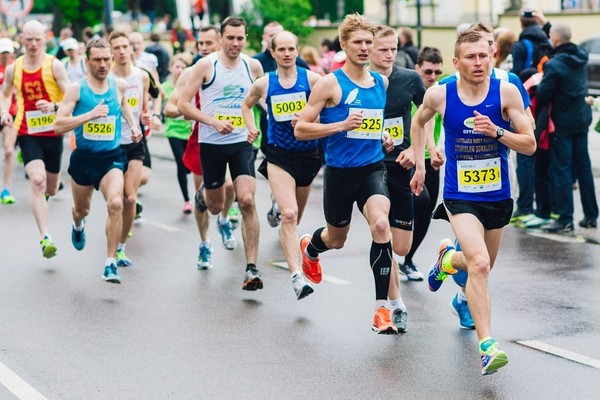
많은 암 생존자들이 주로 앉아서 생활하기 때문에, 가장 먼저 그리고 가장 중요한 메시지 제공자들이 환자에게 줄 수 있는 것은 그들이 운동의 혜택을 얻기 위해 마라토너가 될 필요가 없다는 것이다. 운동을 하지 않는 것에서 약간의 운동으로 전환하는 것이 그들의 건강에 유용할 것입니다.
ACSM이 의료진에 권장하는 내용은 간단합니다. 암 환자들의 신체 활동에 대해 물어보세요. 활동이 불충분할 경우 의료진은 환자에게 더 많은 운동을 하도록 조언해야 합니다.
비록 그것이 의료 제공자들이 할 수 있는 모든 시간일지라도, 그것은 환자에게 신체 활동이 그들의 건강을 관리하는 중요한 부분이라는 것을 보여주고 신체적으로 활동적인 것이 앉아서 생활하는 것보다 더 건강하다는 기대를 제시합니다. 이것은 비록 암 환자들이 의학적으로 감독을 받는 프로그램이 필요할지라도, 진행성 암을 앓고 있는 환자들과 한계를 겪는 환자들에게도 유효합니다.
임상의들은 이러한 논의를 할 준비가 되었습니까?
환자와의 미팅을 위해 임상의사의 목록에 다른 작업을 추가하는 것은 어려운 일입니다. 하지만 환자에게 신체 활동에 대해 일상적으로 묻고 운동 프로그램에 대한 추천을 하는 의료진들은 그들의 환자들이 운동 프로그램에 의해 힘을 얻고 즐기고 느낀다고 말했습니다. 이는 결국 임상적 진료에 긍정적일 수 있고 운동을 논하는 관행을 장려할 수 있습니다.
의료진들이 암 환자와 이러한 논의를 하지 않는 주된 이유는 시간 부족입니다. 하지만, 일부 의료인들은 운동에 관한 질문에 대답하는 데 필요한 교육이 없거나 특정 환자의 운동의 안전성에 대해 불확실하다고 느낄 수 있다는 우려를 표명했습니다. 그리고 솔직히 대부분의 사람들, 특히 의료 서비스 제공자들은 대답할 수 없는 질문에 직면하는 것을 좋아하지 않습니다.
이것이 “Moving Through Cancer” 계획에서 다루고자 하는 것입니다. 이 웹 사이트는 제공자가 환자에게 질문에 대답할 수 있는 장소와 고품질 운동 프로그램을 제공할 수 있는 곳을 안내할 수 있도록 도와줍니다. 대부분의 운동 프로그램은 환자가 참여하기 전에 의사의 승인을 받아야 하기 때문에 의사는 환자에게 이러한 프로그램을 추천하는 데 있어 핵심적인 요소입니다.
운동을 표준 암 치료에 통합하기 위해 어떤 종류의 행동과 기반시설의 변화가 필요합니까?
인지도를 높이는 것 외에도 운동 종양학을 암 관리의 표준으로 만드는 방법을 찾아야 합니다. 여기에는 환자와 신체 활동에 대한 간단하고, 유익하며 효과적인 대화를 나누는 방법에 대한 교육을 통합한 암 관리 제공자를 위한 전문적인 개발이 포함됩니다. 그것은 또한 재활전문의와 직업 치료사, 그리고 물리치료사와 같은 재활 치료사를 위한 전문적인 개발을 포함할 것입니다; 그리고 운동 과학 학도들과 피트니스 전문가들을 포함합니다.
이러한 실무자들이 암환자들이 신체적으로 활동할 수 있도록 어떻게 하면 가장 잘 도울 수 있는지에 대한 지식으로 무장할 수 있도록 커리큘럼으로 바로 접촉할 수 있는 교육을 개발할 필요가 있으며, 여기에는 환자의 특정한 필요와 능력에 맞는 적절한 양의 운동을 전달하는 운동 처방이 어떻게 설계될 수 있는지 등이 포함됩니다.
고품질 연습 프로그램을 널리 이용할 수 있고 접근할 수 있도록 보험사와 지역사회가 충분한 자원을 할당해야 합니다.
우리는 또한 조사원들이 이 분야의 과학을 발전시키는데 도움을 줄 것을 촉구합니다. 운동과 암에 대한 풍부한 근거 자료가 있기 때문에, 우리는 암과 함께 살고 있는 모든 사람들이 가능한 한 활동할 수 있도록 필요한 적응을 장려하는 방법을 더 잘 이해하기 위해 연구자들에게 실행 과학과 의료 전달 연구를 수행하도록 권장하고 있습니다.
생존자들이 이 분야의 발전을 돕는 역할을 하고 있습니까?
암 치료를 변화시키는 촉매제가 되는 환자의 예는 여러 가지가 있습니다. 생존자와 환자 옹호자들은 의료진에게 적절한 운동 프로그램을 평가, 조언 및 의뢰할 것을 요구함으로써 임상 암 관리에 변화를 일으킬 수 있습니다.
ACSM 전문가 패널은 NCI 연구원 찰스 매튜스 박사, 프랭크 페나 박사, 스티븐 무어 박사.가 포함된 것으로, 최근 발표된 세 가지 논문에 조사 결과와 관련 지침을 보고했습니다.
•운동은 종양학에서는 의학입니다. 환자가 암을 극복하도록 돕기 위해 임상 의사들을 참여시킵니다.
•미국스포츠의학대학의 라운드테이블에서 신체 활동과 앉아서 지내는 행동, 암 예방 및 통제에 대해 설명합니다.
•암 생존자를 위한 운동 지침은 국제 다학제 라운드테이블의 합의문입니다.
2019년 11월 12일 : 국립암연구소 제공
Prescribing Exercise as Cancer Treatment: A Conversation with Dr. Kathryn Schmitz
November 12, 2019, by NCI Staff
On October 16, 2019, an expert panel convened by the American College of Sports Medicine (ACSM) released updated guidance and recommendations on the role of physical activity and exercise in cancer prevention and survivorship. The panel was co-chaired by Kathryn Schmitz, Ph.D., M.P.H., of the Department of Public Health Sciences at the Penn State College of Medicine, and Charles Matthews, Ph.D., of NCI’s Division of Cancer Epidemiology and Genetics.
The recommendations, as outlined in three related publications, are the products of the panel’s comprehensive review of the scientific evidence on physical activity and cancer. In this conversation, Dr. Schmitz, immediate past-president of ACSM, discusses the research findings connecting physical activity with improved cancer outcomes and what these new guidelines mean for health care providers and survivors.
How would you describe the state of what we know about the role of exercise for people with cancer and for long-term survivors?
In the past, clinicians typically advised their cancer patients to rest and avoid physical activity. However, what we learned from early exercise research in the 1990s and 2000s contradicted that advice. In fact, the field of exercise oncology—exercise and cancer—has grown exponentially in the past decade. There are more than 1,000 randomized controlled trials in this field. Multiple large epidemiologic and preclinical studies have also been completed, all of which have expanded our knowledge.
We now have the evidence to tell us, with great confidence, that those living with and beyond cancer will benefit from being more physically active. We are at a point in the evolution of the field where we can dose exercise precisely, just as we do with drugs, to address several cancer-related health outcomes.
Which cancer-related health outcomes can be improved with exercise?
The ACSM panel found evidence that providing specific exercise prescriptions for a number of cancer-related health outcomes benefitted people living with or beyond cancer. As an example, we saw strong evidence that an exercise program consisting of a half hour of aerobic exercise three times weekly was sufficient to improve anxiety, depression, fatigue, quality of life, and physical function in cancer survivors.
There was also evidence of a benefit for most of those same outcomes from twice-weekly resistance exercise. However, anxiety and depression do not appear to be improved by resistance training alone, but they do improve with resistance training in combination with aerobic training. In addition, the panel concluded that there is no increased risk of lymphedema from twice-weekly resistance training.
The current evidence is still insufficient as to whether exercise can improve other health outcomes, such as peripheral neuropathy, cardiotoxicity, cognitive functioning, pain, or chemotherapy completion rate.
Can exercise improve survival for individuals with cancer?
Yes. We concluded from the evidence that exercise after a diagnosis of breast, colon, or prostate cancer is associated with longer survival. While there is insufficient evidence to draw the same conclusion for all cancer types, there are enough benefits of physical activity, in general, that we recommend that survivors of all cancers follow the general public health recommendations for physical activity: 2 and 1/2 to 5 hours per week of moderate-intensity activity, or 1 and 1/4 to 2 and 1/2 hours per week of vigorous activity.
Of course, an exercise regimen should be tailored to fit each cancer patient’s preference and functional status. To prescribe a safe and effective exercise program, the patient’s age, type and stage of cancer, treatment side effects, and other health considerations should be evaluated first.
Only a minority of cancer survivors exercise regularly. What will it take to shift the general understanding about the relationship between cancer and exercise?
We need a paradigm shift here, as we have had with exercise and heart disease. If we ask the average person on the street if exercise is good for the heart, he or she will say yes. That was not always the case, but at some point there was a shift. So, we need a multipronged initiative to encourage a change in thinking. A major effort should be geared toward increasing awareness of the importance of exercise among cancer patients, as well as providers, caregivers, and the general public.
ACSM has just started a new initiative called Moving Through Cancer, which focuses on increasing awareness of the value of exercise for cancer survivors, along with educating the cancer clinician workforce to refer, coordinate, and prescribe exercise; expanding opportunities to exercise; and shifting policy so that, by 2029, exercise is standard practice for all patients living with and beyond cancer.
We believe that increasing awareness will involve reaching out to mainstream and social media, updating textbooks for exercise science undergraduates, and developing continuing education for oncology practitioners, among other efforts.
My hope is that someday, if you ask anyone walking down the street whether exercise is valuable for cancer survivors, the response will be an emphatic “Yes.”
Can Exercise Help Treatment-Related Side Effects?
In addition to demonstrating a number of exercise-related benefits for cancer survivors, the ACSM reports also highlight several emerging areas of research, including whether exercise can ameliorate treatment-related side effects (e.g., cardiotoxicities, peripheral neuropathy) or facilitate treatment tolerance and effectiveness.
According to Frank Perna, Ed.D., Ph.D., program director in NCI’s Division of Cancer Control and Population Sciences (DCCPS), the evidence for exercise’s impact on many of these outcomes is promising but still insufficient. However, he explained, DCCPS is supporting studies that will help to strengthen the evidence base and address these questions and others related to the impact of exercise on cancer.
What is the most important take-home message for providers in these updated guidelines?
Since many cancer survivors are sedentary, the first and most important message providers can give their patients is that they don’t need to become marathoners to reap the benefits of exercise. Going from no exercise to some exercise will be useful for their health.
The ACSM's recommendation to providers is simple: Ask cancer patients about their physical activity. If their activity is inadequate, providers should advise their patients to do more.
Even if that is all providers have time to do, it demonstrates to patients that physical activity is an important part of managing their health and lays out the expectation that being physically active is healthier than being sedentary. This is true even for patients with advanced disease and those experiencing limitations, although those cancer patients will need a medically supervised program.
Are clinicians prepared for these discussions?
Adding yet another task to a clinician’s to-do list for patient encounters is a challenge. But providers who routinely ask their patients about physical activity and provide referrals to exercise programs told us their patients both enjoy and feel empowered by the exercise program. This, in turn, can become a bright spot in the clinical encounter and encourage the practice of discussing exercise.
The primary reason that providers do not have these discussions with cancer patients is lack of time. However, some have expressed concern that they don’t have the training needed to answer questions about exercise or that they may feel uncertain about the safety of exercise for a particular patient—and frankly, most people, and particularly health care providers, don’t like being faced with questions they cannot answer.
This is what the Moving Through Cancer initiative is eager to address. The website helps providers refer patients to places where their questions can be answered and high-quality exercise programs can be provided. Since most exercise programs require physician approval before patient participation, physicians are key to recommending such programs to their patients.
What sorts of behavioral and infrastructure changes are needed to incorporate exercise into standard cancer care?
In addition to raising awareness, we need to find ways to make exercise oncology a standard part of cancer care. This would include professional development for cancer care providers that incorporates training in how to have brief, informative, and effective conversations about physical activity with patients. It would also include professional development for rehabilitation practitioners, such as physiatrists, occupational, and physical therapists; and exercise science students and fitness professionals.
There is a need to develop instruction that can be dropped directly into curricula so that these practitioners are armed with knowledge about how best to help cancer patients become physically active, including how to design exercise prescriptions that deliver the right amount of exercise to meet the specific needs and abilities of their patients.
Sufficient resources must be allocated by insurers and communities so that high-quality exercise programs are widely available and accessible. The Moving Through Cancer initiative has a growing registry that we hope will become a trusted resource for oncology professionals to use for referrals to appropriate programs, as well as a resource to help patients and families find programs near them.
We also urge investigators to help advance the science in this area. There is a rich evidence base on exercise and cancer, so we’re encouraging researchers to conduct implementation science and health care delivery research to better understand how to encourage the adaptations needed so that all people living with and beyond cancer can be as active as possible.
Is there a role for survivors in helping to advance progress in this area?
There are multiple examples of patients being the catalyst to shift cancer care. Survivors and patient advocates can help create change in clinical cancer care by demanding that practitioners assess, advise, and refer patients to appropriate exercise programs.
The ACSM expert panel—which included NCI researchers Charles Matthews, Ph.D., Frank Perna, Ed.D., Ph.D., and Steven Moore, Ph.D., M.P.H.—reported its findings and associated guidelines in three recently published papers:
•Exercise Is Medicine in Oncology: Engaging Clinicians to Help Patients Move Through Cancer
•American College of Sports Medicine Roundtable Report on Physical Activity, Sedentary Behavior, and Cancer Prevention and Control
•Exercise Guidelines for Cancer Survivors: Consensus Statement from International Multidisciplinary Roundtable
이 글은 2020년 6월 작성 시점의 정보입니다. 치료 기준·급여 정보는 바뀌었을 수 있으니, 진료와 치료 결정은 반드시 담당 의료진과 상의하세요.