암의 관리, 신뢰할 수 있는 자료 사용하기
2020.04.24 · 전영조 전문위원
신뢰할 수 있는 자료 사용하기
인쇄물이든 온라인이든 건강 정보는 신뢰할 수 있는 출처에서 나와야 한다. 정부 기관과 병원, 대학, 그리고 증거 기반 정보를 제공하는 의학 저널과 책들이 여러분이 믿을 수 있는 정보원情報源이다. 너무 잦은, 다른 출처들은 오해의 소지가 있거나 잘못된 정보를 제공할 수 있다. 만약 어떤 출처가 사실이라고 믿기에는 너무 좋은 주장을 한다면, 기억해라. 그것은 대체로 오도하거나 잘못된 정보라는 것을.
건강 정보를 대중에게 제공하는 웹사이트나 책, 잡지가 많지만 모두 믿을 만한 것은 아니다. 건강 정보의 출처를 검토할 때 아래에 제공된 자료를 사용하여 자신을 보호하시오.
방문하는 웹 사이트를 신뢰하는 방법
온라인 건강 정보의 출처는 사람들이 정보를 게시할 책임이 있는 사람을 쉽게 알 수 있도록 해야 한다. 그들은 게시된 자료를 준비하거나 검토하는 사람들의 의료 자격증과 함께 정보의 원본을 명확히 밝혀야 한다.
다음 질문을 사용하여 온라인에 게시된 건강 정보의 신뢰성을 확인하십시오.
•이 정보를 관리하는 사람은 누구인가?
온라인에서 건강 정보를 게시한 사람 또는 그룹은 페이지의 어딘가에서 쉽게 찾을 수 있어야 한다.
•웹 주소 끝에 있는 글자는?
정부 웹사이트는 ".gov"로 끝나며 ".edu"로 끝나는 웹사이트는 대학이나 다른 교육 기관에 의해 운영된다. 이것들은 당신이 보통 믿을 수 있는 출처들이다. 웹 주소 끝에 ".org" 또는 ".com"이 표시되면 신뢰할 수 있는 사이트일 수도 있다. 단, 확실히 하기 위해 자세히 확인한다.
•프로젝트 비용은 누가 부담하며, 목적은 무엇인가?
당신은 이 정보를 "About Us" 섹션에서 찾을 수 있을 것이다.
•그들이 게시한 정보의 원본은 무엇인가?
만약 그 정보가 원래 연구일지나 책에 실렸다면, 그들은 당신이 그것을 찾을 수 있도록 어떤 것을 말해야 한다.
•정보가 게시되기 전에 어떻게 검토되는가?
대부분의 건강 정보 출판물에는 의학 또는 연구 자격증을 가진 사람(예: M.D., D.O. 또는 박사 학위를 취득한 사람)이 게시되기 전에 정보를 검토하여 올바른지 확인한다.
•정보는 얼마나 최신의 것인가?
온라인 건강 정보 출처는 언제 정보가 게시되었는지 또는 마지막으로 언제 검토되었는지 알려야 한다.
•만약 그들이 개인 정보를 요청한다면, 그들은 그 정보를 어떻게 사용할 것이며, 당신의 사생활을 어떻게 보호할 것인가?
이것은 매우 중요하다. 개인 정보가 사용될 정책을 이해하고 온라인 정보 공유와 관련된 위험에 익숙해질 때까지 개인 정보를 공유하지 마십시오.
소셜 미디어 및 전자 메일 안전하게 사용하기
소셜 미디어 사이트(Facebook, Twitter 등)는 연결 상태를 유지하는 좋은 방법이다. 그러나 의료 정보를 찾을 때는 명성 있는 출처의 소셜 미디어만 따르십시오. 많은 신뢰할 수 있는 조직들은 그들의 웹사이트에 연결되는 소셜 미디어 계정을 가지고 있다. 예를 들어, 국립 암 연구소는 공식 페이스북 페이지와 많은 사무실과 부서의 트위터 계정을 가지고 있다.
이메일이나 문자 메시지를 사용할 때는 항상 주의하십시오. 발신인을 알거나 신뢰하지 않는 한 메시지의 링크를 클릭하지 마십시오. 그리고 믿을 만한 출처가 아니면 절대 애착을 열지 말라. 이것은 당신이 전화기든 컴퓨터든 사실이다.
기타 환자의 경험 및 이야기
개인 소셜 미디어 계정의 경우, 사용자들이 자신의 질병 경험을 게시하는 것이 일반적이다. 여기에는 다음이 포함될 수 있다.
•신체적인 느낌
•그들이 하고 있는 치료법
•식사의 종류나 보충제 등 그들이 사용하고 있는 보완 요법
•어떤 기분인지
그러나 모든 사람은 다 다르다는 것을 기억하라. 정확히 같은 종류의 암에 걸린 사람일지라도 여러분과는 다른 신체와 건강 이력을 가지고 있다. 그리고 절대로 당신의 의사가 아닌 다른 사람에게서 치료나 약에 대한 추천을 받지 말라. 사용자가 그들의 정보를 어디서 어떻게 얻었는지 당신은 모른다. 또한 정보가 최신인지, 혹은 사용자의 암에 대한 지식이 어느 정도인지 당신은 알지 못한다.
웹 사이트, 소셜 미디어, 모바일 앱 및 가짜 뉴스 사이트를 포함한 온라인 출전 평가에 대한 자세한 내용과 정보는 NIH 국립 보완 통합 건강 센터 웹 페이지, 온라인 출전 찾기 및 평가를 참조하십시오.
암에 관한 책자들
암과 암 치료, 보완 및 대체의학(CAM)에 관한 책들이 다수 저술되어 있다. 신뢰할 수 있는 내용을 담고 있는 책도 있는가 하면 그렇지 않은 책도 있다.
정보는 항상 변화하고 새로운 연구 결과가 매일 보고된다는 것을 아는 것이 중요하다. 한 사람에 의해서만 책이 써졌다면, 당신은 한 사람의 관점만 얻을 수 있다는 것을 명심하라.
도서관에 가면 직원에게 조언을 구하라. 또는 당신이 대학이나 대학 근처에 산다면, 이용할 수 있는 의료 도서관이 있을 수도 있다. 지역 서점에도 당신을 도울 수 있는 사람들이 있을 것이다. 만약 당신이 온라인에서 책을 발견한다면, 작가의 자격증, 배경, 그리고 전문지식을 매우 주의 깊게 살펴보라. 스스로에게 묻고 싶은 질문은 다음과 같다.
•저자가 이 주제에 대해 전문가인가?
•그 밖에 책을 읽은 사람을 아는가?
•다른 전문가의 검토를 받았는가?
•지난 5년 안에 출판되었는가?
•이 책은 다른 관점을 제시하고 있는가, 아니면 한 가지 의견을 담고 있는 것처럼 보는가?
•저자가 이 주제에 대해 자세히 조사했는가?
•참고 문헌이 뒷면에 기재되어 있는가?
잡지 기사 읽기
신뢰할 수 있는 기사를 찾으려면 온라인 의료 저널 데이터베이스를 검색하거나 사서에게 지침을 요청하십시오. 사서는 당신이 의학 저널, 책, 그리고 다른 암에 관한 연구를 찾는 것을 도울 수 있다.
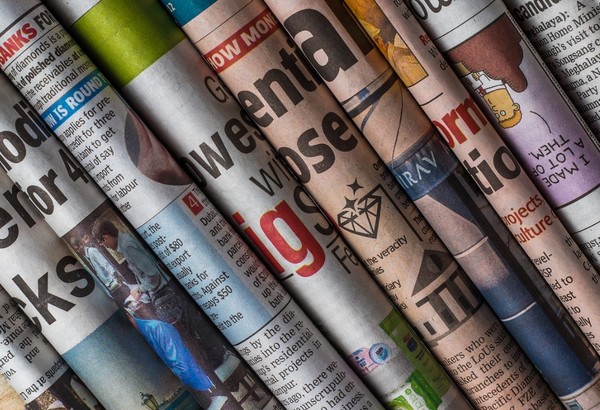
인기 잡지의 기사는 대개 전문가들이 쓰지 않는다. 오히려 저자들이 전문가들과 대화를 나누고, 정보를 수집한 뒤 기사를 쓰는 식이다. 잡지에 클레임이 제기되는 경우 다음을 기억하십시오.
•저자들은 이 분야에 대해 많은 지식을 가지고 있지 않을 수 있다.
•자신의 정보를 어디서 찾았는지 말하지 않을 수 있다.
•전문가가 검토하지 않은 기사일 가능성이 높다.
•출판사는 광고주 또는 다른 조직과 관계를 가질 수 있다. 따라서 기사는 그것이 제시하는 정보나 견해에 있어서 일방적일 수 있다.
당신이 이 기사들을 읽을 때, 당신은 잡지 작성자가 사용하는 것과 같은 과정을 사용할 수 있다.
•전문가들과 대화
•여러 가지 질문하기
•정보가 적합한지 결정
더 많은 도움을 받을 수 있는 곳
암 치료용 스캠
암을 치료하거나 치료한다고 주장하는 제품에 대해 자신의 건강관리 제공자에게 물어보라고 조언하고 치료용 사기를 적발하는 팁을 제공하는 연방거래위원회(FTC)의 한 페이지.
소비자를 위한: 자신을 보호하는 것
온라인에서 의약품 및 기타 제품 구입에 대한 팁이 있는 여러 리소스에 대한 링크가 포함된 FDA(식약청)의 페이지.
인터넷에서 암 정보 평가하기
미국 임상 종양학 협회(ASCO, Aslican Society of Clinical Oncology)가 개발한 Cancer.Net은 암에 대한 일반적인 오해와 온라인 암 정보의 신뢰성을 평가하는 팁을 포함한 정보를 제공한다.
업데이트 : 2020년 3월 16일
Using Trusted Resources
Updated: March 16, 2020
Health information, whether in print or online, should come from a trusted, credible source. Government agencies, hospitals, universities, and medical journals and books that provide evidence-based information are sources you can trust. Too often, other sources can provide misleading or incorrect information. If a source makes claims that are too good to be true, remember—they usually are.
There are many websites, books, and magazines that provide health information to the public, but not all of them are trustworthy. Use the resources provided below to safeguard yourself when reviewing sources of health information.
How to Trust the Websites You Visit
Online sources of health information should make it easy for people to learn who is responsible for posting the information. They should make clear the original source of the information, along with the medical credentials of the people who prepare or review the posted material.
Use the following questions to determine the credibility of health information published online.
•Who manages this information?
The person or group that has published health information online should be easy to find somewhere on the page.
•What are the letters at the end of the web address?
Government websites end in ".gov" and those ending with ".edu" are run by a university or other educational institution. These are sources that you can usually trust. If you see ".org" or ".com" at the end of a web address, it may also be a trusted site. However, check it closely to make sure.
•Who is paying for the project, and what is their purpose?
You should be able to find this information in the “About Us” section.
•What is the original source of the information that they have posted?
If the information was originally published in a research journal or a book, they should say which one(s) so that you can find it.
•How is information reviewed before it gets posted?
Most health information publications have someone with medical or research credentials (e.g., someone who has earned an M.D., D.O., or Ph.D.) review the information before it gets posted, to make sure it is correct.
•How current is the information?
Online health information sources should show you when the information was posted or last reviewed.
•If they are asking for personal information, how will they use that information and how will they protect your privacy?
This is very important. Do not share personal information until you understand the policies under which it will be used and you are comfortable with any risk involved in sharing your information online.
Using Social Media and Email Safely
Social media sites (such as Facebook, Twitter) are good ways to stay connected. However, when you're seeking medical information, only follow social media from reputable sources. Many trusted organizations have social media accounts that link to their websites. For example, the National Cancer Institute has an official Facebook page and many Twitter accounts from its offices and departments.
Always use caution when using your email or texting. Do not click on a link in a message unless you know or trust the sender. And never open an attachment unless it comes from a trustworthy source. This is true whether you're on your phone or your computer.
Other patient experiences and stories
When it comes to personal social media accounts, it's common for users to post their experiences with illness. This may include:
•How they're feeling physically
•Treatments they're going through
•Complementary therapies they're using, such as a type of diet or supplements
•What feelings they're having
But remember that everyone is different. Even someone with the exact same kind of cancer has a different body and health history from you. And never take recommendations for treatment or medicines from someone other than your doctor. You don't know where or how the user got their information. You also don't know if the information is current, or what the user's knowledge of cancer is.
For more details and information about evaluating online resources, including websites, social media, mobile apps, and fake news sites, see NIH's National Center for Complementary and Integrative Health's webpage, Finding and Evaluating Online Resources.
Books About Cancer
A number of books have been written about cancer, cancer treatment, and complementary and alternative medicine (CAM). Some books contain trustworthy content, while others do not.
It's important to know that information is always changing and that new research results are reported every day. Be aware that if a book is written by only one person, you may only be getting that one person's view.
If you go to the library, ask the staff for suggestions. Or if you live near a college or university, there may be a medical library available. Local bookstores may also have people on staff who can help you. If you find a book online, look very carefully at the author’s credentials, background, and expertise. Questions you may want to ask yourself are:
•Is the author an expert on this subject?
•Do you know anyone else who has read the book?
•Has the book been reviewed by other experts?
•Was it published in the past 5 years?
•Does the book offer different points of view, or does it seem to hold one opinion?
•Has the author researched the topic in full?
•Are the references listed in the back?
Reading Magazine Articles
If you want to look for articles you can trust, search online medical journal databases or ask your librarian for guidance. He or she can help you look for medical journals, books, and other research in cancer that has been done by experts.
Articles in popular magazines are usually not written by experts. Rather, the authors speak with experts, gather information, and then write the article. If claims are made in a magazine, remember:
•The authors may not have a lot of knowledge in this area.
•They may not say where they found their information.
•The articles most likely have not been reviewed by experts.
•The publisher may have ties to advertisers or other organizations. Therefore, the article may be one-sided in the information or view(s) it presents.
When you read these articles, you can use the same process that the magazine writer uses:
•Speak with experts
•Ask lots of questions
•Decide if the information is right for you
Where to Get More Help
Cancer Treatment Scams
A page from the Federal Trade Commission (FTC) that advises people to ask their health care provider about products that claim to cure or treat cancer and offers tips for spotting treatment scams.
For Consumers: Protecting Yourself
A page from the Food and Drug Administration (FDA) that includes links to several resources that have tips about buying medicines and other products online.
Evaluating Cancer Information on the Internet
Developed by the American Society of Clinical Oncology (ASCO), Cancer.Net provides information, including common misconceptions about cancer and tips to evaluate the credibility of online cancer information.
이 글은 2020년 4월 작성 시점의 정보입니다. 치료 기준·급여 정보는 바뀌었을 수 있으니, 진료와 치료 결정은 반드시 담당 의료진과 상의하세요.