암의 관리, 의료 서비스 찾기
2020.04.22 · 전영조 전문위원

1. 의료 서비스 찾기
이 페이지에서 다루는 내용
•의사의 선택
•제2의 의견 구하기
•치료시설의 선택
•건강보험 찾기
•홈 케어 서비스
암 진단을 받았다면 암 치료를 위한 의사와 치료시설을 찾는 것이 최선의 치료를 받을 수 있는 중요한 조치이다.
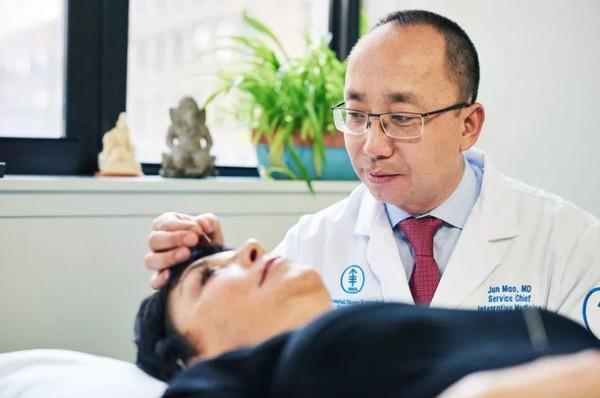
당신은 의사를 선택할 때 고려해야 할 많은 것들이 있을 것이다. 암 치료에 대한 결정을 내리기 위해 그 사람과 긴밀하게 협력할 것이기 때문에 자신이 선택한 전문의에게 편안함을 느끼는 것이 중요하다.
의사의 선택
당신의 암 치료를 위해 의사를 선택할 때, 의사의 훈련과 자격 증명을 설명하는 데 사용되는 용어의 일부를 아는 것이 도움이 될 수 있다. 암환자를 치료하는 의사는 대부분 의사(그들은 M.D. 학위를 가지고 있다) 또는 정골整骨 의사(그들은 D.O. 학위를 가지고 있다)이다. 표준교육은 대학 또는 대학 4년, 의대 4년, 인턴십과 레지던트 등을 통한 대학원 의료교육 3~7년 등이다. 의사들은 해당 주에서 의학을 실습할 수 있는 자격을 얻으려면 시험에 통과해야 한다.
전문의는 내과 등 특정 분야에서 레지던트 교육을 수료한 의사다. 독립 의학 위원회는 의사들이 특정 교육 및 훈련 기준 충족, 의료 실무 자격 부여, 전문의가 제공하는 검진 통과 등 필요한 요건을 충족한 후 의사들을 인증한다. 일단 이러한 요구 사항을 충족시키면, 의사들은 "위원회 인증"을 받는다고 한다.
암을 치료하는 일부 전문의는 다음과 같다.
•의료 종양학자(종양 전문의) : 암 치료 전문
•혈액 학자(전문의) : 골수, 비장, 림프절 등 혈액 및 관련 조직의 질병에 초점을 맞춘다.
•방사선 종양학자(전문의) : X선 및 다른 형태의 방사선을 사용하여 질병을 진단하고 치료한다.
•외과 전문의 : 신체의 거의 모든 부위에 수술을 시행하며 특정 유형의 수술을 전문으로 할 수 있음
암 치료 전문 의사 찾기
암 치료 전문 의사를 찾으려면, 당신의 1차 진료 의사에게 누군가를 추천하도록 요청하십시오. 아니면 가족 구성원의 친구의 경험을 통해 전문가를 알게 될지도 모른다. 또한, 당신의 지역 병원은 당신에게 그곳에서 실습하는 전문가들의 목록을 제공할 수 있어야 한다.
의사를 찾는 또 다른 방법은 가까운 국립암연구소(NCI) 지정 암센터이다. 암센터 찾기 페이지는 미국의 모든 NCI 지정 암센터에 대한 의뢰를 받은 의료 사업자와 암환자를 돕기 위한 연락처 정보를 제공한다.
아래 나열된 온라인 안내 책자는 암 치료 전문가를 찾는 데 도움이 될 수도 있다.
•의사 자격증 및 평가 기준을 만들어 시행하는 미국 의료전문가위원회(ABMS)에는 특정 요건을 충족하고 전문 시험에 합격한 의사 목록이 있다. 자세한 내용은 “담당 의사는 이사회가 인증되었는가?”를 참조하라.
•미국 의학협회(AMA) “의사 찾기”는 미국에서 면허를 받은 의사들에 대한 정보를 제공한다.
•미국 임상 종양학 협회(ASCO) 회원 데이터베이스는 전 세계 약 3만 명의 종양학자들의 이름과 소속을 보유하고 있다.
•미국 외과의사협회(ACoS)는 지역 및 전문 분야별로 회원 외과의사를 '외과의사 찾기' 데이터베이스에 나열한다. ACoS는 1-800-621-4111에서도 통화할 수 있다.
•AOA(미국 정골의사협회) 의사 찾기 데이터베이스는 AOA 회원인 골다공증 치료 의사들의 온라인 목록을 제공한다. AOA도 1-800-621-1773으로 통화할 수 있다.
지역 의료 협회는 또한 여러분이 확인할 수 있도록 각 전문 분야의 의사 목록을 유지할 수도 있다. 공공도서관과 의료도서관은 전공별로 지리적으로 나열된 의사 이름의 인쇄된 번호부를 가질 수 있다.
당신의 건강보험 계획에 따라 당신의 선택은 당신의 계획에 참여하는 의사들로 제한될 수 있다. 당신의 보험회사는 당신의 계획에 참여하는 의사들의 목록을 줄 수 있다. 당신의 계획을 통해 새로운 환자를 받아들이고 있는지 확인하기 위해 고려중인 의사의 사무실로 연락하는 것이 중요하다. 메디케어(한국의 의료보험과 비슷)나 메디케이드(저소득 노인 의료보험 체계)와 같은 연방 또는 주 의료 보험 프로그램을 사용하는 경우에도 이 작업을 수행하는 것이 중요하다.
만약 당신이 건강 보험 제도를 바꿀 수 있다면, 당신은 어떤 의사를 먼저 사용할지 결정하고 나서 당신이 선택한 의사를 포함하는 계획을 선택할 수도 있다. 또한 당신은 당신의 계획 밖에서 의사를 만나 직접 더 많은 비용을 지불할 수 있는 선택권이 있다.
두 번째 의견 얻기
암에 대한 진단과 치료 계획에 대해 의사와 상의한 후 치료를 시작하기 전에 다른 의사의 의견을 받아보는 것이 좋을 것이다. 이것은 두 번째 의견을 듣는 것으로 알려져 있다. 다른 전문가에게 귀하의 사례와 관련된 모든 자료를 검토하도록 요청하면 이 작업을 수행할 수 있다. 두 번째 의견을 제시하는 의사는 첫 번째 의사가 제안한 치료 계획에 동의하거나 변경 또는 다른 접근 방법을 제안할 수 있다. 어느 쪽이든, 다른 의견을 얻을 수 있다.
•보다 자세한 정보 제공
•있을 수 있는 질문에 대한 답변
•암에 대한 통제감 향상
•모든 옵션을 살펴보았음을 알고 더욱 자신감을 가질 수 있도록 지원한다.
두 번째 의견을 얻는 것은 매우 흔하다. 그러나 일부 환자들은 의사가 다른 의견을 요청하면 기분이 상할까 봐 걱정한다. 대개는 그 반대다. 대부분의 의사들은 두 번째 의견을 환영한다. 그리고 많은 의료 보험 회사들은 특히 의사가 수술을 권할 경우, 두 번째 의견을 위해 돈을 지불하거나 심지어 요구하기도 한다.
두 번째 의견 구하기를 위해 담당의사와 상의할 때, 당신이 의사의 치료에 만족하지만 당신이 의사의 치료 선택사항에 대해 가능한 한 많이 알고 싶어 한다는 것을 표현하는 것이 도움이 될 수 있다. 의사에게 두 번째 의견을 제공하는 의사에게 당신의 의료 기록(검사 결과, X-ray 등)을 제공해야 하기 때문에, 첫 번째 의사를 두 번째 의견을 얻는 과정에 참여시키는 것이 가장 좋다. 당신은 두 번째 의견을 요청할 때 가족을 동반하여 지원을 요청하는 것이 좋을 것이다.
만약 담당 의사가 다른 전문의에게 두 번째 의견을 제안할 수 없다면, 의사를 찾기 위해 위에 목록으로 만든 많은 자료들은 당신이 두 번째 의견을 위한 전문가를 찾는 것을 도울 수 있다. NCI 연락처 센터(1-800-422-6237)로 전화를 걸어 안내를 받을 수도 있다.
치료 시설 선택하기
의사를 선택하는 것과 마찬가지로, 의료시설의 선택은 당신의 건강 보험 계획에 참여하는 시설로 당신의 선택이 제한될 수 있다. 암 치료를 위해 이미 의사를 찾았을 경우, 의사가 시술하는 곳에 따라 치료 시설을 선택해야 할 수도 있다. 또는 당신의 의사가 당신의 필요를 충족시키기 위해 양질의 치료를 제공하는 시설을 추천할 수도 있다.
치료 시설을 고려할 때 다음과 같은 몇 가지 질문이 있다.
•내 질병을 치료한 경험과 성공한 적이 있는가?
•주와 소비자 또는 기타 그룹별로 치료 품질의 평가를 받았는가?
•치료 품질을 향상시키기 위해 어떻게 점검과 작동을 하고 있는가?
•미국외과의협회 암 위원회 및/또는 합동 위원회와 같은 국가 공인 인증기관의 승인을 받았는가?
•환자의 권리와 책임에 대해 설명하고 있는가? 이 정보의 사본을 환자가 이용할 수 있는가?
•필요할 경우 재정 지원을 찾을 수 있도록 사회복지사, 자원 등 지원 서비스를 제공하고 있는가?
•편리한 곳에 위치해 있는가?
건강 보험에 가입한 경우 당신이 선택한 시설이 보험사에 의해 승인되는지 문의하십시오. 만약 당신이 보험이 제공하는 치료범위를 넘어서거나 보험이 없어서 치료비를 스스로 지불하기로 결정한다면, 당신의 의사와 가능한 비용을 미리 상의하십시오. 병원 청구서 담당 부서에도 문의하십시오. 간호사와 사회복지사들은 또한 당신에게 보장 범위, 자격, 그리고 보험 문제에 대한 더 많은 정보를 줄 수 있을 것이다.
다음 자원은 치료를 위한 병원 또는 치료 시설을 찾는 데 도움이 될 수 있다.
•NCI의 '암센터 찾기' 페이지에는 전국에 위치한 NCI 지정 암센터 연락처 정보가 제공된다.
•미국외과의협회 암 위원회와 미국외과의 협회 웹사이트에는 그들이 승인한 암 치료 프로그램이 검색 가능한 데이터베이스가 있다. 또한 1-312-1985-5085로 연락하거나 CoC@facs.org으로 이-메일을 보내면 연락이 가능하다.
•공동위원회는 미국의 의료 기관 및 프로그램을 재평가하고 인증한다. 또한 치료시설 선택에 대한 지침을 제공하며, 환자가 공동위원회의 승인을 받았는지 여부를 확인하고, 성과보고서를 보기 위해 사용할 수 있는 온라인 품질검사 서비스를 제공한다. 그것들은 또한 1-630-792-5000에 통화할 수 있다.
미국 시민이 아닌 경우 미국에서 치료 받기
미국 밖에 사는 몇몇 사람들은 이 나라에서 두 번째 의견을 얻거나 그들의 암 치료를 받기를 원할 수도 있다. 미국의 많은 시설들은 국제 암 환자들에게 이러한 서비스를 제공한다. 그들은 또한 언어 통역이나 여행과 치료 시설 근처의 숙박을 찾는 것과 같은 지원 서비스를 제공할 수 있다.
미국 밖에 살면서 이 나라에서 암 치료를 받으려면 암 치료 시설에 직접 연락해 국제 환자 사무실이 있는지 알아봐야 한다. NCI 지정 암 센터 찾기 페이지는 미국 전역의 NCI 지정 암 센터에 대한 연락 정보를 제공한다.
암 치료를 위해 미국을 여행하려는 다른 나라의 시민들은 우선 자국 주재 미국 대사관이나 영사관에서 치료를 위한 비 이민 비자를 발급받아야 한다. 비자 신청자는 다음을 증명해야 한다.
•치료 받으러 미국에 오기를 희망
•제한된 특정 기간 동안 체류 계획
•미국에서 비용을 충당하기 위한 자금 보유
•미국 이외의 지역에 거주 및 사회적, 경제적 유대 관계 유지
•고국으로 돌아가기 원함
비 이민 비자에 필요한 수수료와 서류 등을 알아보고 신청 절차에 대해 자세히 알아보려면 본국 미국대사관이나 영사관에 연락하면 된다. 미 국무부는 전 세계 미국 대사관 및 영사관의 웹사이트에 대한 링크 목록을 제공한다.
비 이민 비자 서비스에 대한 자세한 내용은 미 국무부 방문 비자 페이지에서 확인할 수 있다. 미국 여행을 계획하고 있는 경우, 가능한 업데이트나 변경 사항이 있는지 페이지를 확인하십시오.
미국 외의 치료시설 찾기
암에 대한 정보를 제공하고 질문에 답하기 위해 많은 국가에서 암 정보 서비스를 이용할 수 있다. 그들은 또한 여러분이 살고 있는 곳에서 가까운 암 치료 시설을 찾는 것을 도울 수 있을 것이다.
암 정보를 전달하는 70여 개 단체의 전 세계 네트워크인 국제암정보서비스그룹(ICISG)은 웹사이트에 암 정보 서비스 목록을 게재하고 있다. 또는 ICISG에 질문이나 의견을 이-메일로 보낼 수도 있다.
국제암통제연맹(UICC)은 암 치료시설을 찾고자 하는 미국 이외의 지역에 사는 사람들을 위한 또 다른 자원이다. UICC는 전 세계 암과의 싸움에 헌신하는 국제 암 관련 단체들로 구성되어 있다. 이러한 조직들은 대중을 위한 자원 역할을 하며 암과 치료 시설에 대한 유용한 정보를 가지고 있을 수 있다. 해당 국가에서 또는 가까운 곳에서 자원을 찾으려면 UICC에 이-메일을 보내거나 다음 연락처로 문의하십시오.
국제암통제연맹(UICC)
프론테넥스 62길
1207년 제네바
스위스
+ 41 22 809 1811
건강 보험 찾기
건강보험 개혁법은 암의 예방과 검진, 치료에 대한 함의와 함께 미국에서 건강보험이 작동하는 방식을 바꾼다. 이 의료법에 따르면, 대부분의 미국인들은 건강 보험을 들어야 한다.
만약 당신이 건강보험을 가지고 있지 않거나 새로운 선택사항을 찾고자 한다면, 온라인 건강 보험 시장은 당신이 가지고 있는 가격과 혜택, 품질 그리고 다른 필요들에 근거하여 당신이 거주하는 주의 계획을 비교할 수 있게 해준다. 건강보험 시장 및 새로운 보험 상품에 대해 알아보려면 Healthcare.gov 또는 CuidadoDeSalud.gov을 방문하거나 1-800-318-2596(TTY: 1-855-889-4325)으로 무료 전화하십시오.
홈 케어 서비스
때때로 환자들은 가족이나 친구들과 친숙한 환경에서 지낼 수 있도록 집에서 보살핌을 받고 싶어 한다. 홈 케어 서비스는 의사와 간호사, 사회복지사, 물리치료사 등과 함께 팀 어프로치를 통해 환자들이 집에 머물 수 있도록 도울 수 있다.
환자가 홈 케어 서비스를 받을 자격이 있는 경우, 그러한 서비스에는 다음이 포함될 수 있다.
•증상 관리 및 모니터링 관리
•의료 시술
•물리치료
•감정적·정신적 치료
•식사 준비 및 개인위생에 도움
•의료기기 제공
많은 환자와 가족에게 홈 케어는 보람도 있고 부담도 될 수 있다. 그것은 관계를 바꿀 수 있고 가족들에게 환자 관리의 모든 측면에 대처하도록 요구한다. 홈 케어 제공자들이 정기적으로 가정에 들어오도록 하는 물류와 같은 가정들이 해결해야 할 새로운 문제들도 발생할 수 있다. 이러한 변화에 대비하기 위해 환자와 보호자는 질문을 하고 가능한 한 많은 정보를 홈 케어 팀이나 조직으로부터 얻어야 한다. 의사, 간호사 또는 사회복지사는 환자의 특정한 요구, 서비스의 가용성 및 지역 가정 의료 기관에 대한 정보를 제공할 수 있다.
홈 케어를 위한 재정 지원 받기
홈 케어 서비스에 대한 지불에 대한 도움은 공공 또는 민간 기관에서 제공될 수 있다. 민간 의료 보험은 일부 홈 케어 서비스를 포함할 수 있지만, 복리후생은 계획마다 다르다.
홈 케어 비용을 지불하는 데 도움이 되는 공공 자원은
•의료보험 및 메디케이드 서비스 센터(CMS): 몇 가지 주요 연방 의료 프로그램의 관리를 담당하는 정부 기관. 이 중 두 가지는
-메디케어: 노인이나 장애인을 위한 정부 건강보험 프로그램. 자세한 내용은 웹사이트를 방문하거나 1-800-MEDICARE(1-800-633-4227)로 문의하십시오.
-메디케이드: 의료비 지원이 필요한 사람들을 위한 연방 및 주 의료 보험 프로그램. 주(州)에 따라 적용 범위가 달라진다.
메디케어와 메디케이드 둘 다 자격을 갖춘 환자들을 위한 홈 케어 서비스를 제공할 수 있지만, 일부 규칙이 적용된다. 사회 복지사 및 의료 팀의 다른 구성원들과 대화하여 가정 의료 서비스 제공업체와 기관에 대해 자세히 알아보십시오. 자세한 내용은 CMS 온라인에 문의하거나 1-877-267-2323로 전화하십시오.
•Eldercare Locator: 미국 고령화 관리국이 운영하는 이 단체는 지역 고령화 관련 지역 기관과 노인들을 위한 기타 지원에 대한 정보를 제공한다. 이 기관들은 가정 관리를 위한 기금을 제공할 수 있다. 엘데르카레 로케이터는 1-800-677-1116으로 문의하면 더 자세한 정보를 얻을 수 있다.
•보훈처(VA) : 군 복무로 인해 장애인이 된 참전용사들은 미국 보훈처로부터 홈 케어 서비스를 받을 수 있다. 단, 보훈병원에서 제공하는 홈 케어 서비스만 사용할 수 있다. 이러한 혜택에 대한 자세한 내용은 홈페이지나 1-877-222-8387(1-877-222-VETS)로 전화하면 알 수 있다.
홈 케어를 위한 기타 자원은 1-800-4-CAM(1-800-422-6237)으로 전화하거나 cancer.gov을 방문하십시오.
2019년 11월 5일 : 갱신
1. Finding Health Care Services
Updated: November 5, 2019
On This Page
•Choosing a Doctor
•Getting a Second Opinion
•Choosing a Treatment Facility
•Finding Health Insurance
•Home Care Services
If you have been diagnosed with cancer, finding a doctor and a treatment facility for your cancer care is an important step to getting the best treatment possible.
You will have many things to consider when choosing a doctor. It’s important for you to feel comfortable with the specialist that you choose because you will be working closely with that person to make decisions about your cancer treatment.
Choosing a Doctor
When choosing a doctor for your cancer care, it may be helpful to know some of the terms used to describe a doctor’s training and credentials. Most physicians who treat people with cancer are medical doctors (they have an M.D. degree) or osteopathic doctors (they have a D.O. degree). Standard training includes 4 years of study at a college or university, 4 years of medical school, and 3 to 7 years of postgraduate medical education through internships and residencies. Doctors must pass an exam to become licensed to practice medicine in their state.
Specialists are doctors who have done their residency training in a specific field such as internal medicine. Independent specialty boards certify physicians after they have met needed requirements, including meeting certain education and training standards, being licensed to practice medicine, and passing an examination given by their specialty board. Once they have met these requirements, physicians are said to be “board certified.”
Some specialists who treat cancer are:
•Medical Oncologist: specializes in treating cancer
•Hematologist: focuses on diseases of the blood and related tissues, including the bone marrow, spleen, and lymph nodes
•Radiation oncologist: uses x-rays and other forms of radiation to diagnose and treat disease
•Surgeon: performs operations on almost any area of the body and may specialize in a certain type of surgery
Finding a Doctor Who Specializes in Cancer Care
To find a doctor who specializes in cancer care, ask your primary care doctor to suggest someone. Or you may know of a specialist through the experience of a friend of family member. Also, your local hospital should be able to provide you with a list of specialists who practice there.
Another option for finding a doctor is your nearest NCI-designated cancer center. The Find a Cancer Center page provides contact information to help health care providers and cancer patients with referrals to all NCI-designated cancer centers in the United States.
The online directories listed below may also help you find a cancer care specialist.
•The American Board of Medical Specialists (ABMS), which creates and implements the standards for certifying and evaluating doctors, has a list of doctors that have met specific requirements and passed specialty exams. See Is Your Doctor Board Certified?
•The American Medical Association (AMA) DoctorFinder provides information on licensed doctors in the United States.
•The American Society of Clinical Oncology (ASCO) member database has the names and affiliations of nearly 30,000 oncologists worldwide.
•The American College of Surgeons (ACoS) lists member surgeons by region and specialty in their Find a Surgeon database. The ACoS can also be reached at 1-800-621-4111.
•The American Osteopathic Association (AOA) Find a Doctor database provides an online list of practicing osteopathic physicians who are AOA members. The AOA can also be reached at 1-800-621-1773.
Local medical societies may also maintain lists of doctors in each specialty for you to check. Public and medical libraries may have print directories of doctors’ names listed geographically by specialty.
Depending on your health insurance plan, your choice may be limited to doctors who participate in your plan. Your insurance company can give you a list of doctors who take part in your plan. It’s important to contact the office of the doctor you’re considering to be sure that he or she is accepting new patients through your plan. It’s also important to do this if you’re using a federal or state health insurance program such as Medicare or Medicaid.
If you can change health insurance plans, you may want to decide which doctor you would like to use first and then choose the plan that includes your chosen physician. You also have the option of seeing a doctor outside your plan and paying more of the costs yourself.
To help make your decision when you’re considering what doctor to choose, think about if the doctor:
•Has the education and training needed to meet your needs
•Has someone who covers for them if they are unavailable and who would have access to your medical records
•Has a helpful support staff
•Explains things clearly, listens to you, and treats you with respect
•Encourages you to ask questions
•Has office hours that meet your needs
•Is easy to get an appointment with
If you are choosing a surgeon, you will want to ask:
•Are they board certified?
•How often do they perform the type of surgery you need?
•How many of these procedures have they performed?
•At what hospital(s) do they practice?
It’s important for you to feel good about the doctor you choose. You will be working with this person closely as you make decisions about your cancer treatment.
Getting a Second Opinion
After you talk to a doctor about the diagnosis and treatment plan for your cancer, you may want to get another doctor’s opinion before you begin treatment. This is known as getting a second opinion. You can do this by asking another specialist to review all the materials related to your case. The doctor who gives the second opinion may agree with the treatment plan proposed by your first doctor, or they may suggest changes or another approach. Either way, getting a second opinion may:
•Give you more information
•Answer any questions you may have
•Give you a greater sense of control
•Help you feel more confident, knowing you have explored all your options
Getting a second opinion is very common. Yet some patients worry that their doctor will be offended if they ask for a second opinion. Usually the opposite is true. Most doctors welcome a second opinion. And many health insurance companies pay for a second opinion or even require them, particularly if a doctor recommends surgery.
When talking with your doctor about getting a second opinion, it may be helpful to express that you’re satisfied with your care but want to be certain you’re as informed as possible about your treatment options. It’s best to involve your doctor in the process of getting a second opinion, because he or she will need to make your medical records (such as your test results and x-rays) available to the doctor giving the second opinion. You may wish to bring a family member along for support when asking for a second opinion.
If your doctor can’t suggest another specialist for a second opinion, many of the resources listed above for finding a doctor can help you find a specialist for a second opinion. You can also call NCI’s Contact Center at 1-800-4-CANCER (1-800-422-6237) for guidance.
Choosing a Treatment Facility
As with choosing a doctor, your choice of facilities may be limited to those that take part in your health insurance plan. If you have already found a doctor for your cancer treatment, you may need to choose a treatment facility based on where your doctor practices. Or your doctor may be able to recommend a facility that provides quality care to meet your needs.
Some questions to ask when considering a treatment facility are:
•Does it have experience and success in treating my condition?
•Has it been rated by state, consumer, or other groups for its quality of care?
•How does it check on and work to improve its quality of care?
•Has it been approved by a nationally recognized accrediting body, such as the ACoS Commission on Cancer and/or The Joint Commission?
•Does it explain patients’ rights and responsibilities? Are copies of this information available to patients?
•Does it offer support services, such as social workers and resources, to help me find financial assistance if I need it?
•Is it conveniently located?
If you belong to a health insurance plan, ask your insurance company if the facility you are choosing is approved by your plan. If you decide to pay for treatment yourself because you choose to go outside of your network or don’t have insurance, discuss the possible costs with your doctor beforehand. You will want to talk to the hospital billing department as well. Nurses and social workers may also be able to give you more information about coverage, eligibility, and insurance issues.
The following resources may help you find a hospital or treatment facility for your care:
•NCI’s Find a Cancer Center page provides contact information for NCI-designated cancer centers located throughout the country.
•The American College of Surgeons (ACoS) Commission on Cancer (CoC). The ACoS website has a searchable database Exit Disclaimerof cancer care programs they have accredited. They can also be reached at 1-312-202-5085 or by e-mail at CoC@facs.org.
•The Joint Commission Exit Disclaimerevaluates and accredits health care organizations and programs in the United States. It also provides guidance about choosing a treatment facility, and offers an online Quality Check®Exit Disclaimer service that patients can use to check whether a specific facility has been accredited by the Joint Commission and to view its performance reports. They also can be reached at 1-630-792-5000.
For more information or assistance about finding a treatment facility, call NCI’s Contact Center at 1-800-4-CANCER (1-800-422-6237).
Getting Treatment in the United States if You Are Not a U.S. Citizen
Some people who live outside the United States may wish to obtain a second opinion or have their cancer treatment in this country. Many facilities in the United States offer these services to international cancer patients. They may also provide support services, such as language interpretation or help with travel and finding lodging near the treatment facility.
If you live outside the United States and would like to get cancer treatment in this country, you should contact cancer treatment facilities directly to find out whether they have an international patient office. The NCI-Designated Cancer Centers Find a Cancer Center page offers contact information for NCI-designated cancer centers throughout the United States.
Citizens of other countries who are planning to travel to the United States for cancer treatment must first obtain a non-immigrant visa for medical treatment from the U.S. Embassy or Consulate in their home country. Visa applicants must show that they:
•Want to come to the United States for medical treatment
•Plan to stay for a specific, limited period
•Have funds to cover expenses in the United States
•Have a residence and social and economic ties outside the United States
•Intend to return to their home country
To find out the fees and documents needed for the non-immigrant visa and to learn more about the application process, contact the U.S. Embassy or Consulate in your home country. The U.S. Department of State provides a list of links to the websites of U.S. Embassies and Consulates worldwide.
More information about non-immigrant visa services is available on the U.S. Department of State Visitor Visa page. If you are planning to travel to the United States, make sure to check the page for any possible updates or changes.
Finding a Treatment Facility Outside the United States
Cancer information services are available in many countries to provide information and answer questions about cancer. They may also be able to help you find a cancer treatment facility close to where you live.
The International Cancer Information Service Group (ICISG), a worldwide network of more than 70 organizations that deliver cancer information, has a list of cancer information services on their website. Or you can email ICISG for questions or comments.
The Union for International Cancer Control (UICC) is another resource for people living outside the United States who want to find a cancer treatment facility. The UICC consists of international cancer-related organizations devoted to the worldwide fight against cancer. These organizations serve as resources for the public and may have helpful information about cancer and treatment facilities. To find a resource in or near your country, you may send the UICC an email or contact them at:
Union for International Cancer Control (UICC)
62 route de Frontenex
1207 Geneva
Switzerland
+ 41 22 809 1811
Finding Health Insurance
The Affordable Care Act changes how health insurance works in the United States, with implications for the prevention, screening, and treatment of cancer. Under this health care law, most Americans are required to have health insurance.
If you do not have health insurance or want to look at new options, the online Health Insurance Marketplace lets you compare plans in your state based on price, benefits, quality, and other needs you may have. To learn about the Health Insurance Marketplace and your new coverage options, please go to Healthcare.gov or CuidadoDeSalud.gov or call toll-free at 1-800-318-2596 (TTY: 1-855-889-4325).
Home Care Services
Sometimes patients want to be cared for at home so they can be in familiar surroundings with family and friends. Home care services can help patients stay at home by using a team approach with doctors, nurses, social workers, physical therapists, and others.
If the patient qualifies for home care services, such services may include:
•Managing symptoms and monitoring care
•Delivery of medications
•Physical therapy
•Emotional and spiritual care
•Help with preparing meals and personal hygiene
•Providing medical equipment
For many patients and families, home care can be both rewarding and demanding. It can change relationships and require families to cope with all aspects of patient care. New issues may also arise that families need to address such as the logistics of having home care providers coming into the home at regular intervals. To prepare for these changes, patients and caregivers should ask questions and get as much information as possible from the home care team or organization. A doctor, nurse, or social worker can provide information about a patient’s specific needs, the availability of services, and the local home care agencies.
Getting Financial Assistance for Home Care
Help with paying for home care services may be available from public or private sources. Private health insurance may cover some home care services, but benefits vary from plan to plan.
Some public resources to help pay for home care are:
•Centers for Medicare & Medicaid Services (CMS): A government agency responsible for the administration of several key federal health care programs. Two of these are
-Medicare: A government health insurance program for the elderly or disabled. For information, visit their website or call 1-800-MEDICARE (1-800-633-4227).
-Medicaid: A joint federal and state health insurance program for those who need help with medical expenses. Coverage varies by state.
Both Medicare and Medicaid may cover home care services for patients who qualify, but some rules apply. Talk to a social worker and other members of the health care team to find out more about home care providers and agencies. For more information contact the CMS online or call 1-877-267-2323.
•Eldercare Locator: Run by the U.S. Administration on Aging, it provides information about local Area Agencies on Aging and other assistance for older people. These agencies may provide funds for home care. Eldercare Locator can be reached at 1-800-677-1116 for more information.
•Department of Veterans Affairs (VA): Veterans who are disabled as a result of military service can receive home care services from the U.S. Department of Veterans Affairs. However, only home care services provided by VA hospitals may be used. More information about these benefits can be found on their website or by calling 1-877-222-8387 (1-877-222-VETS).
For other resources for home care, call NCI's Cancer Information Service at 1-800-4-CANCER (1-800-422-6237) or visit cancer.gov.
이 글은 2020년 4월 작성 시점의 정보입니다. 치료 기준·급여 정보는 바뀌었을 수 있으니, 진료와 치료 결정은 반드시 담당 의료진과 상의하세요.