HPV 1회 투여로 암 유발형 HPV를 장기적으로 예방하였다
2020.04.20 · 전영조 전문위원
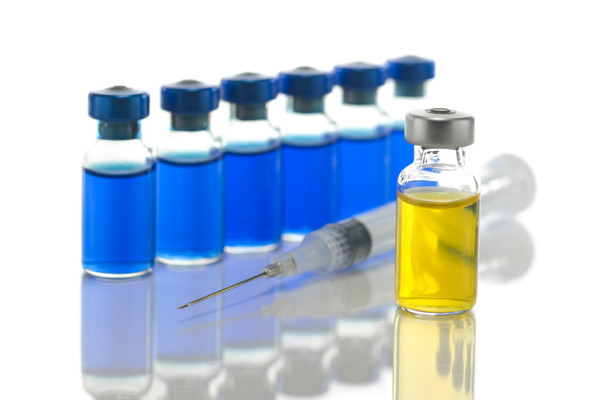
HPV백신의 1회 투여로 다수의 암 유발형 HPV를 장기적으로 예방하였다
백신 접종 후 10여 년이 지난 지금까지 1회 투여의 인간유두종바이러스(HPV) 백신을 접종받은 여성은 HPV16과 18이라는 암 유발 HPV형 2종으로 자궁경부 감염으로부터 계속 보호를 받았다. 이 새로운 발견은 국립암연구소가 후원하는 코스타리카 HPV 백신 시험의 추적 검사를 영장한 결과에서 나온 것이다.
두 번째, 관련 분석에서, 이 실험의 연구원들은 단일 백신 투여가 상호보호라는 현상인 백신이 표적으로 삼지 않았던 세 가지 다른 암을 유발하는 HPV 유형으로부터 오랫동안 보호해 준다는 것을 발견했다. 이 백신은 또한 암을 유발하는 두 종류의 HPV에 대한 상호보호를 덜 제공하였다.
코스타리카 시험에 대한 7년의 추적에서 얻은 이전 치료결과를 확인하고 확장하는 발견사항은 "이 특정 HPV 백신을 통해 일회 복용 스케줄을 뒷받침할 수 있는 더 많은 데이터를 제공한다."고 새로운 분석에는 관여하지 않은 질병관리예방센터(CDC) HPV 과학 담당 부소장 라우리 마르코위츠가 말했다. 이 두 가지 결과는 모두 2월 24일 국립 암 연구소의 학술지에 발표되었다.
서바릭스로 알려진 이 실험에 사용된 백신은 미국에서는 더 이상 구할 수 없지만, 일부 국가에서는 여전히 사용되고 있다. 세계보건기구(WHO)가 권장하는 3가지 HPV 백신 중 하나로, 성행위를 통해 감염되는 질병을 유발하는 유형의 HPV를 막아준다.
코스타리카의 시험의 연구원이자 국립암연구소의 암 역학 및 유전학 분과(DCEG)의 에이미 크레이머 박사는 "현재 권장되는 2, 3회 투여가 아닌 단 한 번의 백신 투여로 많은 암을 유발하는 HPV 감염을 보호할 수 있는 능력은 매년 전 세계적으로 50만 명 이상의 새로운 자궁경부암 환자 및 30만 명 이상의 사망자를 예방하는 데 큰 변화를 가져올 것"이라고 말했다.
그러나 크레이머와 마코위츠 박사는 코스타리카의 무작위, 대규모 NCI 주도 ESCUDDO 연구를 포함한 몇몇 다른 진행 중인 연구의 데이터가 HPV 백신의 1회 투여가 충분히 보호되고 2회 또는 3회 복용만큼 효과적인지 여부를 확인하기 위해 필요하다며 주의를 당부했다. 그러한 발견은 전 세계 예방접종 지침의 변화를 뒷받침할 수 있다고 그들은 말했다.
일회 투여 스케줄의 공공보건 면의 혜택
HPV 타입 16과 18의 지속적인 감염은 모든 자궁경부암의 약 70%를 유발한다. 백신 교차보호의 보완분석을 주도한 DCEG 박사 후기 과정의 의사인 사브리나 창 박사는 "기타 HPV형(31, 33, 45)이 자궁경부암 환자의 13%를 차지한다."고 말했다. 주로 HPV16이 원인이 되는 HPV감염은 남녀 모두에게 인후암뿐만 아니라 성기와 항문 부위의 다른 암도 일으킬 수 있다.
자궁경부암은 전 세계 여성들의 암과 암 사망의 주요 원인이다. HPV 예방접종과 자궁경부암 검진을 병행하면 자궁경부암 발병률과 사망률을 크게 줄일 수 있다. 그러나 전 세계 HPV 백신 접종률은 여전히 낮으며, 많은 자원 부존이 적은 국가들은 HPV 백신 프로그램이나 정기적인 검사를 하지 않고 있다.
마코위츠 박사는 "백신을 한 번만 투여하면 논리적으로 더 쉽고 비용이 적게 들 것"이라고 말했다. 그리고 크리머 박사가 설명했듯이, "우리가 전 세계적으로 청소년들에게 주는 백신은 많지 않다."
"각자가 첫 번째 투여를 받은 시기를 추적하는 것을 포함하여 복수의 투여를 하는 데 필요한 기반구조는 광범위한 예방접종을 달성하는 데 상당한 장벽"이라고 그녀는 덧붙였다. "모든 사람에게 1회 투여를 하고 완성이 되는 백신은 훨씬 더 간단한 접근법이다."
게다가, 크레이머 박사는 현재 세계적으로 HPV 백신이 부족하며, 단 1회 복용만 하면 더 많은 사람들이 백신을 접종할 수 있을 것이라고 말했다.
장기 추적 검사를 통해 얻은 통찰력
코스타리카 시험은 HPV 백신의 3회 투여를 4년간 무작위 임상 실험한 것이다. 크레이머 박사와 그녀의 동료들은 대부분의 HPV 백신 투여 여성들을 4년이 넘는 기간 동안 계속 추적하였다. 이 실험에 참가한 여성의 약 20%가 3회 미만의 백신 접종을 받았다. 그래서 조사원들은 1회 투여와 2회 투여 효능을 평가할 수 있었다. 3회 투여를 모두 받지 못한 주요 원인은 임신이나 일상적인 자궁경부암 검진에서 나온 비정상 자궁경부 소견이었다.
연구진은 백신의 보호 기간을 파악하기 위해 장기간에 걸친 후속 연구에서 여성들을 계속 추적해 백신 접종 후 7, 9, 11년이 지난 자궁경부 및 혈액 샘플을 확보했다.
크레이머 박사는 "가장 최근의 분석에서 HPV에 감염된 여성은 예방접종 후 11년이 지나도 자궁경부 HPV16이나 18명의 감염이 거의 없는 반면, 우리가 추적한 무균 여성은 더 높은 감염률을 보였다"고 말했다.
2020년 4월 10일 : 국립암연구소 제공
Single Dose of HPV Vaccine Yields Long-Term Protection from Many Cancer-Causing Types
April 10, 2020, by NCI Staff
More than a decade after vaccination, women who had received a single dose of human papillomavirus (HPV) vaccine continued to be protected against cervical infection with the two cancer-causing HPV types targeted by the vaccine, HPV16 and 18. The new findings are from an extended follow-up of the NCI-sponsored Costa Rica HPV Vaccine Trial.
In a second, related analysis, the trial’s researchers found that a single vaccine dose also provided long-lasting protection against three other cancer-causing HPV typesExit Disclaimer not targeted by the vaccine—a phenomenon known as cross-protection. The vaccine also provided lesser cross-protection against two additional cancer-causing HPV types.
The findings, which confirm and extend earlier resultsExit Disclaimer from a 7-year follow-up study of the Costa Rica Trial, “provide more data to support a one-dose schedule with this particular HPV vaccine,” said Lauri Markowitz, M.D., associate director of science for HPV at the Centers for Disease Control and Prevention (CDC), who was not involved with the new analyses. Results from both were published February 24 in the Journal of the National Cancer Institute.
The vaccine used in the trial, known as Cervarix, is no longer available in the United States, but it is still used in some countries. It is one of three World Health Organization–recommended HPV vaccines that protect against sexually transmitted infections with disease-causing HPV types.
The ability to protect against many cancer-causing HPV infections with just one vaccine dose—rather than the two or three doses currently recommended—"would make a very big difference" in preventing the more than half a million new cervical cancer cases and more than 300,000 deaths from the disease worldwide each year, said Costa Rica Trial investigator Aimée Kreimer, Ph.D., of NCI’s Division of Cancer Epidemiology and Genetics (DCEG).
However, Drs. Kreimer and Markowitz cautioned, data from several other ongoing studies, including the large, randomized NCI-led ESCUDDO study in Costa Rica, are needed to confirm that a single dose of HPV vaccine is sufficiently protective and determine if a single dose is as effective as two or three doses. Such findings could support changes in worldwide vaccination guidelines, they said.
Public Health Benefits of a One-Dose Schedule
Persistent infections with HPV types 16 and 18 cause about 70% of all cervical cancers. Three other HPV types (31, 33, and 45) account for another 13% of cervical cancer cases, said DCEG postdoctoral fellow Sabrina Tsang, Ph.D., M.P.H., who led the complementary analysis of vaccine cross-protection. HPV infections (primarily HPV16) can also cause other cancers of the genital and anal regions, as well as throat cancers, in both men and women.
Cervical cancer is a leading cause of cancer and cancer deaths in women worldwide. A combination of HPV vaccination and cervical cancer screening can greatly reduce cervical cancer incidence and deaths. But global HPV vaccination rates remain low, and many low-resource countries do not have HPV vaccination programs or routine screening.
“If we needed only one dose of the vaccine, that would make it logistically easier and less expensive to administer,” Dr. Markowitz said. And as Dr. Kreimer explained, “There aren’t many vaccines that we give to adolescents globally.”
The infrastructure needed to administer multiple doses, including tracking when each person received their first dose, is a significant barrier to achieving widespread vaccination, she added. “A vaccine where you can give everyone one dose and they’re done is a much simpler approach.”
In addition, Dr. Kreimer said, there is currently a global HPV vaccine shortage, and needing only one dose would allow more people to be vaccinated.
Insights from Long-Term Follow-Up
The Costa Rica Trial was a 4-year randomized clinical trial of three doses of the HPV vaccine. Dr. Kreimer and her colleagues continued following most HPV-vaccinated women from the trial beyond 4 years. About 20% of women in the trial received fewer than three vaccine doses. So, the investigators were able to evaluate the efficacy of one and two doses. The main reasons for not receiving all three doses were pregnancy or abnormal cervical findings from routine cervical cancer screening.
To understand the duration of the vaccine’s protection, the researchers continued to follow women in the trial in a long-term follow-up study, obtaining cervical and blood samples 7, 9, and 11 years after vaccination.
“In this most recent analysis, we found that HPV-vaccinated women had very few cervical HPV16 or 18 infections even 11 years after vaccination, whereas a group of unvaccinated women we followed had higher rates of infection,” Dr. Kreimer said.
The reduction in HPV infections was similar no matter how many vaccine doses were received, with an estimated vaccine efficacy of 82%, 84 %, and 80%, respectively, for one, two, and three doses. (Vaccine efficacy is the reduction in infections in vaccinated versus unvaccinated women.)
HPV-vaccinated women had antibodies to HPV16 and 18 in their blood at 11 years, the researchers found. Antibody levels were comparable to those seen in the early years following vaccination, regardless of the number of doses received, an indication of long-lasting immune response to the vaccine, they explained.
Stable Cross-Protection Over Time
In the companion analysis on cross-protection led by Dr. Tsang, the researchers compared rates of infections with cancer-causing HPV types not targeted by the vaccine among vaccinated and unvaccinated women.
Consistent with previous findings from this study, which had 7 years of follow-up, the updated analysis showed that women who received three doses experienced protection against new infections with HPV types 31, 33, and 45, with an average vaccine efficacy of 64% that remained stable over 11 years. Although limited by sample size, the data suggested that vaccine efficacy against these three HPV types was similar in women who received only one vaccine dose, said Dr. Kreimer. The vaccine also provided a lesser degree of cross-protection against HPV types 35 and 58.
Researchers believe cross-protection occurs because the cross-protected types of HPV are genetically similar to the vaccine-targeted HPV types 16 and 18, Dr. Tsang said.
These findings suggest that the HPV16/18 vaccine may protect against a greater percentage of cervical cancers than researchers had anticipated, Dr. Tsang continued.
Strengths, Limitations, and Future Studies
Although Dr. Markowitz called the results of the two new studies “very encouraging,” she noted some limitations, including that relatively few women in the Costa Rica Trial received one or two vaccine doses, and they were not randomly assigned to the specific dosing schedule. She noted that some other, shorter-term studies have suggested that one dose of the HPV 16/18 vaccine will work as well as two or three doses.
None of the published studies to date have randomly assigned women to receive a single vaccine dose. It is possible that women in the Costa Rica Trial who received a single dose “were different in some way,” Dr. Markowitz said. However, she continued, “the trial investigators have done extensive analyses to look at how comparable the single-dose women were to the women who received three doses.”
Indeed, Dr. Kreimer said, “we launched the ESCUDDO study to directly evaluate the question of single-dose protection of HPV vaccines in a new randomized clinical trial.”
The ESCUDDO study enrolled more than 20,000 adolescent girls, randomly assigned to receive one or two doses of Cervarix or Gardasil 9, which protects against nine HPV types. More than 4,000 young adult women were also enrolled to document HPV rates in the population at the start of the study.
Together, the new findings of long-lasting protection “give us a first glimpse of hope that these vaccines will last as long as we need them to,” Dr. Kreimer explained.
The goal is to vaccinate girls when they are 10–12 years old and protect them for at least 20 years. “HPV infections acquired in the late teens and twenties, when women are most sexually active, are the most important ones to protect [against] in terms of controlling cervical cancer,” she said.
이 글은 2020년 4월 작성 시점의 정보입니다. 치료 기준·급여 정보는 바뀌었을 수 있으니, 진료와 치료 결정은 반드시 담당 의료진과 상의하세요.