DNA 및 염색체 이상의 연구
2020.04.07 · 전영조 전문위원
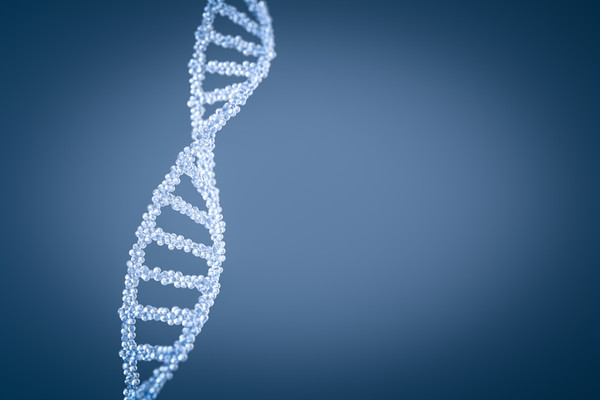
DNA 및 염색체 이상에 대한 연구
DNA와 염색체 이상에 대한 연구는 암유전학과 후성유전학(後成遺傳學 : DNA, RNA 또는 단백질 간의 공유 결합 변형을 통해, 일차 서열을 변경하지 않고 분자의 기능이나 조절을 변화시키는 유전학을 연구하는 학문이다)에 초점을 맞추고 있다. 주제에는 유전자 표현의 규제 즉 화학 물질과 물리적, 내인성 물질에 대한 노출에 의한 DNA 손상, DNA 손상 신호 및 DNA 수리의 메커니즘, 그리고 종양 형성 및 악성종양 진행 중 유전자의 불안정성 및 관련 분자, 세포유전학 및 염색체 영향이 포함된다.
이 영역의 연구는 DNA 및 염색체 이상 부서(DCAB)가 지원하고 지시한다.
이 페이지에서는 아래의 것들을 다룬다. :
•유전자 조절 및 후성유전학
•유전자 안정성의 기제(기전 : 메카니즘)
•암의 유전학
•DNA 손상 및 수리 기제
•DNA 손상 신호의 기제
•화학적이고 물리적 발암
유전자 조절과 후성유전학
유전자 조절과 후성유전자 연구는 암세포의 특징인 정상 세포 기능을 조절하는 세포 유전자의 비정상적인 표현에 초점을 맞추고 있다. 유전자 발현에 대한 조절은 히스톤 단백질로 조직하는 DNA의 능력을 유전자 발현에 허용된 고차 염색질 구조로 바꾸는 것을 포함한다.
주요 연구 분야는 다음과 같다.
•히스톤의 수정뿐 아니라 DNA와 RNA의 화학적이고 구조적인 수정과 세포핵의 조직 변화, 유전자 발현을 자극하거나 억제하는 비코딩 RNA의 변형 작용
•DNA의 메틸화 및 디메틸화와 히스톤의 메틸화, 디메틸화, 아세틸화, 디에틸화에 관여하는 효소
•고차 크로마틴 구조를 매개하거나 DNA 접근성 및 이질 크로마틴 조립을 제어하는 크로마틴 구조 단백질
•유전자 표현과 상호작용에 관련된 DNA의 주요 조절 영역의 특성
•유전자 표현 및 유전자 표적의 식별을 규제하는 비 코딩 RNA의 식별 및 역할
•진핵 전사자 가족의 식별, 작용 메커니즘 및 하류 효과
신흥 연구 영역에는 소아 고형암을 유발하는 후성유전학적 변화, 즉 이러한 수정을 읽고, 쓰고 지우는 것뿐 아니라 RNA(epitranscriptom)의 화학적 수정의 체계적인 특성화와 세대를 망라하는 후성유전적 유산을 확립하는 후성유전적 마크의 역할도 포함된다.
유전자 불안정성의 메커니즘
특정 염색체 이상은 종양 시작과 진행의 특징이다. 유전자 불안정성은 하나 또는 몇 개의 DNA 염기쌍의 국소화 된 점의 돌연변이에서부터 염색체의 삭제와 증폭, 역전, 변환과 이수성異數性 같은 큰 염색체 재배열에 이르기까지 광범위한 결함을 포함한다.
주요 연구 분야는 다음과 같다. :
• 유사 염색체 분리 및 염색체 불균형과 변환 및 취약한 부위와 관련된 기제/기전
•염색체의 변형 및 암의 시작 및 진행 시 텔로머라제( 말단소체복원효소末端小體復元酵素) 기능의 메커니즘
•크로마틴 조립체와 핵의 구조, 염색체 영역 및 크로마틴 영역 구조
•DNA 복제 스트레스 중에 발생하는 유전자의 불안정성
•유전자 불안정성을 촉진하는 종양 유전자의 역할
•부서지기 쉬우며 전좌轉座의 최적지인 DNA 손상 부위의 역할
•취약 부위를 생성하는 비전통적인 DNA 구조의 역할
신흥 연구 분야에는 게놈 불안정성에서의 DNA 수리 메커니즘의 역할, 세포 분화, 세포 사망, DNA 수리에 있어서의 염색체의 역할과 염색체 재배치 같은 치명적인 염색체 사고의 원인과 결과 등이 포함된다.
암 유전학
암유전학의 연구는 종양 시작과 진행에 관련된 유전자와 염색체 부위의 식별과 지도 만들기, 특징화에 초점을 맞추고 있다. 암세포에게 성장우위를 제공함으로써 종양생식을 촉진하는 추진자 돌연변이의 식별이 특히 관심사다.
주요 연구 분야는 다음과 같다.
•종양 내 유전적 이질성과 단세포 진화의 연구
•암 유전자 변이 및 단일 뉴클레오티드(핵산의 구성 성분) 다형 현상의 역할을 포함한 기능성 게놈학
•유전자 발견 및 알려진 암 유전자와 협력하는 부위를 식별하기 위한 모델 시스템 적용.
•방사선 및 화학적 노출에 의해 활성화 또는 억제된 유전자.
관심이 증대하는 분야는 염색체 변환이 종양 발생과 암 진행을 촉진하는 작용을 하는 역할이다.
DNA 손상 및 수리(복구)의 메커니즘
세포는 일반적으로 세포의 손상을 치료할 수 있는 DNA 치료 메커니즘을 가지고 있다. DNA 복제 및 전이 DNA 중합체의 충실도 변화와 DNA 수리 메커니즘(예: 뉴클레오티드 및 베이스 적출, 전사 결합, 재결합, 교차 링크, 불일치 수리 경로)을 포함한 발암 유도 및 내생적인 DNA 손상에 관한 연구는 손상된 세포는 수리되지 않는 환경을 더 잘 이해할 수 있게 한다.
주요 연구 분야는 다음과 같다.
•발암물질과 돌연변이 유발요인, 반응성 산소 종, 화학요법 제제, 이온화/비이온화 방사선에 의해 유발된 DNA 병변 및 DNA 파괴의 수리
•DNA의 병변에 의해 유도된 형태 변화와 변경된 핵 및 크로마틴의 온전함이 DNA 수리에 미치는 영향
새롭게 부상하는 영역은 복제 재시작과 암세포에서 흔히 발생하는 복제 스트레스 중에 발생하는 이중 스트랜드 브레이크의 동종 재조합 수리다. DNA 수리의 기본 메커니즘에 대한 이해는 암세포를 선택적으로 표적 삼는 전략을 설계하는 데 사용될 수 있다.
DNA 손상 신호의 메커니즘
DNA 손상 메커니즘에 대한 연구는 정상 및 변형된 인간 세포의 세포질과 미토콘드리아, 세포 주기의 다른 단계 동안의 모델 진핵 체계, 그리고 비 분열 느린 진행상태의 신호에 초점을 맞추고 있다.
주요 연구 분야는 다음과 같다.
•세포가 DNA 병변을 탐지하는 방법
•DNA 병변과 염색체 손상 및 복제 스트레스 유발 체크포인트 및 신호 전달과 DNA 손상 반응 유도 키나제
•DNA 손상 유발 세포 사망
•DNA 손상반응 체크포인트 실패 및 유사 재난
암세포가 암 표현 형태를 유지하기 위해 사용하는 하나의 메커니즘은 염색체 파괴의 손상된 회복이다. 새롭게 부상하는 연구 영역은 비 암세포에 거의 영향을 미치지 않으면서 암세포에 필수적인 경로를 억제하기 위해 DNA 수리나 DNA 손상 신호를 표적으로 삼는 치료전략의 설계다.
화학적 및 물리적 발암
중요한 연구 분야는 화학적, 물리적 발암물질이 암을 생성하고 촉진하는 메커니즘이다. 발암성 물질에는 화학적 돌연변이 유발인자와 담배 연기, 독소, 자외선, 방사선, 석면, 반응성 산화종이 포함된다.
주요 연구 분야는 다음과 같다.
•DNA 부산물 생성 또는 신호 경로 변경에 의한 발암 기제
•화학 발암물질의 형성, 검출 및 대사
•화학물질과 자외선, 이온화 방사선, 내생적 반응 산소종 등에 의해 유발되는 DNA 돌연변이 생성 및 산화 유인 DNA 병변 특성화 기제
•이온화제 또는 비 이온화제에 의한 암의 발생 및 촉진 기제
•발암물질에 대한 세포의 차이에 의한 민감성 및 이후 암으로의 진행
•화학물질 또는 물리적 약물에 의한 염증 반응의 변조
떠오르는 연구 분야는 전자담배나 물 담배와 같은 비전통적인 담배 제품의 독성이다.
게시: 2016년 8월 8일
DNA and Chromosome Aberrations Research
Posted: August 8, 2016
Research on DNA and chromosome aberrations focuses on cancer genetics and epigenetics. Topics include regulation of gene expression; DNA damage from exposure to chemical, physical, and endogenous agents; mechanisms of DNA damage signaling and DNA repair; and genomic instability and related molecular, cytogenetic, and chromosomal effects during tumor formation and progression to malignancy.
Research in this area is supported and directed by the DNA and Chromosome Aberrations Branch (DCAB).
On This Page
•Gene Regulation and Epigenetics
•Mechanisms of Genomic Instability
•Cancer Genetics
•Mechanisms of DNA Damage and Repair
•Mechanisms of DNA Damage Signaling
•Chemical and Physical Carcinogenesis
Gene Regulation and Epigenetics
Gene regulations and epigenetics research focuses on the aberrant expression of cellular genes that regulate normal cell function, which is a hallmark of cancer cells. The regulation of gene expression often involves altering the ability of the DNA to organize with histone proteins into a higher-order chromatin structure that is permissive for gene expression.
Key research areas include:
•Chemical and structural modifications of DNA and RNA, as well as modification of histones, changes in organization of the cell nucleus, and altered activity of non-coding RNAs that either stimulate or inhibit gene expression
•Enzymes involved in the methylation and demethylation of DNA and in the methylation, demethylation, acetylation, and deacetylation of histones
•Chromatin architectural proteins that mediate higher-order chromatin structure or control DNA accessibility and heterochromatin assembly
•Characterization of major regulatory regions of DNA involved in gene expression and their interacting proteins
•Identification and role of non-coding RNAs in regulating gene expression and identification of their gene targets
•Identification, mechanism of action, and downstream effects of families of eukaryotic transcription factors
Emerging research areas include epigenetic changes that drive pediatric solid tumors; the systematic characterization of chemical modifications of RNA (epitranscriptome) as well as the readers, writers, and erasers of these modifications; and the role of epigenetic marks in establishing transgenerational epigenetic inheritance.
Mechanisms of Genomic Instability
Certain chromosomal aberrations are hallmarks of tumor initiation and progression. Genomic instability encompasses a wide spectrum of defects ranging from localized point mutations of one or a few DNA base pairs to large chromosomal rearrangements, such as deletions, amplifications, inversions, translocations, and aneuploidy.
Key research areas include:
•Mechanisms involved in mitotic chromosome segregation and chromosome imbalance, translocations, and fragile sites
•Telomere alterations and mechanisms of telomerase function in cancer initiation and progression
•Chromatin assembly, nuclear architecture, chromosome territories, and chromatin domain structure
•Genomic instability arising during DNA replication stress
•Role of oncogenes in promoting genomic instability
•Role of DNA fragile sites, which are regions of the chromosome that are prone to breakage and are hotspots for translocations
•Role of nonconventional DNA structures in generating fragile sites
Emerging research areas include understanding the role of DNA repair mechanisms in genomic instability; the roles of telomeres in cell differentiation, cell death, and DNA repair; and the cause and consequences of catastrophic chromosomal events like chromothripsis.
Cancer Genetics
Research in cancer genetics focuses on the identification, mapping, and characterization of genes and chromosomal regions involved in tumor initiation and progression. The identification of driver mutations that promote tumorigenesis by providing a growth advantage to cancer cells is of particular interest.
Key research areas include:
•Studies of intra-tumoral genetic heterogeneity and clonal evolution
•Functional genomics, including the role of cancer gene variants and single nucleotide polymorphisms
•Application of model systems for gene discovery and genetic screens to identify loci that cooperate with known cancer genes
•Genes activated or repressed by radiation and chemical exposure
An emerging area of interest is the role that chromosome translocations play in driving tumorigenesis and cancer progression.
Mechanisms of DNA Damage and Repair
Cells typically have DNA repair mechanisms by which they can repair damage to a cell when it occurs. Studies on carcinogen-induced and endogenous DNA damage, including altered fidelity of DNA replication and translesion DNA polymerases, as well as DNA repair mechanisms (e.g., nucleotide and base excision, transcription-coupled, recombination, cross-link, and mismatch repair pathways) lead to better understanding of the circumstances under which damaged cells fail to be repaired.
Key research areas include:
•The repair of DNA lesions and DNA breaks induced by carcinogens, mutagens, reactive oxygen species, chemotherapeutic agents, and ionizing/non-ionizing radiation
•Lesion-induced conformational changes in DNA and how altered nuclear and chromatin integrity affect DNA repair
An emerging area is the homologous recombination repair of double-strand breaks in replication restart and during replication stress common in cancer cells. An understanding of the underlying mechanisms of DNA repair can be used to design strategies to selectively target cancer cells.
Mechanisms of DNA Damage Signaling
Studies on the mechanisms of DNA damage focus on signaling in both the cytoplasm and mitochondria of normal and transformed human cells, in model eukaryotic systems during different phases of the cell cycle, and in non-dividing indolent states.
Key research areas include:
•How cells detect DNA lesions
•DNA lesion, chromosomal damage, and replication stress-induced checkpoints and signal transduction, including activation of DNA damage response (DDR)-induced kinases
•DNA damage-induced cell death
•DDR checkpoint failure and mitotic catastrophe
One mechanism that cancer cells use to maintain their cancerous phenotype is compromised repair of chromosome breaks. An emerging research area is the design of therapeutic strategies that target either DNA repair or DNA damage signaling to inhibit pathways that are vital for cancer cells with little effect on non-cancerous cells.
Chemical and Physical Carcinogenesis
An important area of study is the mechanisms by which chemical and physical carcinogens initiate and promote cancer. Carcinogenic agents include chemical mutagens, tobacco smoke, toxins, ultraviolet light, radiation, asbestos, and reactive oxidative species.
Key research areas include:
•Mechanisms of carcinogenesis by DNA adduct generation or alteration of signaling pathways
•Formation, detection and metabolism of chemical carcinogens
•Mechanisms of DNA mutagenesis and characterization of oxidant-induced DNA lesions induced by chemicals, ultraviolet light, ionizing radiation, and endogenous reactive oxygen species
•Mechanisms of cancer initiation and promotion by ionizing or non-ionizing agents
•Differential susceptibilities of cells to carcinogens and subsequent progression to cancer
•Modulation of the inflammatory response by chemical or physical agents
An emerging research area is the toxicity of nontraditional tobacco products like electronic cigarettes and water pipes.
이 글은 2020년 4월 작성 시점의 정보입니다. 치료 기준·급여 정보는 바뀌었을 수 있으니, 진료와 치료 결정은 반드시 담당 의료진과 상의하세요.