코로나19 유행 중 암환자 가족과 간병인 어떻게 해야 하나
2020.03.31 · 전영조 전문위원
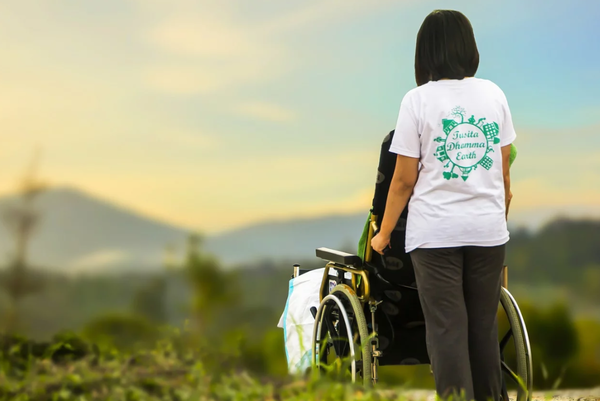
코로나바이러스 유행 중의 암 환자 돌보기
코로나바이러스 유행병 때문에 암에 걸린 사람을 돌보는 일은 더욱 심각해졌다. 당신이 돌보는 사람은 종종 암 자체와 암 치료제가 환자의 면역 체계를 약화시키기 때문에 COVID-19에 감염될 위험이 높다.
나이가 더 들거나 건강 상태가 좋지 않으면 더 위험해질 수 있다. 건강하게 지내는 것은 당신과 당신이 아끼는 사람을 보호한다. 그것은 환자와 간병인 둘 다 병에 걸리지 않도록 추가적인 조치를 취하는 것을 의미한다.
림프종과 다발성 골수종, 대부분의 백혈병 등 특정 암에 걸린 사람들이 감염 위험이 가장 높다. 이러한 암은 면역체계를 제대로 작동하지 못하게 만드는 변화를 일으킨다. 최근에 암 수술을 받은 사람들과 화학 요법, 방사선요법, 표적 치료 또는 면역 치료를 받고 있는 사람들 또한 더 큰 위험에 처할 수 있다. 줄기세포나 골수 이식과 같은 일부 치료법은 면역체계의 장기적인 약화를 야기할 수 있는 많은 양의 약을 투여하는 것을 포함한다. 그러나 치료를 마친 대부분의 사람들(특히 수년 전이라면)은 아마도 정상으로 되돌아간 면역체계를 가지고 있을 것이다.
만약 여러분이 돌보고 있는 사람(환자)이 면역력이 약해졌는지 확실하지 않다면, 환자의 의료진에게 물어보라. 그들의 보험이 원격진료의 적용이 되는지, 그리고 암 치료 팀이 이 기간 동안 환자와의 의사소통을 돕기 위해 원격진료 시스템을 가동하고 있는지 알아보는 것도 좋은 생각이다.
당신이나 당신이 돌보고 있는 사람, 또는 집안의 다른 누군가가 아플 경우를 대비하여 백업(비상조치) 계획을 준비하라.
질병 위험의 감소
가능한 한 집에 머물면서 가능한 한 사람들과의 연락을 줄인다. 암 치료 팀과 계속 연락하고 치료 계획에 변경이 생길 때에 대비할 준비를 하라. 하고 싶은 질문 목록을 읽어보라.

자신(간병인)과 당신이 아끼는 사람(환자)을 보호하기 위한 추가 단계를 수행하라
. 여행을 가지 말라. 여행과 집을 떠나는 것에 대한 주 및 지역의 규칙을 따르라. 군중과 공공장소를 피하라. 되도록 외출을 줄여라. 진료 예약을 유지해야 하는지 연기해야 하는지 암 관리 팀에 문의하라. 만약 여러분이 밖에 나갈 필요가 있다면, 손을 씻기 위해 최소한 60% 농도의 알코올로 손 세정을 하고 집에 도착하면 비누와 물로 씻으라.
. 만약 의사가 치료 약속을 지키길 원한다면, 오직 한 명의 간병인만 따라가야 한다. 아프거나 증상이 있는 사람은 암 치료센터에 가면 안 된다. 일부 센터에서는 건물 내 간병인을 전혀 허용하지 않을 수 있으므로 문에서 검진을 받거나 밖에서 기다려야 할 준비를 하라.
. 집에서는 문의 손잡이, 핸드폰, 리모컨, 컴퓨터 키보드, 다른 사람이 사용하는 물건 등 많이 만지는 물건에 대해 정기적으로 가정용 살균제를 사용한다.
. 외출해야 할 경우에는 집에 도착하자마자 비누와 물로 손을 씻고, 집에 가지고 온 물건(지갑, 지갑, 휴대폰 포함)을 닦은 후 다시 손을 씻는다.
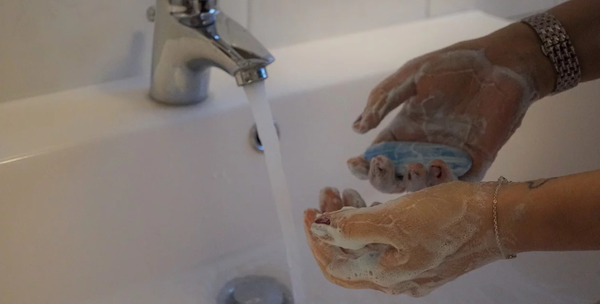
. 집에 있을 때, 적어도 20초 동안 비누와 물로 자주 손을 씻어라. 특히 식사 전이나 얼굴에 닿기 전에는 꼭 손을 씻는다.
. 화장실을 사용하거나 코를 풀거나 기침을 하거나 재채기를 한 후 손을 씻는다.
동물을 만지거나, 쓰레기를 모으거나, 쓰레기를 버린 후에 손을 씻는다.
. 다른 사람이 사용하는 물건을 만진 후에 손을 씻는다.
만약 간병인이 코로나바이러스에 노출되었다면
만약 당신이 코로나바이러스에 노출된 것을 알게 되면, 당신 주치의와 당신이 돌보고 있는 사람(환자)의 암 치료 팀에 즉시 알리라. 그들은 당신의 다음 단계를 안내해 줄 것이다.
만약 코로나바이러스 증상이 나타나면
만약 당신이나 당신이 돌보고 있는 사람이 COVID-19 증상을 보인다면, 당신의 주치의와 암 치료 팀에 전화해서 그들이 당신을 도울 수 있도록 하라. 의학적인 주의가 필요한 가장 흔한 증상은 발열과 기침, 그리고 호흡장애다. 어떤 사람들은 이러한 다른 증상들이 일어나기 전에 설사를 하거나 메스꺼움을 느낄 수도 있다.
어떤 증상은 더 심각하고 당장 도움을 받아야 한다는 것을 의미한다. 만약 당신이 당신 자신이나 당신이 돌보고 있는 사람에게서 다음과 같은 증상을 발견하고 당신이 응급실에 가야 한다고 느낀다면, 먼저 의사에게 전화하라. 이렇게 하면 당신과 당신이 돌보고 있는 사람, 응급실에 있는 최초 대응자, 의료진, 그리고 다른 사람들을 보호할 수 있다.
COVID-19의 심각한 징후와 증상은 다음과 같다.
. 호흡 장애 또는 숨 가쁨
. 가슴의 끊임없는 통증이나 압박감
. 새로운 혼란이나 깨우기 힘 듬
. 입술 또는 얼굴이 창백해짐
만약 가정의 누군가가 가벼운 증상으로 아프고 의사가 그들에게 집에 있으라고 말한다면, 질병관리본부의 지침을 따르라.
. 가능한 한 다른 사람들과 격리된 방에 머무르도록 한다.
. 가능한 경우 화장실과 침실을 별도로 사용하도록 하고, 식기와 집기, 수건, 침구 등 개인용 가재도구를 공유하지 않도록 한다.
. 만약 마스크가 가능하다면, 다른 사람들 주변에 있을 때 마스크를 착용하도록 하라.
. 만약 그들이 비누와 물을 사용할 수 없다면, 손을 자주 씻도록 하거나 적어도 60% 농도의 알코올로 손 세정을 하라.
. 특히 아픈 사람과 함께 지낸 후에는 손을 자주 씻고, 눈, 코, 입을 만지는 것을 피한다.
. 카운터, 태블릿PC, 전화기, 손잡이 등 자주 접촉하는 모든 표면을 정기적으로 청소한다.
. 세탁을 철저히 한다. 세탁할 때는 일회용 장갑을 착용하라. 장갑을 벗은 후에는 손을 씻어라.
그 외에 간병인이 할 수 있는 일
거의 모든 사람들이 코로나바이러스로 인해 병에 걸릴 위험이 있다. 하지만 정보를 유지하고 건강한 습관을 지키는 것이 도움이 될 수 있다. 이것은 당신이 아끼는 사람뿐만 아니라 당신에게도 적용된다.
. 지역과 정부의 최신 정보를 지속적으로 숙지하여 환자의 일상 활동을 안내하라.
. 충분한 수면을 취하라. 질병통제예방센터는 성인들이 매일 밤 7시간에서 9시간을 가질 것을 권장한다.
. 많은 과일, 야채, 통 곡물과 함께 건강한 식단을 섭취하라. 정제된 곡물이나 붉은 색 고기(소고기, 돼지고기, 양고기)와 가공육(핫도그, 햄, 베이컨, 소시지, 약간의 조리육류), 디저트, 고지방 유제품, 튀긴 음식은 덜 섭취한다.
. 물을 더 마시고, 설탕이 든 음료수를 덜 마시고, 술을 덜 마셔라.
. 규칙적인 운동량을 계속하라. 할 수 있으면 조금 더 운동하라.
. 가족과 친구들과 계속 연락하고 지내라.
. 자신의 감정적인 건강을 돌본다.
작성자 : 스테이시 사이먼 (선임 편집자, 뉴스)
올리기 : 2020년 3월 24일
Cancer Caregiving During the Coronavirus Outbreak
Written By:
Stacy Simon
Senior Editor, News
March 24, 2020
Caring for someone with cancer has become even more serious because of the coronavirus pandemic. The person you care for may be at high risk of infection with COVID-19 because cancer and cancer treatments often weaken their immune systems. You may be at higher risk yourself if you are older or have an underlying health condition. Staying healthy protects you and the person you’re caring for. That means taking extra steps to keep both of you from getting sick.
People with certain cancer types, including lymphomas, multiple myeloma, and most types of leukemia are at the highest risk for infections. These cancers cause changes that make the immune system unable to work as well as it should. People who have recently had surgery for cancer and those in active treatment who are getting chemotherapy, radiation, targeted therapy, or immunotherapy may also be at higher risk. Some treatments, such as stem cell or bone marrow transplants, involve giving high doses of drugs that may cause long-term weakening of the immune system. But most people who have finished treatment (especially if it was years ago) probably have an immune system that’s back to normal.
If you aren’t sure whether the person you’re caring for has a weakened immune system, ask their health care team. It’s also a good idea to find out if their insurance covers telehealth, and if the cancer care team is using it to help communicate with patients during this time.
Have a back-up plan ready in case you, the person you’re caring for, or someone else in the household gets sick.
Lower the risk of illness
Stay home as much as you can and have contact with as few people as possible. Stay in touch with the cancer care team and be ready for possible changes to treatment plans. Read our list of questions you may want to ask.
Take these extra steps to protect yourself and the person you’re caring for:
. Don’t travel. Follow your state and local rules about traveling and leaving your home. Avoid crowds and public places. Go out as little as possible. Ask the cancer care team if medical appointments should be kept or postponed. If you do need to go out, take hand sanitizer with at least 60% alcohol to clean your hands and then wash with soap and water when you get home.
. If the doctor wants to keep treatment appointments, only one caregiver should go along. No one who is sick or has any symptoms should go to a cancer treatment center. Be prepared to be screened at the door or to have to wait outside because some centers may not allow caregivers in the building at all.
. At home, use household disinfectants regularly on things that you touch a lot, such as door handles, cell phones, remote controls, computer keyboards, and any items that are used by other people.
. If you have to go out, wash your hands with soap and water as soon as you get home, wipe down the items you’ve brought home (including your purse, wallet, and cell phone), and wash your hands again after wiping them down.
. When at home, wash your hands often with soap and water for at least 20 seconds, especially before eating and before touching your face.
. Wash your hands after using the bathroom, blowing your nose, coughing, or sneezing.
. Wash your hands after touching animals, collecting trash, or taking out garbage.
. Wash your hands after touching items used by others.
. Read more about more ways to help someone with cancer lower their risk of infection.
If you’ve been exposed to coronavirus
If you find out you’ve been exposed to coronavirus, notify your doctor and the cancer care team of the person you’re caring for right away. They will help guide you in your next steps.
If coronavirus symptoms develop
If you or the person you’re caring for has symptoms of COVID-19, call your doctor and the cancer care team and let them help you. The most common symptoms that need medical attention are fever, cough, and feeling short of breath. Some people may also have diarrhea or nausea before these other symptoms occur.
Some symptoms are more serious and mean you need to get help right away. If you notice the following symptoms in either yourself or the person you’re caring for and feel you need to go to an emergency room, call the doctor or 911 first. This way you, the person you’re caring for, the first responders, the medical staff, and other people in the emergency room can be protected. Serious signs and symptoms of COVID-19 include:
. Trouble breathing or shortness of breath
. Constant pain or pressure in the chest
. New confusion or being hard to wake
. Bluish lips or face
If anyone in the household gets sick with mild symptoms and the doctor tells them to stay at home, follow guidelines from the Centers for Disease Control and Prevention (CDC).
. Have the person stay in one room, away from other people, as much as possible.
. Have the person use a separate bathroom and bedroom if possible, and avoid sharing personal household items including dishes, utensils, towels, and bedding.
. If facemasks are available, have the person wear a facemask when they are around others.
. Have the person wash their hands often or use hand sanitizer with at least 60% alcohol if they cannot get up to use soap and water.
. Wash your hands often, especially after you’ve been with the sick person, and avoid touching your eyes, nose, and mouth.
. Regularly clean all surfaces that are touched often, such as counters, tabletops, phones, and doorknobs.
. Wash laundry thoroughly. Wear disposable gloves while doing laundry if you have them. After you take the gloves off, wash your hands.
What else you can do
Almost everyone has some risk of getting sick from the coronavirus. But staying informed and having healthy habits can help. This goes for you as well as the person you’re caring for.
. Stay informed about local, state, and federal information to help guide your daily activities.
. Get plenty of sleep. The CDC recommends adults get between 7 and 9 hours each night.
. Eat a healthy diet, with lots of fruits, vegetables, and whole grains. Eat less refined grains, red meat (beef, pork, and lamb) and processed meat (hot dogs, ham, bacon, sausage, and some deli meats), desserts, high-fat dairy products, and fried foods.
. Drink more water, less sugary drinks, and less alcohol.
. Keep getting your regular amount of exercise. Add a little more if you can.
. Stay in touch with family and friends.
. Take care of your emotional health.
이 글은 2020년 3월 작성 시점의 정보입니다. 치료 기준·급여 정보는 바뀌었을 수 있으니, 진료와 치료 결정은 반드시 담당 의료진과 상의하세요.