[미국암협회] 신형 코로나바이러스 발병에 대한 일반적인 질문
2020.03.24 · 전영조 전문위원
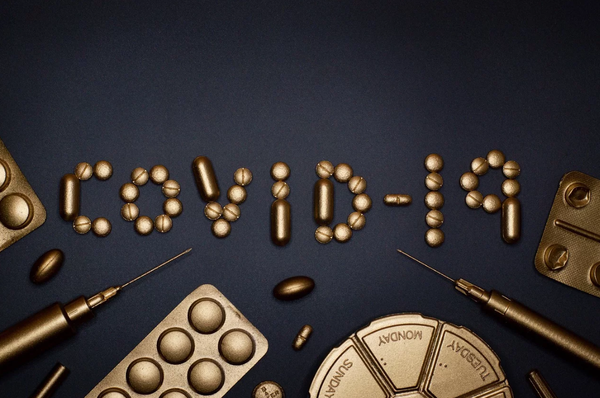
새로운 코로나바이러스 발병에 대한 일반적인 질문
COVID-19라고 불리는 새로운 코로나바이러스 질환의 발병은 암 환자와 가족, 간병인을 포함한 많은 사람들에게 심각한 영향을 미치고 있다. 암 환자들은 자신의 면역체계가 종종 암과 암 치료 때문에 약화되기 때문에 감염으로 인해 심각한 질병의 위험이 높은 사람들 중 하나이다. 과거에 암 치료를 받았던 사람들(특히 수년 전이라면)은 대부분 면역 기능이 정상일 가능성이 높지만 사람마다 다르다. 현재 치료 중이든 아니든 모든 암 환자와 암 생존자들은 그들의 상황과 의료 기록을 이해하는 의사와 대화하는 것이 중요하다.
환자와 보호자 모두 COVID-19에 걸릴 위험을 낮추기 위해 예방 조치를 취하는 것도 중요하다. 미국 질병통제예방센터(CDC)는 COVID-19 감염을 포함한 심각한 질병의 위험에 처한 사람들을 위한 구체적인 권고안을 갖고 있다.
세계보건기구(WHO)는 COVID-19의 확산이 대유행의 수준에 이르렀다고 발표했다. CDC는 대유행을 "여러 국가나 대륙에 퍼져서 보통 많은 사람들에게 영향을 미치는 전염병"이라고 말하고 있다. 초기 사례의 압도적 다수는 중국이었지만 한국, 이란, 이탈리아 등 다른 나라들도 COVID-19가 크게 확산됐다. 이 신형 코로나바이러스는 또한 미국 전역으로 퍼져나갔다. 보건 관계자들은 바이러스의 확산을 늦추기 위해 집에서 일할 것과 학교 교육을 하는 것을 포함해 가능한 한 집에 머물 것을 권고하고 있다.
이 병의 발병에 대한 뉴스는 매일 심지어 매 시간마다 변화하고 있지만, 병에 걸리는 것을 예방하기 위해 할 수 있는 것과 할 수 없는 것에 대한 몇 가지 기본적인 사실을 알아두는 것은 매우 큰 힘이 될 수 있다.
어떻게 하면 나 자신과 다른 사람들이 COVID-19에 걸리지 않도록 보호할 수 있을까?
△ 질병통제예방센터(CDC)와 세계보건기구(WHO)에 따르면, 우리 모두가 감염될 위험을 낮추기 위해 할 수 있는 일이 있다.
△ 적어도 20초 동안 비누와 물로 손을 자주 씻는다. 이는 손에 묻은 세균을 죽이고 세균이 다른 사람에게 퍼지는 것을 막는 가장 좋은 방법 중 하나이기 때문이다. 비누와 물을 쉽게 구할 수 없는 경우에는 알코올이 60% 이상 함유된 손 세정제를 사용하라.
△ 바이러스에 감염되면 바이러스가 몸속으로 침투할 수 있기 때문에 눈, 코, 입을 만지는 것을 피하라.
△ 아픈 사람, 특히 기침이나 재채기를 하는 사람으로부터 1.8m(6피트)이내의 가까운 접촉을 피한다.
△ 기침이나 재채기를 할 때는 휴지로 가린 다음, 휴지를 쓰레기통에 버리거나, 기침이나 재채기를 할 때는 팔꿈치로 가린다.
△ 악수를 피한다.
△ 가능한 한 집에 머무르며 10명 이상의 그룹으로 모이지 않도록 한다.
△ 아플 때는 집에 있어라.
△ 노인들은 의사 방문 시 직접 가지 않고 원격 건강 서비스를 이용하고 담당 의사를 "원격진료"를 통하여 보도록 권장한다. 메디케어(노인의료보험제도)는 일시적으로 텔레헬스(원격 의료 : 위성방송수신 안테나, 컴퓨터, 영상회의 장비를 이용하여 멀리 있는 환자에게 제공하는 의료 서비스) 서비스의 범위를 넓혔다. 다른 건강보험 제공자들도 같은 일을 하고 있을 것이다.
△ 일반 가정용 세정 스프레이 또는 물티슈를 사용하여 자주 접촉하는 물체와 표면을 청소하고 소독한다.
△ 불필요한 여행은 피한다. 해당 지역 또는 주 당국에 문의하라. 만약 당신이 미국 밖으로 나갈 계획이었다면, 국무부는 지금 미국 시민들에게 모든 국제 여행을 피하라고 충고하고 있다.

COVID-19의 증상은 무엇인가?
노출 후 2-14일 후에 나타날 수 있는 COVID-19의 가장 일반적인 증상은 다음과 같다.
△ 발열
△ 기침
△ 호흡장애
△ 어떤 환자들은 이런 증상이 일어나기 전에 설사나 메스꺼움을 겪을 수도 있다.
기타 증상에는 다음이 포함될 수 있다.
△ 몸살 및 통증.
△ 코 막힘
△ 콧물
△ 인두 염증
이런 증상이 있으면 의사에게 연락하라.
본인 또는 여러분이 돌보고 있는 사람이 COVID-19의 다음과 같은 심각한 징후와 증상을 가지고 있다면 즉시 의사의 진찰을 받으라.
△ 호흡 장애 또는 숨 가쁨
△ 가슴의 끊임없는 통증이나 압박감
△ 혼란이나 잠깨기 장애
△ 입술 또는 얼굴이 창백해짐
"우리는 암 환자들을 돌보는데 상당한 차질을 빚게 될 시기로 향하고 있다"고 미국 암 협회의 수석 의료 책임자인 렌 리히텐펠드 박사는 말했다. "어떤 사람들에게는 선택적 수술을 받는 것이 지연되는 것을 의미할 수도 있다. 다른 사람들에게는 암이 재발하지 않도록 하기 위한 예방적 치료나 보조적 화학 요법을 지연시키는 것일 수도 있다. 약속을 다시 잡아야 할지도 모른다"고 했다.
리히텐펠드 박사는 암 치료 팀이 가장 도움이 필요한 사람들에게 치료를 제공하기 위해 최선을 다할 것이라고 말했다. 하지만 그런 상황에서도 평소와 같은 생활은 아닐 것이다. "이 대유행을 겪으면서 모든 사람들의 인내심을 필요로 할 것입니다"라고 그는 덧붙였다. "당신의 최선의 행동 방침을 결정하기 위해서는 당신의 암 치료 팀과 접촉을 유지하는 것이 중요하다. 이것은 응급상황이 아닌 후속 진료 방문이나 가상으로 당신의 진료 팀과 대화하는 것을 포함할 수 있다. 그러니 누구를 불러야 암 치료 팀에 연락해서 진행 방법을 알아내는 것이 중요하다."
리히텐펠드 박사는 이런 상황들이 해결되려면 수개월이 걸릴 것이며, 그 후에도 암 환자들이 치료를 받는 방식에 변화가 계속될 것이라고 덧붙였다.
이 대유행 기간 동안에도 사람들은 여전히 암 검진을 받아야 하는가?
보건 관계자들은 모든 사람들에게 COVID-19에 노출될 위험을 더 줄이기 위해 가능한 한 집에 머물 것을 촉구하고 있다. 암 검진 예정이라면 어떻게 해야 할까?
미국 암 협회의 최고 암 관리 책임자인 리차드 웬더 박사에 따르면, "미국 암 협회는 현재 어느 누구도 일상적인 암 검진을 위해 건강관리 시설에 가서는 안 된다고 권고하고 있다." 이것은 만약 당신이 유방, 대장, 자궁경부, 폐암을 찾아내기 위해 검사를 받아야 한다면 가까운 장래에 약속을 연기해야 한다는 것을 의미한다. "기억하라, 이런 검진검사들이 생명을 구한다는 걸" 웬더 박사는 "제한이 풀릴 때, 받아야 할 모든 선별 시험 일정을 다시 잡는 것이 중요하다"고 말했다. "암 검진을 다시 시작하는 것이 높은 우선순위가 되어야 합니다"라고 그는 덧붙였다.
검진검사는 만약 당신이 암에 걸릴 수 있는 증상이 있다면 의사가 지시할 수 있는 검사와는 다르다. 만약 여러분이 염려하는 증상이 있다면, 지금 이 시간에 여러분을 위한 최선의 행동 방침에 대해 여러분의 의료진에 문의하라.
코로나바이러스란 무엇인가?
코로나비러스는 일반적인 감기를 유발할 수 있는 바이러스 계열이며, 중증급성호흡기증후군(SARS), 중동호흡기증후군(MERS)과 같은 더 심각한 호흡기 질환도 있다. 최초의 코로나바이러스는 1960년대에 발견되었다.
COVID-19란?
COVID-19는 신형 코로나바이러스에 의해 발생하여 대 발병을 일으킨 병명으로, 2019년 12월 중국에서 처음 보고되었다. 이 새로운 코로나바이러스의 이름은 'SARS-CoV-2'이다.
질병통제예방센터(CDC)의 수석 부책임자인 앤 슈차트 박사는 일부 사람들이 COVID라고만 부르는 이 새로운 COVID-19 질병은 "일반적인 감기나 독감과 비슷한 방식으로 퍼진다"고 말한다.
COVID-19의 질병은 얼마나 심각한가?
"신형 코로나바이러스에 감염된 대다수의 사람들은 가벼운 증상으로부터 중급의 증상을 경험하게 될 것이고, 그들의 치료는 집에 머물며 심각한 감기나 독감에 걸린 것처럼 그들의 증상을 치료하게 될 것입니다"라고 박사는 말했다. 앤서니 포시 국립보건원 알레르기 감염병 연구소(NIAID) 소장은 성명을 통해 이같이 밝혔다. "일부 개인들, 특히 의학적으로 연약할 수 있는 사람들의 경우, 그들은 입원 가능성을 포함한 의학적 치료를 필요로 할 것이다"
CDC와 WHO는 중국에서 지금까지 본 사례들을 토대로 노인들과 면역력이 약한 사람들이 이 새로운 바이러스에 감염되면 심각한 합병증에 걸릴 위험이 더 크다고 말한다. CDC는 심각한 COVID-19 질환에 대한 가능한 위험 요소에는 노령 및 폐질환, 암, 심장병, 신장병, 간질환, 당뇨병, 임신과 같은 만성 질환이 포함될 수 있지만 이에만 국한되지 않는다고 말했다.
바이러스는 어떻게 퍼지는가?
CDC에 따르면 바이러스는 주로 대인 접촉을 통하여 퍼진다. 감염된 사람이 기침이나 재채기를 할 때, 그 바이러스는 호흡기 비말로 퍼질 수 있다.
이 비말들은 (약 6피트 이내) 가까이 접하는 사람들의 입이나 코에 닿아 감염될 수 있다. 이 비말들은 또한 사람들이 만질 수 있는 인체표면에 안착할 수 있다. 만약 사람이 입이나 코를 만진다면, 이것은 잠재적으로 감염으로 이어질 수 있다.
수혈로도 COVID-19에 걸릴 수 있을까?
미국 적십자에 따르면, 이 새로운 코로나바이러스가 수혈을 통해 전염될 수 있다는 증거는 없다고 한다.
새로운 코로나바이러스 백신은 있나?
COVID-19를 유발하는 바이러스에 대한 백신은 아직 없다. 몇몇 제약 회사들이 백신을 연구하고 있다. COVID-19 백신에 대한 첫 임상시험은 3월 중순에 시작되었다. 그러나 국립보건원의 파우치 박사에 따르면 백신이 나오기까지는 적어도 1년 또는 1년 반이 걸릴 것이라고 한다.
COVID-19를 치료하는 약이 있는가?
현재 일부 약물은 이 질병의 증상을 치료하는데 도움이 될 수 있지만, FDA가 승인한 COVID-19 치료제는 없다.
항생제는 바이러스가 아닌 박테리아에 의한 감염만을 치료하기 때문에 COVID-19에 도움이 되지 않는다.
COVID-19의 가능한 치료법으로 말라리아 치료제 승인을 받은 클로로퀸이라는 약이 연구되고 있다. 이미 FDA의 승인을 받아 다른 질병을 치료하고 있기 때문에 일부 의사들은 COVID-19를 앓고 있는 특정 환자들에게 이 병을 치료하고 있다. 의사들이 클로로킨이 COVID-19에 효과적이라는 것을 알기 위해서는 임상실험에서 그것을 연구하는 것이 여전히 필요하다.
임상시험에서도 몇 가지 신약이 연구되고 있다.
현재 온라인과 다른 곳에서 나타나고 있는 일부 주장에도 불구하고, 어떤 음식이나 다른 보충제도 COVID-19에 대해 도움이 되는 것으로 나타나지 않았다.
세계보건기구는 당신이 새로운 코로나바이러스가 어떻게 전염되거나 치료되는지에 대해 들었을지도 모르는 몇몇 허황된 주장들을 해명하기 위해 신화들을 깰 목록을 가지고 있다.
몇 가지 일반적인 질문에 대한 보다 자세한 응답을 포함한 최신 정보는 다음 웹 사이트를 방문하라.
△ 미국 질병통제예방센터(CDC)
△ 세계보건기구(WHO)
출처 : 미국 암협회
작성자 : 미리엄 팔코 (미국 암 협회 컨텐츠 관리 이사)
게재 : 2020년 3월 21일
Common Questions About the New Coronavirus Outbreak
Written By:
Miriam Falco
Managing Director, Content
March 21, 2020
The outbreak of the new coronavirus disease, called COVID-19, is having a serious impact on many people, including cancer patients, their families, and caregivers. Cancer patients are among those at high risk of serious illness from an infection because their immune systems are often weakened by cancer and its treatments. Most people who were treated for cancer in the past (especially if it was years ago) are likely to have normal immune function, but each person is different. It's important that all cancer patients and survivors, whether currently in treatment or not, talk with a doctor who understands their situation and medical history.
It's also important that both patients and their caregivers take precautions to lower their risk of getting COVID-19. The US Centers for Disease Control and Prevention (CDC) has specific recommendations for people at risk for serious illness, including COVID-19 infection.
The World Health Organization (WHO) has announced that the spread of COVID-19 has reached the level of a pandemic. The CDC describes a pandemic as an “epidemic that has spread over several countries or continents, usually affecting a large number of people.” The overwhelming majority of early cases were in China, but other countries, including South Korea, Iran, and Italy, have also had significant spread of COVID-19. This new coronavirus has also spread across the United States. Health officials are recommending people stay at home as much as possible, including working and schooling from home to slow the spread of the virus.
While the news about this outbreak is changing daily, even hourly, knowing some basic facts about what can and cannot be done to prevent getting sick can be very empowering.
How can I protect myself and others from getting COVID-19?
According to the CDC and WHO, there are things all of us can do to help lower the risk of being infected (and infecting others):
. Wash your hands frequently with soap and water for at least 20 seconds because it’s one of the best ways to kill germs on your hands and prevent the spread of germs to others. If soap and water are not readily available, use an alcohol-based hand sanitizer with at least 60% alcohol.
. Avoid touching your eyes, nose, and mouth because if you picked up the virus, you could infect yourself by allowing the virus to enter your body.
. Avoid close contact – being within 6 feet - from people who are sick, especially those who are coughing or sneezing.
. Cover your cough or sneeze with a tissue, then throw the tissue in the trash, or cough or sneeze into your elbow.
. Avoid shaking hands.
. Stay at home as much as possible and avoid gathering in groups of more than 10 people.
. Stay home when you are sick.
. Older adults are encouraged to take advantage of telehealth services and "see" their doctors without going in person for an office visit. Medicare has temporarily expanded its coverage of telehealth services. Other health insurance providers may be doing the same.
. Clean and disinfect frequently touched objects and surfaces using a regular household cleaning spray or wipes.
. Avoid non-essential travel. Check with the authorities in your area or state. If you were planning on going outside the US, the State Department is now advising US citizens to avoid all international travel.
What are the symptoms of COVID-19?
The most common symptoms of COVID-19, which may appear 2-14 days after exposure, are:
. Fever
. Cough
. Shortness of breath
Some patients may have diarrhea or nausea before these symptoms occur.
Other symptoms can include:
. Body aches and pains
. Nasal congestion
. Runny nose
. Sore throat
Contact your doctor if you have any of these symptoms.
If you or the person you’re caring for has any of the following serious signs and symptoms of COVID-19, get medical attention right away:
. Trouble breathing or shortness of breath
. Constant pain or pressure in the chest
. New confusion or being hard to wake
. Bluish lips or face
What else do cancer patients need to know about the coronavirus?
The COVID-19 outbreak is still new, so doctors do not have a lot of specific information on this coronavirus for cancer patients. But they do have a lot of information regarding the risk of infections in general for cancer patients.
Doctors and health officials agree the best way to prevent illness is to avoid being exposed to this virus, which is especially important for cancer patients because they are at higher risk for serious illness, if they get infected, particularly patients who are in active chemotherapy and bone marrow transplant patients. That’s because their immune systems can be severely weakened by the treatment.
The CDC is now recommending that health care facilities and doctors prioritize urgent and emergency visits and procedures for the coming several weeks.
“We're headed for a time when there will be significant disruptions in the care of patients with cancer,” says Dr. Len Lichtenfeld, Deputy Chief Medical Officer for the American Cancer Society. “For some it may mean a delay in having elective surgery. For others it may be delaying preventive care or adjuvant chemotherapy that’s meant to keep cancer from returning.” You may need to reschedule appointments.
Lichtenfeld says cancer care teams are going to do to the best they can to deliver care to those most in need. However, even in those circumstances, it won’t be life as usual. “It will require patience on everyone’s part as we go through this pandemic,” Lichtenfeld adds. “It is important to maintain contact with your cancer care team to determine the best course of action for you. This may involve non-urgent follow up visits or talking to your care team virtually and not physically going to the clinic. So, it’s important to know who to call to reach your cancer care team to find out how to proceed.”
Lichtenfeld adds, “These circumstances will take months to resolve, and even then, we will continue to have changes in the way cancer patients receive their treatment.”
Should people still get screened for cancer during this pandemic?
Health officials are urging everyone to stay home as much as possible to further reduce the risk of being exposed to COVID-19. What should you do if you’re due for a cancer screening?
According to Dr. Richard Wender, Chief Cancer Control Officer for the American Cancer Society, “the American Cancer Society recommends that no one should go to a health care facility for routine cancer screening at this time." This means if you're due for your screening to detect breast, colon, cervix, or lung cancer, postpone your appointment for the near future. “Remember, these screening tests save lives. When restrictions lift, it's important to reschedule any screening test that you're due to receive,” says Wender. "Getting back on track with cancer screening should be a high priority," he adds.
Screening tests are different from tests your doctor might order if you have symptoms that could be from cancer. If you’re having symptoms you’re concerned about, contact your health care provider about the best course of action for you at this time.
What is a coronavirus?
Coronaviruses are a family of viruses that can cause common colds, as well as more serious respiratory diseases such as Severe Acute Respiratory Syndrome (SARS) and Middle East Respiratory Syndrome (MERS). The first coronavirus was discovered in the 1960s.
What is COVID-19?
COVID-19 is the name of the illness caused by a new coronavirus that has led to a large outbreak, which was first reported in China in December 2019. The name of this new coronavirus is “SARS-CoV-2.”
Principal Deputy Director of the CDC, Dr. Anne Schuchat, says this new COVID-19 illness, referred to by some people only as COVID, is “spread in a similar way to the common cold or to influenza."
How serious is the COVID-19 illness?
“The vast majority of individuals who contract the novel coronavirus, they will experience mild to moderate symptoms and their treatment will be to remain at home, treating their symptoms the way they would a severe cold or the flu,” said Dr. Anthony Fauci, Director of the National Institute of Allergy and Infectious Diseases (NIAID) at the National Institutes of Health in a statement. “For some individuals, a smaller percentage, especially those who may be medically fragile, they will require medical attention including possibly hospitalization.”
The CDC and WHO say that based on the cases they’ve seen so far in China, older adults, and people with weakened immune systems are at greater risk for serious complications if they are infected with this new virus. The CDC says possible risk factors for developing severe COVID-19 illness may include, but are not limited to, older age and underlying chronic medical conditions such as lung disease, cancer, heart disease, kidney disease, liver disease, diabetes, and pregnancy.
How does the virus spread?
According to the CDC, the virus spreads mainly from person-to-person:
. When somebody who is infected and coughs or sneezes, the virus can be spread in respiratory droplets.
. These droplets might reach the mouths or noses of people who are in close contact (within about 6 feet), which could lead to an infection.
The droplets can also land on surfaces, which people might then touch. This could potentially lead to an infection if a person then touches their mouth or nose.
The WHO says “studies suggest that coronaviruses (including preliminary information on the COVID-19 virus) may survive on surfaces for a few hours or up to several days… If you think a surface may be infected, clean it with simple disinfectant to kill the virus and protect yourself and others."
Can I get COVID-19 from a blood transfusion?
According to the American Red Cross, there is no evidence that this new coronavirus can be transmitted through a blood transfusion.
Is there a vaccine against the new coronavirus?
There are no vaccines available yet against the virus that causes COVID-19. Several pharmaceutical companies are working on vaccines. The first clinical trial for a COVID-19 vaccine just started in mid-March. However, it will likely be at least a year or a year and half before a vaccine might be available, according to the NIH’s Fauci.
Are there medicines to treat COVID-19?
At this time, there are no FDA-approved drugs to treat COVID-19, although some medicines might be helpful in treating symptoms from the disease.
Antibiotics are not helpful against COVID-19 because they only work to treat infections caused by bacteria, not viruses.
A drug called chloroquine, which is approved to treat malaria, is being studied as a possible treatment for COVID-19. Because it is already approved by the FDA to treat another disease, some doctors are trying it in certain patients with COVID-19. For doctors to know that chloroquine is effective for COVID-19, studying it in clinical trials is still needed.
Several new drugs are also being studied in clinical trials.
Despite some claims now appearing online and elsewhere, no dietary or other supplements have been shown to help against COVID-19.
The WHO has a list of myth busters to debunk some claims you may have heard about how the new coronavirus may be transmitted or treated.
Bottom line: Scientists are learning more about the virus every day, and health experts are updating their information daily.
For the latest information, including more detailed responses to some common questions, please visit the following websites:
. US Centers for Disease Control and Prevention (CDC)
. World Health Organization (WHO)
이 글은 2020년 3월 작성 시점의 정보입니다. 치료 기준·급여 정보는 바뀌었을 수 있으니, 진료와 치료 결정은 반드시 담당 의료진과 상의하세요.