암 환자들이 알아두어야 할 코로나19에 관한 것
2020.03.24 · 전영조 전문위원
코로나바이러스, 암에 걸린 사람들이 알아야 할 것
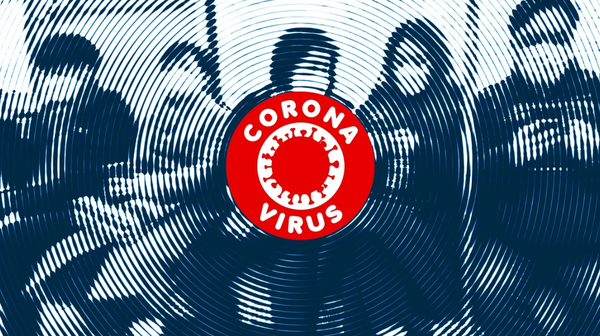
코로나바이러스 또는 COVID-19는 무엇인가?
코로나바이러스는 사람과 많은 다른 종의 동물들에게 흔한 바이러스의 대군이다. 질병통제예방센터는 중국에서 처음 발견되어 현재 미국과 많은 다른 나라에서 발견되고 있는 신형 코로나바이러스로 인한 호흡기 질환의 발생에 대응하고 있다. 이 바이러스의 이름은 사스-CoV-2이고, 이 바이러스가 일으키는 질병은 COVID-19로 약칭되는 코로나바이러스 질환 2019로 명명되었다. 이것은 빠르게 진화하는 상황이고 위험도 평가는 필요에 따라 업데이트될 것이다.
내가 암에 걸리면 COVID-19에 걸릴 위험이 더 높은가?
항암치료와 같은 몇몇 종류의 암과 치료는 당신의 면역체계를 약화시킬 수 있고 COVID-19를 유발하는 바이러스를 포함하여 어떠한 감염의 위험도 증가시킬 수 있다. 화학요법 중, 당신의 치료 주기 중에는 감염의 위험이 증가할 때가 있을 것이다.
암을 포함한 심각한 만성 질환을 앓고 있는 어른과 아이들은 COVID-19와 같은 전염성 질병으로 인해 더 심각한 합병증을 일으킬 위험이 더 높다.
만약 내가 암에 걸리면, 어떻게 하면 내 자신을 보호할 수 있을까?
COVID-19를 예방할 백신이나 그에 대한 구체적인 치료법은 현재 없다. 질병을 예방하는 가장 좋은 방법은 바이러스에 노출되는 것을 피하는 것이다. COVID-19를 피하기 위한 주의사항은 인플루엔자(플루)와 같은 다른 전염성 호흡기 질환과 동일하다.
미국 질병통제예방센터(CDC)는 다음을 포함한 호흡기 감염의 확산을 막기 위한 매일의 예방 조치를 권고하고 있다.
•대규모 사교모임과 아픈 사람과의 긴밀한 접촉을 피한다.
•악수 등 불필요한 대인 접촉을 피한다.
•눈, 코, 입을 만지지 않는다.
•특히 화장실에 간 후와 식사 전, 코를 풀거나 기침이나 콧물을 흘린 후, 그리고 다른 사람과 접촉하기 전후로 자주 비누와 물로 최소 20초간 손을 씻는다.
•독감 백신접종을 한다.
질병통제예방센터(CDC)는 지역사회에서 COVID-19가 발생한 경우 COVID-19로 인한 심각한 합병증이 발생할 위험이 높은 사람들을 보호하기 위해 다음과 같은 추가 조치를 권고한다.
•최대한 집에 머무르기
•오랜 시간 동안 집에 있어야 할 경우에 대비하여 몇 주 동안 복용할 의약품 및 소모품을 확보할 권한 보장
•공공장소로 외출할 때는 인파를 피하기
•크루즈 선박 여행 및 불필요한 항공 여행 자제
국립암연구소는 암 커뮤니티가 어떤 비상사태에도 대비할 수 있는 조언과 자원을 제공한다.
△ 의료 시설에서 암 치료를 받는 중이다. COVID-19 치료를 받으려면 어떻게 해야 할까?
의료 사업자에게 전화를 걸어 지침을 따르십시오.
△ 나는 의료 시설에서 임상 실험에 참가 중이다. 어떻게 해야 하나?
임상 시험 연구팀에 연락하여 지침을 따르십시오.
△ 감염 증상이 있으면 어떻게 해야 할까?
만약 당신이 COVID-19에 노출되어 감염증상이 있다고 생각되면 당신의 의료 제공자에게 전화하시오.
△ 암 환자들이 코로나바이러스에 대해 더 알아야 할 것은 무엇인가?
COVID-19 발병은 아직 새로운 것이어서 의사들은 이 코로나바이러스에 대해 암환자를 위한 구체적인 정보를 많이 가지고 있지 않다. 그러나 그들은 일반적으로 암 환자들의 감염 위험에 관한 많은 정보를 가지고 있다.
의사와 보건 당국자들은 질병을 예방하는 최선의 방법은 이 바이러스에 노출되는 것을 피하는 것인데, 이 바이러스는 감염될 경우, 특히 화학요법과 골수이식 환자가 심각한 병에 걸릴 위험이 더 높기 때문에 암환자에게 특히 중요하다는데 동의한다. 그것은 그 치료로 인해 그들의 면역 체계가 심각하게 약화될 수 있기 때문이다.
질병관리본부는 현재 의료 시설과 의사들에게 앞으로 몇 주 동안 긴급하고 긴급한 방문과 절차를 우선시할 것을 권고하고 있다.
게시 : 2020년 3월 13일
Coronavirus: What People with Cancer Should Know
Posted: March 13, 2020
On This Page
• What is coronavirus, or COVID-19?
• If I have cancer, am I at higher risk of getting or dying from COVID-19?
• If I have cancer, how can I protect myself?
• I receive cancer treatment at a medical facility. What should I do about getting treatment?
• I participate in a clinical trial at a medical facility. What should I do?
• What should I do if I have symptoms of an infection?
What is coronavirus, or COVID-19?
Coronaviruses are a large family of viruses that are common in people and many different species of animals. CDC is responding to an outbreak of respiratory disease caused by a novel (new) coronavirus that was first detected in China and has now been detected in the United States and many other countries. The virus has been named SARS-CoV-2, and the disease it causes has been named coronavirus disease 2019, which is abbreviated COVID-19.
This is a rapidly evolving situation and the risk assessment will be updated as needed.
If I have cancer, am I at higher risk of getting or dying from COVID-19?
Some types of cancer and treatments such as chemotherapy can weaken your immune system and may increase your risk of any infection, including with SARS-CoV-2, the virus that causes COVID-19. During chemotherapy, there will be times in your treatment cycle when you are at increased risk of infection.
Adults and children with serious chronic health conditions, including cancer, are at higher risk of developing more serious complications from contagious illnesses such as COVID-19.
Help prevent the spread of respiratory diseases, like coronavirus disease 2019 by avoiding close contact with people who are sick; covering cough and sneeze; avoiding touching eyes, nose and mouth; and washing your hands with soap and water.
If I have cancer, how can I protect myself?
There is currently no vaccine to prevent COVID-19 or specific treatment for it. The best way to prevent illness is to avoid being exposed to the virus. Precautions for avoiding COVID-19 are the same as for other contagious respiratory illnesses, such as influenza (flu).
The US Centers for Disease Control and Prevention (CDC) recommends everyday preventive measures to help prevent the spread of respiratory infections, including:
•Avoid large social gatherings and close contact with people who are sick
•Avoid unnecessary person-to-person contact, such as handshakes
•Avoid touching your eyes, nose, and mouth
•Wash your hands often with soap and water for at least 20 seconds, especially after going to the bathroom; before eating; after blowing your nose, coughing, or sneezing; and before and after coming in contact with others
•Get a flu vaccine
CDC recommends additional actions to help keep people at high risk for developing serious complications from COVID-19 healthy in the event of a COVID-19 outbreak in your community, including:
•Stay home as much as possible
•Make sure you have access to several weeks of medication and supplies in case you need to stay home for prolonged periods of time
•When you do go out in public, avoid crowds
•Avoid cruise ship travel and nonessential air travel
NCI provides tips and resources for the cancer community to prepare for any emergency.
I receive cancer treatment at a medical facility. What should I do about getting treatment?
Call your health care provider and follow their guidance.
I participate in a clinical trial at a medical facility. What should I do?
Call your clinical trial research team and follow their guidance.
What should I do if I have symptoms of an infection?
Call your health care provider if you think you have been exposed to COVID-19 and have symptoms of an infection.
이 글은 2020년 3월 작성 시점의 정보입니다. 치료 기준·급여 정보는 바뀌었을 수 있으니, 진료와 치료 결정은 반드시 담당 의료진과 상의하세요.