"암 정복 계획"에서 암 연구의 진전을 강조
2020.03.18 · 전영조 전문위원
「암 정복 계획」 워크숍에서 최근 연구의 발전을 강조
2020년 3월 4일 : 디나 싱어 박사

「암 정복 계획」에 참여한 수백 명의 조사관들은 2016년 암 연구를 가속화하기 위해 최근 만나 암 개발 계획 발표 이후 진행 상황을 업데이트했다.
9개의 서로 다른 연구 네트워크의 조사자들은 종양 미세 환경, 새로운 약물 표적, 새롭게 부상하는 치료 접근법, 데이터 통합과 시각화 등과 같은 「암 정복 계획」 전반에 걸쳐 관심 있는 주제를 제시했다.
지난 11월, 메릴랜드 주의 록-빌에서 열린 3일간의 회의가 「암 정복 계획」의 지원을 받은 많은 연구 네트워크들이 그들의 결과를 공유하고 아이디어를 교환하기 위해 모인 첫 번째 회의였다.
「암 정복 계획」 연구 네트워크에는 암 연구의 특정 분야에서의 진전을 가속화하는 데 초점을 맞춘 다수의 조사원들이 포함되어 있다. 예를 들어, 한 네트워크는 면역요법에만 전념하는 반면, 다른 네트워크는 소아암의 주요 원인인 융합 단백질에 초점을 맞추고 있다.
전문가들로 구성된 ‘블루리본 패널’은 2016년 「암 정복 계획」 연구 영역을 파악하여 연구 지형을 조사하고 광범위한 암 커뮤니티로부터 의견을 구한 후 보고서에서 추천을 하였다.
지난 3년간 진전은 상당했고, 우리는 조사관들에게 연구 네트워크를 아우르는 주제에 대한 조사 결과를 공유할 기회를 주기 위해 워크숍을 개최했다. 워크숍의 처음 이틀 동안, 개별 네트워크들은 연례 회의를 개최했다.
그러나 사흘째 되는 날 모든 사람들이 함께 모여 광범위한 관심사를 가진 주제에 대한 최신 연구를 「암 정복 계획」의 조사관들이 공유하게 되었다. 이 중요한 세부 계획에 의해 가능하게 된 흥미로운 진전을 직접 듣고 목격하는 것은 고무적이었다.
아래에 강조된 이 연구의 예에서 알 수 있듯이, 「암 정복 계획」은 의도한 목표를 달성했고 다양한 연구 우선순위를 위해 과학을 빠르게 발전시키고 있다.
성인 및 소아용 면역요법의 발전 도모
몇몇 발표자들은 면역치료에 대한 연구를 논의했다. 면역요법이 큰 가능성을 보였지만, 많은 환자들은 반응을 보이지 않거나 재발한다. 면역-종양학 변환 네트워크(IOTN)는 암 치료를 위한 새로운 면역표적의 발견을 가속화하고 성인의 암을 치료하고 예방하는 새로운 면역 치료법을 개발하는 것을 목표로 한다.
다나-파버 암 연구소의 엘리에저 반 알렌 박사는 진행성 흑색종 환자들이 면역요법에 대한 내성을 가질지를 예측하기 위한 모델의 개발을 설명했다. 예측 모델은 환자의 임상 정보와 종양의 분자 특성을 통합한다.
한편, 소아 면역 치료 발견 및 개발 네트워크라는 연구 팀은 암에 걸린 어린이와 청소년들을 위한 면역 치료의 사전 임상 연구를 진전시키기 위해 노력하고 있다. 조사원들은 면역 요법의 새로운 대상을 발견하여 특징짓고 있으며, 어린이들의 면역 요법의 효과를 시험하기 위한 실험 모델을 고안하고 있다.
스탠퍼드대 의대의 크리스탈 맥칼 박사는 CAR T세포라고 불리는 암과 싸우는 면역세포를 탈진으로 알려진 현상에 덜 취약하도록 만드는 새로운 방법에 대해 설명했다. 이 접근방식은 이 세포들의 활동을 연장시켰고 실험실에서 배양한 인간 암세포와 쥐에 대해 더 효과적이 되도록 만들었다.
맥칼 박사와 그녀의 동료들은 암에 걸린 아이들에게 접근하는 방법을 테스트하기 위한 임상실험을 개발하고 있다.
많은 소아암들은 융합 단백질이 될 수 있는 변환이라는 유전적 변이로 인해 유발된다. 소아암 세포의 소아암에서 융합 종양 단백질(FusOnC2)이라는 「암 정복 계획」컨소시엄은 핵융합 단백질이 소아암을 유발하는 분자 기제를 조사하고 있으며 이 단백질로 종양을 치료하는 전략을 개발하고 있다.
FusOnC2의 원구원의 한 사람인 다나-파버 연구소의 킴벌리 스테그마이어 박사는 유잉 육종에 걸린 어린이들에게 EWS-FLI1이라고 불리는 융합 종양단백질을 표적으로 하는 새로운 접근법에 대해 설명했다.
개과 동물의 전 의료 면역요법 실험에서는 비교 종양학 연구로 알려진 접근법을 통해 암 면역 요법의 개발을 촉진한다. 개나 고양이와 같은 애완동물에서 자연적으로 발생하는 암은 유전학적인 측면과 치료에 대한 반응 면에서 인간의 특정 암과 현저하게 유사할 수 있다.
콜로라도 주립대학의 스티븐 다우 박사는 전이성 골 암을 앓고 있는 개들에게 혈압 조절제 로사탄(상표명 : 코자르)을 실험하는 연구를 설명했다. 로사탄은 특정 면역 세포의 수를 수정하는 것으로 알려져 있으며, 이전의 연구로 쥐의 전이 과정을 둔화시킨다는 것을 보여주었다.
종양 생물학의 연구
종양의 생물학이 어떻게 발달하고, 확산하고, 치료에 반응하는지를 포함한 종양의 생물학에 대한 더 나은 이해를 도모하는 것은 다양한 암의 상세한 지도를 만들고 있는 “인간 종양 지도 네트워크”의 목표다. 이 지도는 공간과 시간에 걸쳐 인간의 암과 주변 환경의 분자 특성에 대한 정보를 제공할 것이다.
브로드 연구소의 오리트 로젠블라트-로젠 박사는 신선한 종양 샘플과 냉동 종양 샘플의 분자 특성을 프로파일링하기 위한 다양한 접근법에 대해 논의하였다. 이 접근법은 복잡한 종양 생태계의 지도를 만드는데 사용할 수 있는 것이다. 이러한 접근법에는 개별 세포로부터 얻은 RNA의 배열이 포함되었다.
다른 발표자들도 새로운 기술이나 기존 기술의 혁신적인 사용을 강조했다. 예를 들어, 하버드 의과대학의 피터 소거 박사는 암 지도를 만드는데 도움이 될 수 있는 이미지와 자료 수집의 개발에 대해 설명했다.
종양세포와 면역세포를 프로파일링하는 최첨단 기술은 암 면역감시센터 & 암 면역자료 커먼스 네트워크의 실험실에서 연구되고 있다.
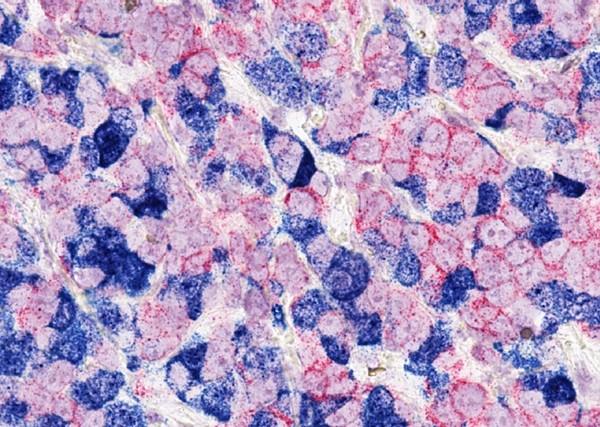
또 다른 발표자인 미국 스탠퍼드대의 R. 마이클 안젤로 박사는 종양 샘플에서 복수의 단백질의 표현을 그려내는 영상을 만들어내는 비행시간별 다중 이온 빔 화상이라는 기술에 대해 설명했다. 이 기술은 암과 면역학에 관한 새로운 연구 문제를 탐구하는 데 사용될 수 있다.
추가 발표에서는 종양 미세 환경을 수정하고, 암 치료에 대한 내성을 극복하며, 연구를 위한 새로운 모델을 개발하는 데 초점을 맞췄다.
“췌장암 미세 환경 네트워크(Pancreatic Cancer Microenvironment Network)”는 췌장암 환자의 종양 미세 환경을 보다 잘 이해하고 이러한 지식을 활용하여 새로운 치료법을 개발하는 것을 목표로 한다.
매사추세츠 종합병원의 라케시 자인 박사는 고혈압 치료에 흔히 쓰이는 앤지오텐신(혈액 중에 만들어지는 혈압 상승 호르몬) 수용체 차단제라는 약물이 종양 미세 환경을 수정하고 실험용 쥐의 면역요법의 효과를 높일 수 있다는 연구결과를 내놓았다.
“약물 내성과 민감성 네트워크”라는 팀은 종양이 어떻게 치료에 저항하는지 조사하고 암이 치료에 더 민감하게 만드는 방법을 탐구하기 위한 새로운 실험 모델을 개발하고 있다. 이런 다학제 노력의 목표는 약물 내성을 예방하거나 극복하는 새로운 암 치료제 개발을 위한 분자 표적을 찾아내는 것이다.
프레드 허친슨 암 연구 센터의 피터 넬슨 박사는 전립선암의 치료 내성을 극복하기 위한 잠재적인 접근방법에 대해 발표했다. 그는 공격적인 소세포 신경내분비 전립선암의 실험모델에 효과적이었던 결합요법에 대해 설명했다.
메인 주 소재 잭슨 연구소의 또 다른 발표자인 제프리 추앙 박사는 치료제에 대한 종양의 반응을 테스트하고 특정 환자의 유망한 약물을 식별하는 데 사용될 수 있는 환자 파생 이종이식(PDX)의 생쥐 모델에 대한 새로운 연구에 대해 논의했다. 추앙 박사는 실험실 연구를 위해 이러한 모델의 신뢰성을 향상시키기 위한 연구의 결과를 공유했다.
많은 PDX 모델이 격리된 프로그램에서 개발되었으며, 이로 인해 이러한 시스템에서 표준화가 부족해지고 결과의 검증과 복제가 어려워졌다. “환자 파생 이종이식 개발과 실험 연구 네트워크”라는 팀은 PDX 데이터베이스를 이용한 변환 연구를 가속화하기 위해 노력하고 있다.
「암 정복 계획」의 목표를 지원하기
모든 연구 네트워크는 「암 정복 계획」의 세 가지 목표를 지원하는데, 그것은 암에 대한 우리의 이해의 함양을 가속화하고, 협업과 제휴를 장려하며, 데이터 공유를 향상시키는 것이다. 각각의 목표는 「암 정복 계획」 프로그램에 매우 중요하다.
처음 두 목표를 향한 우리의 작업이 워크숍에서 제시되었다. 이번 회의에서는 최근 암 연구의 진전을 강조했을 뿐만 아니라, 즉흥적인 대화뿐만 아니라 공식 발표와 패널 토론을 통해 아이디어를 교환하기 위해 사람들을 불러 모았다.
우리는 또한 워크숍에서 「암 정복 계획」의 세 번째 목표인 데이터 공유 강화에 관한 세션을 열었다. 연구원들은 「암 정복 계획」이 이 세부계획에 의해 자금을 지원받은 모든 데이터와 결과를 출판 당시에 공개적으로 이용할 수 있도록 할 것을 요구한다는 것을 상기했다. 이는 「암 정복 계획」이 자금을 지원받은 모든 결과가 누구에게나 개방된 형식으로 발표되어야 한다는 것을 의미한다.
지난 몇 년 동안, 「암 정복 계획」은 우리가 다르게 생각하고, 우리의 연구에 다르게 접근하고, 암 연구의 진전을 가속화하면서 더 혁신적일 수 있는 방법을 생각해내도록 우리에게 도전해 왔다.
「암 정복 계획」에 의한 연구결과가 앞으로 발표됨에 따라, 우리는 연구자들에게 새로운 방법을 제공하며 환자에게 도움이 될 암에 대한 통찰력을 얻을 수 있을 것으로 기대할 수 있다.
Cancer Moonshot℠ Workshop Highlights Recent Research Advances
March 4, 2020, by Dinah Singer, Ph.D.
Hundreds of investigators participating in the Cancer MoonshotSM to accelerate cancer research met recently to provide updates on their progress since the initiative was announced in 2016.
Investigators from nine different research networks presented on topics of interest across the Moonshot, such as the tumor microenvironment, novel drug targets, emerging treatment approaches, and data integration and visualizations.
The 3-day meeting—held last November in Rockville, MD—marked the first time that many of the research networks supported by the Moonshot had gathered to share their results and exchange ideas.
The Moonshot research networks include multiple groups of investigators focused on accelerating progress in certain areas of cancer research. For example, one network is devoted to immunotherapy, while another is focused on fusion proteins, a major driver of childhood cancers.
A Blue Ribbon Panel of experts identified the Moonshot research areas in 2016, making its recommendations in a report after surveying the research landscape and getting input from the broader cancer community.
Progress over the past 3 years has been substantial, and we held the workshop to give investigators an opportunity to share findings on topics that cut across the research networks. During the first 2 days of the workshop, individual networks held their annual meetings.
But the third day brought everyone together to share the latest research on topics of broad interest to investigators across the Moonshot. It was invigorating to hear these presentations and witness first-hand the exciting progress being made possible by this important initiative.
As the examples of this work highlighted below demonstrate, the Moonshot has been achieving its intended goals and is rapidly advancing the science for a range of research priorities.
Advancing Immunotherapy for Adults and Children
Several presenters discussed research on immunotherapy. Although immunotherapy has shown great promise, many patients either do not respond or relapse. The Immuno-Oncology Translational Network aims to accelerate the discovery of new immune targets for cancer treatments and to develop new immunotherapies for treating and preventing cancers in adults.
Eliezer Van Allen, M.D., of the Dana-Farber Cancer Institute, described the development of models to predict whether patients with advanced melanoma will develop resistance to immunotherapyExit Disclaimer. The predictive models integrate patients’ clinical information and the molecular characteristics of their tumors.
Meanwhile, the Pediatric Immunotherapy Discovery and Development Network is working to advance preclinical research on immunotherapy for children and adolescents with cancer. Investigators are discovering and characterizing new targets for immunotherapies and designing experimental models to test the effectiveness of immunotherapies in children.
Crystal Mackall, M.D., of the Stanford University School of Medicine, described a new way to improve cancer-fighting immune cells called CAR T cells by making them less prone to a phenomenon known as exhaustion. The approach prolonged the activity of these cells and made them more effective against laboratory-grown human cancer cells and in mice.
Dr. Mackall and her colleagues are developing a clinical trial to test the approach in children with cancer.
Many childhood cancers are caused by genetic changes called translocations, which can lead to fusion proteins. A Moonshot consortium called Fusion Oncoproteins in Childhood Cancers (FusOnC2) is examining the molecular mechanisms by which fusion proteins drive pediatric cancers and developing strategies for treating tumors with these proteins.
One of the FusOnC2 investigators, Kimberly Stegmaier, M.D., also of Dana-Farber, described new approaches for targeting a fusion oncoprotein called EWS-FLI1 in children with Ewing sarcoma.
The Pre-medical Cancer Immunotherapy Network for Canine TrialsExit Disclaimer promotes the development of cancer immunotherapies through an approach known as comparative oncology research. Cancers that occur naturally in pets such as dogs and cats may be remarkably similar to certain cancers in humans in terms of their genetics and responses to treatment.
Stephen Dow, D.V.M., Ph.D., of Colorado State University, described studies testing the blood pressure drug losartan (Cozaar) in dogs with metastatic bone cancer. Losartan is known to modify certain immune cell populations, and previous research has demonstrated that it slows metastatic progression in mice.
Investigating the Biology of Tumors
Developing a better understanding of the biology of tumors, including how they develop, spread, and respond to treatments, is a goal of the Human Tumor Atlas Network, which is creating detailed maps of a variety of cancers. The atlases will provide information about the molecular characteristics of human cancers and their surrounding environments over space and time.
Orit Rozenblatt-Rosen, Ph.D., of the Broad Institute, discussed a variety of approaches for profiling the molecular characteristics of fresh and frozen tumor samplesExit Disclaimer that could be used to create atlases of the complex tumor ecosystem. These approaches included the sequencing of RNA from individual cells.
Other presenters also highlighted new technologies or innovative uses of existing technologies. For example, Peter Sorger, Ph.D., of Harvard Medical School, described the development of a collection of images and data that could help to create cancer atlases.
These kinds of state-of-the-art technologies for profiling tumor cells and immune cells are being investigated by laboratories in the Cancer Immune Monitoring and Analysis Centers & Cancer Immunologic Data Commons NetworkExit Disclaimer.
Another presenter, R. Michael Angelo, M.D., Ph.D., of Stanford University, described a technology called multiplexed ion beam imaging by time of flight, which produces images that depict the expression of multiple proteins in tumor samples. The technology could be used to explore emerging research questions about cancer and immunology.
Additional presentations focused on modifying the tumor microenvironment, overcoming resistance to cancer therapies, and developing new models for research.
The Pancreatic Cancer Microenvironment NetworkExit Disclaimer aims to better understand the tumor microenvironment in patients with pancreatic cancer and use this knowledge to develop new approaches to treatment.
Rakesh Jain, Ph.D., of Massachusetts General Hospital, presented research showing that drugs called angiotensin receptor blockers, which are commonly used to treat hypertension, could modify the tumor microenvironment and enhance the effectiveness of immunotherapy in mice.
The Drug Resistance and Sensitivity Network is developing new experimental models for investigating how tumors resist therapies and for exploring ways to make cancers more sensitive to treatments. A goal of the interdisciplinary effort is to identify molecular targets for the development of new cancer treatments that prevent or overcome drug resistance.
Peter Nelson, M.D., of the Fred Hutchinson Cancer Research Center, gave a presentation on potential approaches for overcoming treatment resistance in prostate cancer. He described a combination therapy that was effective in an experimental model of aggressive small-cell neuroendocrine prostate cancer.
Another presenter, Jeffrey Chuang, Ph.D., of the Jackson Laboratory in Maine, discussed new research on patient-derived xenografts (PDX) mouse models, which can be used to test a tumor’s response to therapy and to identify promising drugs for certain patients. Dr. Chuang shared results from a study aimed at improving the reliability of these models for laboratory research.
Many PDX models have been developed in isolated programs, and this has led to a lack of standardization in these systems, as well as difficulty validating and replicating the results. The Patient-Derived Xenografts Development and Trial Centers Research NetworkExit Disclaimer is working to accelerate translational research using PDX databases.
Supporting Moonshot Goals
All of the research networks support the three goals of the Moonshot: to accelerate progress in our understanding of cancer, to encourage collaborations and partnerships, and to enhance data sharing. Each goal is critical to the Moonshot program.
Our work toward the first two goals was on display at the workshop. Not only did the meeting highlight recent advances in cancer research, but the gathering brought people together to exchange ideas through formal presentations and panel discussions as well as impromptu conversations.
We also held a session at the workshop on the Moonshot’s third goal—enhancing data sharing. Researchers were reminded that the Moonshot requires that all data and results funded by the initiative are made publicly available at the time of publication. That means that all Moonshot-funded results have to be published in an open-access format.
In just the last few years, the Moonshot has challenged us to think differently, to approach our research differently, and to think of ways to be more innovative as we accelerate progress in cancer research.
As the findings of Moonshot initiatives are published in the coming years, we can expect to gain insights into cancer that will benefit patients while giving investigators new avenues to pursue.
이 글은 2020년 3월 작성 시점의 정보입니다. 치료 기준·급여 정보는 바뀌었을 수 있으니, 진료와 치료 결정은 반드시 담당 의료진과 상의하세요.