고온 조리 육류의 화학 물질과 암 위험
2020.03.03 · 전영조 전문위원
고온 조리 육류의 화학 물질과 암 위험
갱신 : 2017년 7월 11일
이 글에서 다룬 내용
• 헤테로사이클릭(이종환식異種環式) 아민 및 다환 방향족 탄화수소는 무엇이며, 구운 고기에서 어떻게 형성되는가?
• 구운 고기에서 HCA와 PAH의 형성에 영향을 미치는 요소는?
• 구운 고기의 HCA와 PAH가 암 위험을 증가시킬 수 있다는 증거는 무엇인가?
• HCA 및 PAH를 포함한 식품의 섭취에 대한 지침이 존재하는가?
• 구운 고기에서 HCA 및 PAH 형성을 줄일 수 있는 방법이 있는가?
• HCA와 PAHs의 섭취와 인간의 암 위험 사이의 관계에 대해 어떤 연구가 수행되고 있는가?
헤테로사이클릭 아민과 다환 방향족 탄화수소는 무엇이며, 구운 고기에 어떻게 형성되는가?
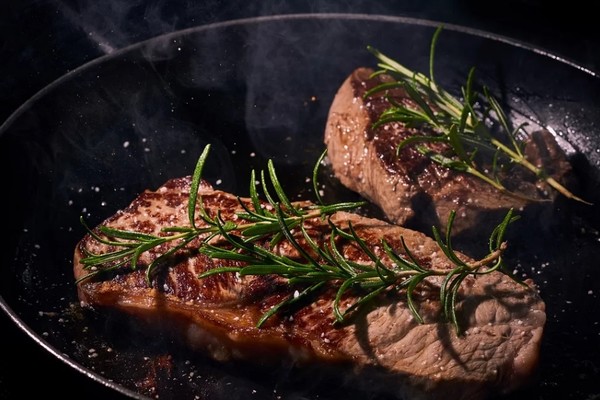
헤테로사이클릭아민(HCA)과 다환 방향족 탄화수소(PAHs)는 쇠고기와 돼지고기, 생선 또는 가금류를 포함한 근육 부위의 육류를 직화로 굽거나 프라이팬에서 구울 때처럼 고온으로 조리할 때 형성되는 화학 물질이다. 실험실 실험에서 HCA와 PAHs는 돌연변이 유발 물질로 밝혀졌는데, 이것은 암의 위험을 증가시킬 수 있는 DNA의 변화를 일으킨다.
HCA는 아미노산(단백질의 구성 성분)과 당분, 크레아틴 또는 크레아티닌(근육에서 발견되는 물질)이 고온에서 반응할 때 형성된다. PAH는 프라이팬 같은 가열된 면이나 직화로 구운 고기의 지방과 주스가 프라이팬이나 불에 떨어져 불꽃과 연기를 일으킬 때 형성된다. 이 연기에는 고기 표면에 달라붙는 PAH가 포함되어 있다. PAH는 육류의 훈제와 같이 다른 방식의 식품제조 과정에서도 형성될 수 있다.
HCA는 고온에서 조리된 고기 이외의 식품에서는 상당한 양이 발견되지 않는다. PAH는 담배 연기나 자동차 배기가스뿐만 아니라 다른 훈제 식품에서도 찾아볼 수 있다.
구운 고기에서 HCA와 PAH의 형성에 영향을 미치는 요소는 무엇인가?
HCA와 PAH의 형성은 육류의 종류와 조리방법, "익힌 정도"(래어, 미디움, 웰던 같이)에 따라 다르다. 그러나 고기의 종류에 관계없이, 특히 300도F 이상에서 조리되거나 오랫동안 조리된 고기는 더 많은 HCA를 형성하는 경향이 있다. 예를 들어 웰던과 직화 구이나, 바베큐 치킨과 스테이크는 모두 고농도의 HCA를 가지고 있다. 연기에 고기를 노출시키는 조리법은 PAH 형성에 기여한다(2)
HCA와 PAH는 체내의 특정 효소에 의해 대사 과정을 거친 후에야 DNA를 손상시킬 수 있게 되는데, 이 과정은 "바이오 활성화"라고 불린다. 사람마다 다를 수 있는 이러한 효소의 작용이 이들 화합물(3 (39)에 대한 노출과 연관이 있는 암 위험과 관련이 있을 수 있다는 연구 결과가 나왔다.
조리된 고기의 HCA와 PAH가 암 위험을 증가시킬 수 있다는 증거는 무엇인가?
HCA와 PAH에 노출이 동물 실험(10)에서 암을 유발할 수 있다는 연구 결과가 나왔다. 많은 실험에서 HCA가 추가된 먹이를 먹인 설치류들은 유방과 대장, 간, 피부, 폐, 전립선 및 기타 장기의 종양(11-16)이 생겼다. PAHs를 먹인 설치류도 백혈병과 위장관과 폐의 종양(17)을 포함한 암을 발생시켰다. 그러나 이러한 연구에서 사용된 HCA와 PAH의 용량은 사람이 정상적인 식단에서 섭취하는 용량의 수천 배에 상당하였다.
모집단 연구에서는 조리된 고기로 인한 HCA와 PAH 노출과 인간의 암 사이에 결정적인 연관성을 규명하지 못했다. 이러한 연구를 수행하는 데 있어 한 가지 어려움은 조리된 고기로부터 사람에게 축적되는 HCA 및/또는 PAH 노출의 정확한 수준을 밝혀내는 것이 어려울 수 있다는 것이다. 식이 관련 설문지는 좋은 추정치를 제공할 수 있지만, HCA와 PAH 노출 수준을 밝혀내는 데 필요한 요리 기법에 대한 모든 세부 사항을 포착하지는 못할 수 있다. 또한 HCA와 PAH를 대사하는 효소의 활동에서 개별적인 차이는 이러한 화합물을 동일한 양을 섭취(흡수)한 사람들 사이에서도 노출의 차이를 초래할 수 있다. 또한 사람들은 음식뿐만 아니라 다른 환경적 자원으로부터 PAHs에 노출되었을지도 모른다.
수많은 역학 연구에서는 참가자의 육류 소비량과 조리법(18)을 조사하기 위해 상세한 설문지를 사용해 왔다. 연구원들은 웰던이나 튀기거나 바베큐한 고기를 많이 먹는 것은 대장암(19-21)과 췌장암(21-23), 전립선(24, 25) 암의 위험 증가와 관련이 있다는 것을 발견했다. 그러나 다른 연구에서는 대장암(26)이나 전립선(27) 암의 위험성과의 연관성을 발견하지 못했다.
2015년 국제암연구소(IARC)가 소집한 전문가들로 구성된 독립위원회는 역학 연구의 데이터와 기계론적 연구의 강력한 증거를 토대로 붉은 육류 소비량을 "인간에게 발암성이 있을 가능성이 있다"(그룹 2A)로 결정했다. 그러나 IARC는 HCA와 PAH가 암 발병과 관련이 있다고 결론짓지 않았다.
HCA와 PAH를 포함한 식품의 섭취량에 대한 지침이 존재하는가?
현재, HCA와 PAH를 포함한 식품의 소비를 다루는 연방 지침은 없다. 세계 암 연구기금/미국암연구소는 2007년 적색 및 가공육(훈제 포함)의 섭취를 제한할 것을 권고하는 식이 가이드라인과 함께 보고서를 발표했지만, 육류(28)의 HCA와 PAH 수치에 대한 권고는 제공되지 않았다.
조리된 육류에서 HCA와 PAH 형성을 줄일 수 있는 방법이 있는가?
HCA/PAH 소비에 대한 특정 지침은 존재하지 않지만, 관련 개인들은 다음과 같은 몇 가지 조리 방법을 사용하여 노출을 줄일 수 있다.
•고기가 직화나 뜨거운 금속 표면에 직접 노출되거나 장시간 고온에서 조리하는 것을 방지하는 것이 HCA 및 PAH 형성을 줄이는 데 도움이 될 수 있다.
•고온에 노출되기 전에 전자레인지로 고기를 요리하면 고기가 고열과 접촉해야 요리를 끝낼 수 있는 시간(29)을 단축시켜 HCA 형성을 줄일 수 있다.
•고열원에 고기를 계속 뒤집으면 자주 뒤집지 않고 열원에 놓아두는 것과 비교하여 HCA 형성을 상당히 줄일 수 있다(29)
•고기의 그을린 부분을 제거하고 육즙으로 만든 그레이비 사용을 자제하면 HCA와 PAH 노출(29)도 줄일 수 있다.
HCA와 PAHs의 섭취와 인간의 암 위험 사이의 관계에 대해 어떤 연구가 진행되고 있는가?
미국의 연구원들은 현재 육류 섭취와 육류 조리법, 그리고 암 위험 사이의 연관성을 조사하고 있다. 진행 중인 연구로는 NIH-AARP 식단과 건강 연구(19, 30), 미국 암학회 암 예방 연구 II(31), 다민족 코호트(6), 하버드대학의 여러 연구(32) 등이 있다. 유럽 모집단의 유사한 연구가 유럽의 암 및 영양에 대한 사전 조사 연구(33)에서 수행되고 있다.
Chemicals in Meat Cooked at High Temperatures and Cancer Risk
Reviewed: July 11, 2017
On This Page
• What are heterocyclic amines and polycyclic aromatic hydrocarbons, and how are they formed in cooked meats?
• What factors influence the formation of HCA and PAH in cooked meats?
• What evidence is there that HCAs and PAHs in cooked meats may increase cancer risk?
• Do guidelines exist for the consumption of food containing HCAs and PAHs?
• Are there ways to reduce HCA and PAH formation in cooked meats?
• What research is being conducted on the relationship between the consumption of HCAs and PAHs and cancer risk in humans?
What are heterocyclic amines and polycyclic aromatic hydrocarbons, and how are they formed in cooked meats?
Heterocyclic amines (HCAs) and polycyclic aromatic hydrocarbons (PAHs) are chemicals formed when muscle meat, including beef, pork, fish, or poultry, is cooked using high-temperature methods, such as pan frying or grilling directly over an open flame (1). In laboratory experiments, HCAs and PAHs have been found to be mutagenic—that is, they cause changes in DNA that may increase the risk of cancer.
HCAs are formed when amino acids (the building blocks of proteins), sugars, and creatine or creatinine (substances found in muscle) react at high temperatures. PAHs are formed when fat and juices from meat grilled directly over a heated surface or open fire drip onto the surface or fire, causing flames and smoke. The smoke contains PAHs that then adhere to the surface of the meat. PAHs can also be formed during other food preparation processes, such as smoking of meats (1).
HCAs are not found in significant amounts in foods other than meat cooked at high temperatures. PAHs can be found in other smoked foods, as well as in cigarette smoke and car exhaust fumes.
What factors influence the formation of HCA and PAH in cooked meats?
The formation of HCAs and PAHs varies by meat type, cooking method, and “doneness” level (rare, medium, or well done). Whatever the type of meat, however, meats cooked at high temperatures, especially above 300 ºF (as in grilling or pan frying), or that are cooked for a long time tend to form more HCAs. For example, well-done, grilled, or barbecued chicken and steak all have high concentrations of HCAs. Cooking methods that expose meat to smoke contribute to PAH formation (2).
HCAs and PAHs become capable of damaging DNA only after they are metabolized by specific enzymes in the body, a process called “bioactivation.” Studies have found that the activity of these enzymes, which can differ among people, may be relevant to the cancer risks associated with exposure to these compounds (3–9).
What evidence is there that HCAs and PAHs in cooked meats may increase cancer risk?
Studies have shown that exposure to HCAs and PAHs can cause cancer in animal models (10). In many experiments, rodents fed a diet supplemented with HCAs developed tumors of the breast, colon, liver, skin, lung, prostate, and other organs (11–16). Rodents fed PAHs also developed cancers, including leukemia and tumors of the gastrointestinal tract and lungs (17). However, the doses of HCAs and PAHs used in these studies were very high—equivalent to thousands of times the doses that a person would consume in a normal diet.
Population studies have not established a definitive link between HCA and PAH exposure from cooked meats and cancer in humans. One difficulty with conducting such studies is that it can be difficult to determine the exact level of HCA and/or PAH exposure a person gets from cooked meats. Although dietary questionnaires can provide good estimates, they may not capture all the detail about cooking techniques that is necessary to determine HCA and PAH exposure levels. In addition, individual variation in the activity of enzymes that metabolize HCAs and PAHs may result in exposure differences, even among people who ingest (take in) the same amount of these compounds. Also, people may have been exposed to PAHs from other environmental sources, not just food.
Numerous epidemiologic studies have used detailed questionnaires to examine participants’ meat consumption and cooking methods (18). Researchers found that high consumption of well-done, fried, or barbecued meats was associated with increased risks of colorectal (19–21), pancreatic (21–23), and prostate (24, 25) cancer. However, other studies have found no association with risks of colorectal (26) or prostate (27) cancer.
In 2015, an independent panel of experts convened by the International Agency for Research on Cancer (IARC) determined consumption of red meat to be “probably carcinogenic to humans” (Group 2A), based largely on data from the epidemiologic studies and on the strong evidence from mechanistic studies. However, IARC did not conclude that HCAs and PAHs were associated with cancer incidence.
Do guidelines exist for the consumption of food containing HCAs and PAHs?
Currently, no Federal guidelines address the consumption of foods containing HCAs and PAHs. The World Cancer Research Fund/American Institute for Cancer Research issued a report in 2007 with dietary guidelines that recommended limiting the consumption of red and processed (including smoked) meats; however, no recommendations were provided for HCA and PAH levels in meat (28).
Are there ways to reduce HCA and PAH formation in cooked meats?
Even though no specific guidelines for HCA/PAH consumption exist, concerned individuals can reduce their exposure by using several cooking methods:
•Avoiding direct exposure of meat to an open flame or a hot metal surface and avoiding prolonged cooking times (especially at high temperatures) can help reduce HCA and PAH formation (29).
•Using a microwave oven to cook meat prior to exposure to high temperatures can also substantially reduce HCA formation by reducing the time that meat must be in contact with high heat to finish cooking (29).
•Continuously turning meat over on a high heat source can substantially reduce HCA formation compared with just leaving the meat on the heat source without flipping it often (29).
•Removing charred portions of meat and refraining from using gravy made from meat drippings can also reduce HCA and PAH exposure (29).
What research is being conducted on the relationship between the consumption of HCAs and PAHs and cancer risk in humans?
Researchers in the United States are currently investigating the association between meat intake, meat cooking methods, and cancer risk. Ongoing studies include the NIH-AARP Diet and Health Study (19, 30), the American Cancer Society’s Cancer Prevention Study II (31), the Multiethnic Cohort (6), and studies from Harvard University (32). Similar research in a European population is being conducted in the European Prospective Investigation into Cancer and Nutrition (EPIC) study (33).
고온 조리 육류의 화학 물질과 암 위험
갱신 : 2017년 7월 11일
이 글에서 다룬 내용
• 헤테로사이클릭(이종환식異種環式) 아민 및 다환 방향족 탄화수소는 무엇이며, 구운 고기에서 어떻게 형성되는가?
• 구운 고기에서 HCA와 PAH의 형성에 영향을 미치는 요소는?
• 구운 고기의 HCA와 PAH가 암 위험을 증가시킬 수 있다는 증거는 무엇인가?
• HCA 및 PAH를 포함한 식품의 섭취에 대한 지침이 존재하는가?
• 구운 고기에서 HCA 및 PAH 형성을 줄일 수 있는 방법이 있는가?
• HCA와 PAHs의 섭취와 인간의 암 위험 사이의 관계에 대해 어떤 연구가 수행되고 있는가?
헤테로사이클릭 아민과 다환 방향족 탄화수소는 무엇이며, 구운 고기에 어떻게 형성되는가?
헤테로사이클릭아민(HCA)과 다환 방향족 탄화수소(PAHs)는 쇠고기와 돼지고기, 생선 또는 가금류를 포함한 근육 부위의 육류를 직화로 굽거나 프라이팬에서 구울 때처럼 고온으로 조리할 때 형성되는 화학 물질이다. 실험실 실험에서 HCA와 PAHs는 돌연변이 유발 물질로 밝혀졌는데, 이것은 암의 위험을 증가시킬 수 있는 DNA의 변화를 일으킨다.
HCA는 아미노산(단백질의 구성 성분)과 당분, 크레아틴 또는 크레아티닌(근육에서 발견되는 물질)이 고온에서 반응할 때 형성된다. PAH는 프라이팬 같은 가열된 면이나 직화로 구운 고기의 지방과 주스가 프라이팬이나 불에 떨어져 불꽃과 연기를 일으킬 때 형성된다. 이 연기에는 고기 표면에 달라붙는 PAH가 포함되어 있다. PAH는 육류의 훈제와 같이 다른 방식의 식품제조 과정에서도 형성될 수 있다.
HCA는 고온에서 조리된 고기 이외의 식품에서는 상당한 양이 발견되지 않는다. PAH는 담배 연기나 자동차 배기가스뿐만 아니라 다른 훈제 식품에서도 찾아볼 수 있다.
구운 고기에서 HCA와 PAH의 형성에 영향을 미치는 요소는 무엇인가?
HCA와 PAH의 형성은 육류의 종류와 조리방법, "익힌 정도"(래어, 미디움, 웰던 같이)에 따라 다르다. 그러나 고기의 종류에 관계없이, 특히 300도F 이상에서 조리되거나 오랫동안 조리된 고기는 더 많은 HCA를 형성하는 경향이 있다. 예를 들어 웰던과 직화 구이나, 바베큐 치킨과 스테이크는 모두 고농도의 HCA를 가지고 있다. 연기에 고기를 노출시키는 조리법은 PAH 형성에 기여한다(2)
HCA와 PAH는 체내의 특정 효소에 의해 대사 과정을 거친 후에야 DNA를 손상시킬 수 있게 되는데, 이 과정은 "바이오 활성화"라고 불린다. 사람마다 다를 수 있는 이러한 효소의 작용이 이들 화합물(3 (39)에 대한 노출과 연관이 있는 암 위험과 관련이 있을 수 있다는 연구 결과가 나왔다.
조리된 고기의 HCA와 PAH가 암 위험을 증가시킬 수 있다는 증거는 무엇인가?
HCA와 PAH에 노출이 동물 실험(10)에서 암을 유발할 수 있다는 연구 결과가 나왔다. 많은 실험에서 HCA가 추가된 먹이를 먹인 설치류들은 유방과 대장, 간, 피부, 폐, 전립선 및 기타 장기의 종양(11-16)이 생겼다. PAHs를 먹인 설치류도 백혈병과 위장관과 폐의 종양(17)을 포함한 암을 발생시켰다. 그러나 이러한 연구에서 사용된 HCA와 PAH의 용량은 사람이 정상적인 식단에서 섭취하는 용량의 수천 배에 상당하였다.
모집단 연구에서는 조리된 고기로 인한 HCA와 PAH 노출과 인간의 암 사이에 결정적인 연관성을 규명하지 못했다. 이러한 연구를 수행하는 데 있어 한 가지 어려움은 조리된 고기로부터 사람에게 축적되는 HCA 및/또는 PAH 노출의 정확한 수준을 밝혀내는 것이 어려울 수 있다는 것이다. 식이 관련 설문지는 좋은 추정치를 제공할 수 있지만, HCA와 PAH 노출 수준을 밝혀내는 데 필요한 요리 기법에 대한 모든 세부 사항을 포착하지는 못할 수 있다. 또한 HCA와 PAH를 대사하는 효소의 활동에서 개별적인 차이는 이러한 화합물을 동일한 양을 섭취(흡수)한 사람들 사이에서도 노출의 차이를 초래할 수 있다. 또한 사람들은 음식뿐만 아니라 다른 환경적 자원으로부터 PAHs에 노출되었을지도 모른다.
수많은 역학 연구에서는 참가자의 육류 소비량과 조리법(18)을 조사하기 위해 상세한 설문지를 사용해 왔다. 연구원들은 웰던이나 튀기거나 바베큐한 고기를 많이 먹는 것은 대장암(19-21)과 췌장암(21-23), 전립선(24, 25) 암의 위험 증가와 관련이 있다는 것을 발견했다. 그러나 다른 연구에서는 대장암(26)이나 전립선(27) 암의 위험성과의 연관성을 발견하지 못했다.
2015년 국제암연구소(IARC)가 소집한 전문가들로 구성된 독립위원회는 역학 연구의 데이터와 기계론적 연구의 강력한 증거를 토대로 붉은 육류 소비량을 "인간에게 발암성이 있을 가능성이 있다"(그룹 2A)로 결정했다. 그러나 IARC는 HCA와 PAH가 암 발병과 관련이 있다고 결론짓지 않았다.
HCA와 PAH를 포함한 식품의 섭취량에 대한 지침이 존재하는가?
현재, HCA와 PAH를 포함한 식품의 소비를 다루는 연방 지침은 없다. 세계 암 연구기금/미국암연구소는 2007년 적색 및 가공육(훈제 포함)의 섭취를 제한할 것을 권고하는 식이 가이드라인과 함께 보고서를 발표했지만, 육류(28)의 HCA와 PAH 수치에 대한 권고는 제공되지 않았다.
조리된 육류에서 HCA와 PAH 형성을 줄일 수 있는 방법이 있는가?
HCA/PAH 소비에 대한 특정 지침은 존재하지 않지만, 관련 개인들은 다음과 같은 몇 가지 조리 방법을 사용하여 노출을 줄일 수 있다.
•고기가 직화나 뜨거운 금속 표면에 직접 노출되거나 장시간 고온에서 조리하는 것을 방지하는 것이 HCA 및 PAH 형성을 줄이는 데 도움이 될 수 있다.
•고온에 노출되기 전에 전자레인지로 고기를 요리하면 고기가 고열과 접촉해야 요리를 끝낼 수 있는 시간(29)을 단축시켜 HCA 형성을 줄일 수 있다.
•고열원에 고기를 계속 뒤집으면 자주 뒤집지 않고 열원에 놓아두는 것과 비교하여 HCA 형성을 상당히 줄일 수 있다(29)
•고기의 그을린 부분을 제거하고 육즙으로 만든 그레이비 사용을 자제하면 HCA와 PAH 노출(29)도 줄일 수 있다.
HCA와 PAHs의 섭취와 인간의 암 위험 사이의 관계에 대해 어떤 연구가 진행되고 있는가?
미국의 연구원들은 현재 육류 섭취와 육류 조리법, 그리고 암 위험 사이의 연관성을 조사하고 있다. 진행 중인 연구로는 NIH-AARP 식단과 건강 연구(19, 30), 미국 암학회 암 예방 연구 II(31), 다민족 코호트(6), 하버드대학의 여러 연구(32) 등이 있다. 유럽 모집단의 유사한 연구가 유럽의 암 및 영양에 대한 사전 조사 연구(33)에서 수행되고 있다.
Chemicals in Meat Cooked at High Temperatures and Cancer Risk
Reviewed: July 11, 2017
On This Page
• What are heterocyclic amines and polycyclic aromatic hydrocarbons, and how are they formed in cooked meats?
• What factors influence the formation of HCA and PAH in cooked meats?
• What evidence is there that HCAs and PAHs in cooked meats may increase cancer risk?
• Do guidelines exist for the consumption of food containing HCAs and PAHs?
• Are there ways to reduce HCA and PAH formation in cooked meats?
• What research is being conducted on the relationship between the consumption of HCAs and PAHs and cancer risk in humans?
What are heterocyclic amines and polycyclic aromatic hydrocarbons, and how are they formed in cooked meats?
Heterocyclic amines (HCAs) and polycyclic aromatic hydrocarbons (PAHs) are chemicals formed when muscle meat, including beef, pork, fish, or poultry, is cooked using high-temperature methods, such as pan frying or grilling directly over an open flame (1). In laboratory experiments, HCAs and PAHs have been found to be mutagenic—that is, they cause changes in DNA that may increase the risk of cancer.
HCAs are formed when amino acids (the building blocks of proteins), sugars, and creatine or creatinine (substances found in muscle) react at high temperatures. PAHs are formed when fat and juices from meat grilled directly over a heated surface or open fire drip onto the surface or fire, causing flames and smoke. The smoke contains PAHs that then adhere to the surface of the meat. PAHs can also be formed during other food preparation processes, such as smoking of meats (1).
HCAs are not found in significant amounts in foods other than meat cooked at high temperatures. PAHs can be found in other smoked foods, as well as in cigarette smoke and car exhaust fumes.
What factors influence the formation of HCA and PAH in cooked meats?
The formation of HCAs and PAHs varies by meat type, cooking method, and “doneness” level (rare, medium, or well done). Whatever the type of meat, however, meats cooked at high temperatures, especially above 300 ºF (as in grilling or pan frying), or that are cooked for a long time tend to form more HCAs. For example, well-done, grilled, or barbecued chicken and steak all have high concentrations of HCAs. Cooking methods that expose meat to smoke contribute to PAH formation (2).
HCAs and PAHs become capable of damaging DNA only after they are metabolized by specific enzymes in the body, a process called “bioactivation.” Studies have found that the activity of these enzymes, which can differ among people, may be relevant to the cancer risks associated with exposure to these compounds (3–9).
What evidence is there that HCAs and PAHs in cooked meats may increase cancer risk?
Studies have shown that exposure to HCAs and PAHs can cause cancer in animal models (10). In many experiments, rodents fed a diet supplemented with HCAs developed tumors of the breast, colon, liver, skin, lung, prostate, and other organs (11–16). Rodents fed PAHs also developed cancers, including leukemia and tumors of the gastrointestinal tract and lungs (17). However, the doses of HCAs and PAHs used in these studies were very high—equivalent to thousands of times the doses that a person would consume in a normal diet.
Population studies have not established a definitive link between HCA and PAH exposure from cooked meats and cancer in humans. One difficulty with conducting such studies is that it can be difficult to determine the exact level of HCA and/or PAH exposure a person gets from cooked meats. Although dietary questionnaires can provide good estimates, they may not capture all the detail about cooking techniques that is necessary to determine HCA and PAH exposure levels. In addition, individual variation in the activity of enzymes that metabolize HCAs and PAHs may result in exposure differences, even among people who ingest (take in) the same amount of these compounds. Also, people may have been exposed to PAHs from other environmental sources, not just food.
Numerous epidemiologic studies have used detailed questionnaires to examine participants’ meat consumption and cooking methods (18). Researchers found that high consumption of well-done, fried, or barbecued meats was associated with increased risks of colorectal (19–21), pancreatic (21–23), and prostate (24, 25) cancer. However, other studies have found no association with risks of colorectal (26) or prostate (27) cancer.
In 2015, an independent panel of experts convened by the International Agency for Research on Cancer (IARC) determined consumption of red meat to be “probably carcinogenic to humans” (Group 2A), based largely on data from the epidemiologic studies and on the strong evidence from mechanistic studies. However, IARC did not conclude that HCAs and PAHs were associated with cancer incidence.
Do guidelines exist for the consumption of food containing HCAs and PAHs?
Currently, no Federal guidelines address the consumption of foods containing HCAs and PAHs. The World Cancer Research Fund/American Institute for Cancer Research issued a report in 2007 with dietary guidelines that recommended limiting the consumption of red and processed (including smoked) meats; however, no recommendations were provided for HCA and PAH levels in meat (28).
Are there ways to reduce HCA and PAH formation in cooked meats?
Even though no specific guidelines for HCA/PAH consumption exist, concerned individuals can reduce their exposure by using several cooking methods:
•Avoiding direct exposure of meat to an open flame or a hot metal surface and avoiding prolonged cooking times (especially at high temperatures) can help reduce HCA and PAH formation (29).
•Using a microwave oven to cook meat prior to exposure to high temperatures can also substantially reduce HCA formation by reducing the time that meat must be in contact with high heat to finish cooking (29).
•Continuously turning meat over on a high heat source can substantially reduce HCA formation compared with just leaving the meat on the heat source without flipping it often (29).
•Removing charred portions of meat and refraining from using gravy made from meat drippings can also reduce HCA and PAH exposure (29).
What research is being conducted on the relationship between the consumption of HCAs and PAHs and cancer risk in humans?
Researchers in the United States are currently investigating the association between meat intake, meat cooking methods, and cancer risk. Ongoing studies include the NIH-AARP Diet and Health Study (19, 30), the American Cancer Society’s Cancer Prevention Study II (31), the Multiethnic Cohort (6), and studies from Harvard University (32). Similar research in a European population is being conducted in the European Prospective Investigation into Cancer and Nutrition (EPIC) study (33).
이 글은 2020년 3월 작성 시점의 정보입니다. 치료 기준·급여 정보는 바뀌었을 수 있으니, 진료와 치료 결정은 반드시 담당 의료진과 상의하세요.